

2025 Vol. 45, No. 11
Display Method:
2025, 43(11): 529-532, 539.
doi: 10.12206/j.issn.2097-2024.202305055
Abstract:
Infection is the main cause of death after burn. Rational application of anti-infective drugs is crucial to control the disease. At present, the commonly used drugs in clinic are silver sulfadiazine, sulfamethazine, silver nitrate, antibiotics, and so on, but the microbial resistance continues to increase. With the development of nanotechnology, as a new type of antibacterial material, nanoparticles have more stable physical and chemical properties. Nanoparticles can achieve the effect of sustained and controlled release of drugs, reduce toxicity and improve bioavailability, which is expected to provide new opportunities for reducing the occurrence of drug resistance. In this article, the current research progresses of topical anti-infection nano preparations for burns were reviewed, in order to provide references for the research of new nano-drug delivery systems.
Infection is the main cause of death after burn. Rational application of anti-infective drugs is crucial to control the disease. At present, the commonly used drugs in clinic are silver sulfadiazine, sulfamethazine, silver nitrate, antibiotics, and so on, but the microbial resistance continues to increase. With the development of nanotechnology, as a new type of antibacterial material, nanoparticles have more stable physical and chemical properties. Nanoparticles can achieve the effect of sustained and controlled release of drugs, reduce toxicity and improve bioavailability, which is expected to provide new opportunities for reducing the occurrence of drug resistance. In this article, the current research progresses of topical anti-infection nano preparations for burns were reviewed, in order to provide references for the research of new nano-drug delivery systems.
2025, 43(11): 533-539.
doi: 10.12206/j.issn.2097-2024.202308033
Abstract:
The prevalence and abuse of new psychoactive substances are becoming more and more serious. The structural characteristics and pharmacological and toxicological effects of new psychoactive substances of fentanyl compounds were summarized, which focused on the pre-treatment and analysis methods of fentanyl substances in different scenes such as biological samples, drugs or illegal drugs, and environmental samples. The difficulties of current laboratory detection and field rapid detection were also summarized, and the development trend and application prospect of various technologies were prospected.
The prevalence and abuse of new psychoactive substances are becoming more and more serious. The structural characteristics and pharmacological and toxicological effects of new psychoactive substances of fentanyl compounds were summarized, which focused on the pre-treatment and analysis methods of fentanyl substances in different scenes such as biological samples, drugs or illegal drugs, and environmental samples. The difficulties of current laboratory detection and field rapid detection were also summarized, and the development trend and application prospect of various technologies were prospected.
2025, 43(11): 540-547.
doi: 10.12206/j.issn.2097-2024.202402033
Abstract:
Influenza virus pneumonia (IVP) is an acute inflammatory disease of the lung with high incidence rate and infectivity caused by invading of the virus into the lower respiratory tract. At present, the treatment of IVP is mainly based on anti-influenza virus infection strategies, including the use of influenza vaccines and anti-influenza virus drugs. Due to the strong variability of viral antigens, it is difficult to obtain long-lasting immunity through vaccination. Commonly used chemical//biological antiviral drugs usually target a single specific viral protein. The mutation and evolution of the virus can reduce its efficacy or render it ineffective, which may lead to drug resistance, limiting the clinical application of these treatment options. Traditional Chinese Medicines (TCMs) have a long history in the prevention and treatment of IVP and are widely used in clinical practice due to their unique advantages and clear therapeutic effects. The research progress on the pathogenesis of IVP, effective prevention and treatment of TCMs for IVP, and the mechanism of action of its active ingredients were reviewed, which could provide new ideas for the treatment of IVP and reference for the development of new multi-target and low toxicity drugs.
Influenza virus pneumonia (IVP) is an acute inflammatory disease of the lung with high incidence rate and infectivity caused by invading of the virus into the lower respiratory tract. At present, the treatment of IVP is mainly based on anti-influenza virus infection strategies, including the use of influenza vaccines and anti-influenza virus drugs. Due to the strong variability of viral antigens, it is difficult to obtain long-lasting immunity through vaccination. Commonly used chemical//biological antiviral drugs usually target a single specific viral protein. The mutation and evolution of the virus can reduce its efficacy or render it ineffective, which may lead to drug resistance, limiting the clinical application of these treatment options. Traditional Chinese Medicines (TCMs) have a long history in the prevention and treatment of IVP and are widely used in clinical practice due to their unique advantages and clear therapeutic effects. The research progress on the pathogenesis of IVP, effective prevention and treatment of TCMs for IVP, and the mechanism of action of its active ingredients were reviewed, which could provide new ideas for the treatment of IVP and reference for the development of new multi-target and low toxicity drugs.


2025, 43(11): 548-554, 571.
doi: 10.12206/j.issn.2097-2024.202306028
Abstract:
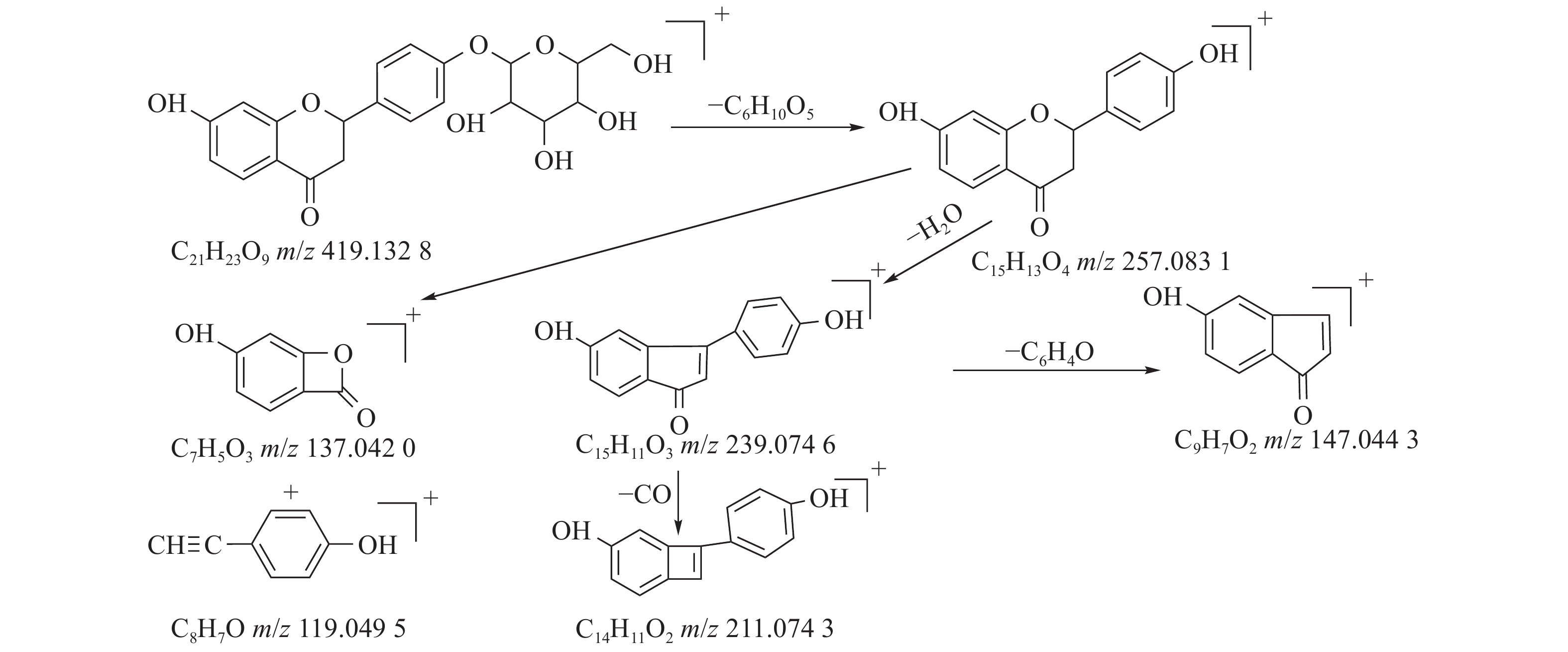
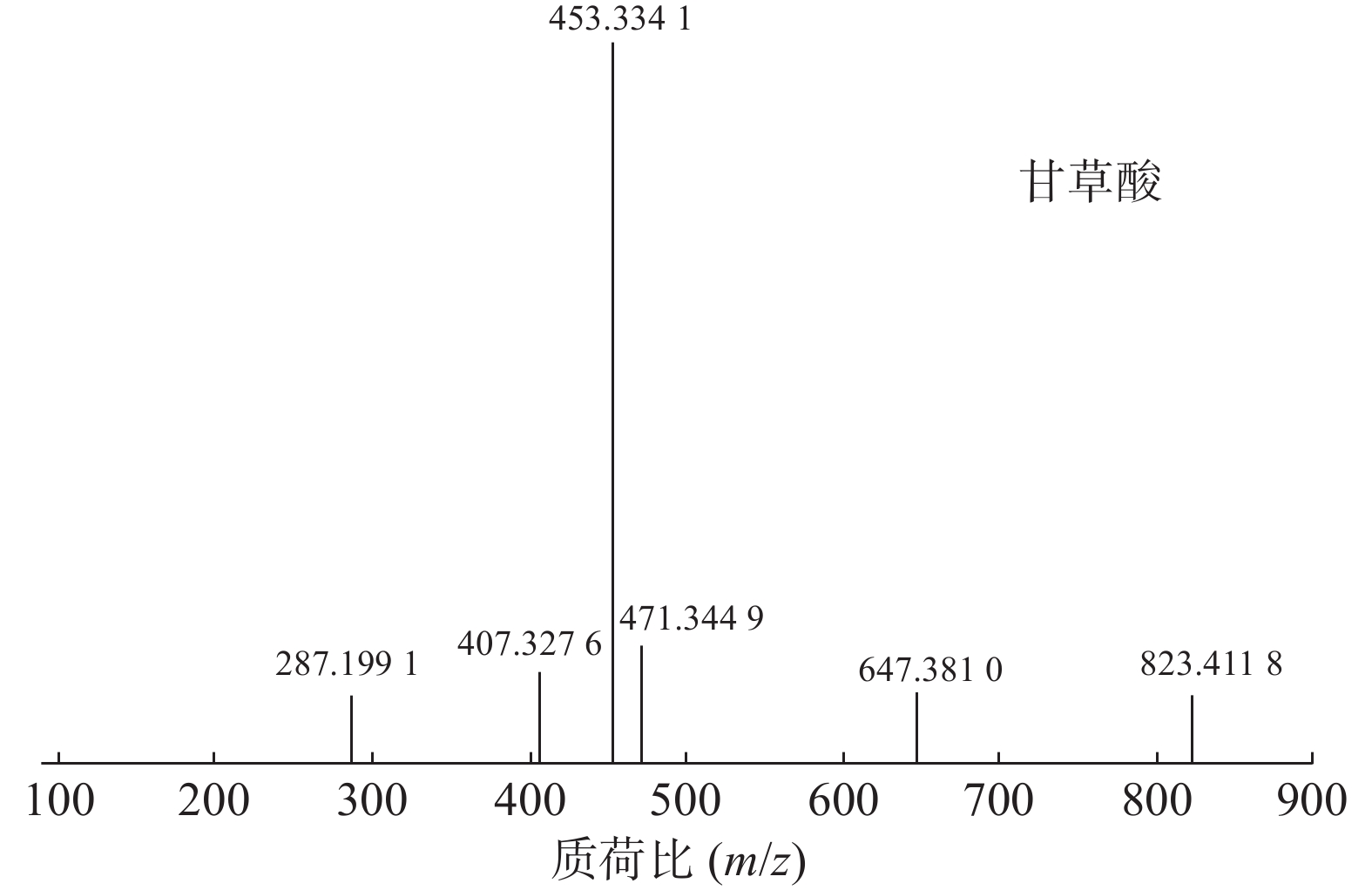
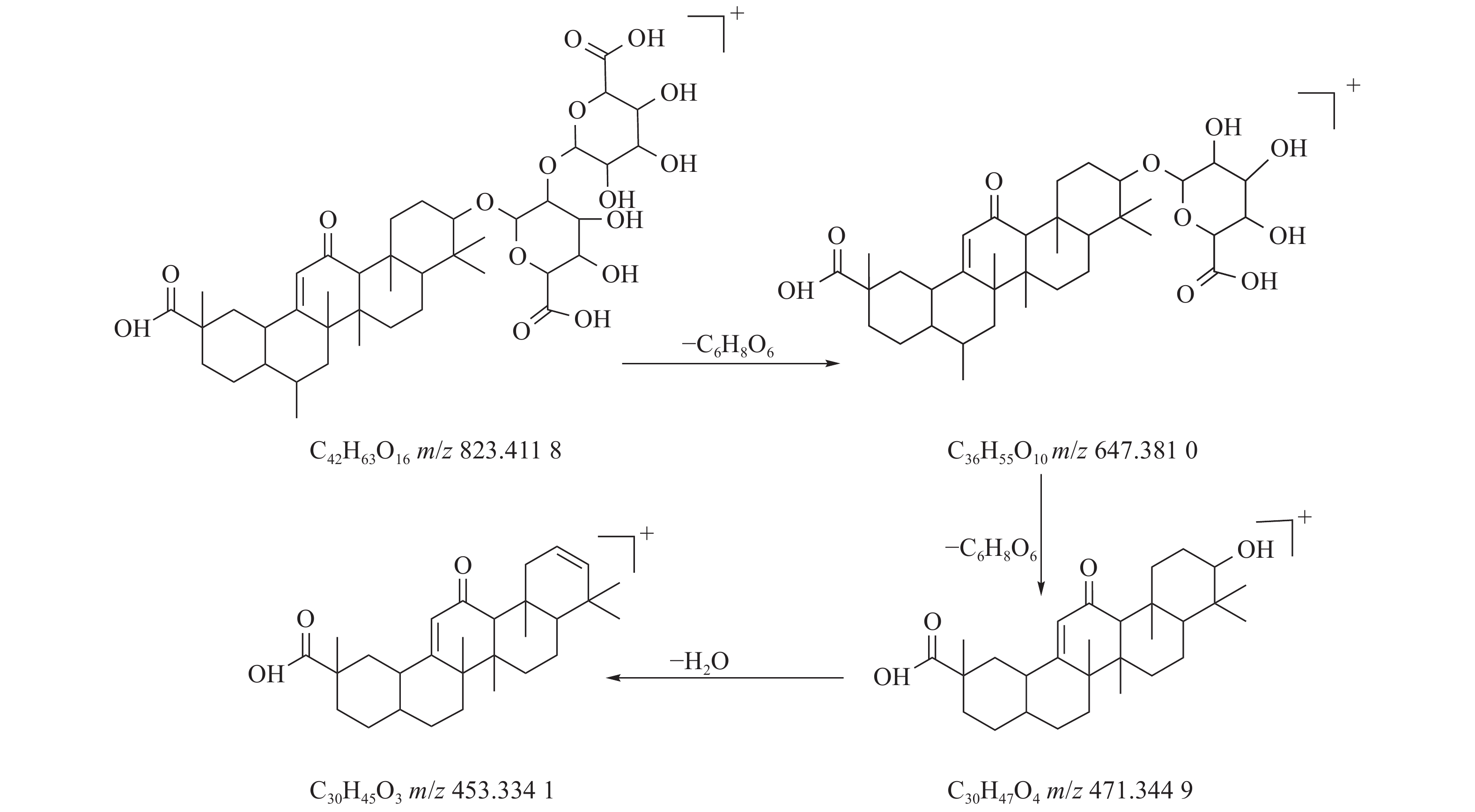
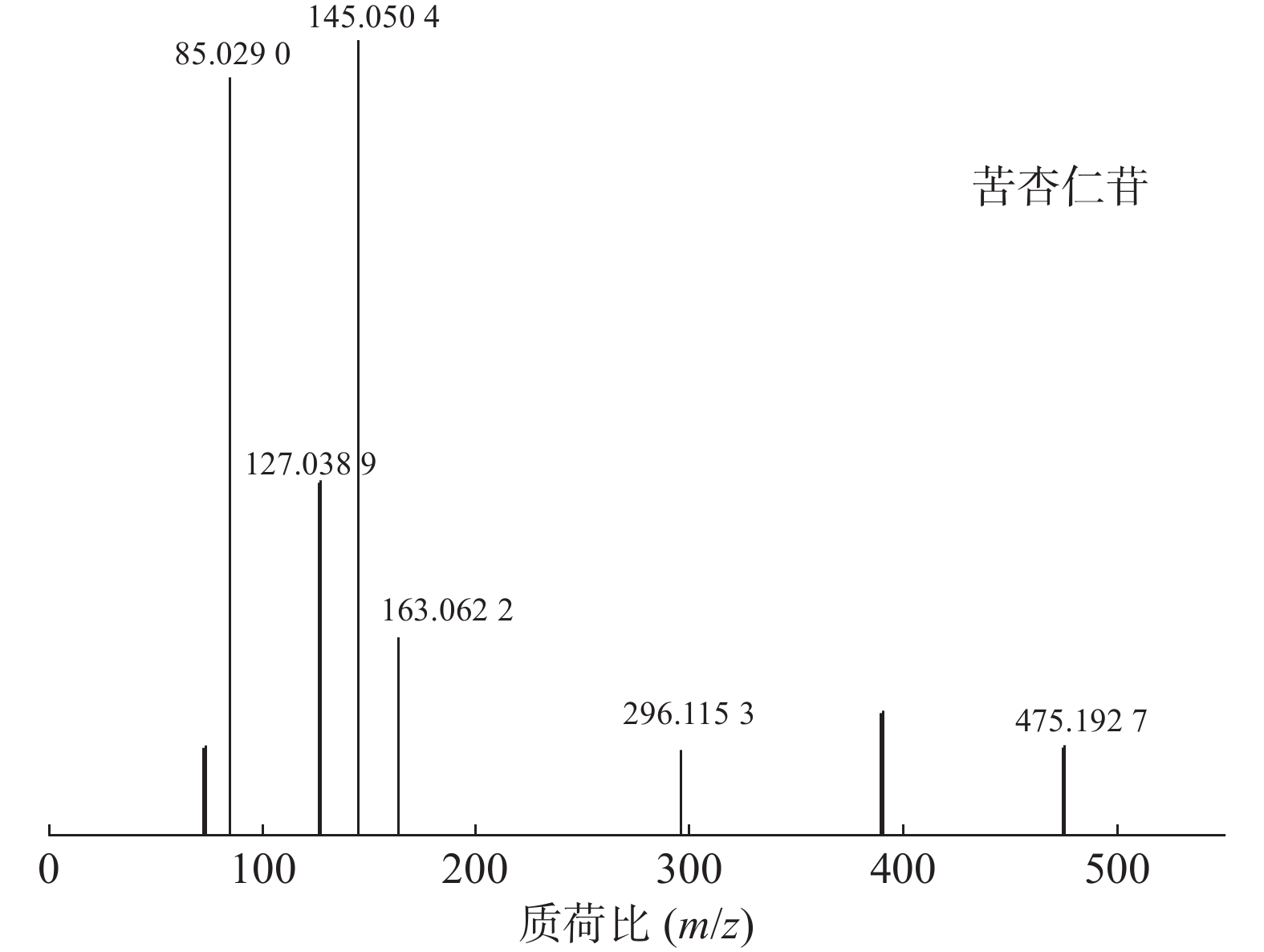
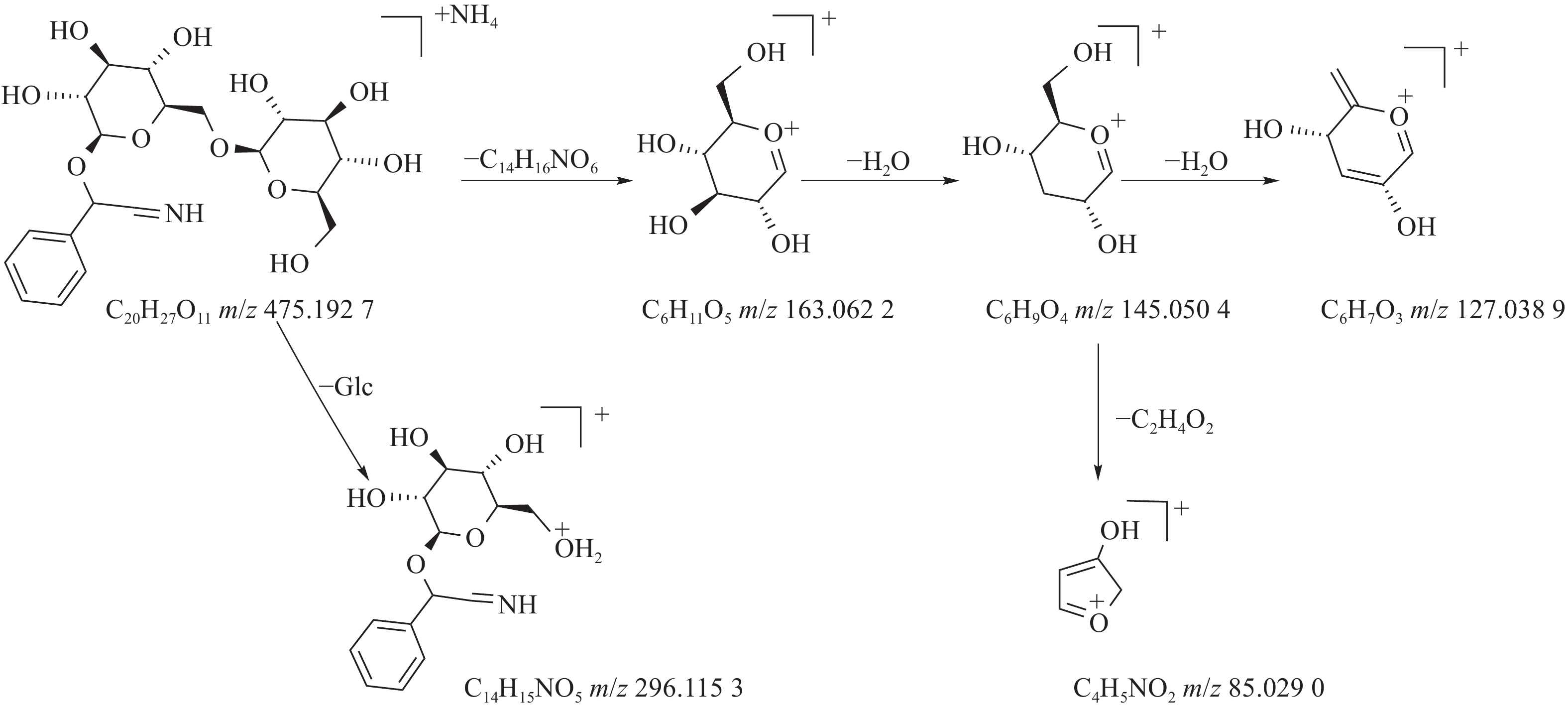
Objective To analyze chemical constituents of compound Maxing Shigan decoction by ultra-high perfor-mance liquid chromatography-quadrupole time-of-flight mass spectrometry (UPLC-QTOF/MS). Methods The separation was performed on a UPLC BEH C18 column (2.1 mm×100 mm, 2.5 µm), with a gradient elution applying 0.1% aqueous formic acid solution and 0.1% formic acid acetonitrile as a mobile phase. The column temperature was 40 °C. The flow rate was 0.4 ml/min and the analysis time was 15 min. Mass spectrometry (MS) data were collected in both positive and negative ESI ion modes. Results Through UPLC-QTOF/MS analysis and reference validation, a total of 59 chemical components in Maxing Shigan decoction were identified. Conclusion An ultra-high performance liquid chromatography quadrupole time-of-flight mass spectrometry (UPLC-QTOF/MS) method was established to identify the chemical components of Maxing Shigan decoction. This method is simple, efficient, sensitive and accurate, and provides a basis for the elucidation of the pharmacodynamic material basis and mechanism of Maxing Shigan decoction. It can provide data reference for the optimization of the compatibility of traditional Chinese medicine in the treatment of COVID-19.
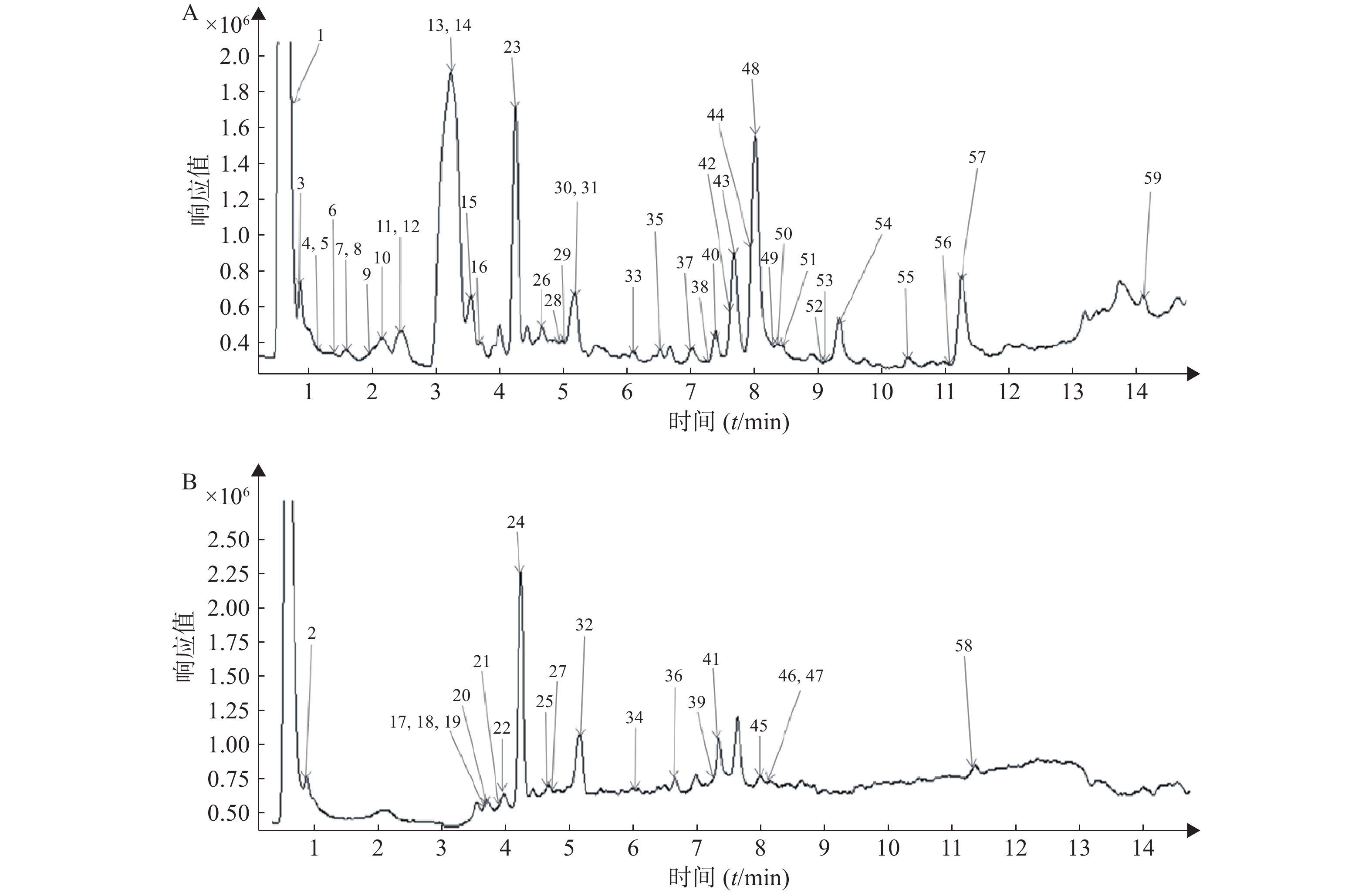
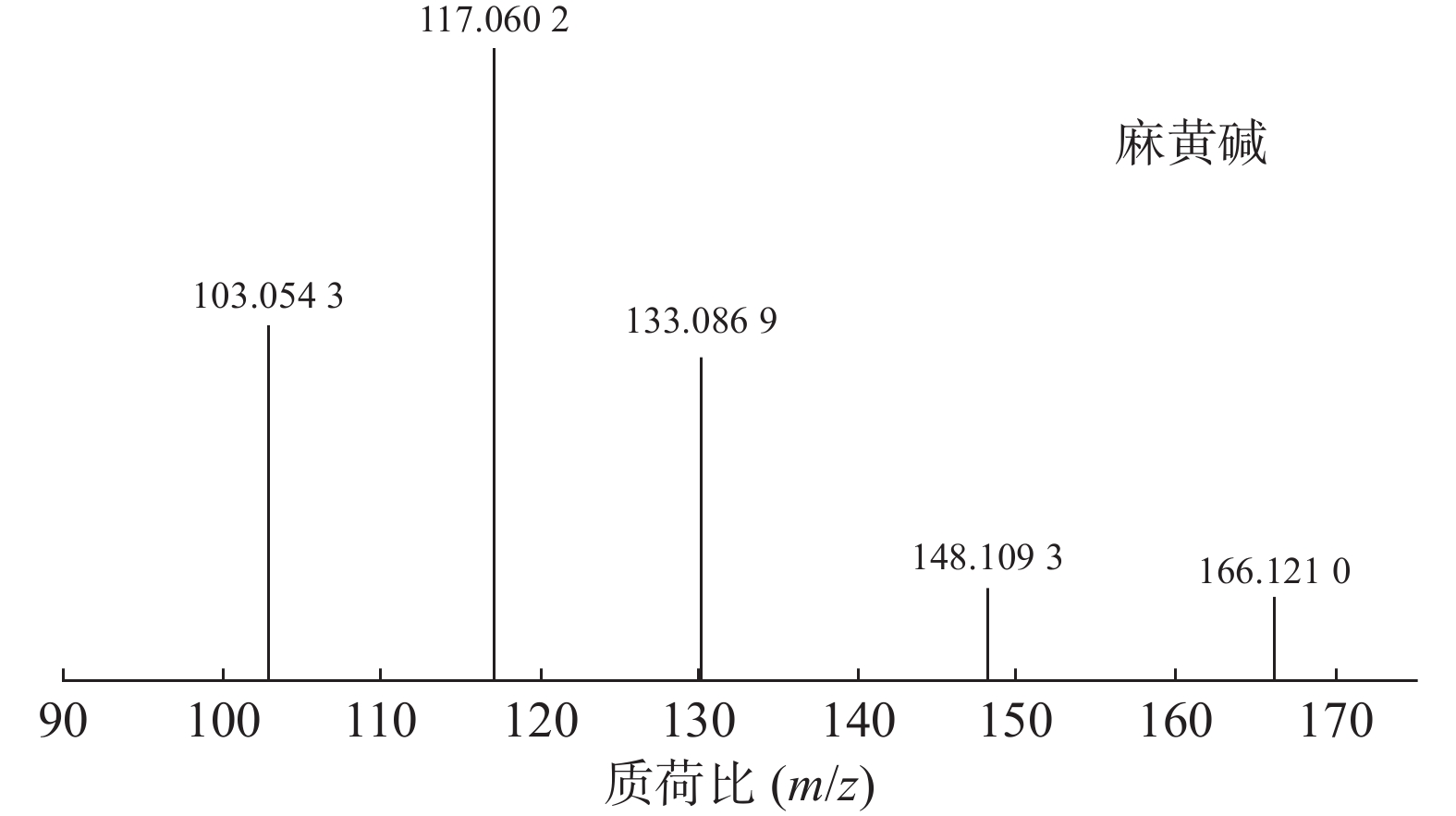
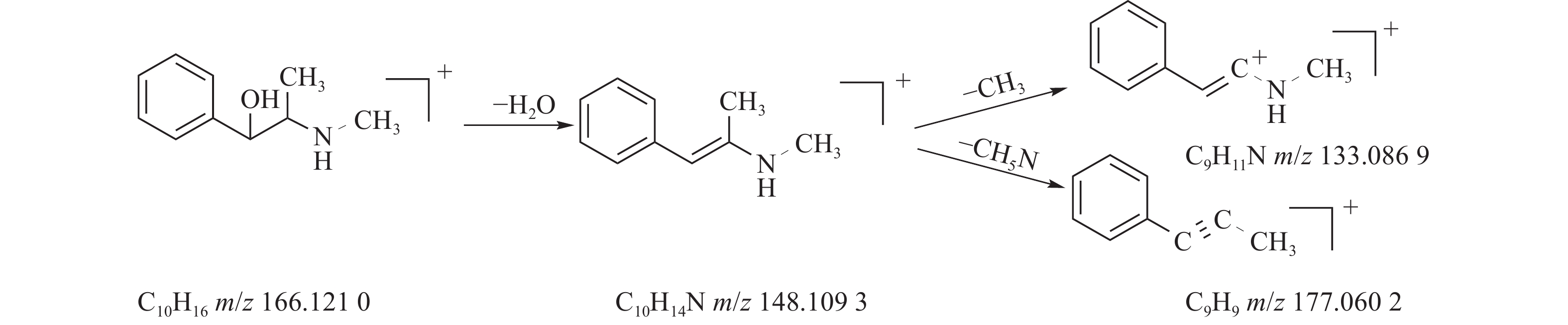
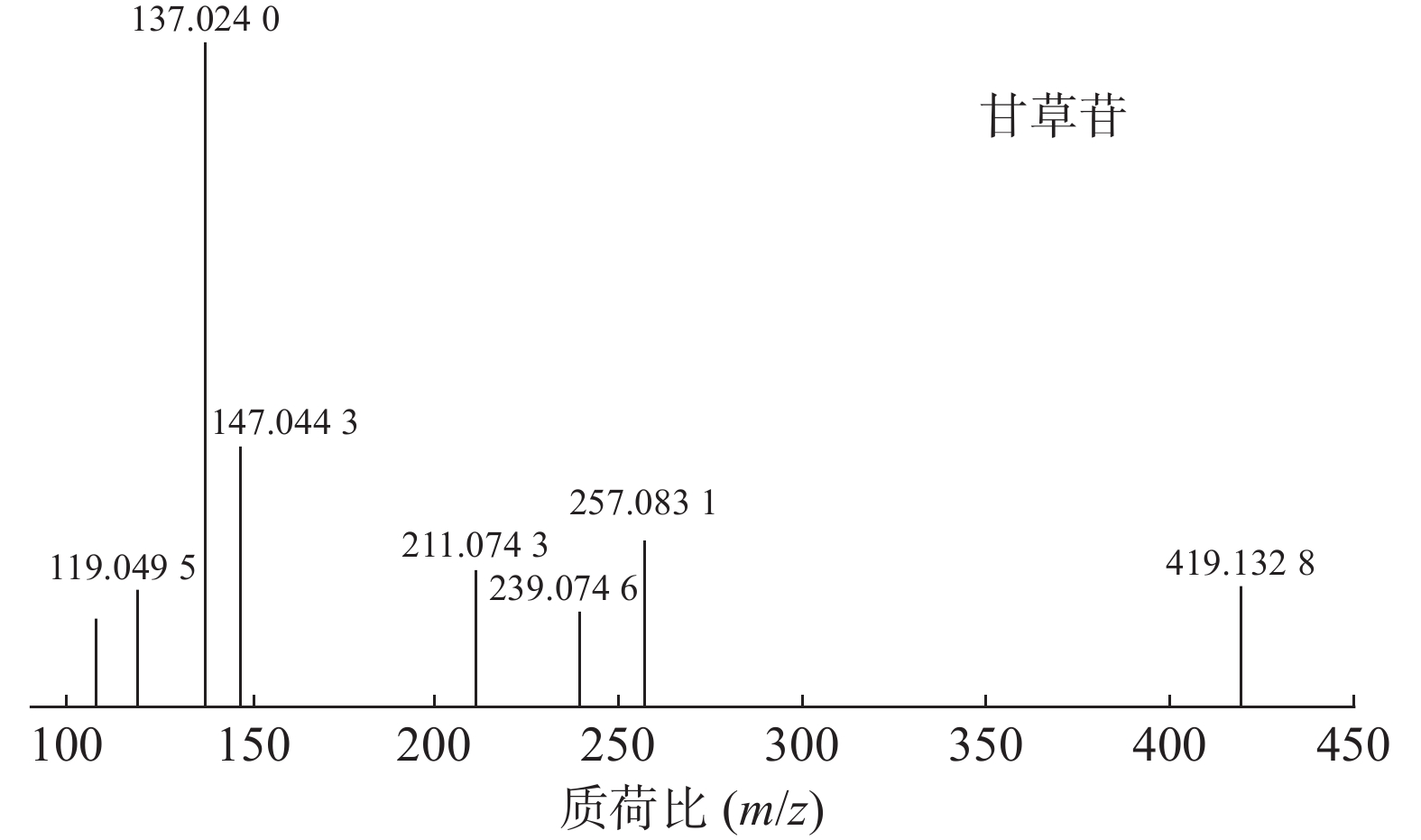
2025, 43(11): 555-559.
doi: 10.12206/j.issn.2097-2024.202401060
Abstract:
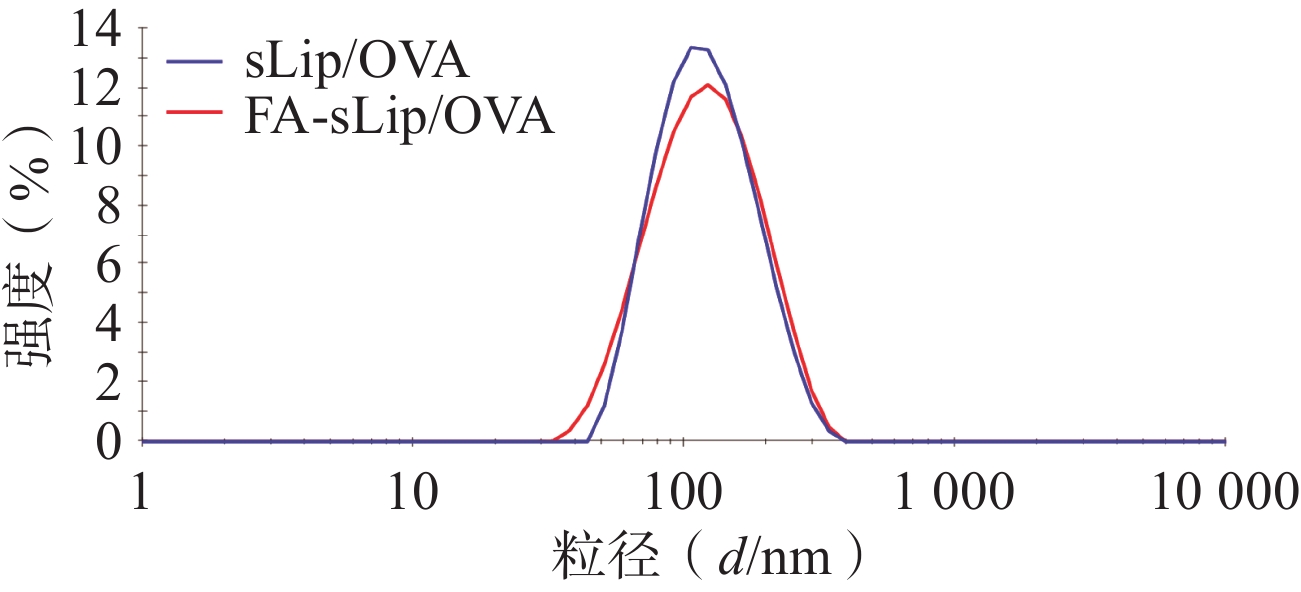
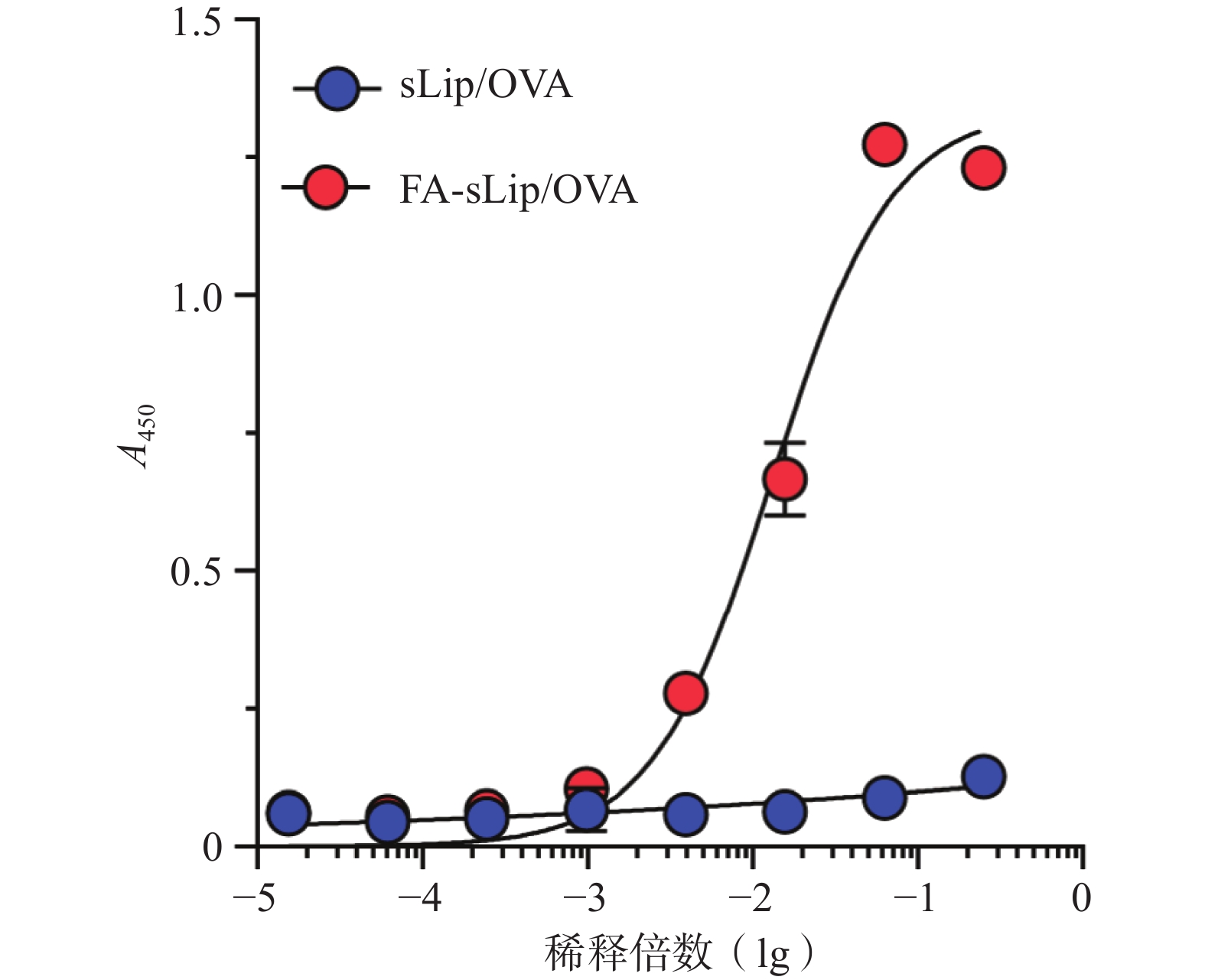
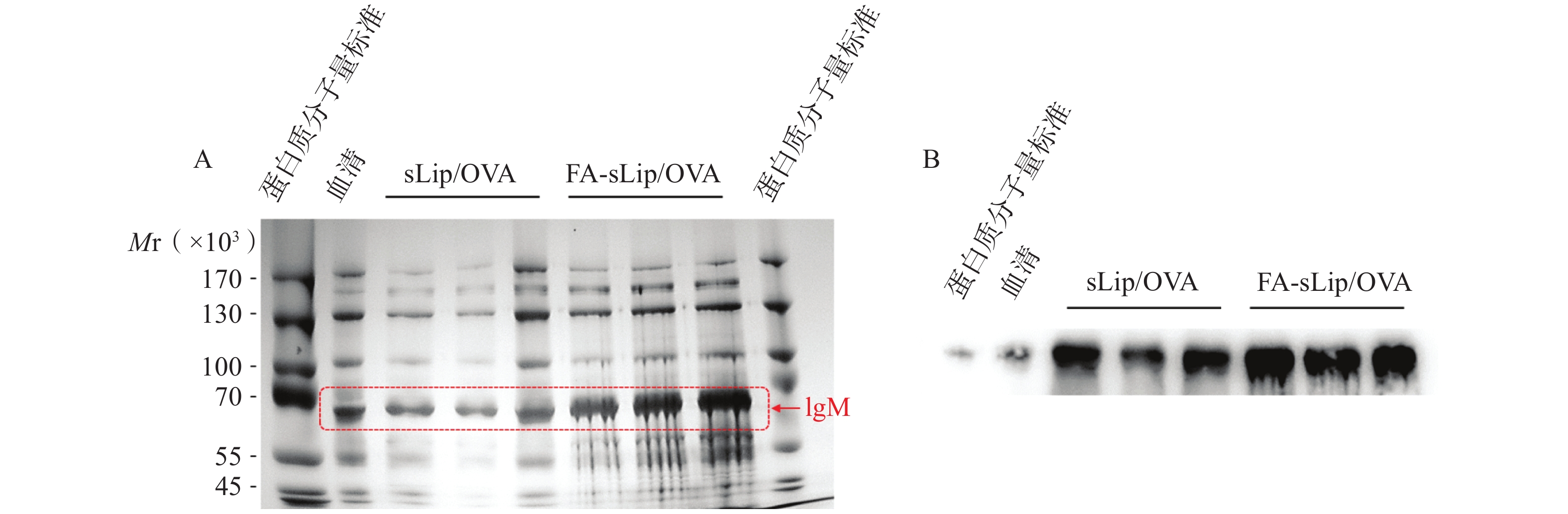
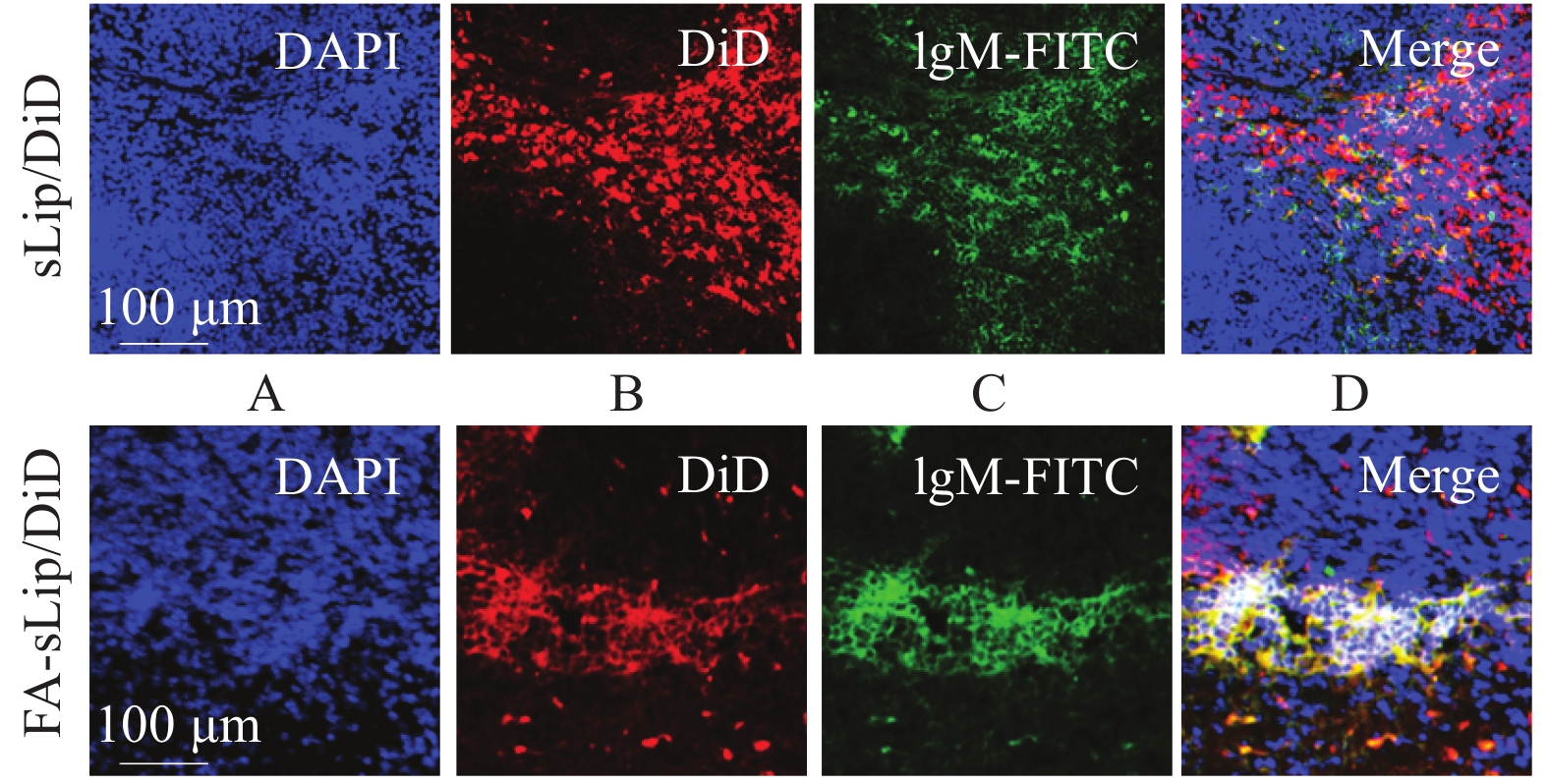
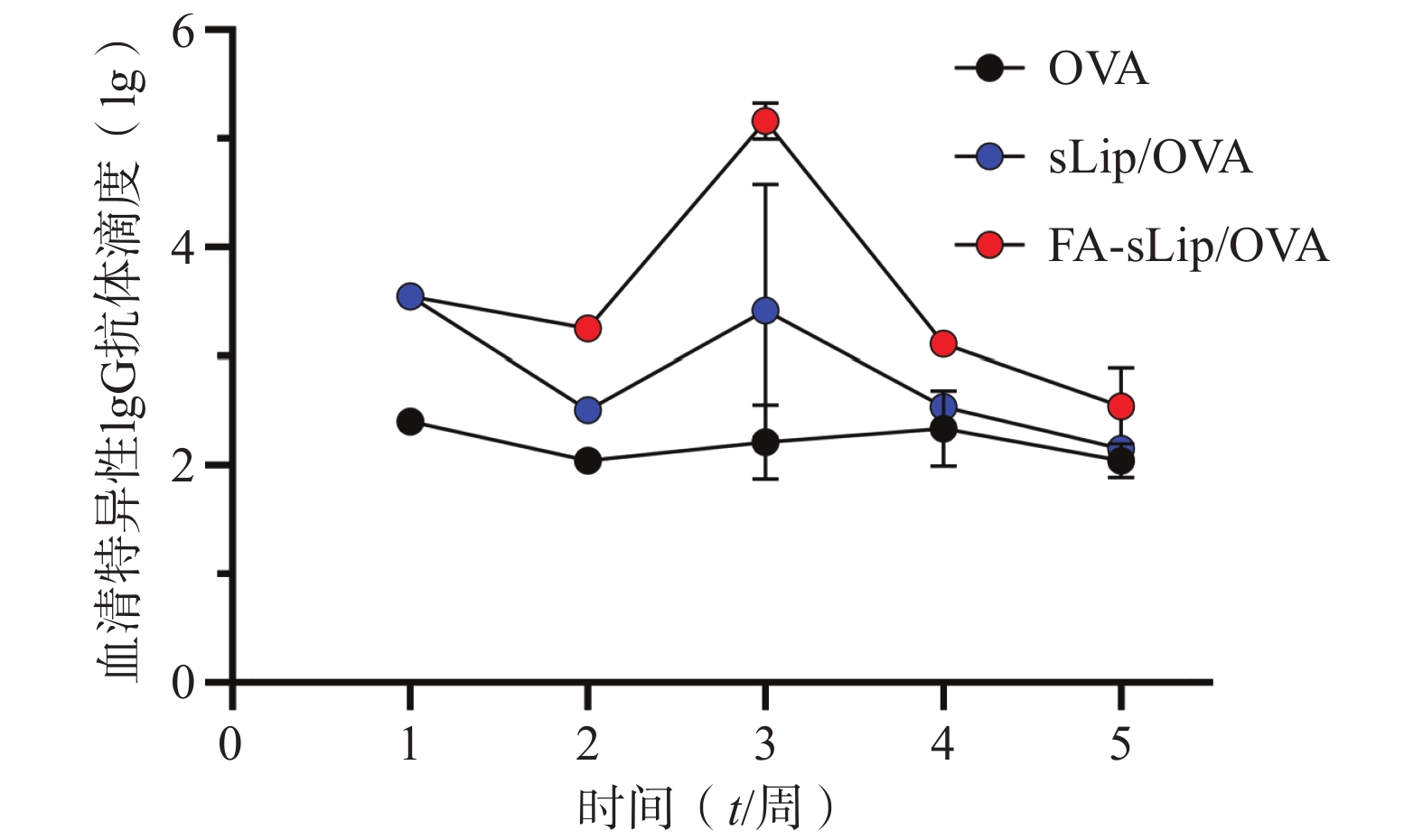
Objective To increase the antigen presentation and immune response of liposomal vaccines through IgM functionalization strategy. Methods Folic acid-modified liposomes loaded with ovalbumin (FA-sLip/OVA) were prepared. The binding ability of liposomal vaccines with IgM was investigated by ELISA method. The IgM in the protein corona was analyzed by SDS-PAGE and Western Blot. Mice were immunized by intravenous injection to investigate the spleen B cell targeting and immune activation of vaccines. Results The average particle size of FA-sLip/OVA was about 117 nm. The specific binding between FA-sLip and IgM was verified by ELISA method. Folic acid-modified liposomal vaccines could absorb IgM in mouse serum and form protein coronas on the surface. Intravenous immunization could stimulate mice to produce long-lasting, high-level antibody titers. Conclusion Natural IgM-enabled folic acid-modified liposomal vaccines were successfully prepared which could effectively induce immune response and provide a new idea for the research of nano-vaccines.
2025, 43(11): 560-563.
doi: 10.12206/j.issn.2097-2024.202402031
Abstract:
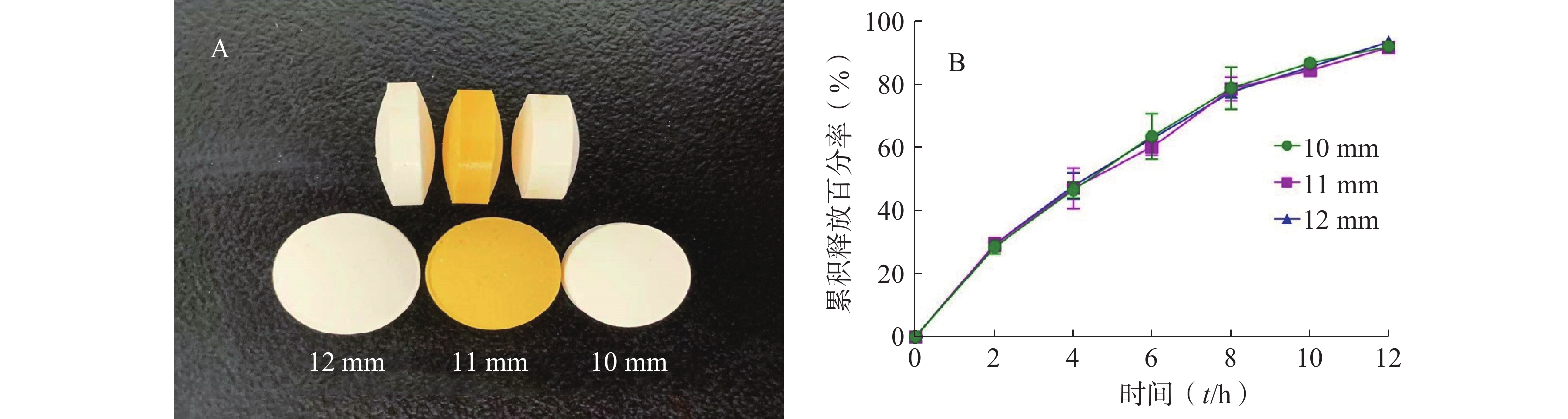
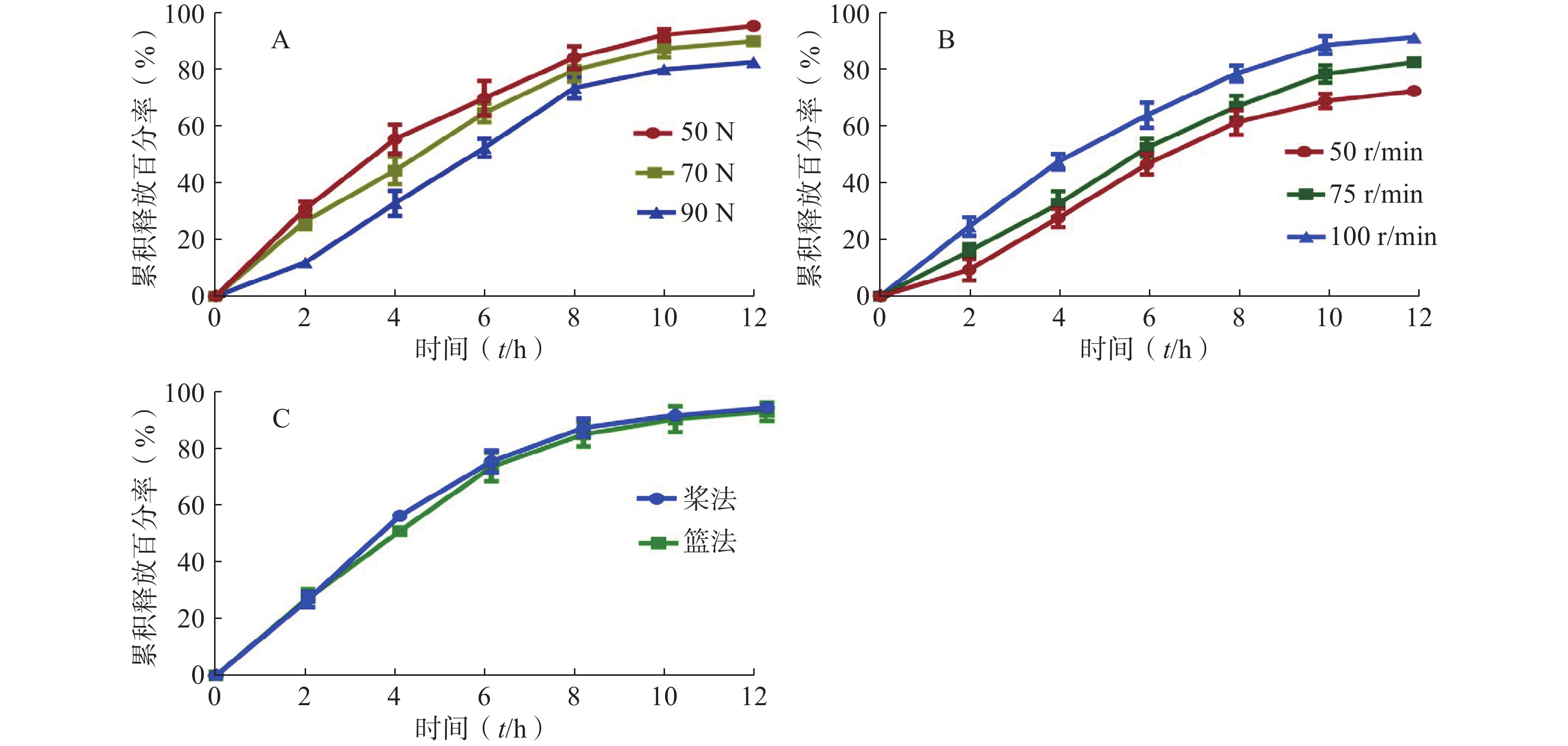
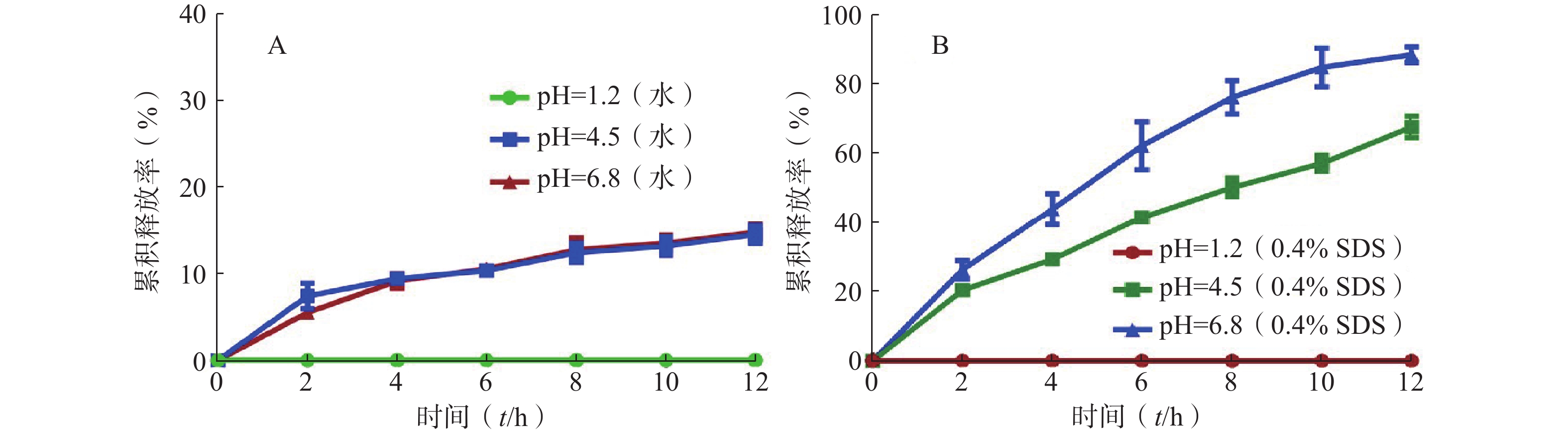
Objective To investigate the quality and in vitro release behavior of the sirolimus self-microemulsion-mesoporous silicon sustained release tablets and provide a basis for further research and development of related preparations. Methods The hardness, brittleness and content uniformity of the sustained-release tablets were tested refer to Pharmacopoeia of the People’s Republic of China 2020. Different diameters (10, 11, 12 mm), different hardness (50, 70, 90 N), different speed (50, 75, 100 r/min), different dissolution methods (pulp method, basket method) were investigated. The release conditions of the sustained-release tablets with different pH solution (distilled water solution and 0.4% SDS solution with pH of 1.2, 4.5 and 6.8, respectively) and the in vitro release conditions of the sustained-release tablets were observed. Results The hardness, brittleness and content uniformity of the self-made sustained-release tablets were qualified; different diameters and dissolution methods had no effect on the drug release behavior of the sustained-release tablets in vitro, while the different hardness, different rotational speed and the different pH release media had certain effects. Conclusion The sirolimus self-microemulsion-mesoporous silicon sustained release tablets had good sustained-release effect in vitro and was deserved to further study.
Establishment of quality standard of Bletilla compound spleen-tonifying Traditional Chinese Medicine
2025, 43(11): 564-566, 576.
doi: 10.12206/j.issn.2097-2024.202303040
Abstract:
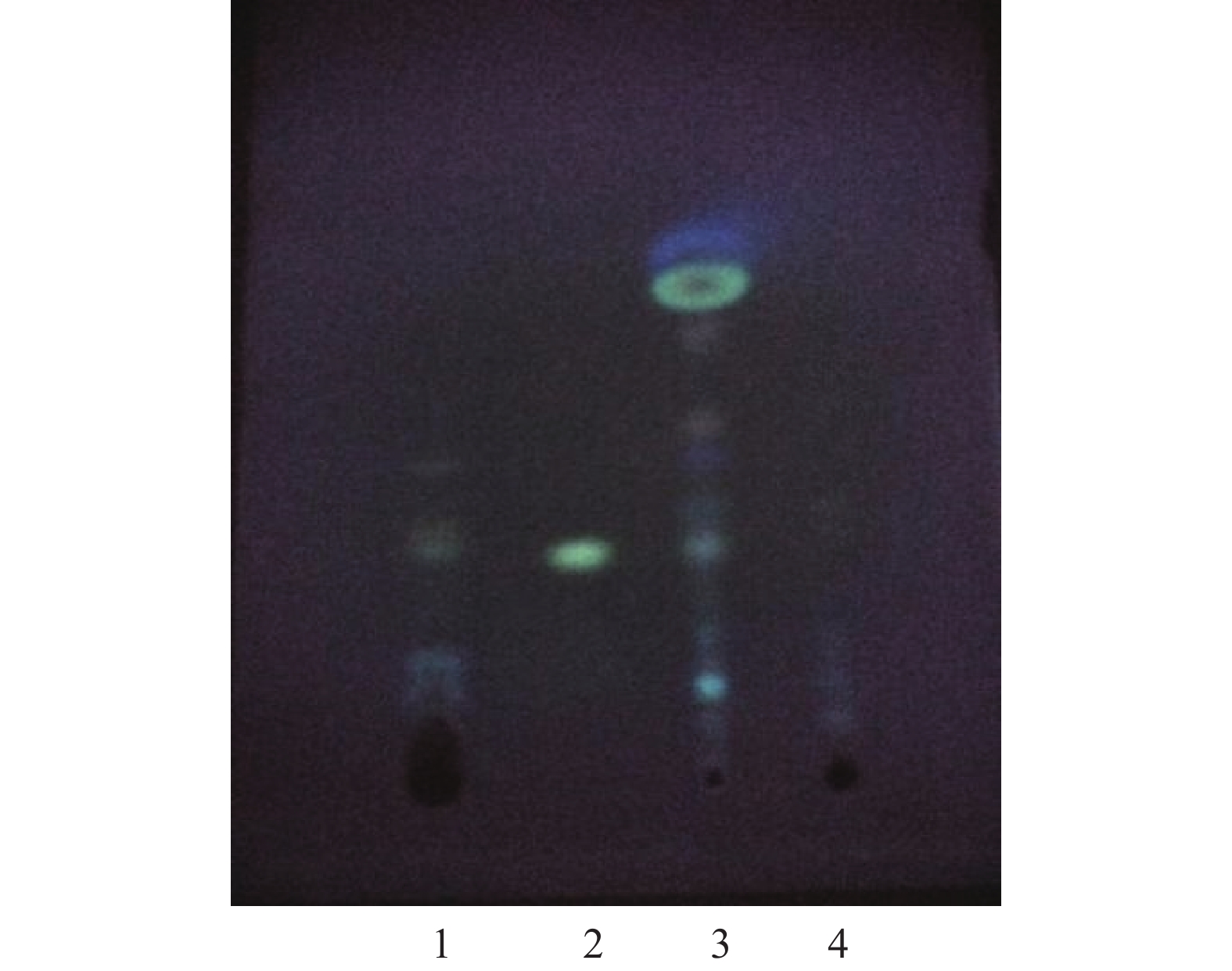
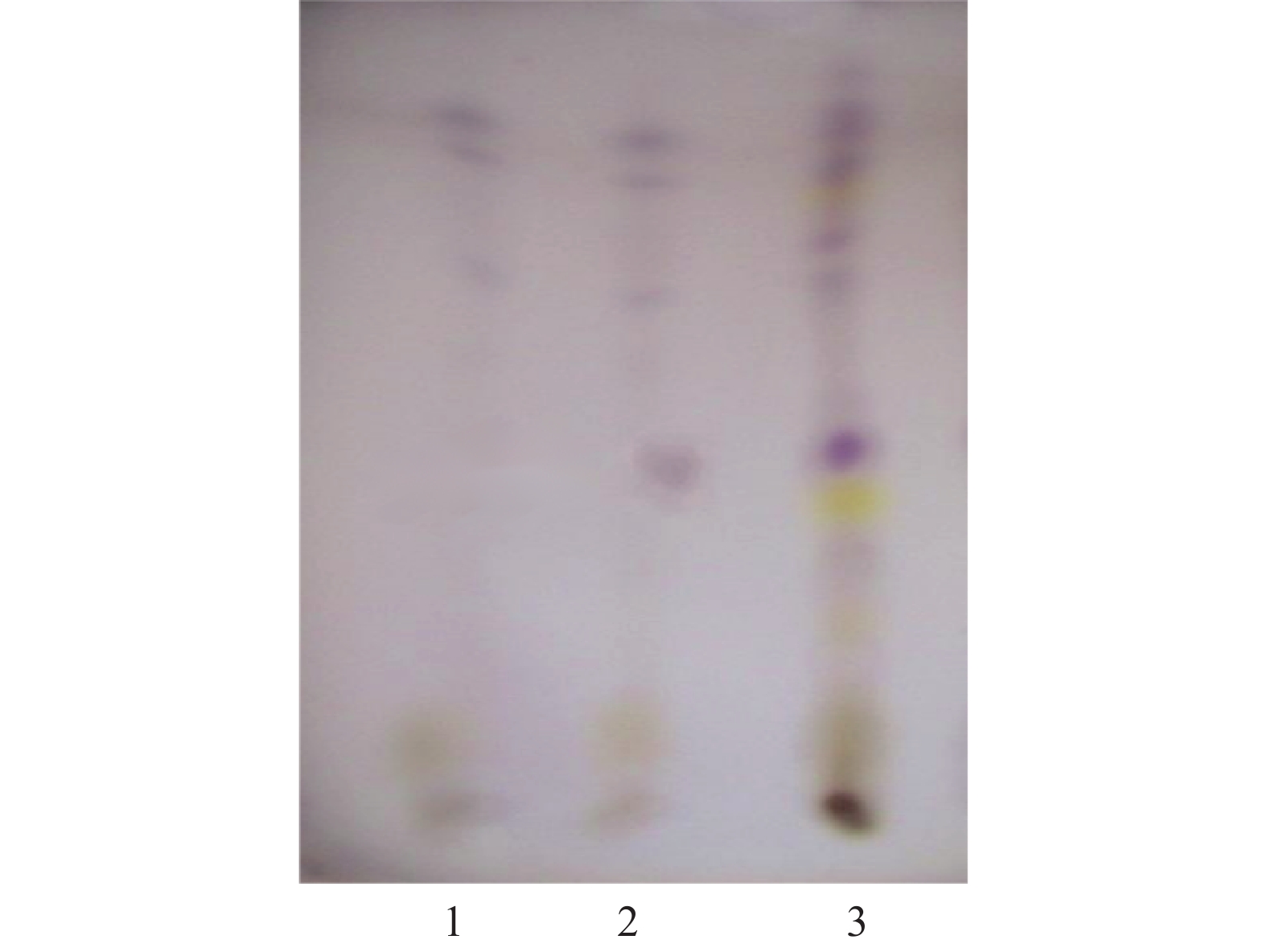
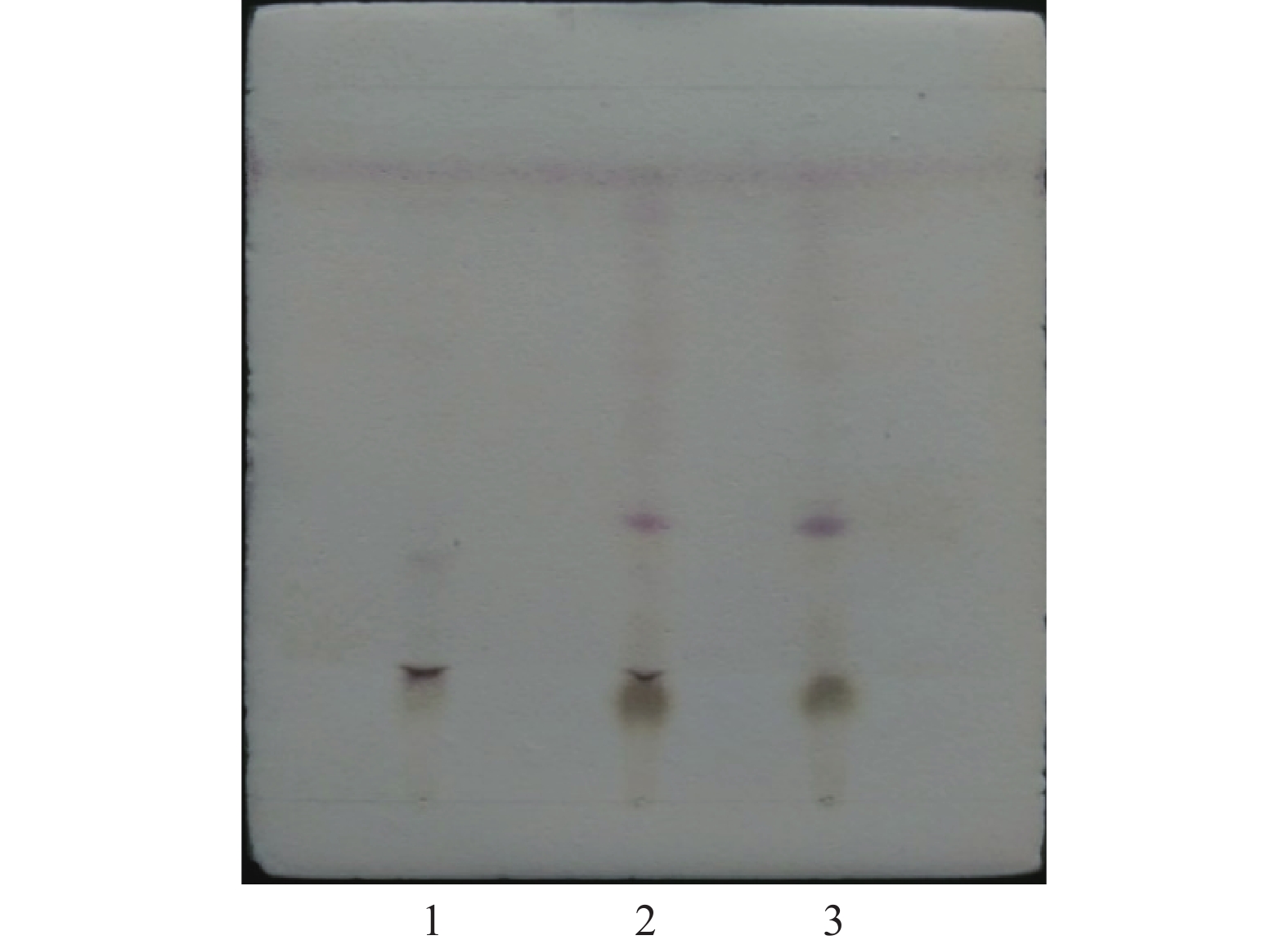
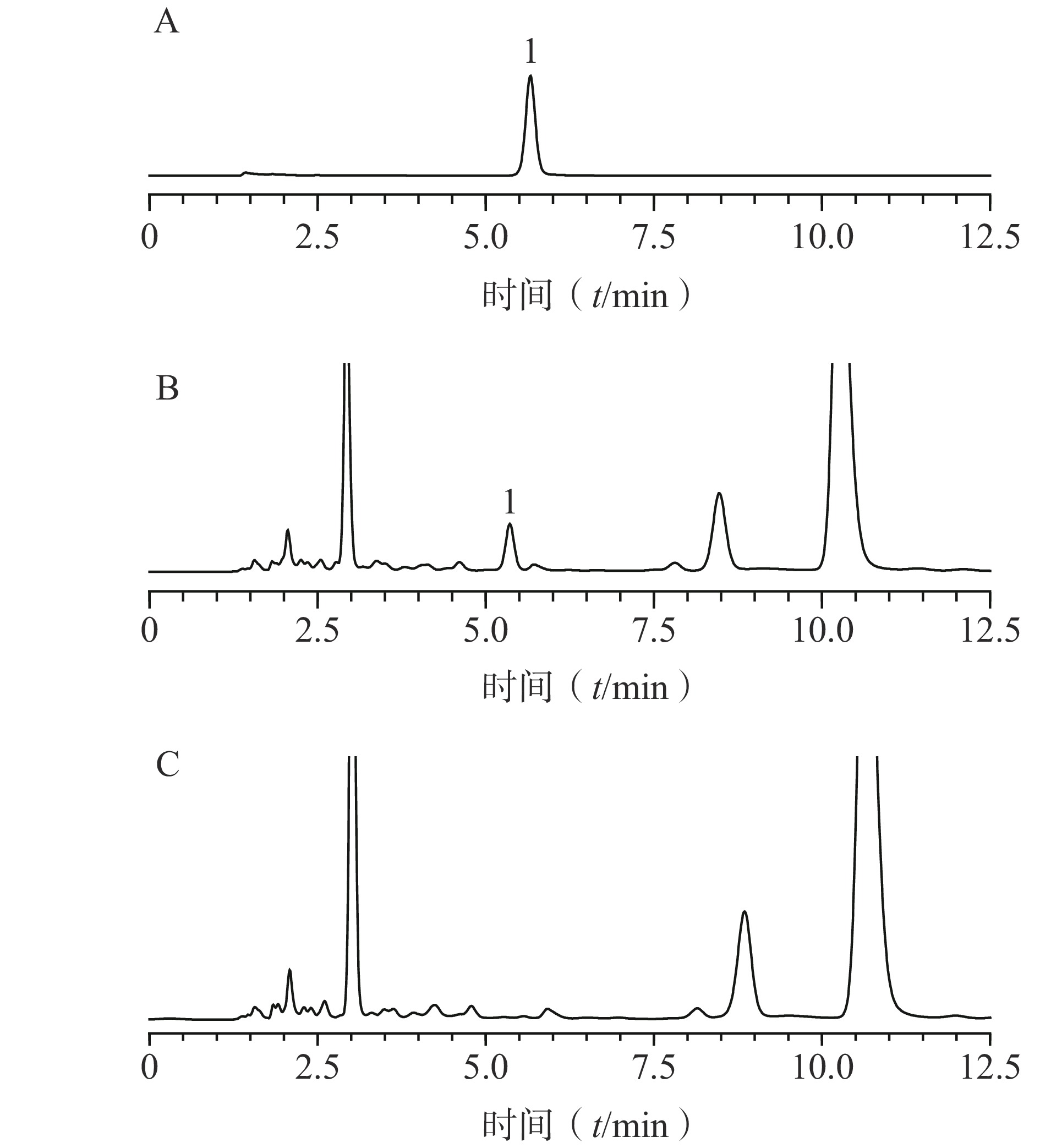
Objective To establish a quality control method for Bletilla compound spleen-tonifying Traditional Chinese Medicine(TCM). Methods The content of gallic acid was determined by HPLC. Atractylodes macrocephala Koidz, Codonopsis pilosula Nannf and Pulsatillae Radix were identified by TLC. Results The identification and determination methods showed good specificity. Gallic acid displayed good linearity within the range of 3.6-179.8 µg/ml (r=0.999 9 ). The average recovery was 101.12% (RSD 0.98%). Conclusion The TLC and HPLC could be used as quality control method for Bletilla compound spleen-tonifying TCM.
2025, 43(11): 567-571.
doi: 10.12206/j.issn.2097-2024.202506021
Abstract:
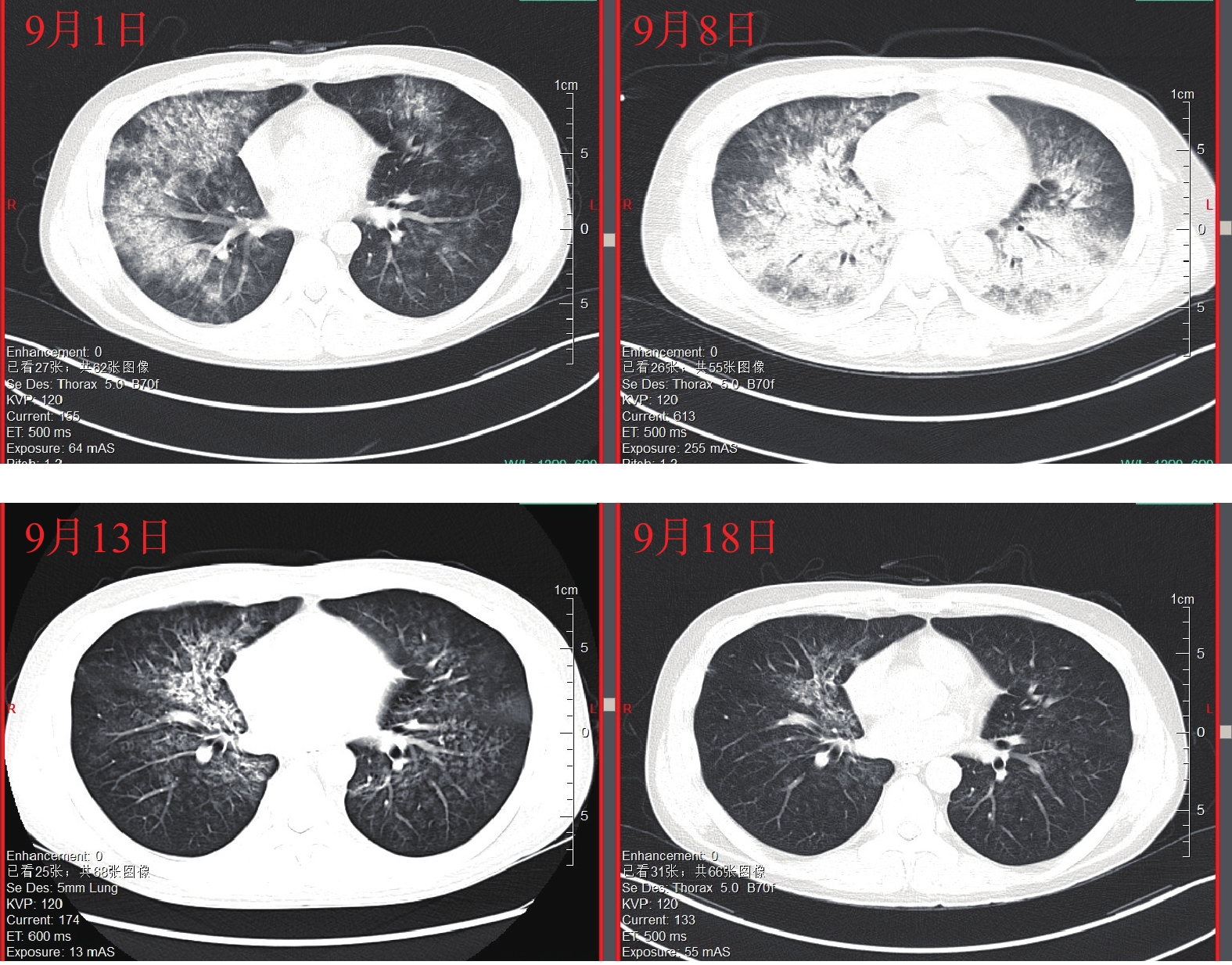
Objective To analyze the possible mechanism and drug treatment plan of diffuse alveolar hemorrhage induced by human granulocyte colony-stimulating factor injection, point out medication risks and provide reference for medical treatment and pharmaceutical care of such patients. Methods The abnormal lung conditions of a patient treated with human granulocyte colony-stimulating factor injection was found by clinical pharmacists, who participated in clinical diagnosis and treatment by analyzing of adverse drug reactions, optimization of medical treatment and pharmaceutical care. Results Diffuse alveolar hemorrhage was likely an adverse drug reaction caused by human granulocyte colony-stimulating factor injection. The physician discontinued the medication immediately and provided treatment such as oxygen inhalation, high-dose hormone shock, plasma exchange, etc. The patient’s oxygen saturation was improved, alveolar bleeding was decreased, and the condition was improved. Conclusion Clinical pharmacists participate in patients’ medication treatment, carry out pharmaceutical guardianship, and assist physicians in adjusting treatment plans, which could contribute to the effectiveness and safety of patient treatment.
2025, 43(11): 572-576.
doi: 10.12206/j.issn.2097-2024.202505036
Abstract:
Objective To investigate the effect of lidocaine medicated plaster (LMP) combined with pregabalin (PGB) on patients with postherpetic neuralgia (PHN), and the impact on serum pain mediators. Methods 108 PHN patients admitted in our hospital from January 2024 to December 2024 were selected and grouped according to the time point of receiving treatment, 54 PHN patients treated with PGB from January 2024 to June 2024 were included in the PGB group, and 54 PHN patients treated with LMP on top of the PGB group from July 2024 to December 2024 were included in the PGB+LMP group. Comparisons were made between the two groups in terms of pain score, serum pain mediator levels, dosage of PGB, and incidence of adverse reactions. Results After 4 weeks of treatment, both groups showed a decrease in Pain Rating Index scores (sensory score and affective score), Present Pain Intensity score, Visual Analog Scale score, and total score. Meanwhile, above scores of the PGB+LMP group were lower than those of the PGB group (P<0.05). After 4 weeks of treatment, the levels of substance P(SP) and neuropeptide Y (NPY) in both groups were lower than those before treatment, while serum 5-hydroxytryptamine (5-HT) levels were higher than those before treatment. Moreover, the levels of SP and NPY were lower, and 5-HT level was higher in the PGB+LMP group than in the PGB group (P<0.05). The dosages of PGB in the PGB+LMP group at T1, T, T3 and T4 were significantly lower than those in the PGB group (P<0.05). The incidence of adverse reactions was 1.85%(1/54) in the PGB+LMP group. Compared to 5.56%(3/54) in the PGB group, and the difference was not statistically significant (P>0.05). Conclusion LMP combined with PGB was effective in the treatment of patients with PHN, which could effectively alleviate pain and lower the levels of serum pain mediators, with good safety.
2025, 43(11): 577-582.
doi: 10.12206/j.issn.2097-2024.202504055
Abstract:
In recent years, China has systematically enhanced its policy framework for innovative pharmaceuticals and medical devices and established a comprehensive, full-cycle support mechanism encompassing research and development, regulatory approval, manufacturing, reimbursement, and clinical application. This integrated approach has markedly accelerated the review-approval process and market entry of innovative medical products. Key regions including Beijing, Shanghai and the Guangdong-Hong Kong-Macao Greater Bay Area have demonstrated significant achievements through initiatives such as optimized clinical trial protocols, expedited regulatory pathways, and diversified payment models. Nevertheless, challenges persist, including restrictive performance metrics in hospital, underdeveloped multi-payer reimbursement systems, and interdepartmental coordination gaps. Moving forward, sustained efforts in policy harmonization, reimbursement mechanism innovation, core technology breakthroughs, and global collaboration should be critical to advancing the high-quality development of Chinese innovative pharmaceuticals and devices.
In recent years, China has systematically enhanced its policy framework for innovative pharmaceuticals and medical devices and established a comprehensive, full-cycle support mechanism encompassing research and development, regulatory approval, manufacturing, reimbursement, and clinical application. This integrated approach has markedly accelerated the review-approval process and market entry of innovative medical products. Key regions including Beijing, Shanghai and the Guangdong-Hong Kong-Macao Greater Bay Area have demonstrated significant achievements through initiatives such as optimized clinical trial protocols, expedited regulatory pathways, and diversified payment models. Nevertheless, challenges persist, including restrictive performance metrics in hospital, underdeveloped multi-payer reimbursement systems, and interdepartmental coordination gaps. Moving forward, sustained efforts in policy harmonization, reimbursement mechanism innovation, core technology breakthroughs, and global collaboration should be critical to advancing the high-quality development of Chinese innovative pharmaceuticals and devices.
 Contribution System
 Author Login
 Review Login
 Editor Login
 Reader Login



 News
News