

2025 Vol. 45, No. 10
Display Method:
2025, 43(10): 475-480, 508.
doi: 10.12206/j.issn.2097-2024.202506033
Abstract:
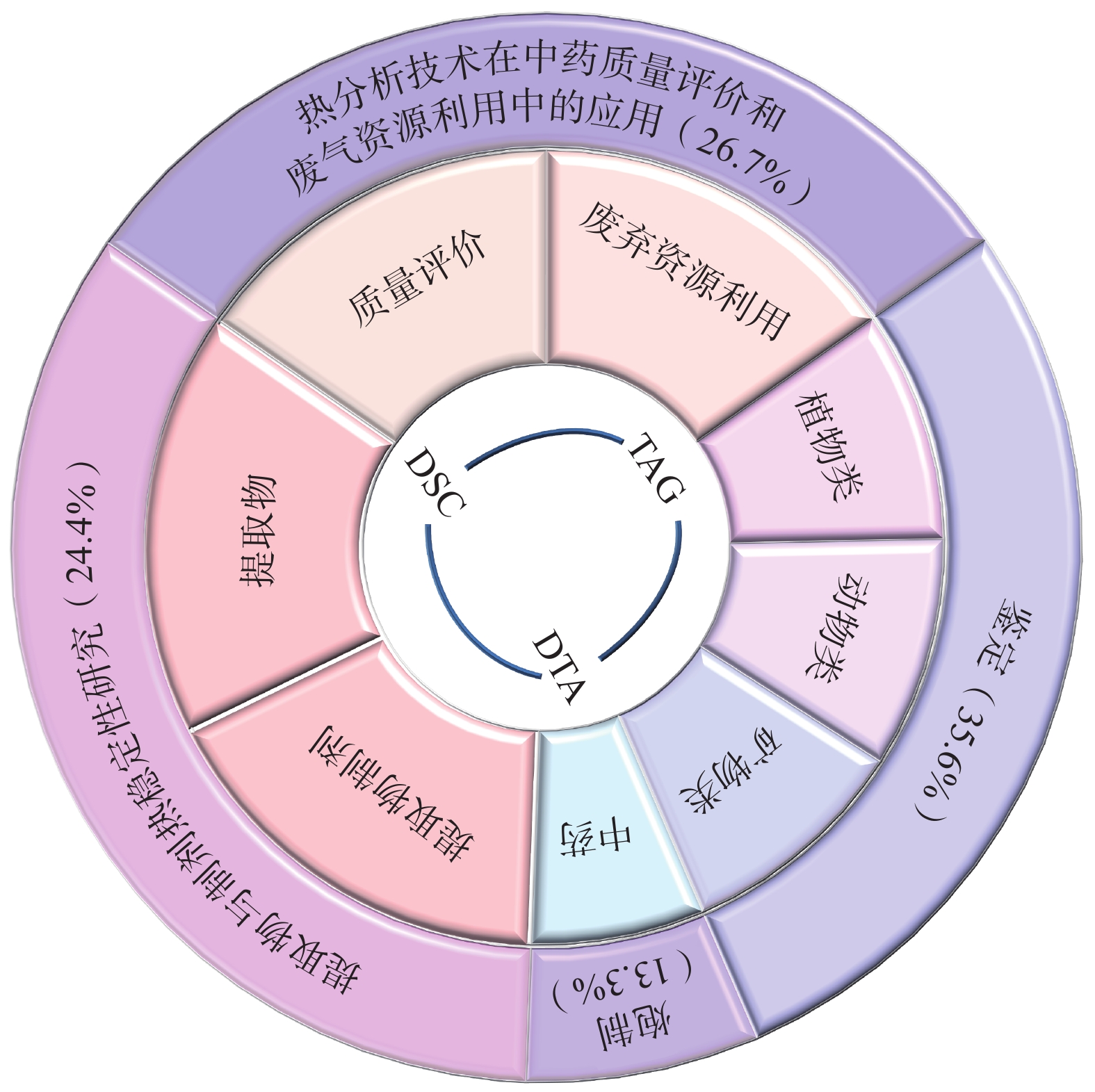
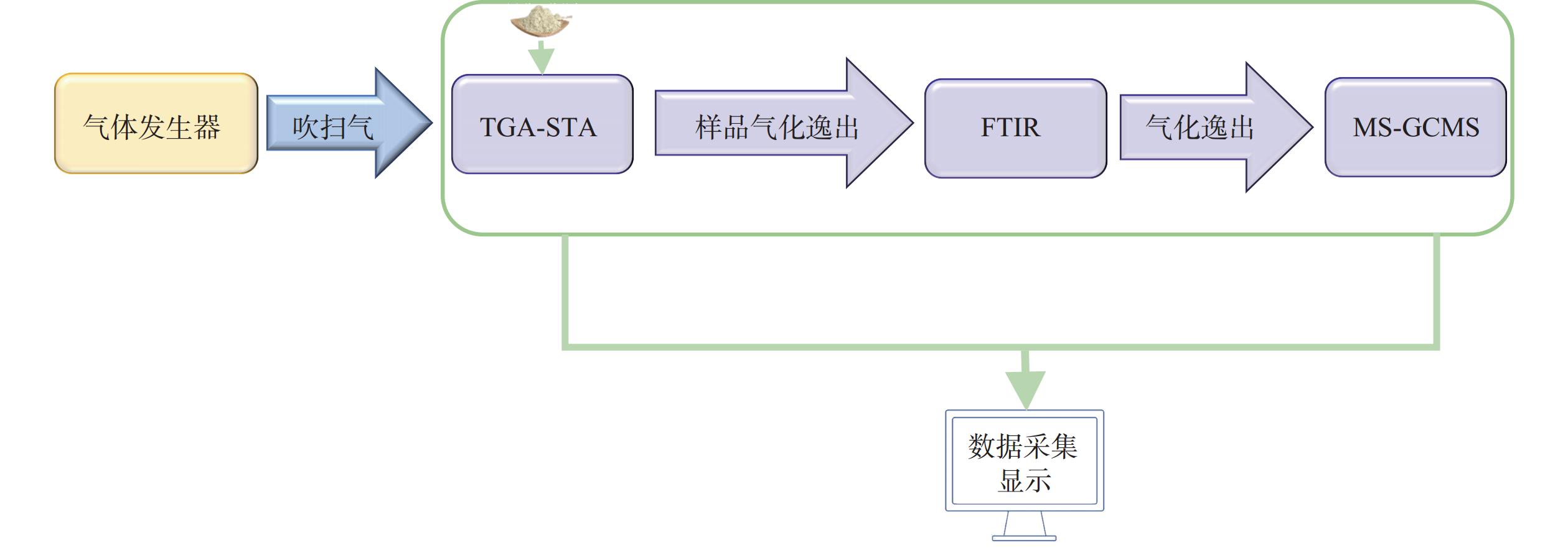
Thermal analysis technology has emerged as a pivotal tool for the identification and quality control of traditional Chinese medicine (TCM) owing to its advantages of high sensitivity and capability for simultaneous multi-parameter detection. The application progress on thermogravimetric analysis (TGA), differential thermal analysis (DTA), and differential scanning calorimetry (DSC) in four key areas: authenticity identification of herbal medicines, optimization of processing techniques, evaluation of extract thermal stability, and construction of quality evaluation systems were summarized. Thermal analysis technology enables rapid authentication of medicinal materials by establishing a thermal fingerprint. When integrated with hyphenated techniques (e.g., FTIR and GC-MS), it facilitates in-depth analysis of compositional differences in complex matrices. In Future, the development of thermal analysis databases and multi-technology integration will be expected to further promote the standardization of TCM quality control.
Thermal analysis technology has emerged as a pivotal tool for the identification and quality control of traditional Chinese medicine (TCM) owing to its advantages of high sensitivity and capability for simultaneous multi-parameter detection. The application progress on thermogravimetric analysis (TGA), differential thermal analysis (DTA), and differential scanning calorimetry (DSC) in four key areas: authenticity identification of herbal medicines, optimization of processing techniques, evaluation of extract thermal stability, and construction of quality evaluation systems were summarized. Thermal analysis technology enables rapid authentication of medicinal materials by establishing a thermal fingerprint. When integrated with hyphenated techniques (e.g., FTIR and GC-MS), it facilitates in-depth analysis of compositional differences in complex matrices. In Future, the development of thermal analysis databases and multi-technology integration will be expected to further promote the standardization of TCM quality control.
2025, 43(10): 481-490.
doi: 10.12206/j.issn.2097-2024.202506017
Abstract:
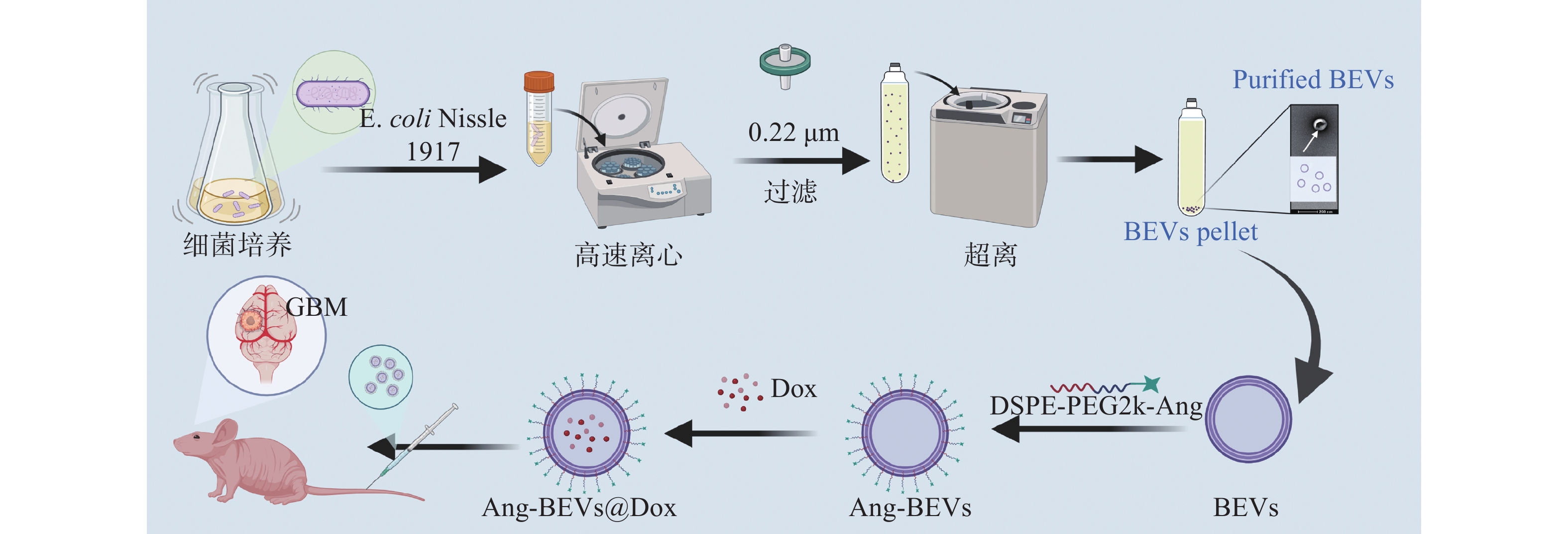
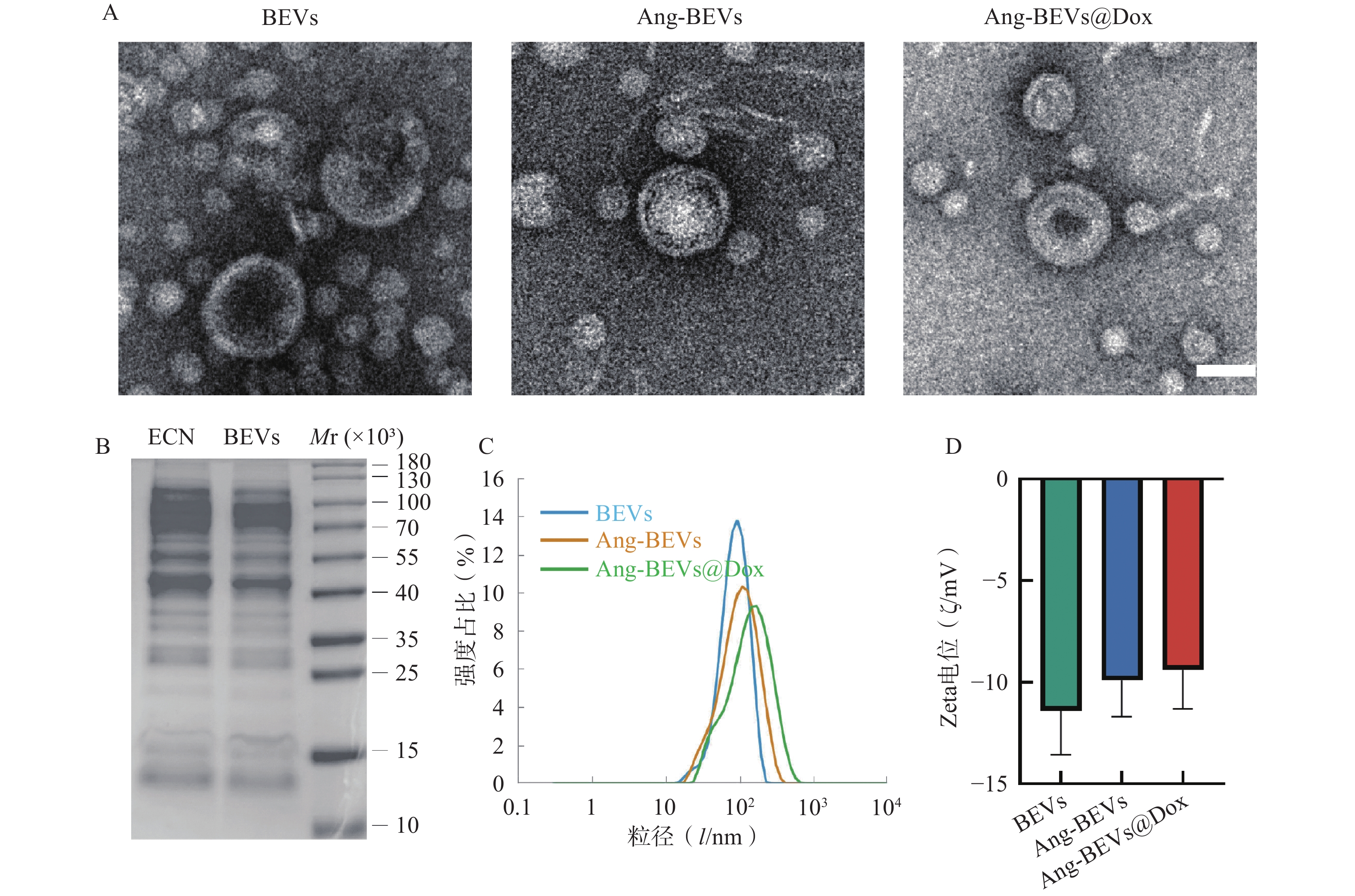
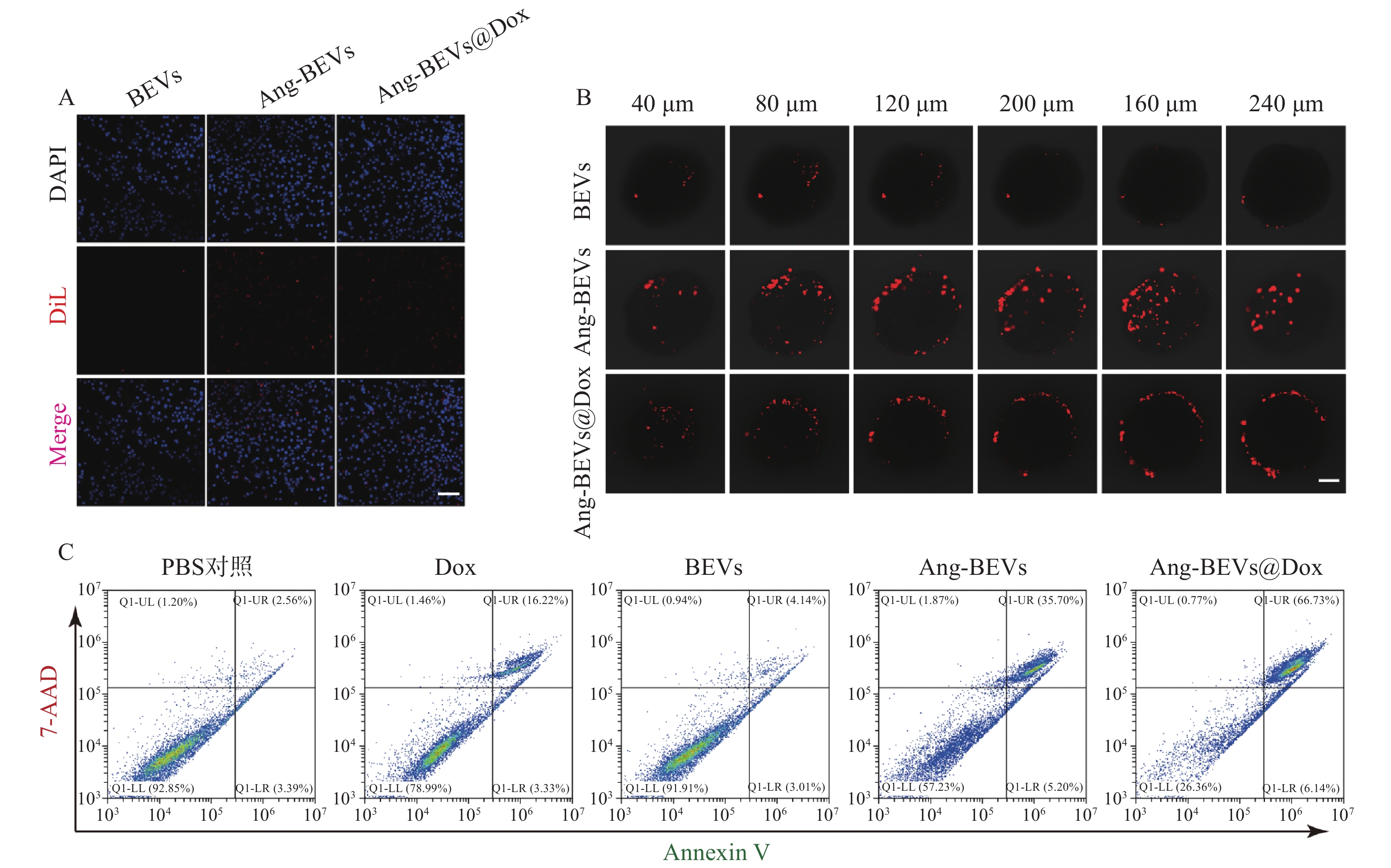
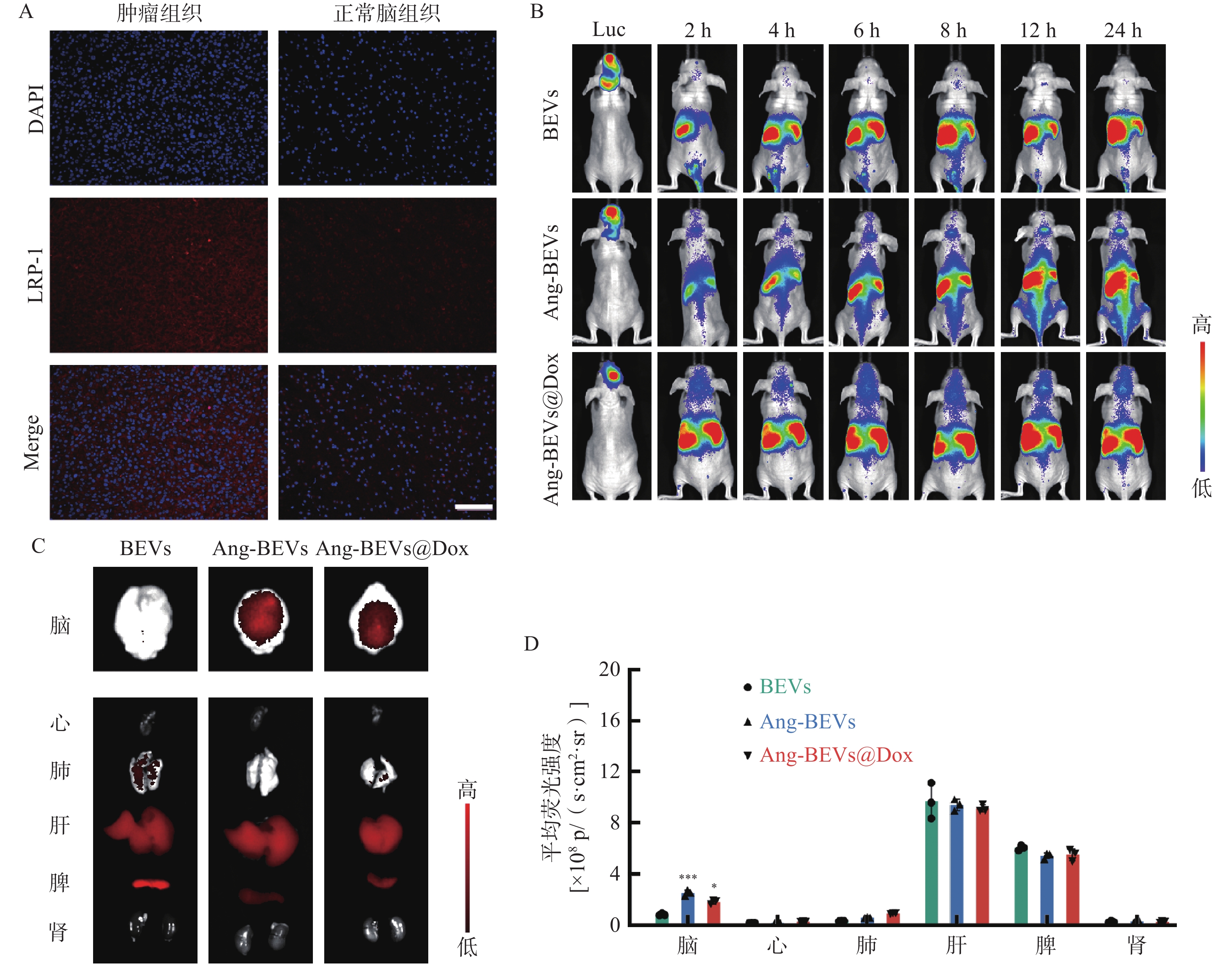
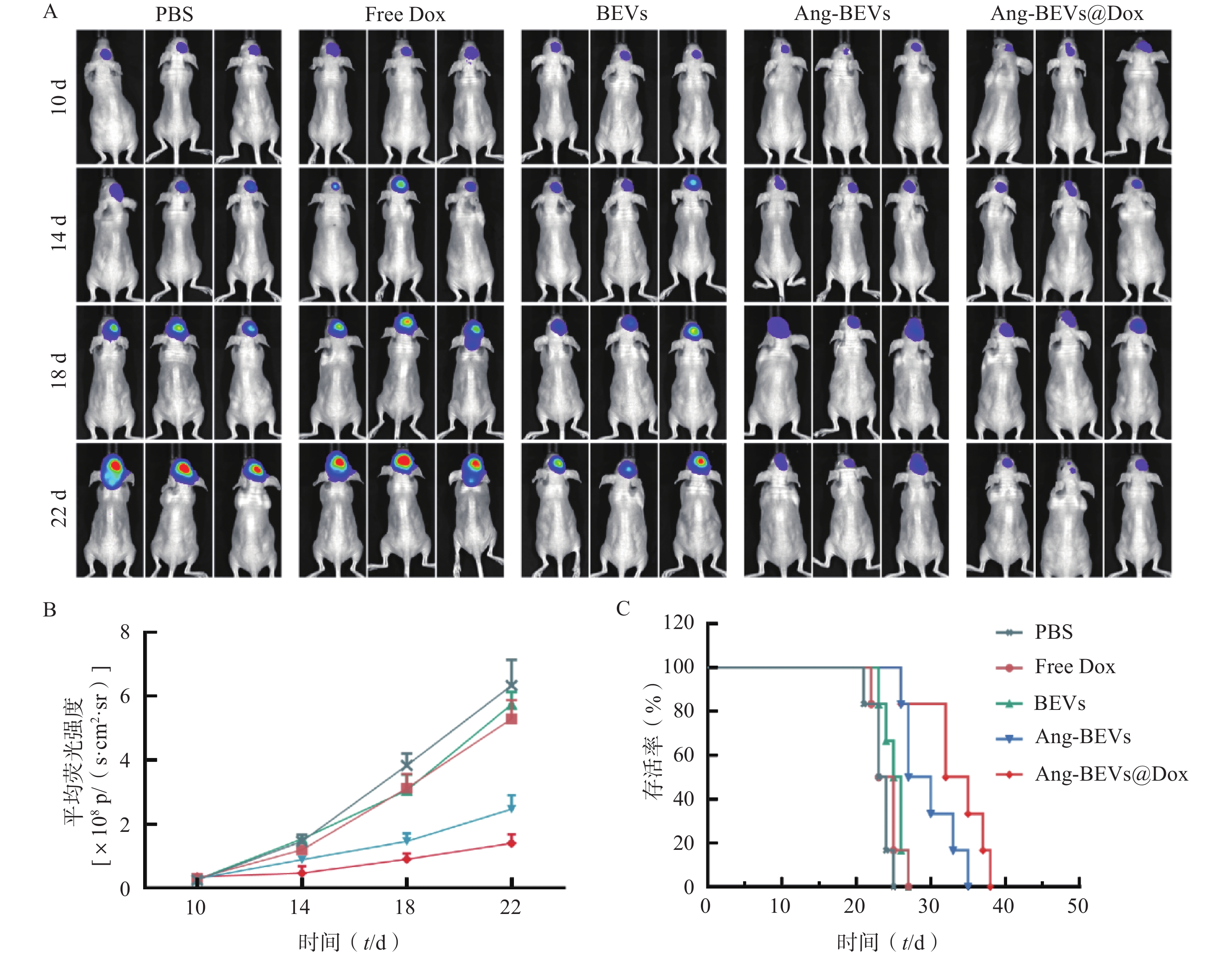
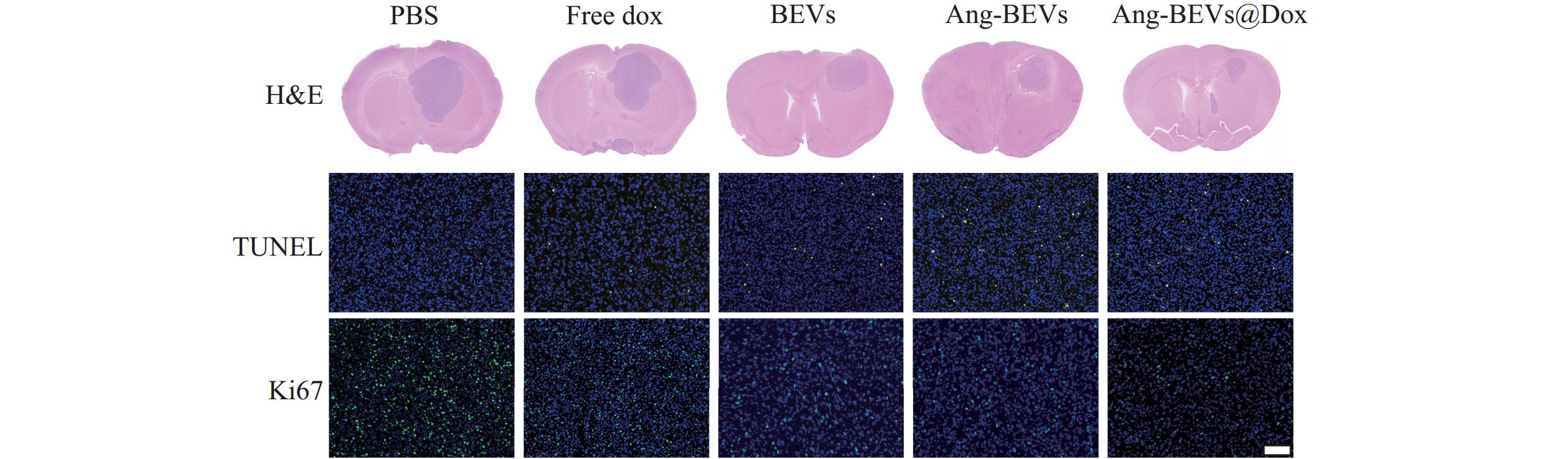
Objective To construct a targeted drug delivery system, Ang-BEVs@Dox, based on Angiopep-2 peptide-modified bacterial extracellular vesicles (BEVs) loaded with doxorubicin (Dox), overcome the challenges of blood-brain barrier (BBB) penetration and systemic toxicity in chemotherapy for glioblastoma (GBM), enhance drug targeting to brain tumors and reduce its toxic side effects. Methods BEVs derived from Escherichia coli were isolated using ultracentrifugation. The targeting ligand Angiopep-2, specific for the LRP-1 receptor, was conjugated onto the surface of BEVs to construct the targeted carrier (Ang-BEVs). Dox was loaded into Ang-BEVs using low-frequency sonication to form Ang-BEVs@Dox. The physicochemical properties (morphology and size) of the carriers were characterized by transmission electron microscopy (TEM) and dynamic light scattering (DLS). The BBB-penetrating capability, in vitro/in vivo anti-tumor efficacy, and biosafety of the system were evaluated using cellular uptake assays, 3D tumor spheroid models, and orthotopic tumor-bearing mouse models. Results ① Carrier characterization and in vitro efficacy: Ang-BEVs@Dox exhibited a particle size of approximately 100 nm and maintained structural stability after Dox loading. It significantly enhanced cellular uptake efficiency in U87MG cells and achieved deep penetration within 3D tumor spheroids. Cytotoxicity assays demonstrated synergistic anti-tumor effects between the BEVs and Dox in the Ang-BEVs@Dox system. ② In vivo targeting and anti-tumor efficacy: In orthotopic tumor-bearing mouse models, Ang-BEVs@Dox effectively penetrated the BBB and significantly inhibited tumor growth, extending the median survival time of tumor-bearing mice to 33.5 days (compared to 23.5 days in the blank control group, P<0.001). Immunohistochemical analysis revealed significant suppression of the tumor cell proliferation marker Ki-67 and enhancement of the apoptosis marker TUNEL staining signals. ③ Biosafety: Major organs from mice in the Ang-BEVs@Dox treatment group showed no observable pathological damage, indicating good biosafety. Conclusion This study successfully constructed an Angiopep-2 peptide-modified engineered BEVs delivery system (Ang-BEVs@Dox). Through Angiopep-2-mediated BBB penetration and tumor targeting, it significantly enhanced the accumulation and therapeutic efficacy of BEVs at the GBM site. This method combined efficient delivery, low systemic toxicity, and clinical translation potential, which provided an innovative solution to overcome the therapeutic bottleneck in GBM treatment.
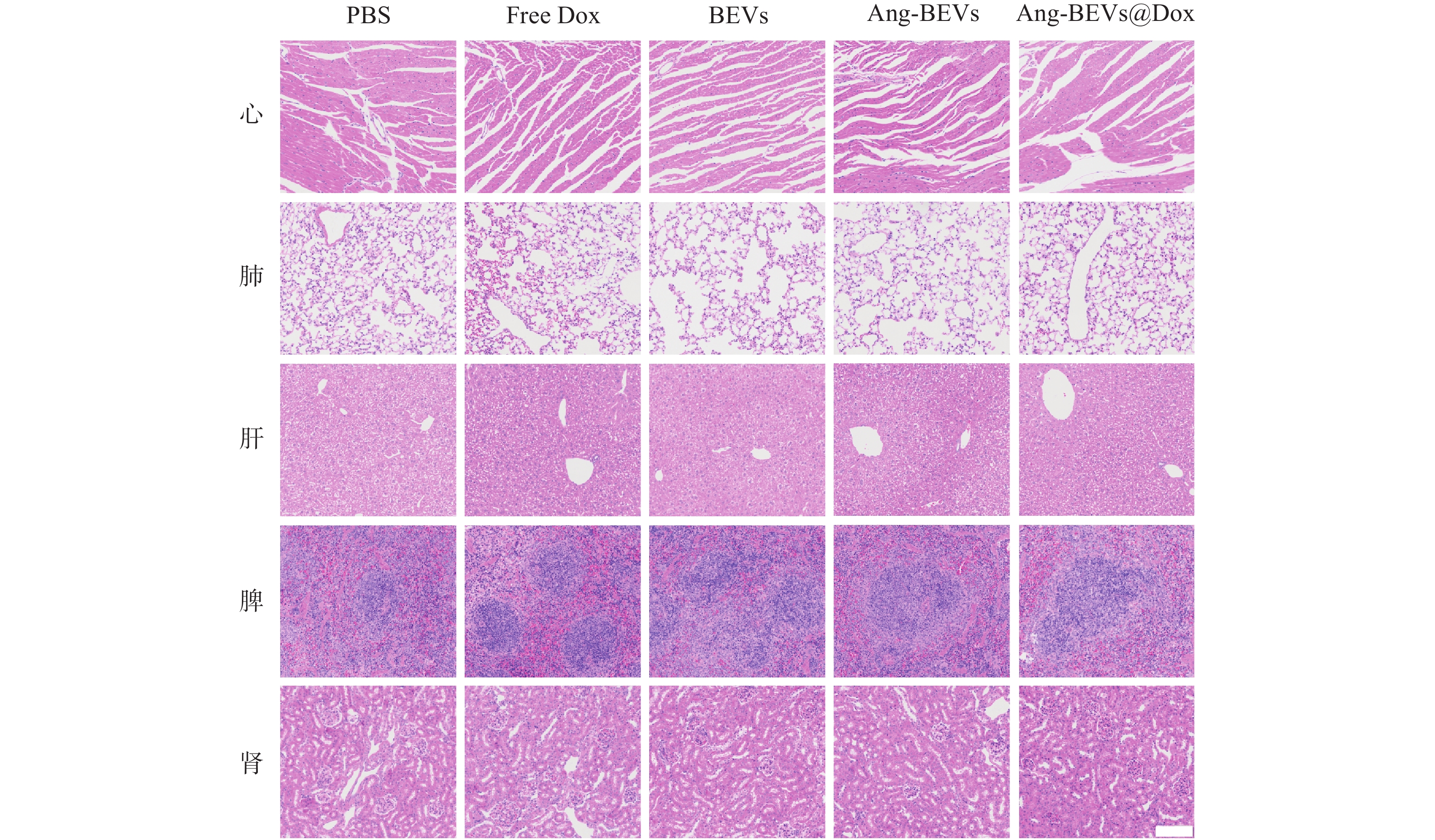
2025, 43(10): 491-495.
doi: 10.12206/j.issn.2097-2024.202506008
Abstract:
Objective To investigate the effects of the H3 receptor inverse agonist pitolisant on wakefulness and cognitive behavior in mice subjected to sleep deprivation, and assess its potential wake-promoting and pro-cognitive properties. Methods A mouse model of sleep deprivation was utilized, in which sleep deprivation was performed for 6, 12, and 24 h by an automatic rotating rod system. Pitolisant (20 mg/kg, i.p.) or saline control was administered prior to the end of deprivation. Quantitative wakefulness was monitored by polysomnographic recordings and spontaneous locomotion, spatial learning and memory were assessed through open field test and Morris water maze test, respectively. Results Pitolisant significantly increased wake duration after all sleep deprivation periods, with the most prominent effect observed in the early recovery phase. In the 24 h deprivation model, pitolisant also significantly improved spontaneous locomotor activity and showed a potential enhancement of spatial learning and memory, although the effects did not reach statistical significance. Conclusion Pitolisant not only enhanced wakefulness but also showed partial pro-cognitive effects following sleep loss, which supported its potential application in improving cognitive impairment associated with various sleep disorders.
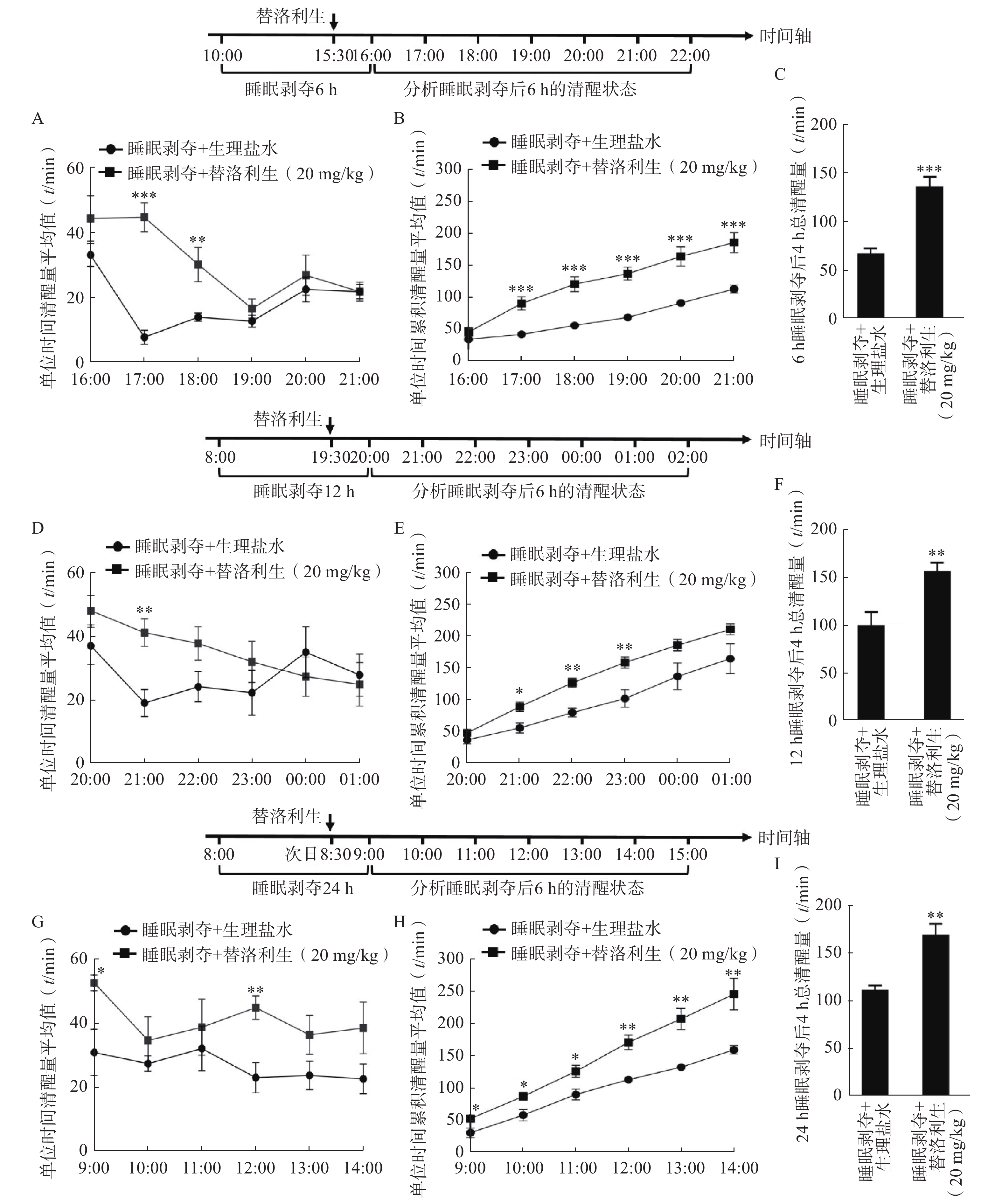
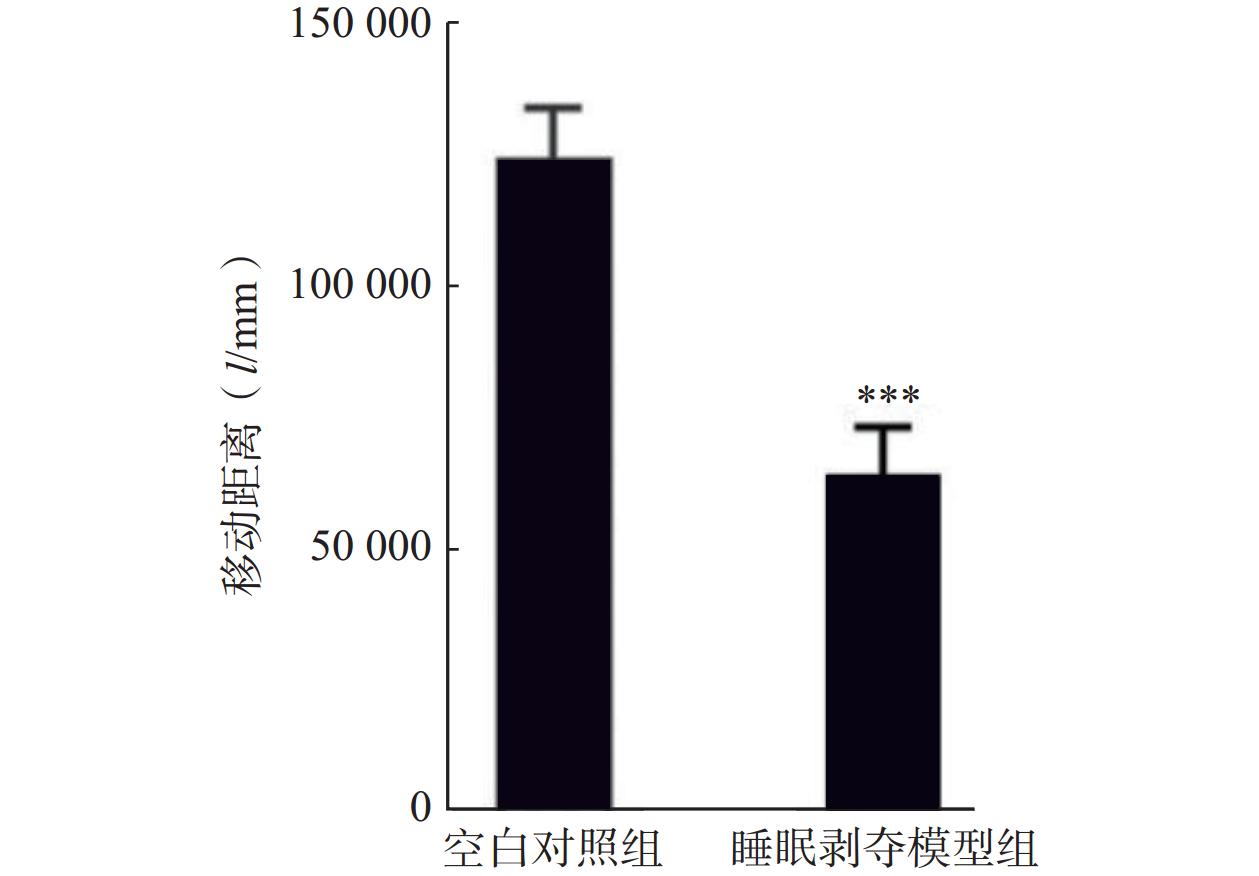
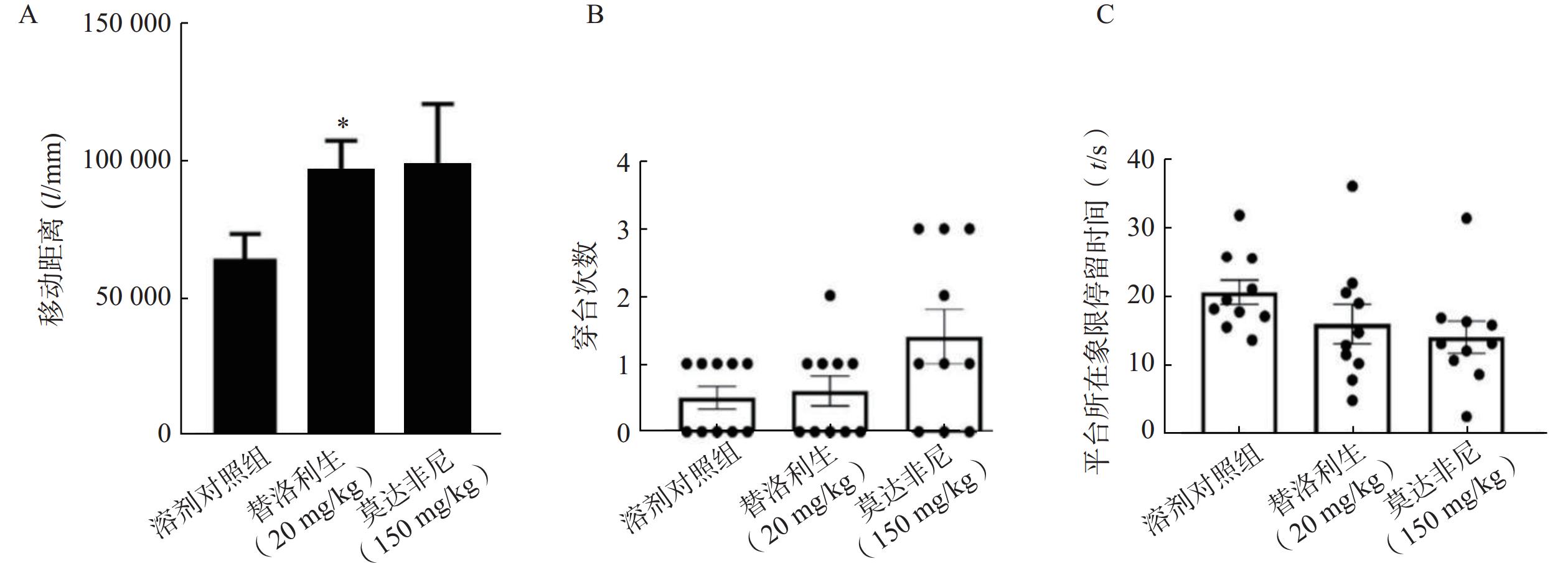
2025, 43(10): 496-502.
doi: 10.12206/j.issn.2097-2024.202504070
Abstract:
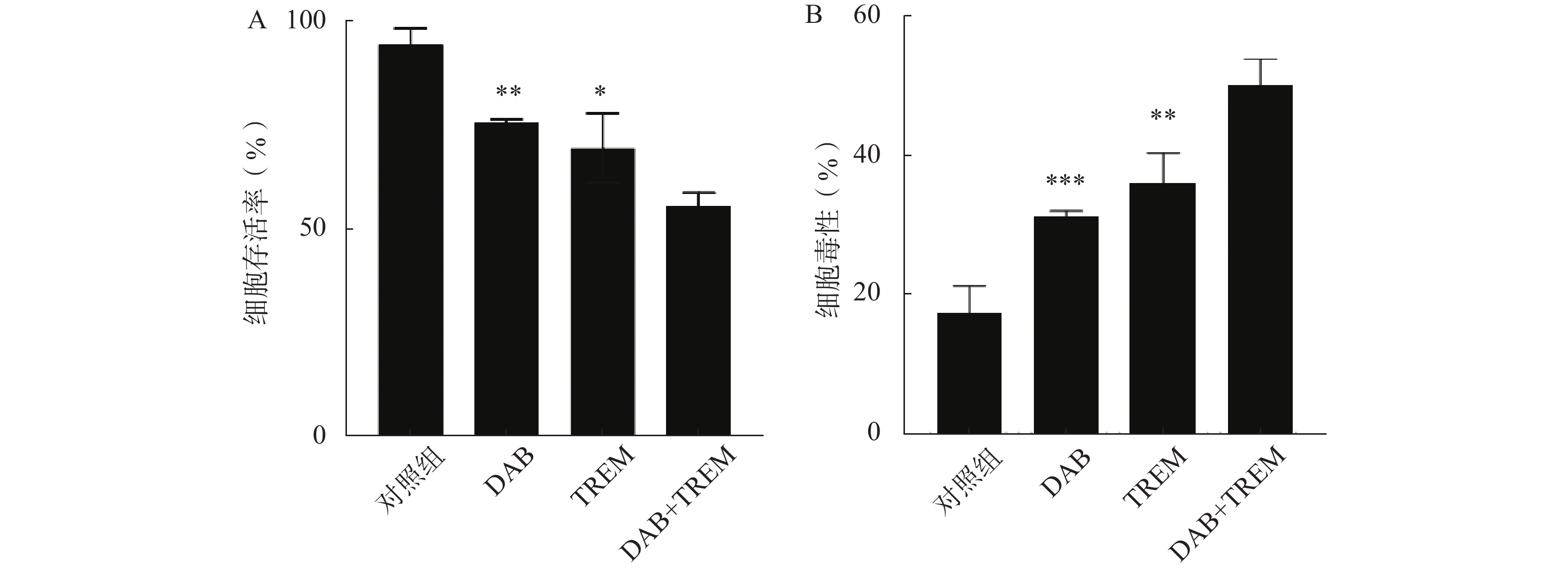
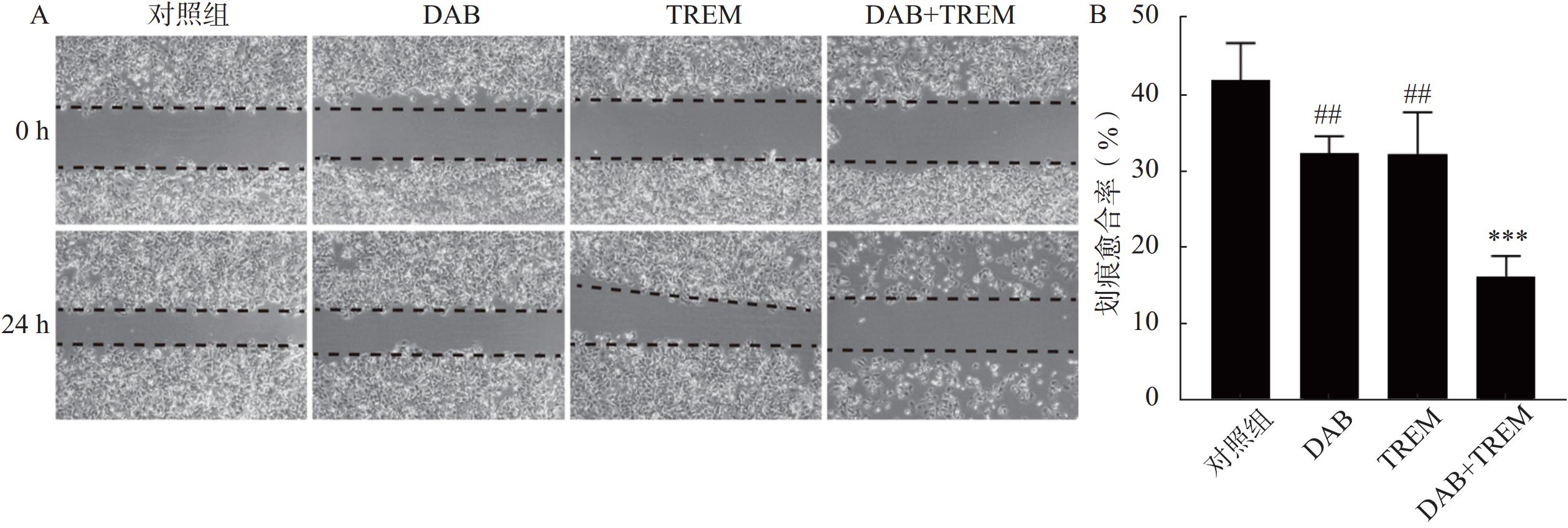
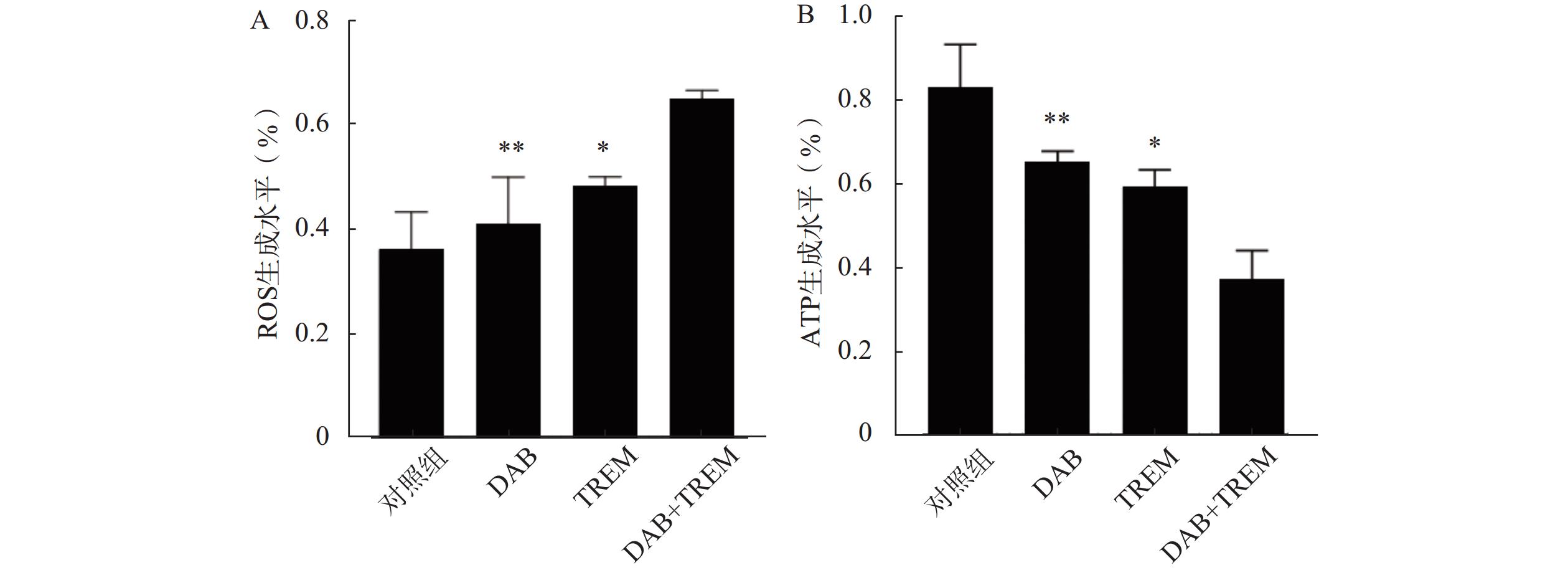
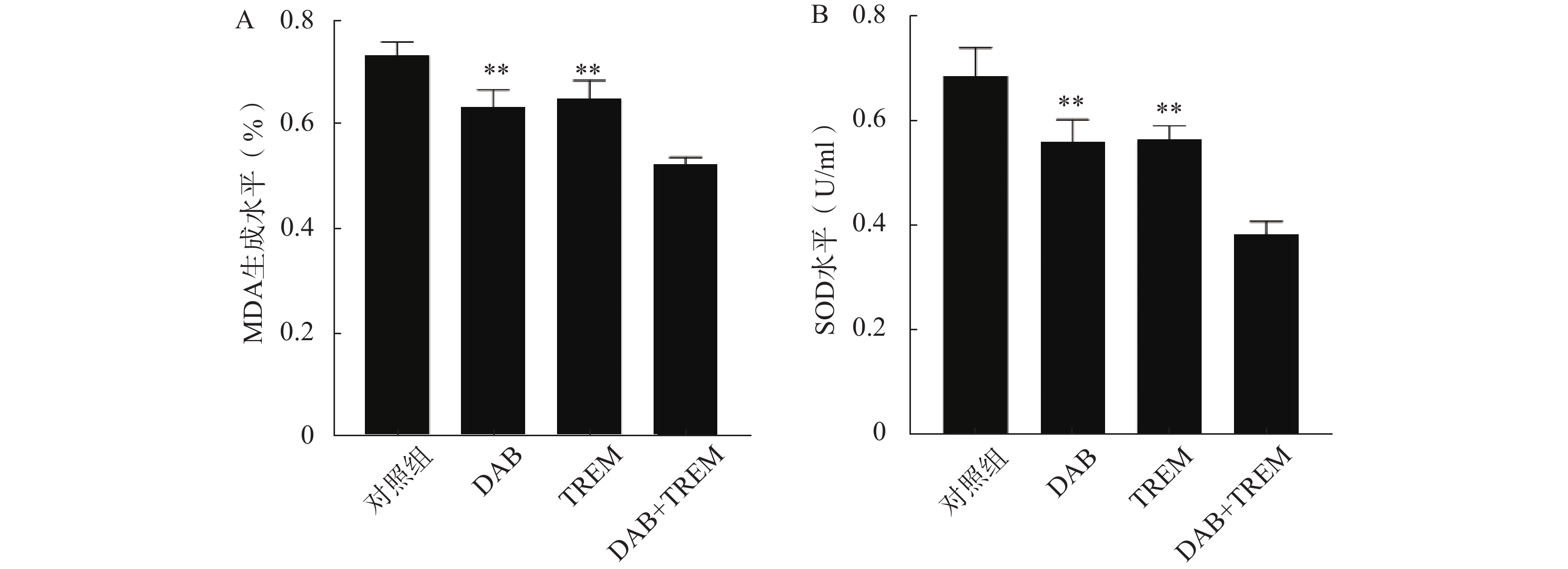
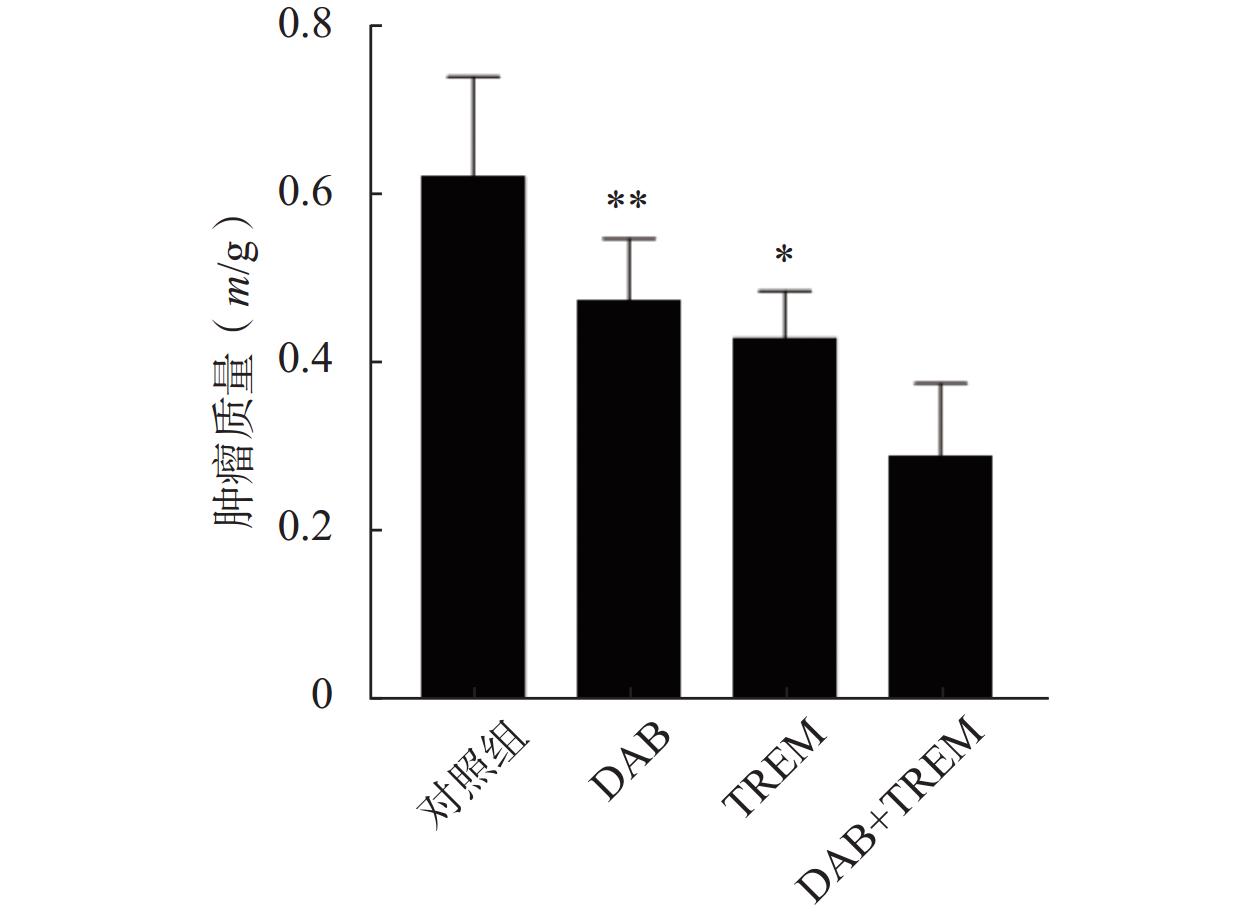
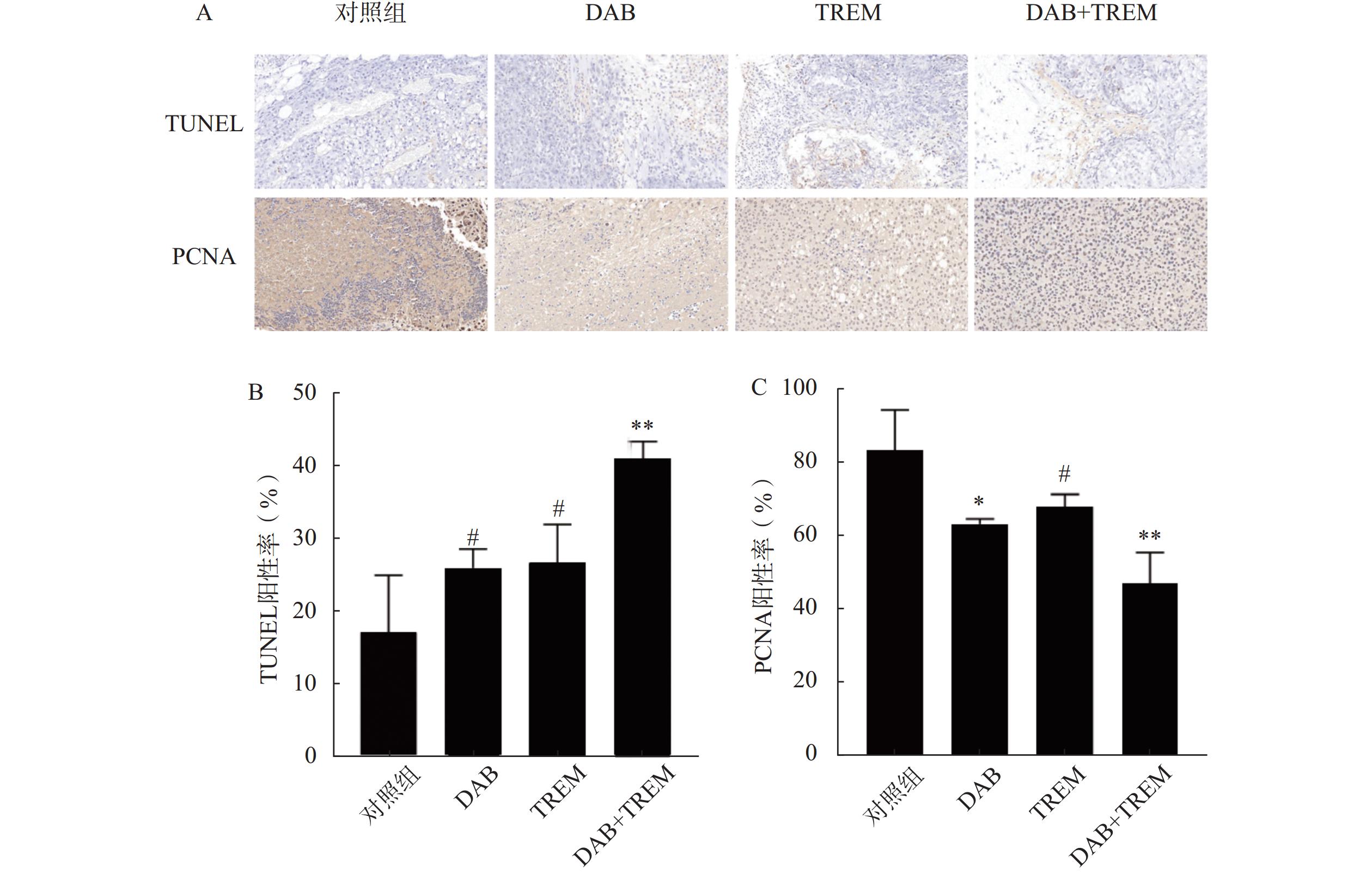
Objective To investigate the effect and mechanism of dabrafenib (DAB) combined with tremelimumab (TREM) on melanoma. Methods The effects of DAB combined with TREM on cell viability, cytotoxicity and cell migration of A375 cells were evaluated by Cell Counting Kit-8 (CCK-8) method, lactate dehydrogenase (LDH) method and scratch assay. The levels of reactive oxygen species (ROS), adenosine triphosphate (ATP), malondialdehyde (MDA), and superoxide dismutase (SOD) were detected to evaluate the effects of combined drugs on oxidative stress and energy metabolism. In addition, A375 tumor-bearing nude mice model was used to evaluate the inhibitory effect of the combined treatment on tumor growth in vivo, and the degree of cell apoptosis and cell proliferation in tumor tissues were analyzed by terminal deoxynucleotidyl transferase-mediated dutP Nick end labeling (TUNEL) and proliferating cell nuclear antigen (PCNA) immunohistochemical staining. Results The combined treatment significantly inhibited the survival rate and migration ability of A375 cells and enhanced the cytotoxicity. The combined intervention also significantly increased ROS level, decreased ATP, SOD and MDA levels. It effectively inhibited tumor growth in tumor-bearing nude mice, increased the apoptosis rate of tumor cells and inhibited cell proliferation. Conclusion DAB combined with TREM may improve the therapeutic effect of melanoma by enhancing oxidative stress, inhibiting energy metabolism, and promoting cell apoptosis. This combination therapy may provide a new therapeutic strategy to overcome the limitations of singledrug therapy.
2025, 43(10): 503-508.
doi: 10.12206/j.issn.2097-2024.202502045
Abstract:
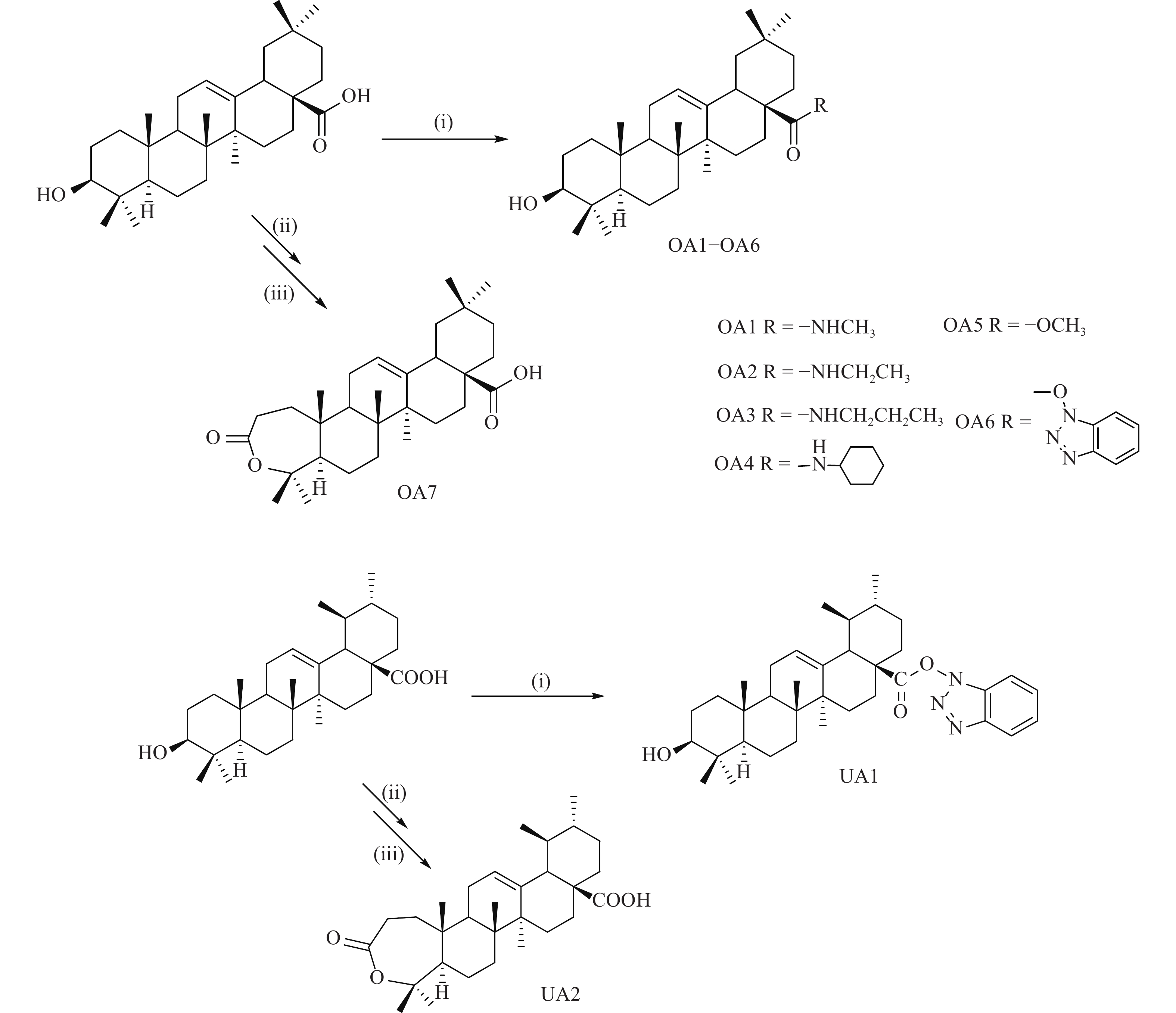
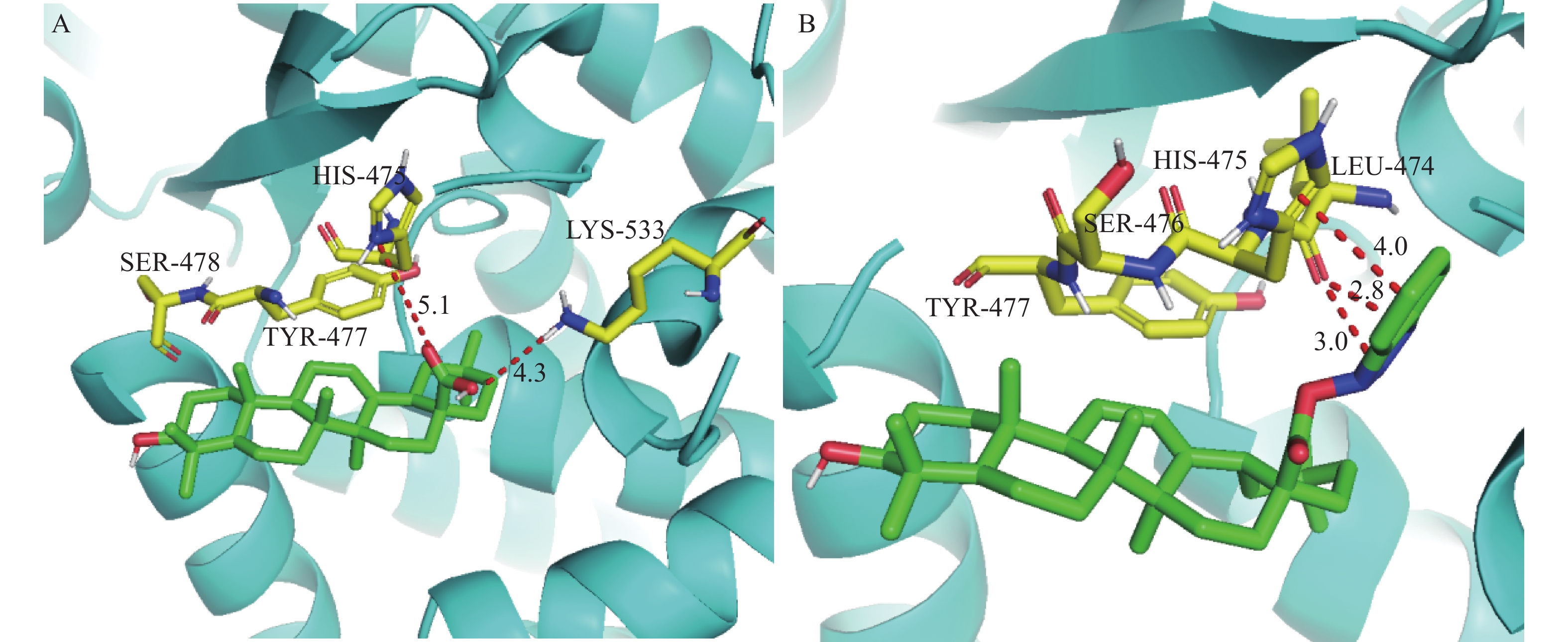
Objective To design and synthesize derivatives of oleanolic acid and ursolic acid, and investigate their anti-hepatitis C virus (HCV) activity along with that of common triterpenoid acids. To explore the structure-activity relationship and provide a reference for the research of anti-HCV drugs derived from natural products through obtaining compounds with higher activity. Methods Oleanolic acid and ursolic acid were directly reacted with corresponding amines using PyBOP as a condensing agent in the presence of DIEA. Alternatively, the target compounds were prepared through PCC oxidation followed by the Baeyer-Villiger reaction catalyzed by m-CPBA. In vitro anti-HCV activity was tested using the HCVcc infection model. Molecular docking was performed by Autodock software to investigate the interaction between the active compounds and HCV NS5B. Results Oleanolic acid, glycyrrhetinic acid, ursolic acid, and asiatic acid all exhibited certain anti-HCV effects. Specifically, oleanolic acid derivatives OA2-OA4, OA6, and OA7, as well as ursolic acid derivatives UA1 and UA2, demonstrated superior anti-HCV activity compared to their parent compounds. Preliminary structure-activity relationship analysis revealed that introducing a bulky group to 28-COOH of oleanolic acid and ursolic acid enhanced their activity. Molecular docking results demonstrated that the active compounds could stably bind to HCV NS5B, thereby exhibiting antiviral activity. Conclusion Pentacyclic triterpenoids possessed anti-HCV effects, and their derivatives coud be synthesized to obtain more active compounds. The anti-HCV mechanism of these compounds may be associated with their inhibition of NS5B.

2025, 43(10): 509-513.
doi: 10.12206/j.issn.2097-2024.202312040
Abstract:
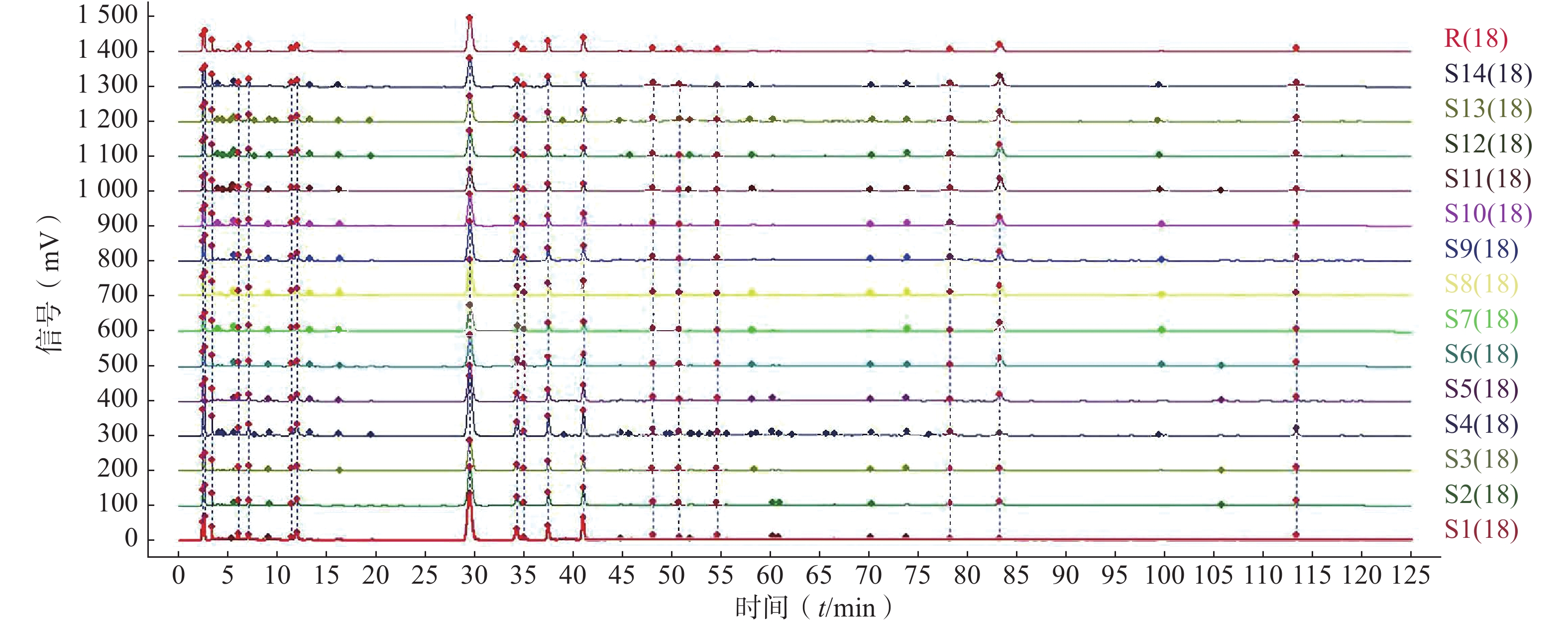
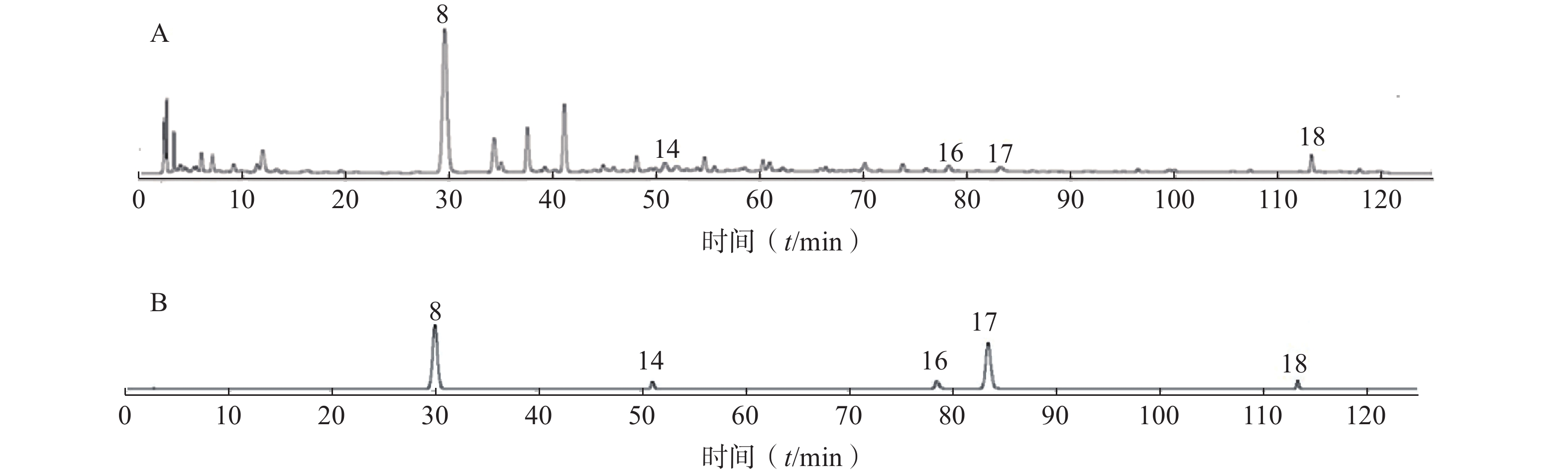
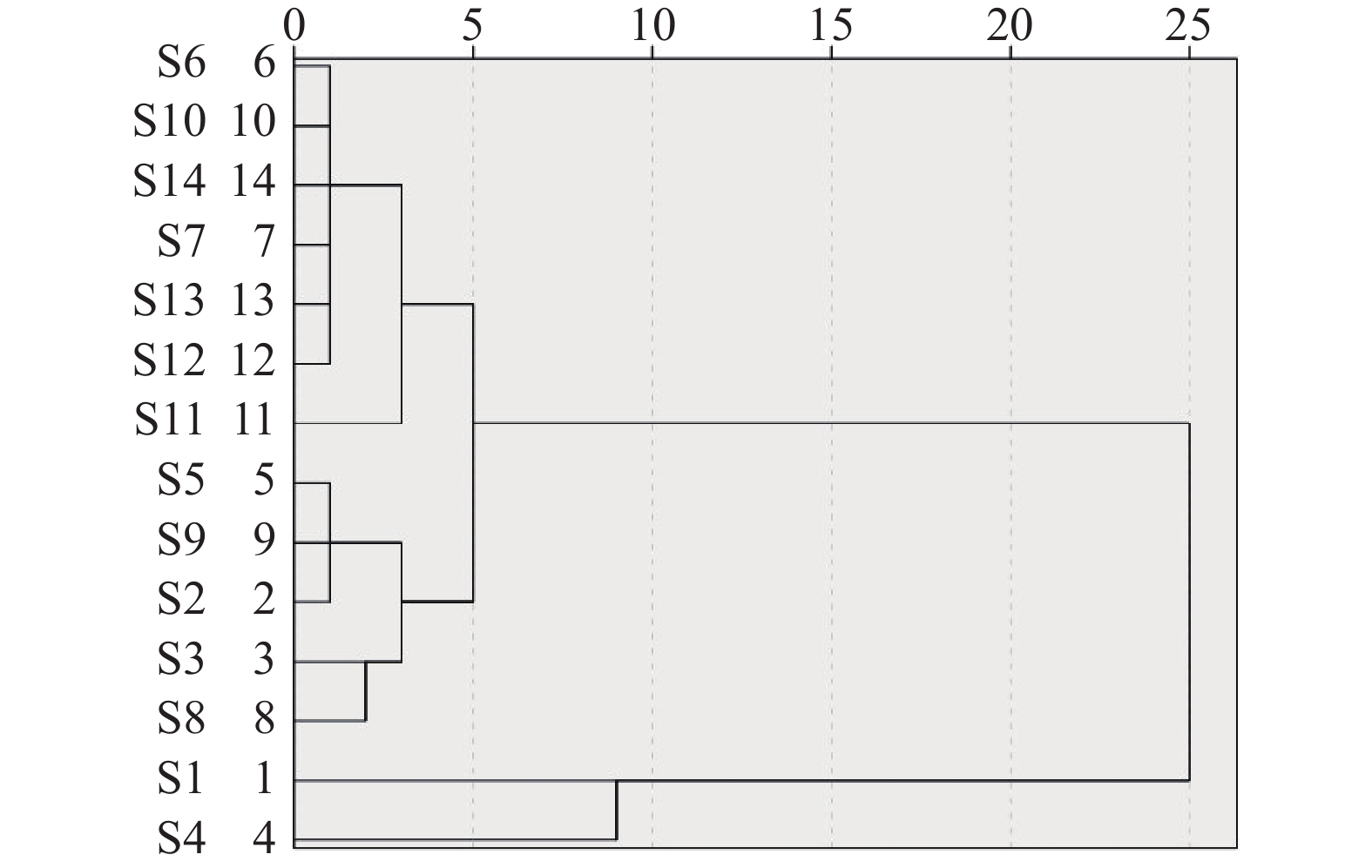
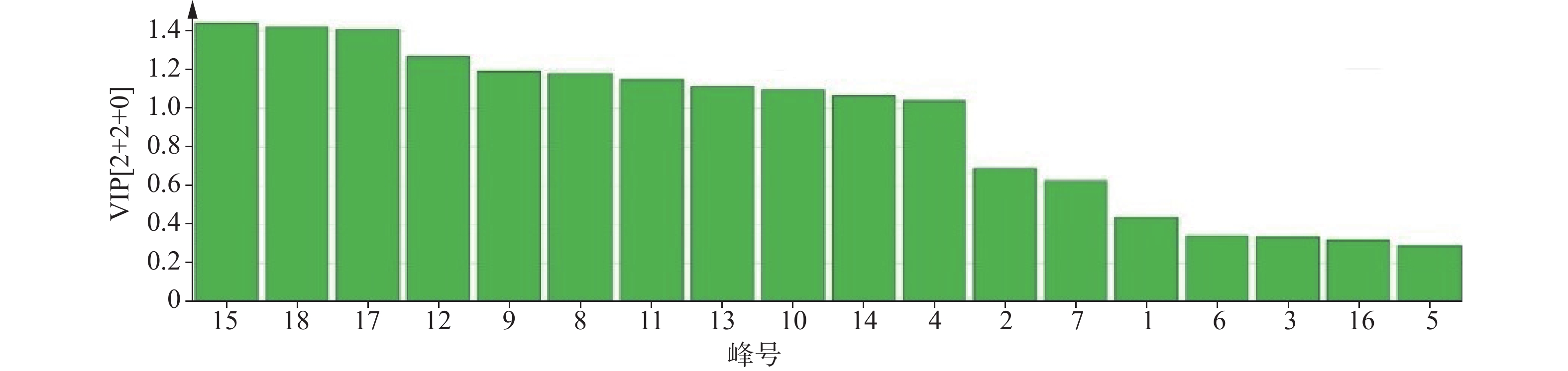
Objective To establish the fingerprint of Jianggui granules, and evaluate it by chemometrics. Methods The fingerprint of Jianggui granules was established by HPLC. Similarity evaluation system of chromatographic fingerprint of TCM (2012 edition) was used to evaluate the similarity evaluation. Then, the quality of the drug was assessed by cluster analysis (CA), principal components analysis (PCA) and partial least squares discriminant analysis (PLS-DA). Results The characteristic fingerprint of Jianggui granules was established and 18 common peaks were verified. Five chromatographic peaks were identified, i.e. Puerarin, glycyrrhizin, cinnamic acid, cinnamaldehyde and ammonium glycyrrhizinate. The similarities of samples were >0.9. Results of CA showed that 14 batches of samples could be classified into two categories: S1 and S4 were grouped into one category; others were grouped into the other category. The results of PCA showed that the cumulative contribution rate of the first two principal components was 96.61%. The results of OPLS-DA showed that the eleven peaks with VIP value >1 were puerarin (peak 8), glycyrrhizin (peak 14), cinnamaldehyde (peak 17) and ammonium glycyrrhizinate (peak 18). Conclusion HPLC fingerprint of Jianggui granules was established. The established method was accurate and reliable, which could be used in quality evaluation of Jianggui granules.
2025, 43(10): 514-518, 524.
doi: 10.12206/j.issn.2097-2024.202402037
Abstract:
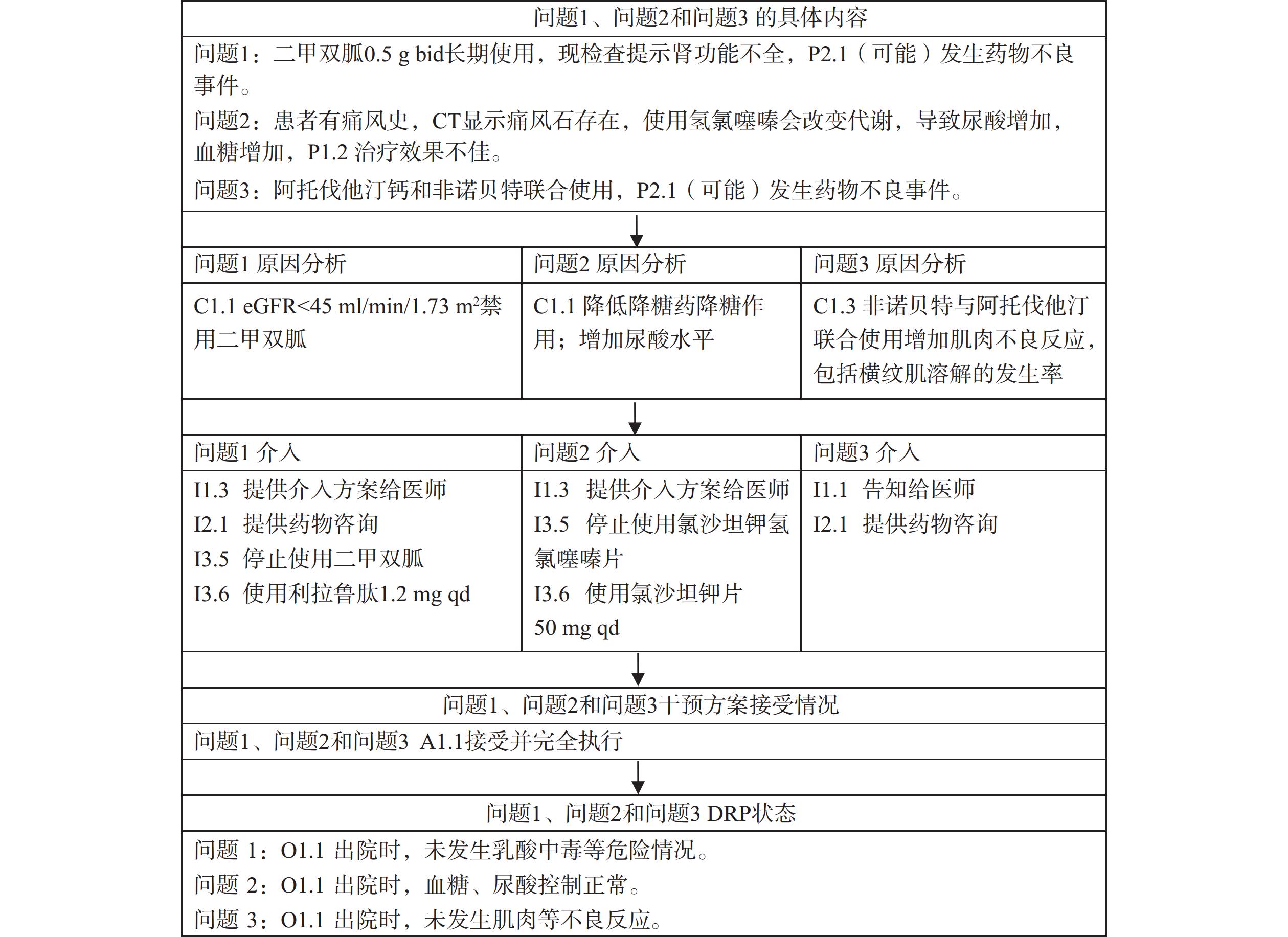
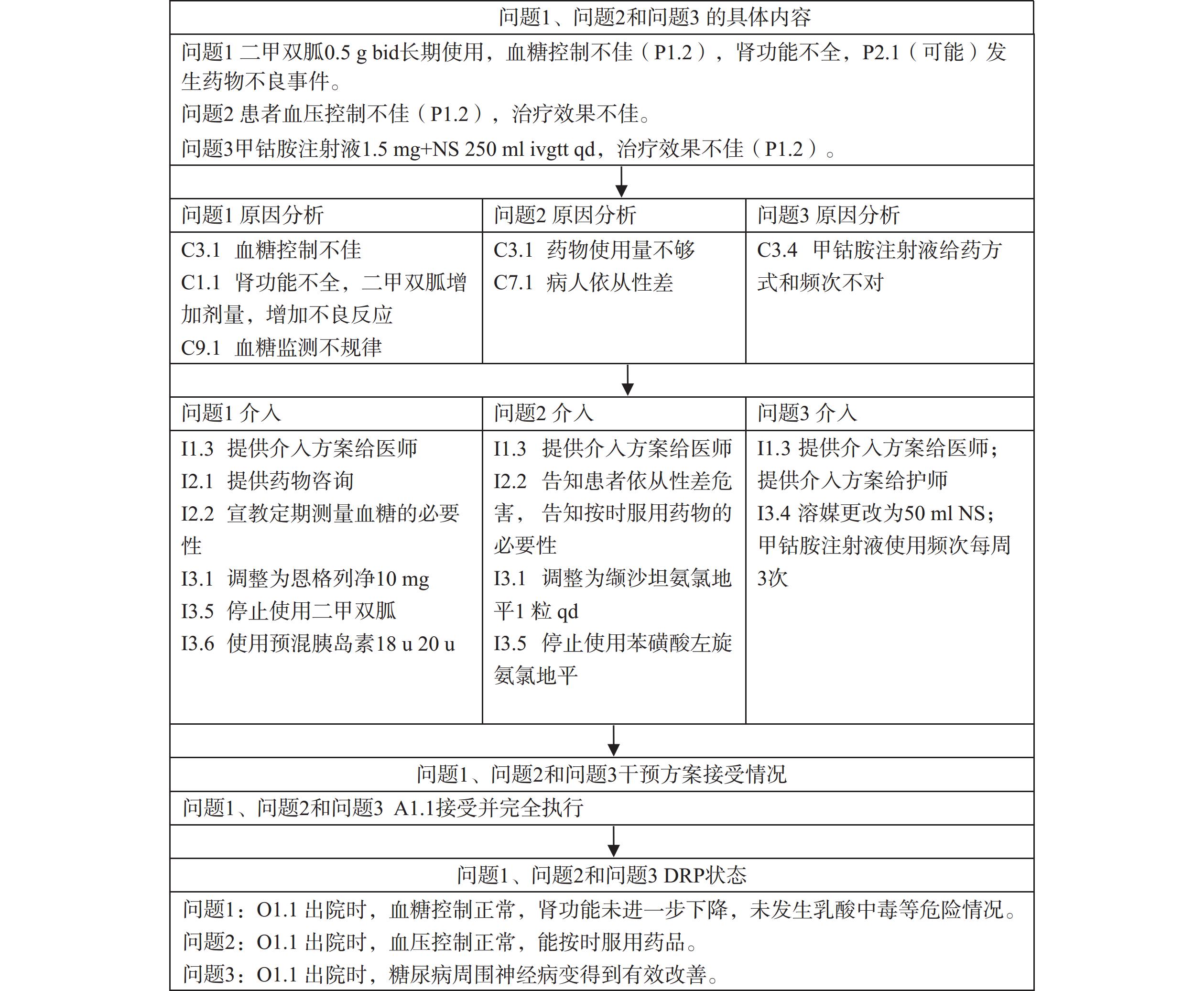
Objective To explore the practical effect of clinical pharmacists carrying out the comprehensive medication management (CMM) in patients with diabetes. Methods According to the American CMM care process, 2 patients with diabetes were taken as examples, clinical pharmacists collected relevant drug information of the patients, assessed drug-related problems (DRPs) with the help of the European Medicine and Healthcare Network (PCNE) classification system, proposed relevant intervention plans, and tracked the final solution of DRPs. Results Clinical pharmacists identified DRPs in a diabetic patient by collecting medication information. Using the PCNE classification tool, causes such as poor medication adherence, insufficient self-monitoring of blood glucose, and improper protective measures during intravenous medication administration were analyzed. Through collaborative interventions with physicians, nurses, and patients, all DRPs were effectively resolved. Conclusion Clinical pharmacists run the CMM pharmaceutical care process, which could provide professional comprehensive drug management services for chronic disease patients, improve the work efficiency of clinical pharmacists in pharmaceutical care, and ensure the safety and effectiveness of patients’ drug treatment.
2025, 43(10): 519-524.
doi: 10.12206/j.issn.2097-2024.202309019
Abstract:
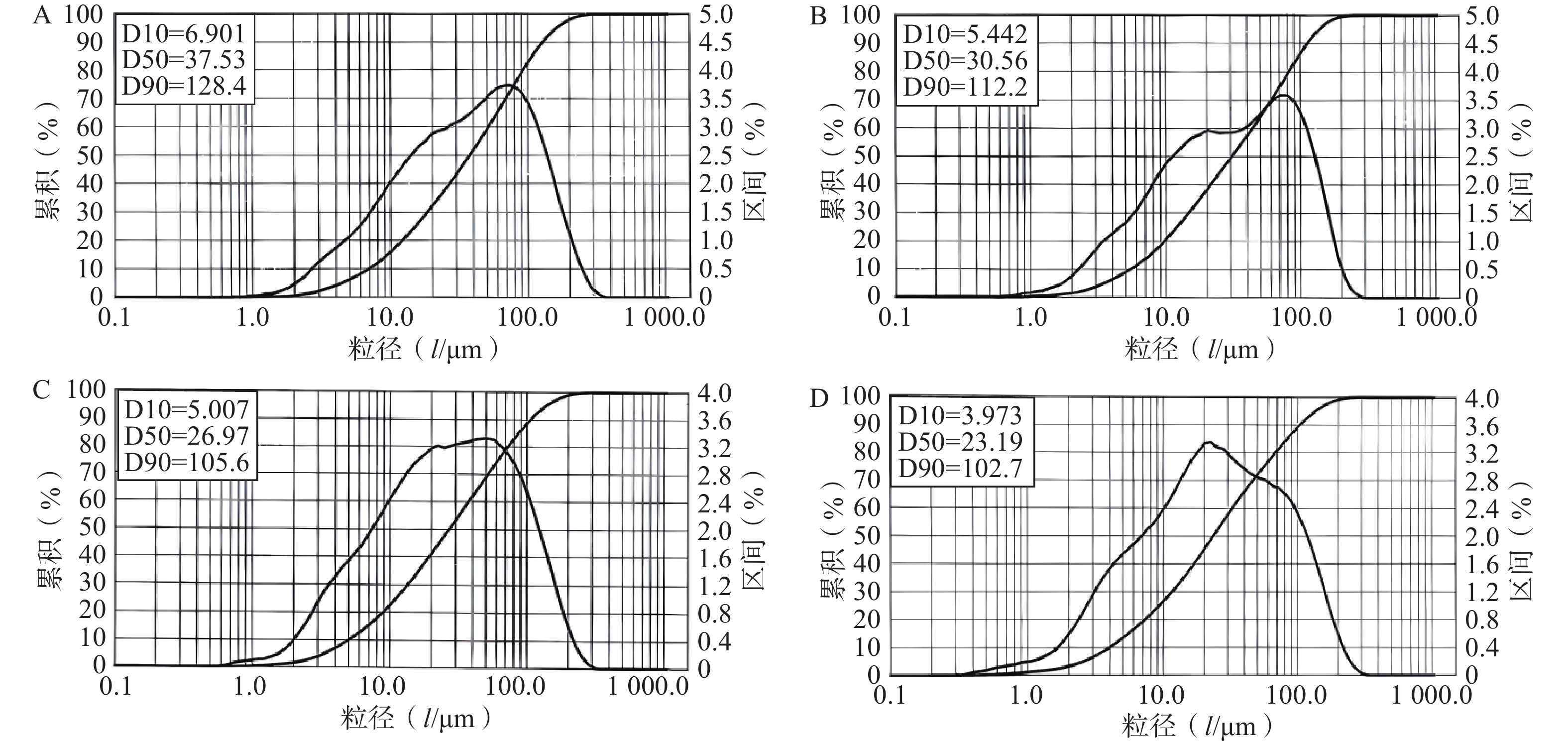
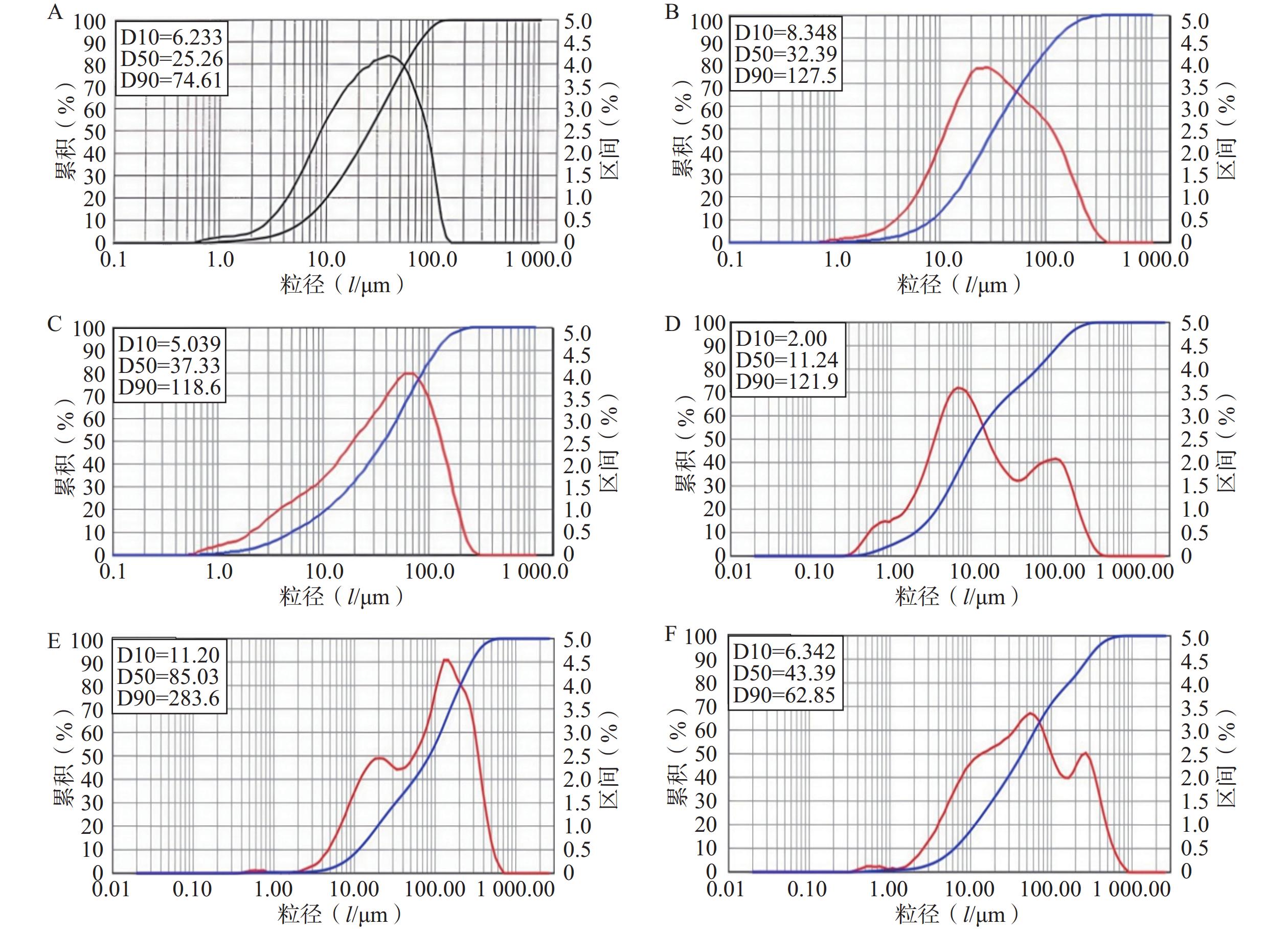
Objective To investigate the particle size of traditional Chinese medicine (TCM) ointments in various hospitals. Methods The powders of 7 varieties of externally-applied TCM ointments from Longhua Hospital, Shanghai University of Traditional Chinese Medicine (our hospital) were subjected to comminution processes. Each variety was separately processed by a universal grinder, a hammer mill, and a jet mill, yielding a total of 21 samples. The particle sizes of these 21 samples from our hospital, along with 6 samples obtained from 6 other hospitals, were measured by employing a Bettersize2 laser particle size analyzer and microscopic examination. Results The volume-based average particle size of 21 samples from our hospital ranged from 3.34 to 52.53 μm, while that of 6 samples from other hospitals ranged from 38.59 to 118.50 μm. Notably, the particle size of samples processed by jet milling could be reduced by 12% to 86% compared with those processed by universal mechanical crushing. Microscopic observation revealed that particles larger than 180 μm were detected in 17 samples from our hospital and all 6 samples from other hospitals. Conclusion Compared with universal grinder sample and hammer grinder, jet mill could reduce the average particle size of powder. However, the increasement in pulverization time and loss of pulverization were substantial. Furthermore, in accordance with the particle size requirements for ointments specified in the current Pharmacopoeia of the People's Republic of China (2020 Edition), particle size testing of TCM ointments remains challenging. Therefore, further data accumulation should be imperative to establish particle size standards for TCM ointments.
2025, 43(10): 525-528.
doi: 10.12206/j.issn.2097-2024.202403004
Abstract:
Objective To investigate the disease characteristics, potential drug interactions, and key points of pharmaceutical care in patients with inflammatory bowel disease and atrial fibrillation, so as to provide a reference for rational clinical medication use. Methods Through involvement in the pharmaceutical care of a patient with inflammatory bowel disease and atrial fibrillation, and by reviewing relevant literature, the clinical pharmacist assessed the rationality of the medication regimen, proposed medication reconciliation recommendations, and assisted the multidisciplinary team in optimizing the treatment plan. Results Following the intervention, the patient's inflammatory bowel disease-related symptoms were improved significantly, atrial fibrillation was effectively controlled, and no significant adverse drug reactions were observed. Conclusion There exists a complex bidirectional interaction between inflammatory bowel disease and atrial fibrillation in terms of pathological mechanisms and pharmacotherapy. Through individualized medication reconciliation and multidisciplinary pharmaceutical care, safe and effective long-term management of those patients can be achieved.
 Contribution System
 Author Login
 Review Login
 Editor Login
 Reader Login



 News
News