

2026 Vol. 46, No. 9
Display Method:
2026, 44(9): 437-441.
doi: 10.12206/j.issn.2097-2024.202411019
Abstract:
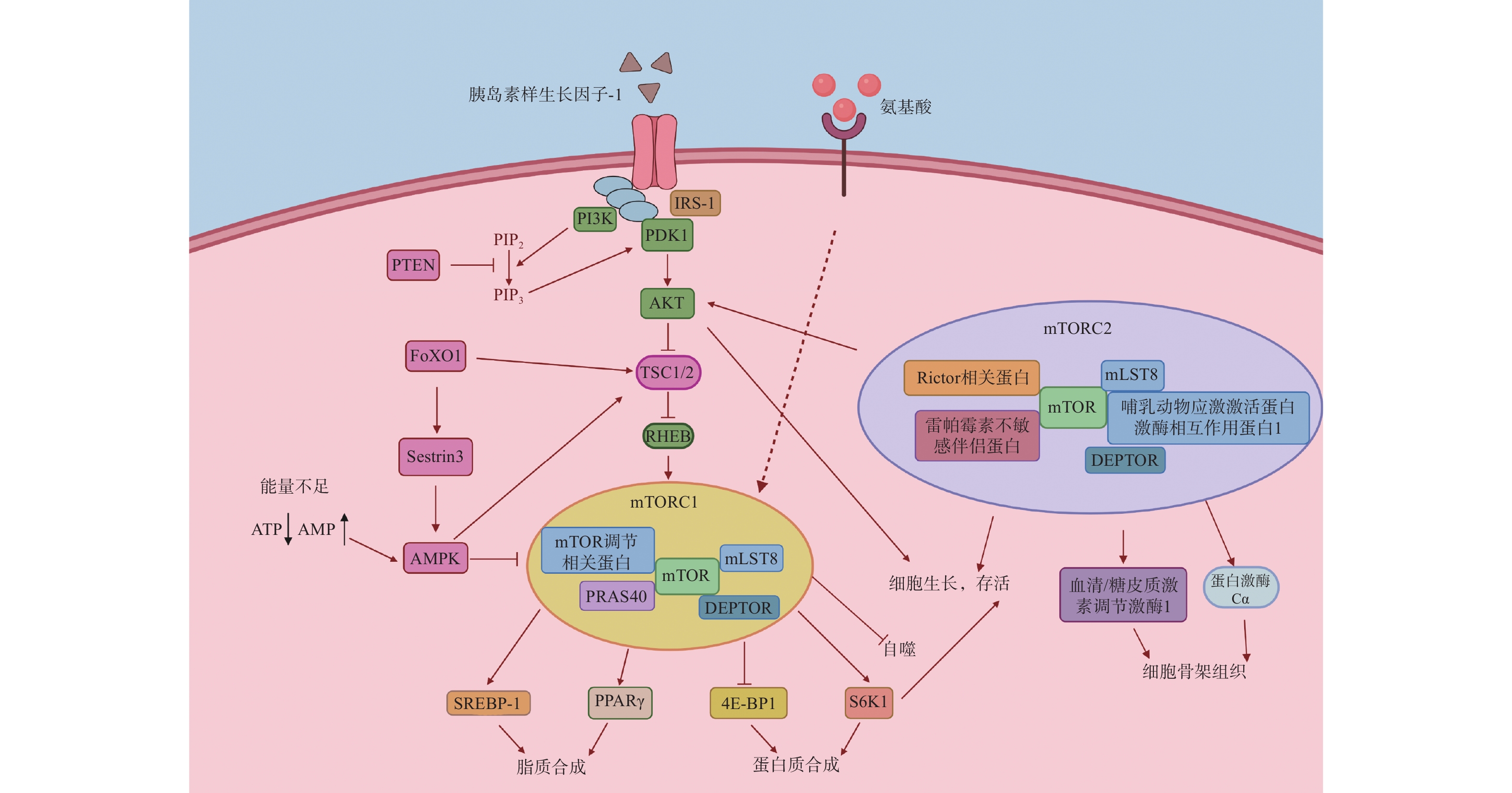
The mechanistic target of rapamycin (mTOR) is an important signaling functions as a central regulator of cell growth, proliferation and metabolism. Dysregulated mTOR signaling has been implicated in various inflammatory and hyperproliferative skin conditions. Emerging data suggest that mTOR signaling is tightly associated with acne pathogenesis. The regulatory mechanisms of the mTOR signaling pathway in the pathogenesis of acne were summarized and the current progress of therapeutic targeting mTOR pathway for acne were discussed in this paper.
The mechanistic target of rapamycin (mTOR) is an important signaling functions as a central regulator of cell growth, proliferation and metabolism. Dysregulated mTOR signaling has been implicated in various inflammatory and hyperproliferative skin conditions. Emerging data suggest that mTOR signaling is tightly associated with acne pathogenesis. The regulatory mechanisms of the mTOR signaling pathway in the pathogenesis of acne were summarized and the current progress of therapeutic targeting mTOR pathway for acne were discussed in this paper.
2026, 44(9): 442-446, 456.
doi: 10.12206/j.issn.2097-2024.202503007
Abstract:
As a commonly used clinical herb, Ligustri Lucidi Fructus is renowned for its effects in nourishing the liver and kidneys, improving vision, and darkening hair. Its preparation originated from the "steaming on rice" method in the Song Dynasty. After centuries of inheritance and development, it has evolved into the diverse processing techniques used today. Ancient methods primarily included cleaning, cutting, soaking, honey-roasting, and steaming, while baking-though documented-was not a mainstream practice. Modern techniques have inherited traditional approaches such as cleaning, steaming, and roasting, while diversifying into specifications like wine-steaming, wine-stewing, plain steaming, vinegar-steaming, salt-roasting, and ultra-fine granules. However, variations in critical parameters, such as auxiliary material ratios and steaming duration across regions, have led to inconsistencies in the quality of processed Ligustri Lucidi Fructus. Notably, region-specific methods warrant further exploration, as they may embody unique processing principles and advantages with potential value for enhancing efficacy and quality. By systematically reviewing the historical evolution and regional variations of processing techniques for Ligustri Lucidi Fructus, key issues such as inconsistent processing parameters were identified, which provided a reference for the standardization of processing procedures and the improvement of quality standards.
As a commonly used clinical herb, Ligustri Lucidi Fructus is renowned for its effects in nourishing the liver and kidneys, improving vision, and darkening hair. Its preparation originated from the "steaming on rice" method in the Song Dynasty. After centuries of inheritance and development, it has evolved into the diverse processing techniques used today. Ancient methods primarily included cleaning, cutting, soaking, honey-roasting, and steaming, while baking-though documented-was not a mainstream practice. Modern techniques have inherited traditional approaches such as cleaning, steaming, and roasting, while diversifying into specifications like wine-steaming, wine-stewing, plain steaming, vinegar-steaming, salt-roasting, and ultra-fine granules. However, variations in critical parameters, such as auxiliary material ratios and steaming duration across regions, have led to inconsistencies in the quality of processed Ligustri Lucidi Fructus. Notably, region-specific methods warrant further exploration, as they may embody unique processing principles and advantages with potential value for enhancing efficacy and quality. By systematically reviewing the historical evolution and regional variations of processing techniques for Ligustri Lucidi Fructus, key issues such as inconsistent processing parameters were identified, which provided a reference for the standardization of processing procedures and the improvement of quality standards.
2026, 44(9): 447-456.
doi: 10.12206/j.issn.2097-2024.202502021
Abstract:
Hippophae rhamnoides is a plant with both medicinal and edible properties, rich in nutritional value and biological activity, and has a long history of medicinal use. It is rich in various chemically active components, mainly including flavonoids, polysaccharides, vitamins, and fatty acids. In recent years, extensive research has been conducted on the chemically active components of sea buckthorn both at home and abroad. By comparing different extraction methods of various components, it has been found that different extraction methods affect the chemical structure of Hippophae rhamnoides extracts, and thus influence their pharmacological activities. Studies have shown that Hippophae rhamnoides has significant pharmacological effects in cardiovascular diseases, obesity and overweight, liver diseases, immune regulation diseases, gastrointestinal diseases and so on, with multiple pharmacological activities such as antioxidation, anti-inflammation, lipid-lowering, and blood sugar-lowering. Its development and application value in the fields of health food and medicine is immeasurable. The different chemical components of Hippophae rhamnoides, their extraction and analysis methods were systematically reviews, as well as the research progress on its main pharmacological effects and mechanisms, which could provide a reference basis for the further development and application of Hippophae rhamnoides resources.
Hippophae rhamnoides is a plant with both medicinal and edible properties, rich in nutritional value and biological activity, and has a long history of medicinal use. It is rich in various chemically active components, mainly including flavonoids, polysaccharides, vitamins, and fatty acids. In recent years, extensive research has been conducted on the chemically active components of sea buckthorn both at home and abroad. By comparing different extraction methods of various components, it has been found that different extraction methods affect the chemical structure of Hippophae rhamnoides extracts, and thus influence their pharmacological activities. Studies have shown that Hippophae rhamnoides has significant pharmacological effects in cardiovascular diseases, obesity and overweight, liver diseases, immune regulation diseases, gastrointestinal diseases and so on, with multiple pharmacological activities such as antioxidation, anti-inflammation, lipid-lowering, and blood sugar-lowering. Its development and application value in the fields of health food and medicine is immeasurable. The different chemical components of Hippophae rhamnoides, their extraction and analysis methods were systematically reviews, as well as the research progress on its main pharmacological effects and mechanisms, which could provide a reference basis for the further development and application of Hippophae rhamnoides resources.
2026, 44(9): 457-462.
doi: 10.12206/j.issn.2097-2024.202210036
Abstract:
With the aging of the population, Alzheimer’s disease(AD)has become a common disease in the elderly. Because of its complex pathogenesis and the limited clinical drugs which can only improve the symptoms, traditional Chinese medicine(TCM)shows great potential in the prevention and treatment of AD. Its multi-component and multi-target characteristics coincide with the network pharmacology concept of regulating multiple targets signal pathways. The common websites and tools of network pharmacology, as well as the application of network pharmacology in the research of AD were summarized, which provided reference for further research on the prevention and treatment of AD using traditional Chinese medicine.
With the aging of the population, Alzheimer’s disease(AD)has become a common disease in the elderly. Because of its complex pathogenesis and the limited clinical drugs which can only improve the symptoms, traditional Chinese medicine(TCM)shows great potential in the prevention and treatment of AD. Its multi-component and multi-target characteristics coincide with the network pharmacology concept of regulating multiple targets signal pathways. The common websites and tools of network pharmacology, as well as the application of network pharmacology in the research of AD were summarized, which provided reference for further research on the prevention and treatment of AD using traditional Chinese medicine.
2026, 44(9): 463-467, 482.
doi: 10.12206/j.issn.2097-2024.202410049
Abstract:
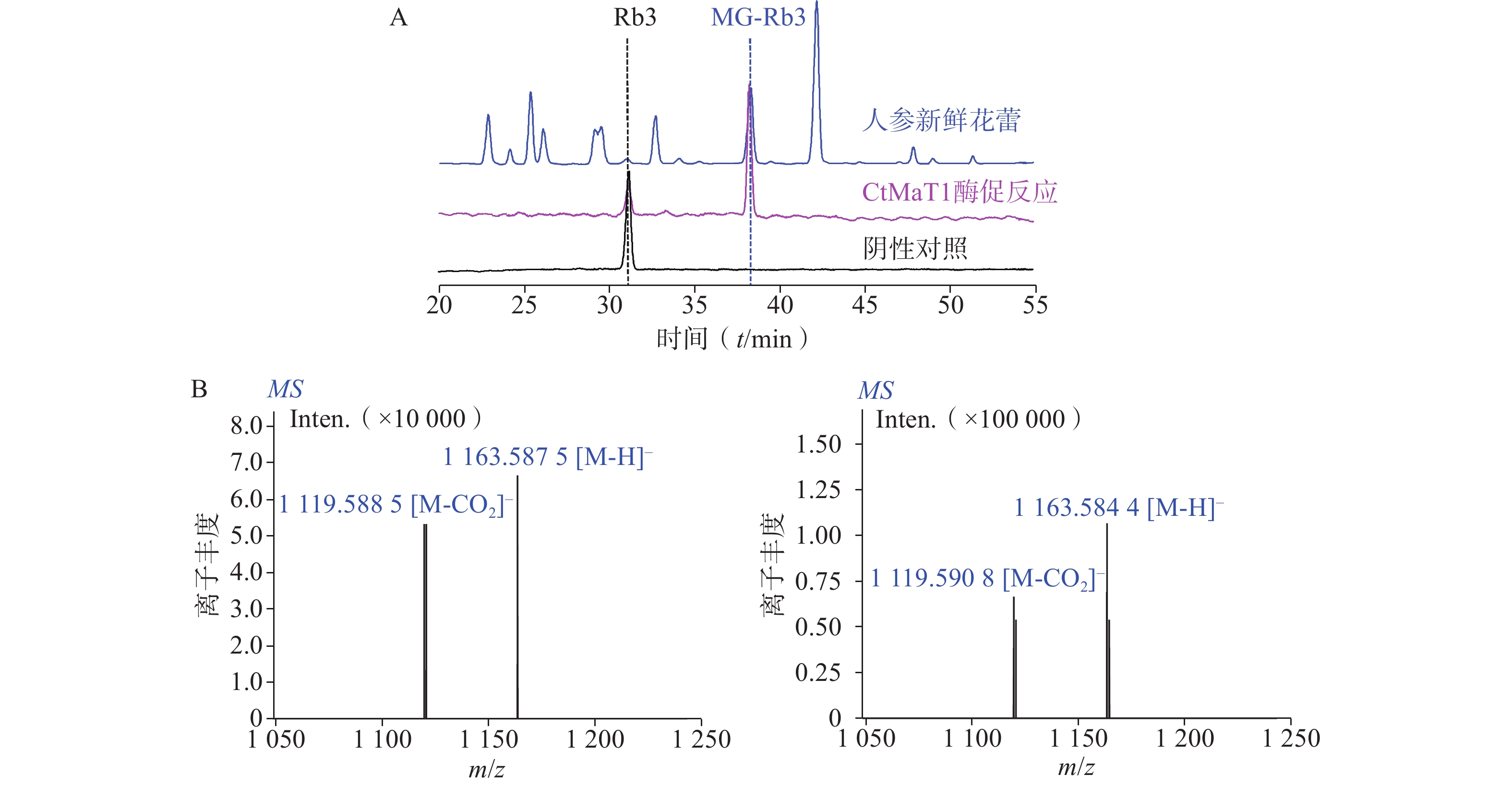
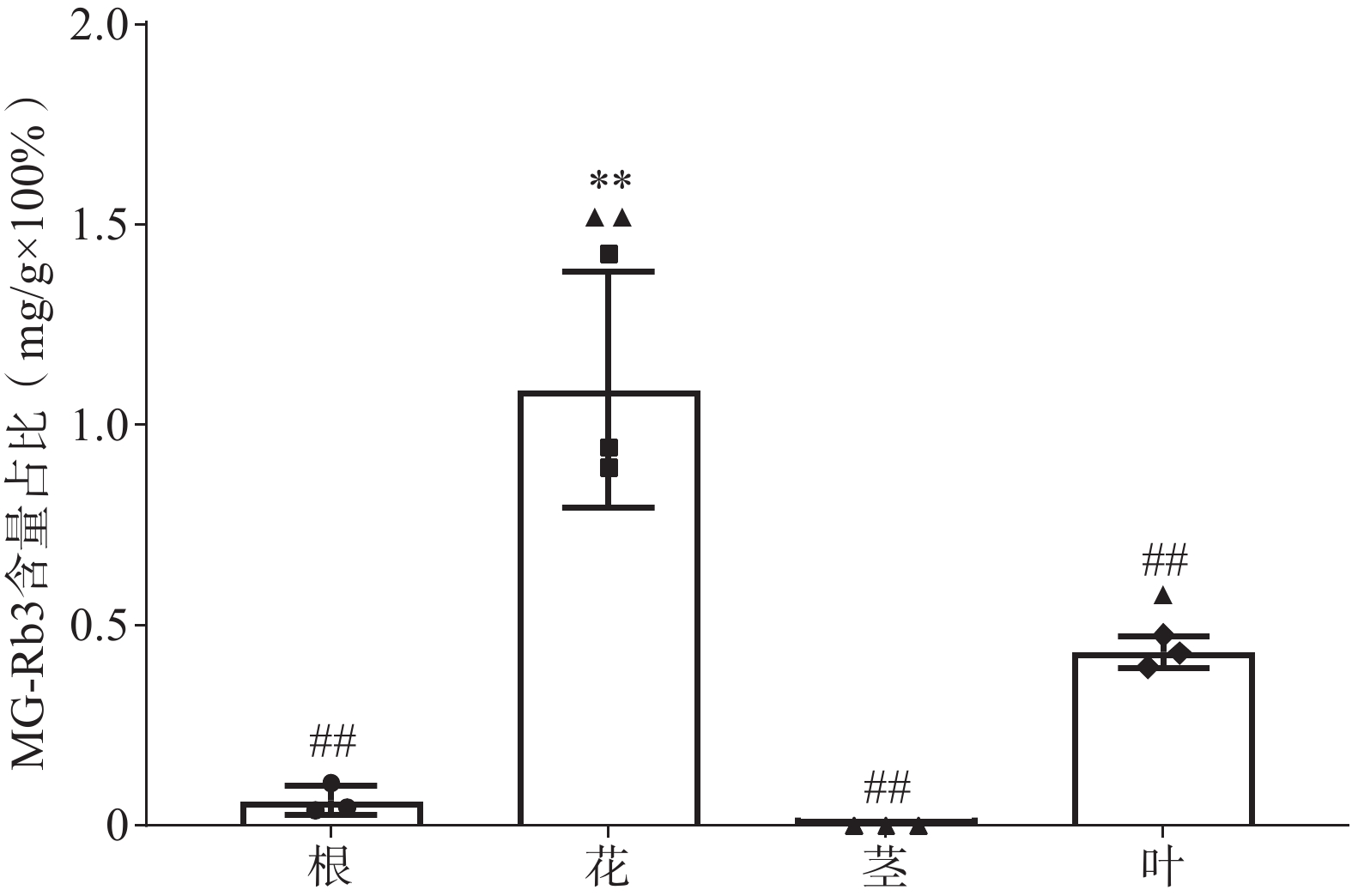
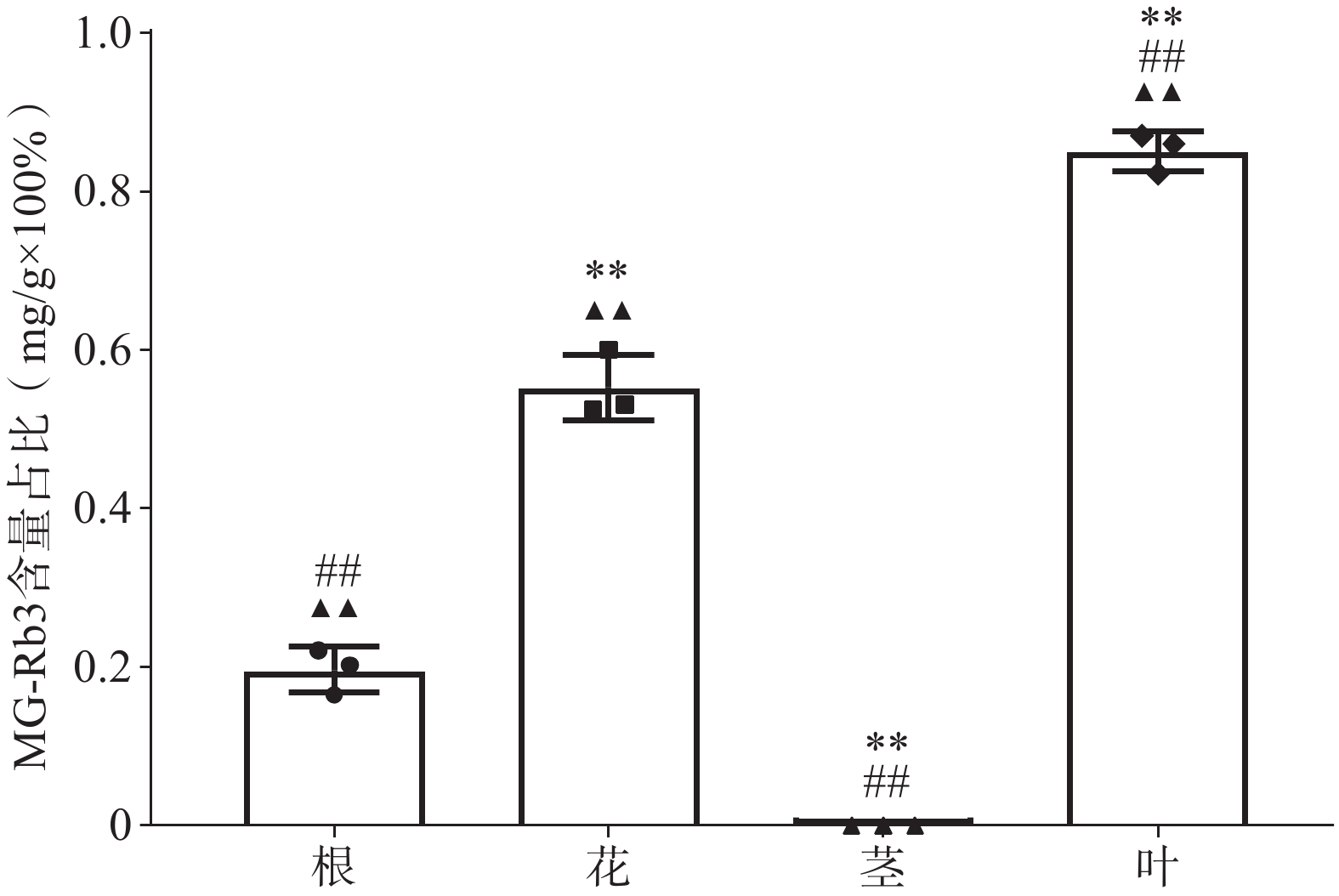
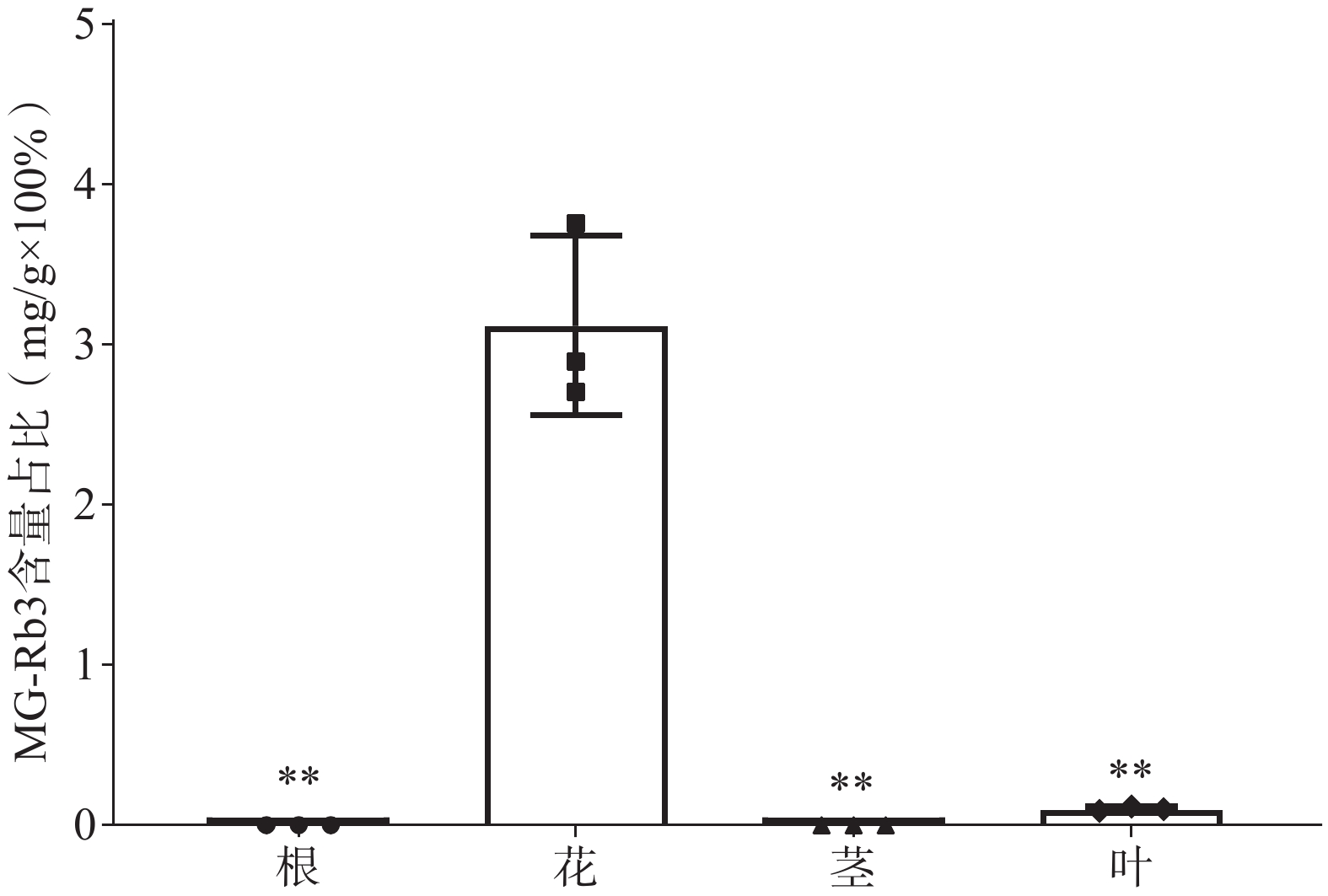
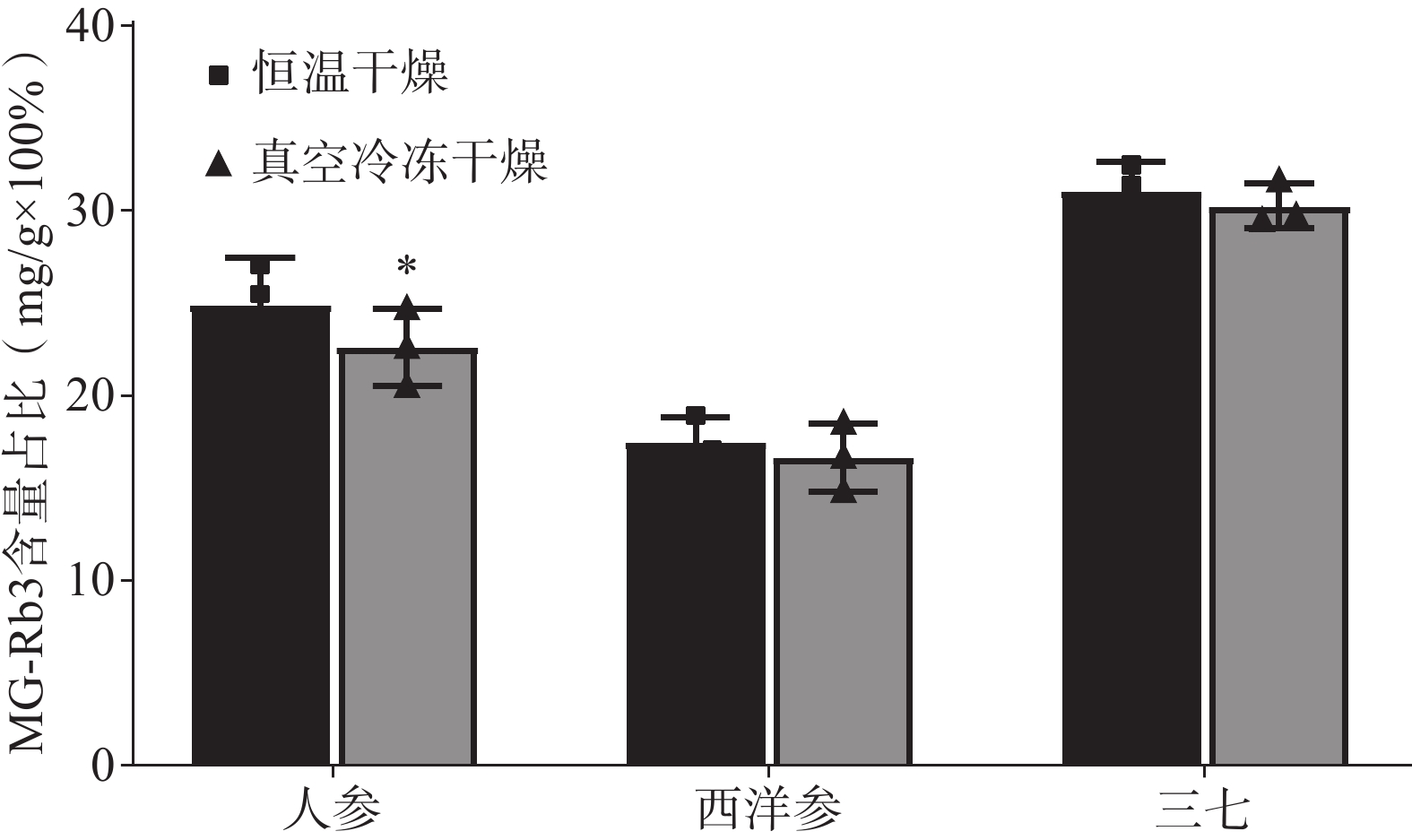
Objective To compare the contents of malonyl-ginsenosides Rb3 (MG-Rb3) in different parts, including roots, stems, leaves and flowers, of Panax ginseng, P. quinquefolium and P. notoginseng and explore the effects of two drying methods, constant temperature drying and vacuum freeze drying on their contents. Methods The contents of MG-Rb3 in P. ginseng, P. quinquefolium and P. notoginseng were compared based on HPLC analysis, using enzymatically synthesized MG-Rb3 as the reference standard. Results The buds of P. ginseng and P. quinquefolium exhibited relatively high levels of MG-Rb3, which were approximately 7.3-18.1 times and 2.8-4.3 times higher than those found in the roots, respectively, and the lowest contents were detected in the stems. The content of MG-Rb3 in P. notoginseng flower buds was about 31.2 times higher than that in leaves. The content of MG-Rb3 in the buds treated by constant temperature drying was about 1-1.1 times that of using vacuum freeze drying. Conclusion The highest content of MG-Rb3 was detected in the flower buds of P. ginseng and P. notoginseng, and the content of MG-Rb3 in leaves of P. quinquefolium was the highest. Content of MG-Rb3 in the buds after constant temperature drying was slightly higher than that of using vacuum freeze drying.
2026, 44(9): 468-471.
doi: 10.12206/j.issn.2097-2024.202508053
Abstract:
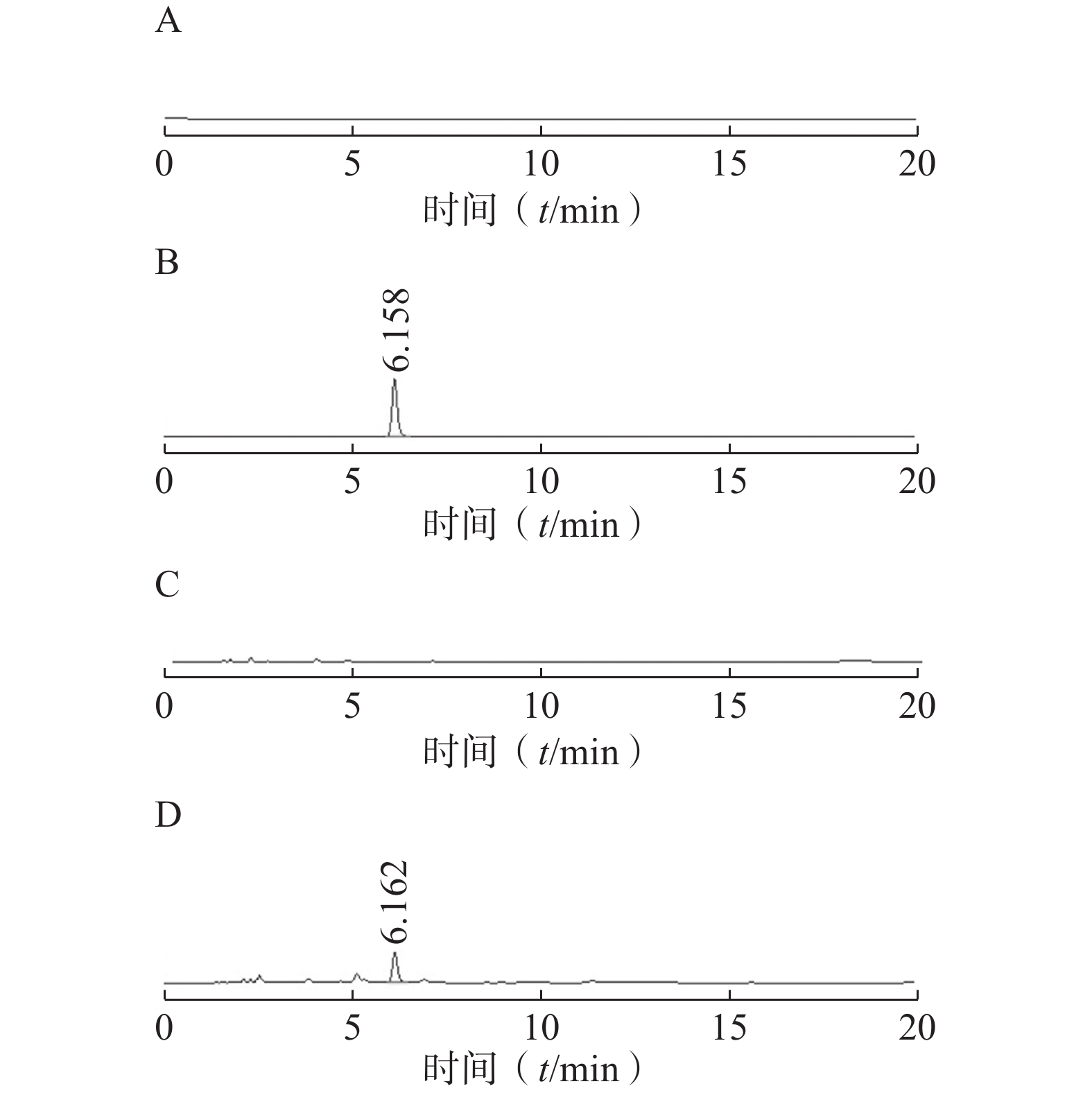
Objective Sanguisorba officinalis is the principal medicinal ingredient of Sicaokeyin gel. Gallic acid is commonly used as a key indicator component for evaluating the quality of Sanguisorba officinalis and its preparations. To establish a HPLC method for the determinant of gallic acid in Sicaokeyin gel. Methods With gallic acid as reference substance, HPLC analysis was performed on a Agilent Eclipse XDB-C18 column (4.6 mm ×25 mm, 5 μm) with methanol-0.05%phosphoric acid (5∶95) under isocratic elution. The flow rate was 1.0 ml/min and the detection wavelength was 272 nm. The column temperature was 30℃, the injection volume was 10 μl. Results Gallic acid showed good linear relationship in the range of 1.004-50.18 μg/ml (r=0.999 9). The average recovery was 102.9% (n=9). Conclusion The method was easy to operate; the result was accurate and reliable, which could be used for the quality control of sanguisorba officinalis in Sicaokeyin gel.
2026, 44(9): 472-476.
doi: 10.12206/j.issn.2097-2024.202506020
Abstract:
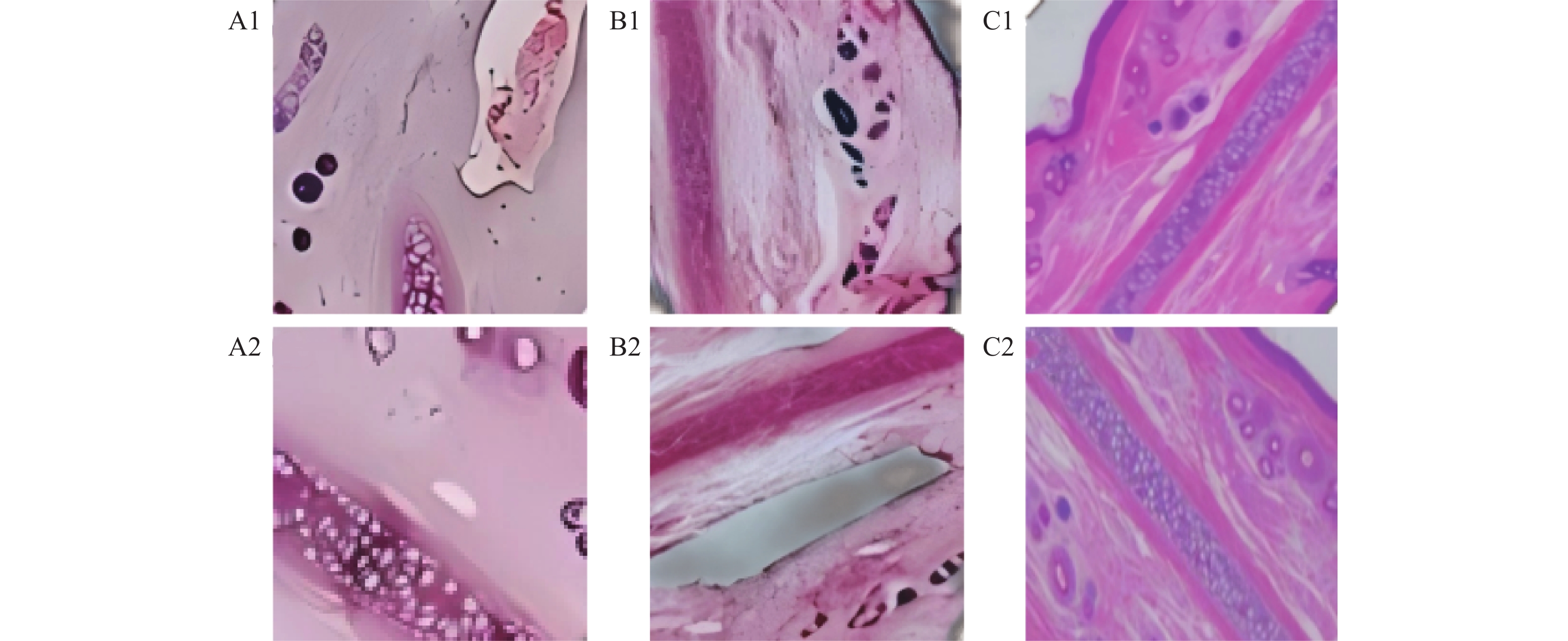
Objective To explore the application safety of fibrauretine injection through hemolytic test, active systemic anaphylaxis(ASA)test and local irritation test. Methods Routine visual observation and spectrophotometry were used to detect its hemolysis; the ASA test on guinea pigs was conducted to observe the allergenicity of the drug; the auricular vein irritation test and quadriceps femoris muscle irritation test on rabbits were performed to evaluate the irritancy of the drug. Results Fibrauretine injection induced hemolysis in rabbit red blood cells, did not cause allergic reactions in guinea pigs, exerted mild to moderate irritation on the auricular veins of rabbits, and showed no irritant effect on the quadriceps femoris of rabbits. Conclusion Fibrauretine injection had certain hemolytic properties and vascular irritancy. Special attention should be paid to safety inspections during the production and clinical application of this drug.
2026, 44(9): 477-482.
doi: 10.12206/j.issn.2097-2024.202509049
Abstract:
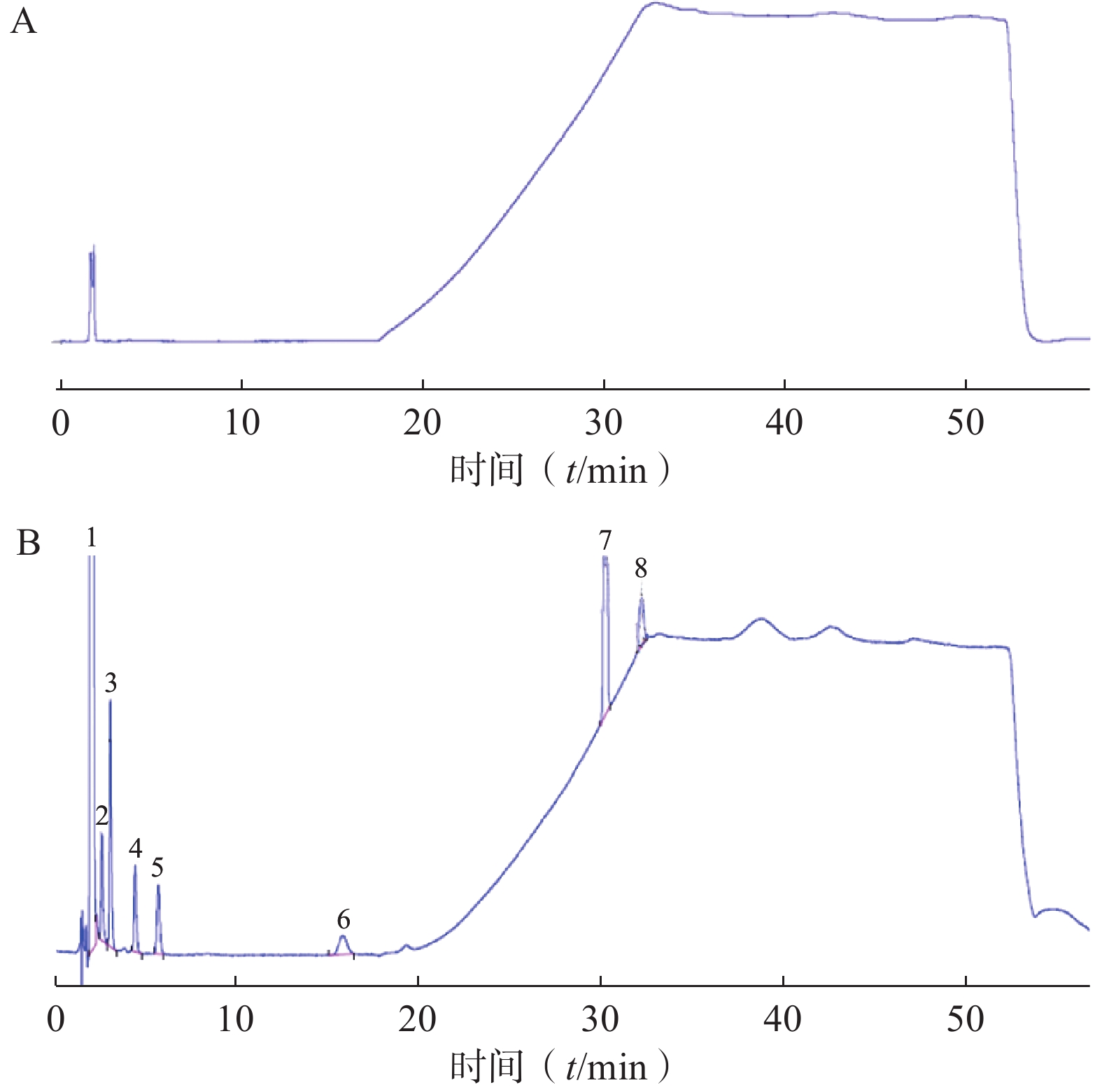
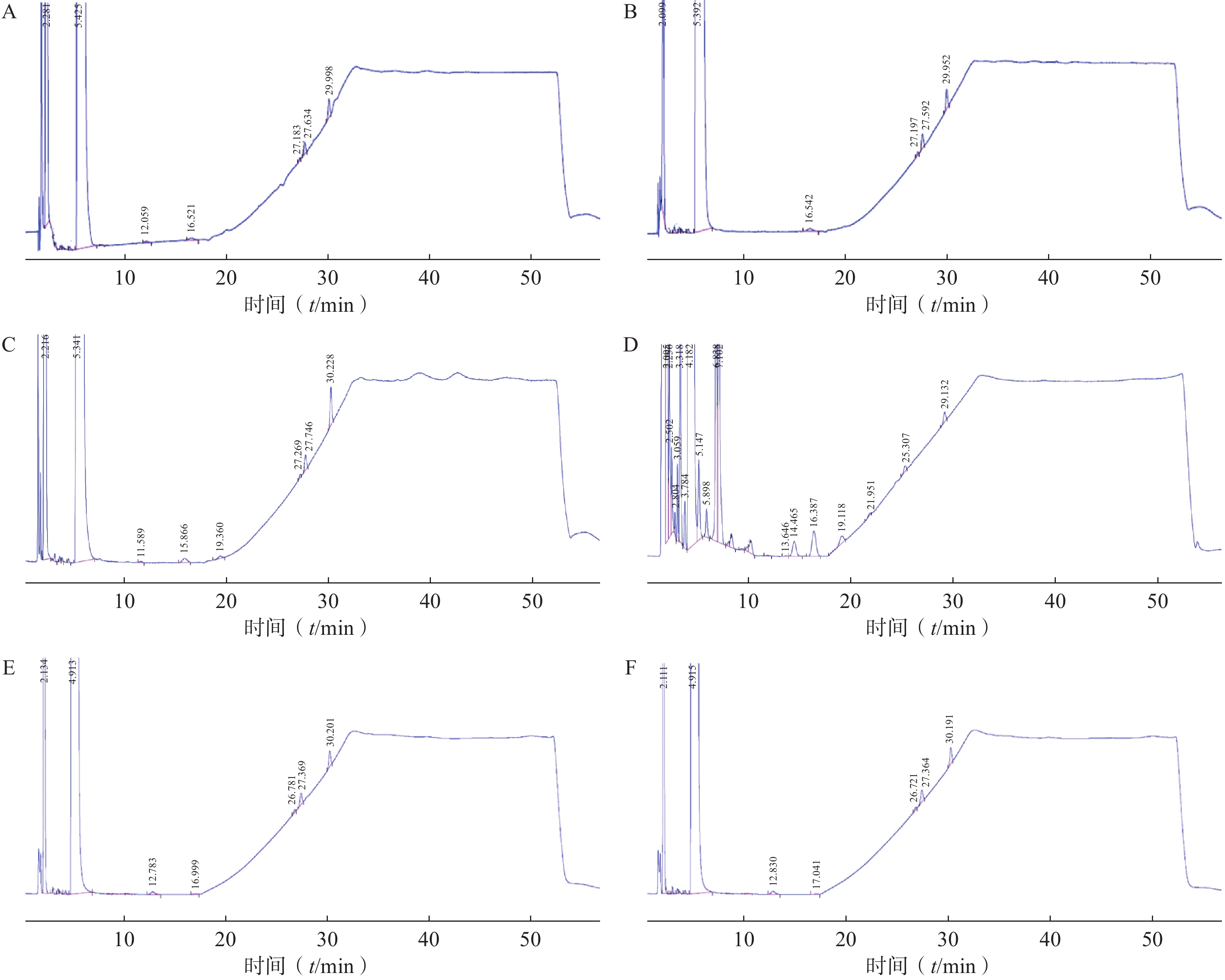
Objective To determine the related substances in esmolol hydrochloride injection by HPLC method. Methods A Waters XBridge TM C18 (4.6 mm×150 mm,5 µm) column packed with octadecylsilane-bonded silica gel was used, with phosphate buffer (3.0 g of potassium dihydrogen phosphate was taken, dissolved in water and diluted to 650 ml)-acetonitrile-methanol (65∶15∶20) as the mobile phase A, and mobile phase A mixed with methanol (65∶35) as the mobile phase B. The related substances in the test sample and those generated after forced degradation were qualitatively and quantitatively analyzed by the impurity reference standard method, with an injection volume of 20 μl, a column temperature of 30℃, a flow rate of 1.0 ml/min and a detection wavelength of 222 nm. Results The separation between esmolol hydrochloride and neighboring impurities as well as between each impurity was greater than 1.5; the impurities showed good linearity in their respective linear ranges (r>0.999). The average recovery of impurity a (Imp-a) was 99.1% with an RSD of 0.56%; the average recovery of impurity b(Imp-b)was 96.0% with an RSD of 0.98%; the average recovery of impurity c (Imp-c) was 100.7% with an RSD of 1.24%; the average recovery of impurity d (Imp-d) was 99.0% with an RSD of 0.12%; the average recovery of impurity e (Imp-e) was 100.7% with an RSD of 0.64%; and the impurity f (Imp-f) average recovery was 101.7% with an RSD of 3.26%; impurity g (Imp-g) average recovery was 99.1% with an RSD of 1.45%. Conclusion This method could evaluate the quality of esmolol hydrochloride injection more accurately than the current standard and could provide data reference for the quality evaluation system.
2026, 44(9): 483-485, 490.
doi: 10.12206/j.issn.2097-2024.202503042
Abstract:
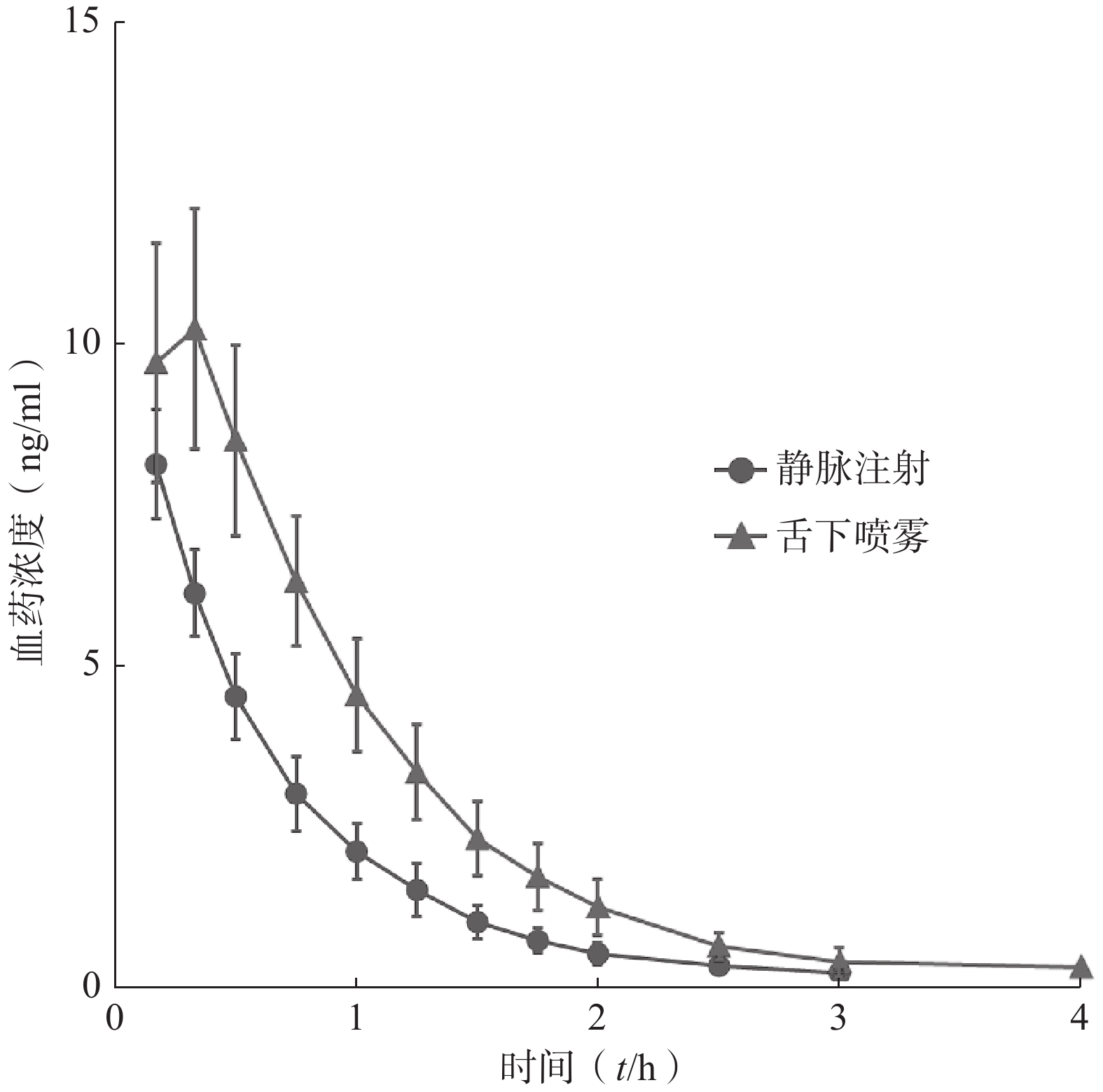
Objective To investigate the pharmacokinetics of flumazenil sublingual spray in Beagle dogs. Methods Twelve Beagle dogs were grouped in a two-period, two-sequence crossover study design, receiving intravenous injection or sublingual spray administration. Blood samples (2 ml) were collected from the leg vein at 0.16, 0.33, 0.5, 0.75, 1.0, 1.25, 1.5, 1.75, 2.0, 2.5, 3.0, 4.0, 6.0 and 8.0 h post-dosing. The plasma concentration of flumazenil was quantified by liquid chromatography-tandem mass spectrometry (LC-MS/MS) with an internal standard method, and key pharmacokinetic parameters were calculated. Results The tmax values for flumazenil injection and sublingual spray were 0.17 h and (0.28±0.10) h, respectively; cmax values were (8.14±0.81) and (10.41±1.72) ng/ml; and AUC0–∞ values were (6.90±0.99) and (10.97±1.68)(ng·h)/ml. The bioavailability of the sublingual spray was (80.79±0.14)%. Conclusion Flumazenil sublingual spray demonstrated rapid absorption and high bioavailability in Beagle dogs.
2026, 44(9): 486-490.
doi: 10.12206/j.issn.2097-2024.202603024
Abstract:
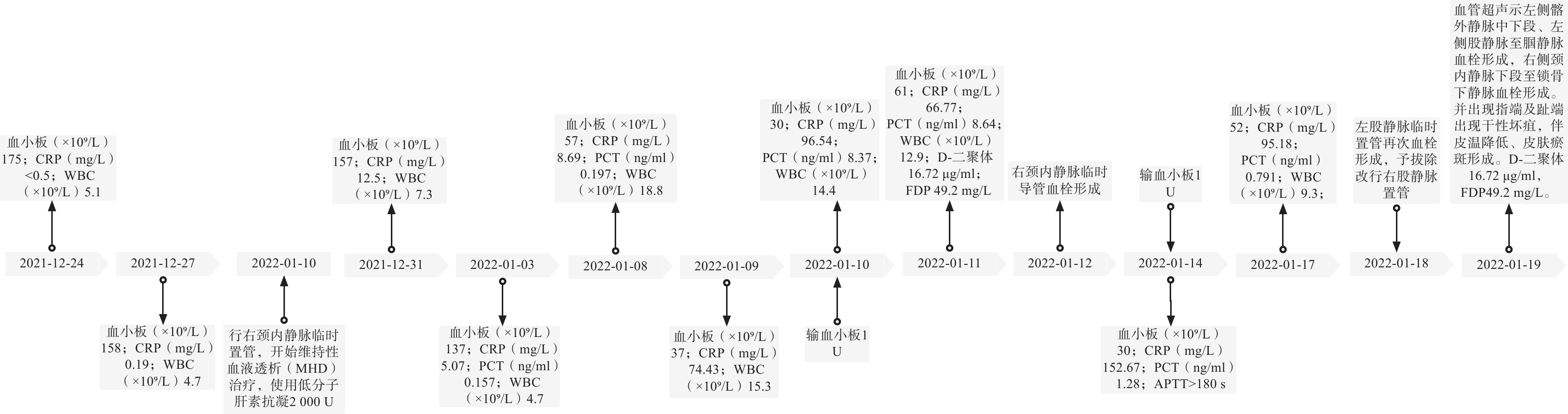
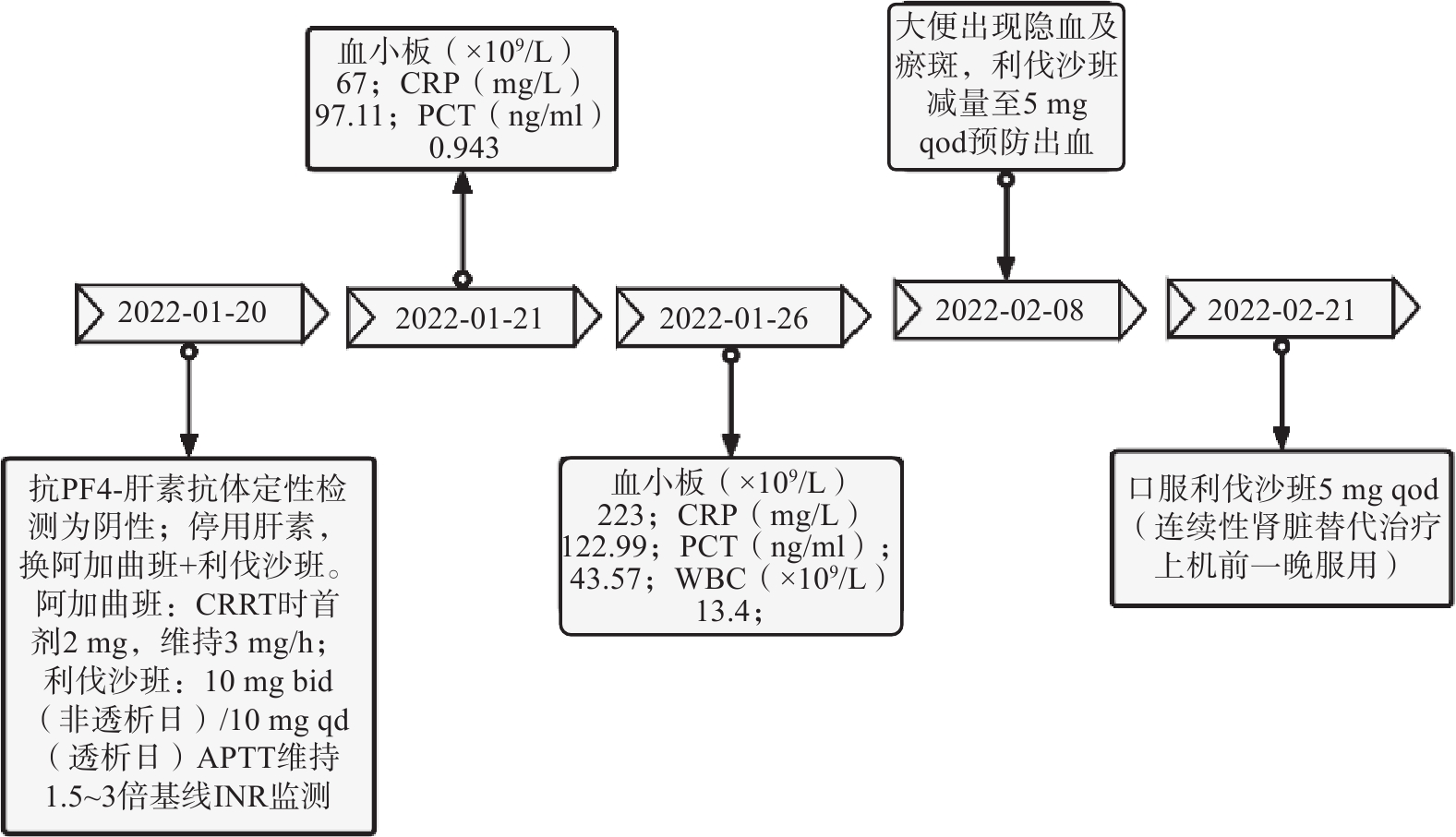
Objective To investigate the clinical recognition, anticoagulation transition strategies, and key points of pharmaceutical care for heparin-induced thrombocytopenia type Ⅱ (HIT) in hemodialysis patients and provide reference for standardized management of similar cases. Methods Through a case report of a 78-year-old female patient with stage 5D chronic kidney disease (CKD) who developed type Ⅱ HIT following low molecular weight heparin (LMWH) anticoagulation, clinical pharmacists participated in therapeutic decision-making. Clinical probability was assessed using the 4T's score, a heparin-free alternative anticoagulation regimen was formulated, and comprehensive pharmaceutical care was implemented throughout the treatment course. Relevant literature was reviewed to analyze pathogenesis, diagnostic criteria, and alternative anticoagulant options for HIT. Results The patient with end-stage renal disease (ESRD) underwent hemodialysis and developed progressive thrombocytopenia on day 11 of LMWH anticoagulation, accompanied by multiple deep veins thromboses (DVT) and dry gangrene of the extremities. Despite negative heparin-platelet factor Ⅳ (PF4) antibody testing, the 4T's score was 7 points (high clinical probability). Clinical pharmacists recommended immediate discontinuation of all heparin and transition to Argatroban combined with Rivaroxaban. Following treatment, platelet counts progressively were recovered, DVT was resolved, and peripheral perfusion was improved. Occult blood in stool and generalized ecchymosis occurred during therapy; bleeding manifestations resolved after rivaroxaban dose adjustment. Conclusion Hemodialysis patients are a high-risk population for type Ⅱ HIT. For patients with 4T's score ≥6, immediate HIT management should be initiated regardless of antibody test results, including discontinuation of all heparin agents and initiation of non-heparin anticoagulation. Through participation in therapeutic decision-making, optimization of anticoagulation regimens, and adverse reaction monitoring, clinical pharmacists could effectively ensure medication safety in hemodialysis patients complicated with HIT.
 Contribution System
 Author Login
 Review Login
 Editor Login
 Reader Login



 News
News