

Current Issue
2026 Vol. 46, No. 10
Display Method:
2026, 44(10): 491-495, 501.
doi: 10.12206/j.issn.2097-2024.202505038
Abstract:
Colchicine, a classic anti-inflammatory agent, has been long used for the prevention and treatment of gouty arthritis and familial Mediterranean fever. Given the pivotal role of inflammation in the development and progression of cardiovascular diseases, the clinical value of colchicine in the secondary prevention of cardiovascular diseases has attracted significant attention. Diabetes mellitus (DM) leads to severe and irreversible vascular complications, and cardiovascular diseases are the leading cause of death in patients with DM. However, existing research indicated heterogeneity in the therapeutic efficacy of colchicine among patients with cardiovascular diseases and those with diabetes complicated by cardiovascular conditions. The heterogeneity manifests as differences in efficacy across various disease stages, patient baseline characteristics, specific cardiovascular event types, endpoint definitions, and treatment regimens. The current domestic and international research findings on colchicine in relation to cardiovascular events—both in patients with CVD and in those with diabetes—were reviewed, with the aim of elucidating the underlying causes of this efficacy heterogeneity and providing evidence-based guidance for identifying patients likely to benefit and optimizing individualized treatment strategies in clinical practice.
Colchicine, a classic anti-inflammatory agent, has been long used for the prevention and treatment of gouty arthritis and familial Mediterranean fever. Given the pivotal role of inflammation in the development and progression of cardiovascular diseases, the clinical value of colchicine in the secondary prevention of cardiovascular diseases has attracted significant attention. Diabetes mellitus (DM) leads to severe and irreversible vascular complications, and cardiovascular diseases are the leading cause of death in patients with DM. However, existing research indicated heterogeneity in the therapeutic efficacy of colchicine among patients with cardiovascular diseases and those with diabetes complicated by cardiovascular conditions. The heterogeneity manifests as differences in efficacy across various disease stages, patient baseline characteristics, specific cardiovascular event types, endpoint definitions, and treatment regimens. The current domestic and international research findings on colchicine in relation to cardiovascular events—both in patients with CVD and in those with diabetes—were reviewed, with the aim of elucidating the underlying causes of this efficacy heterogeneity and providing evidence-based guidance for identifying patients likely to benefit and optimizing individualized treatment strategies in clinical practice.
2026, 44(10): 496-501.
doi: 10.12206/j.issn.2097-2024.202507003
Abstract:
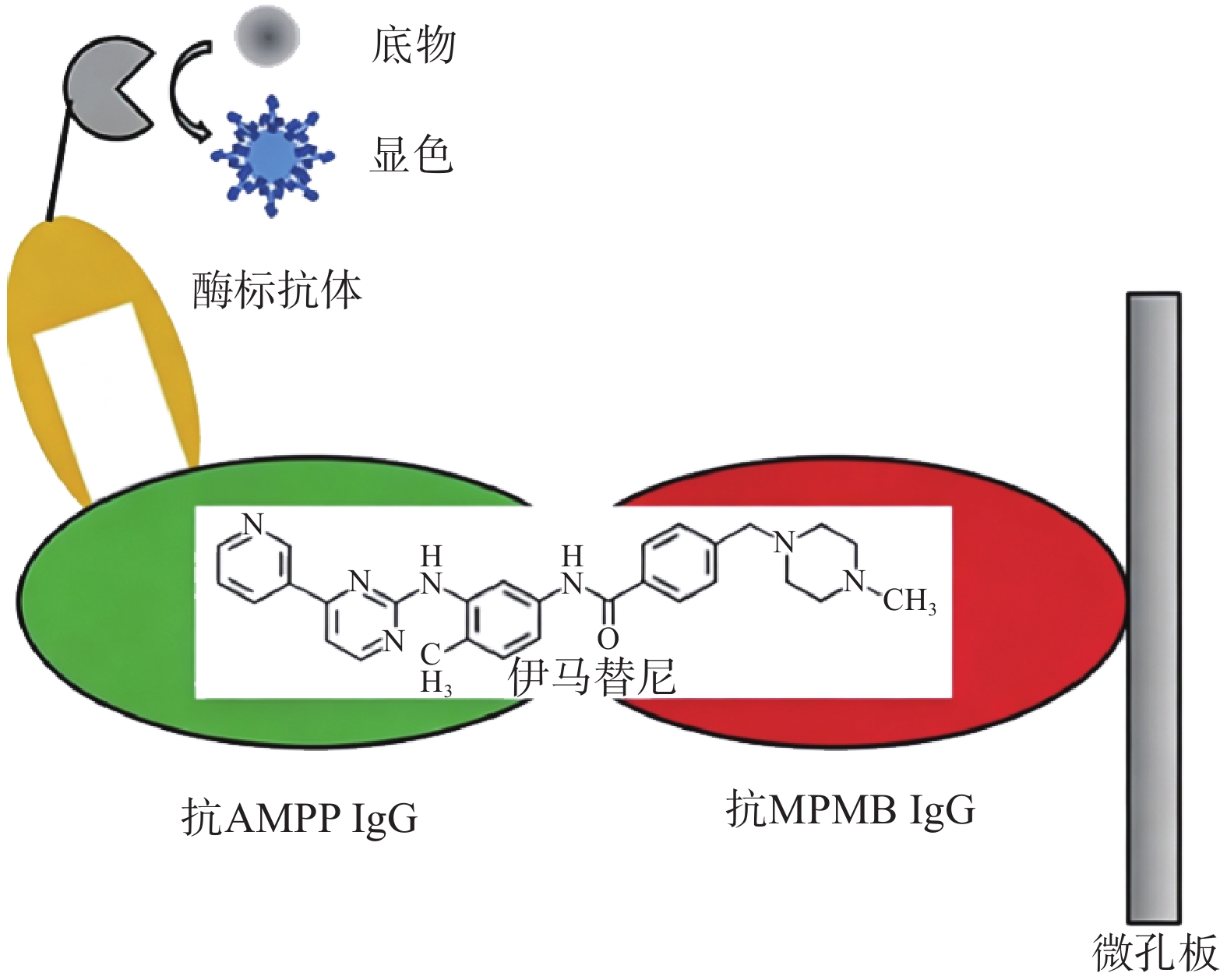
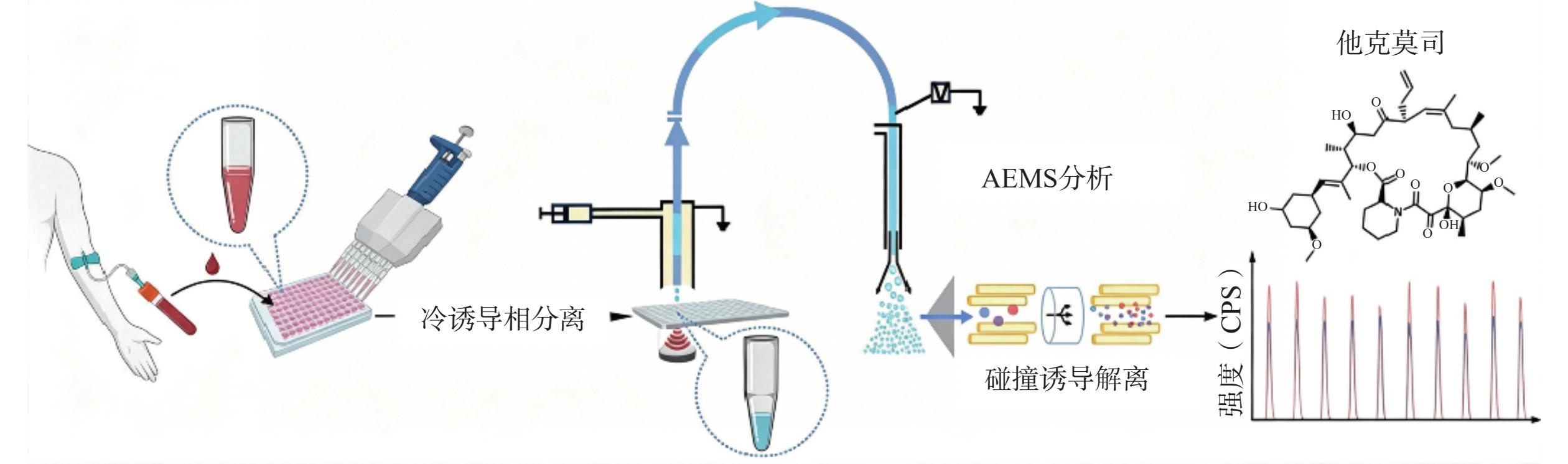
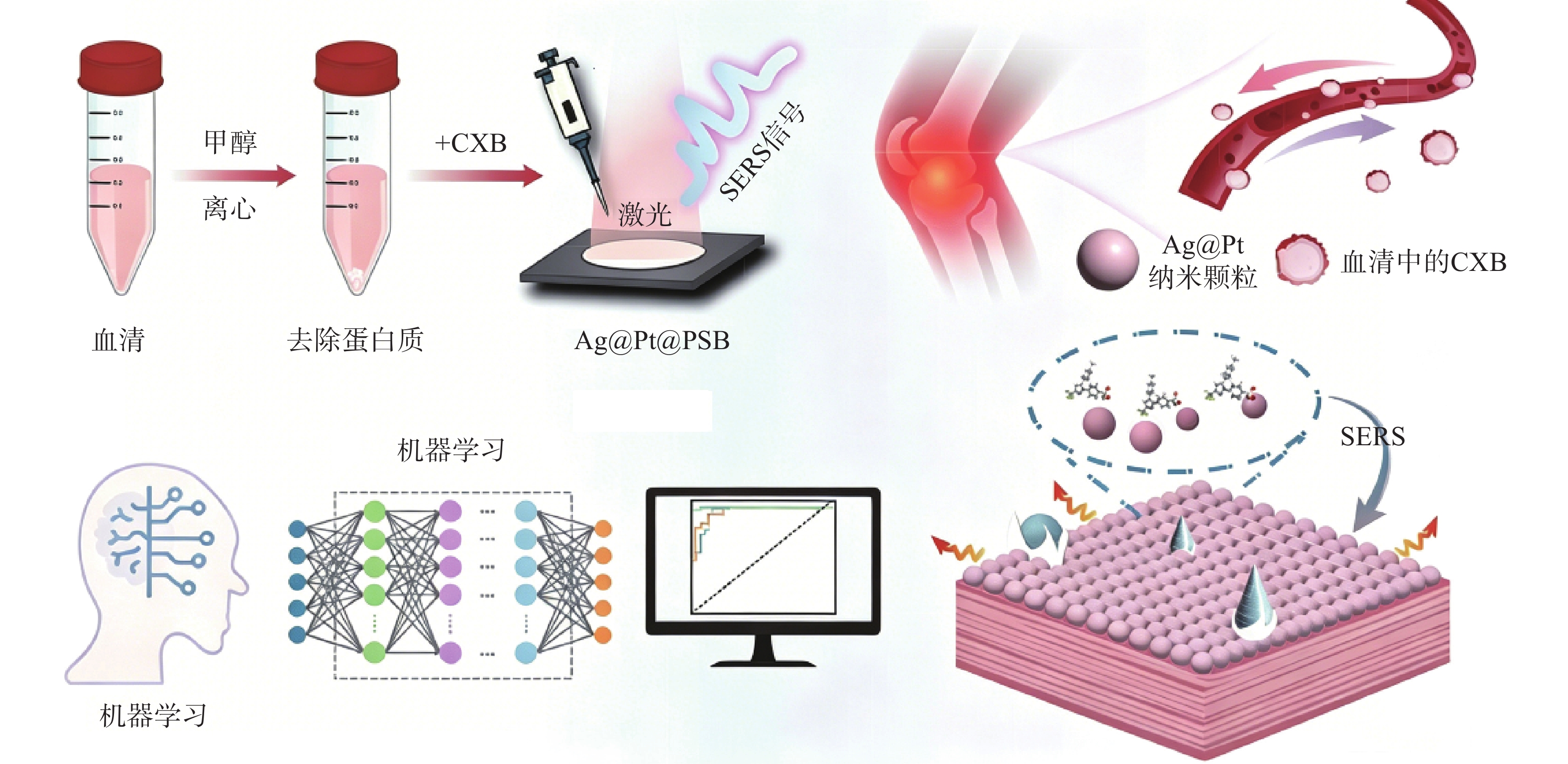
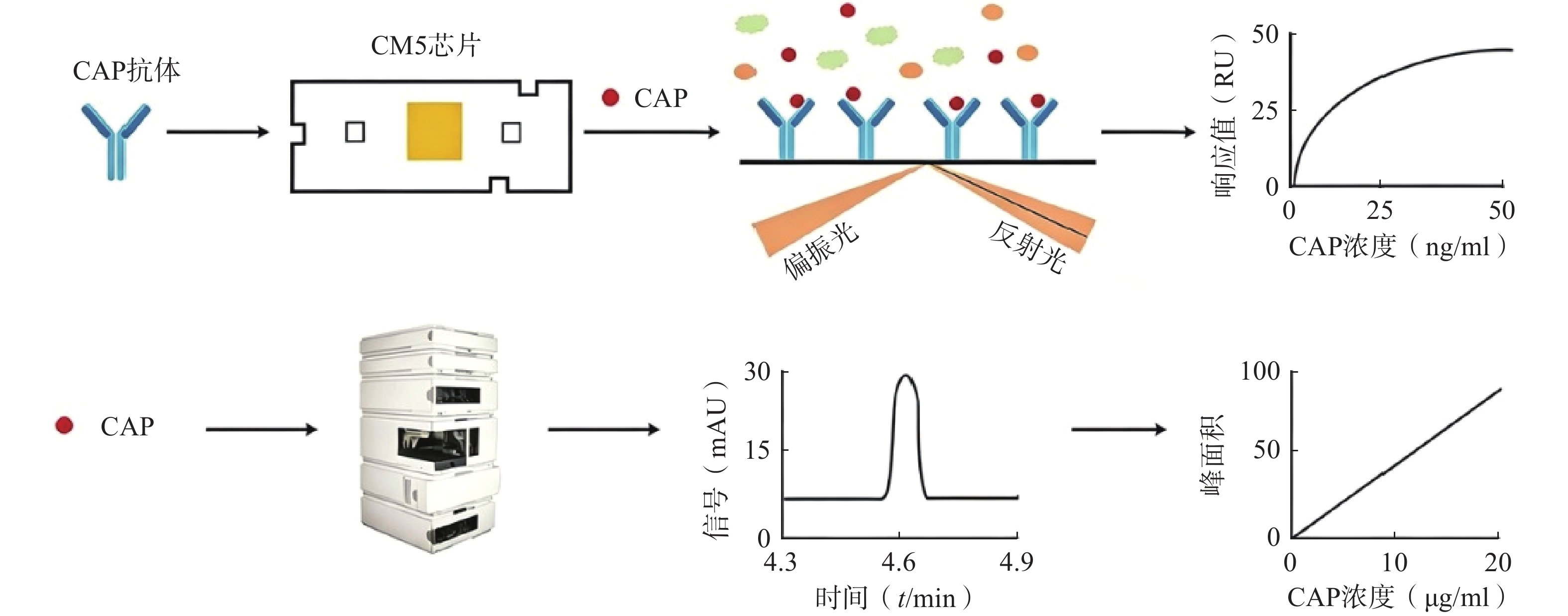
Therapeutic drug monitoring (TDM) is the core approach for individualized precision medication in clinical practice. Based on pharmacokinetics, it quantitatively measures in vivo drug concentrations using modern analytical techniques, mainly applied to drugs with a narrow therapeutic window, significant adverse reactions, and large interindividual pharmacokinetic variability across multiple categories. TDM plays an irreplaceable role in optimizing therapeutic regimens, reducing drug toxicity, and enhancing rational clinical drug use. TDM-applicable drugs were systematically reviewed in this paper, focusing on the working principles, clinical applications, advantages and limitations of mainstream analytical techniques (immunoassay, liquid chromatography tandem mass spectrometry, LC-MS/MS) and emerging ones (surface plasmon resonance and biolayer interferometry), which provided a valuable reference for the standardized clinical application of TDM, rational selection of analytical methods, and subsequent technological research and development.
Therapeutic drug monitoring (TDM) is the core approach for individualized precision medication in clinical practice. Based on pharmacokinetics, it quantitatively measures in vivo drug concentrations using modern analytical techniques, mainly applied to drugs with a narrow therapeutic window, significant adverse reactions, and large interindividual pharmacokinetic variability across multiple categories. TDM plays an irreplaceable role in optimizing therapeutic regimens, reducing drug toxicity, and enhancing rational clinical drug use. TDM-applicable drugs were systematically reviewed in this paper, focusing on the working principles, clinical applications, advantages and limitations of mainstream analytical techniques (immunoassay, liquid chromatography tandem mass spectrometry, LC-MS/MS) and emerging ones (surface plasmon resonance and biolayer interferometry), which provided a valuable reference for the standardized clinical application of TDM, rational selection of analytical methods, and subsequent technological research and development.
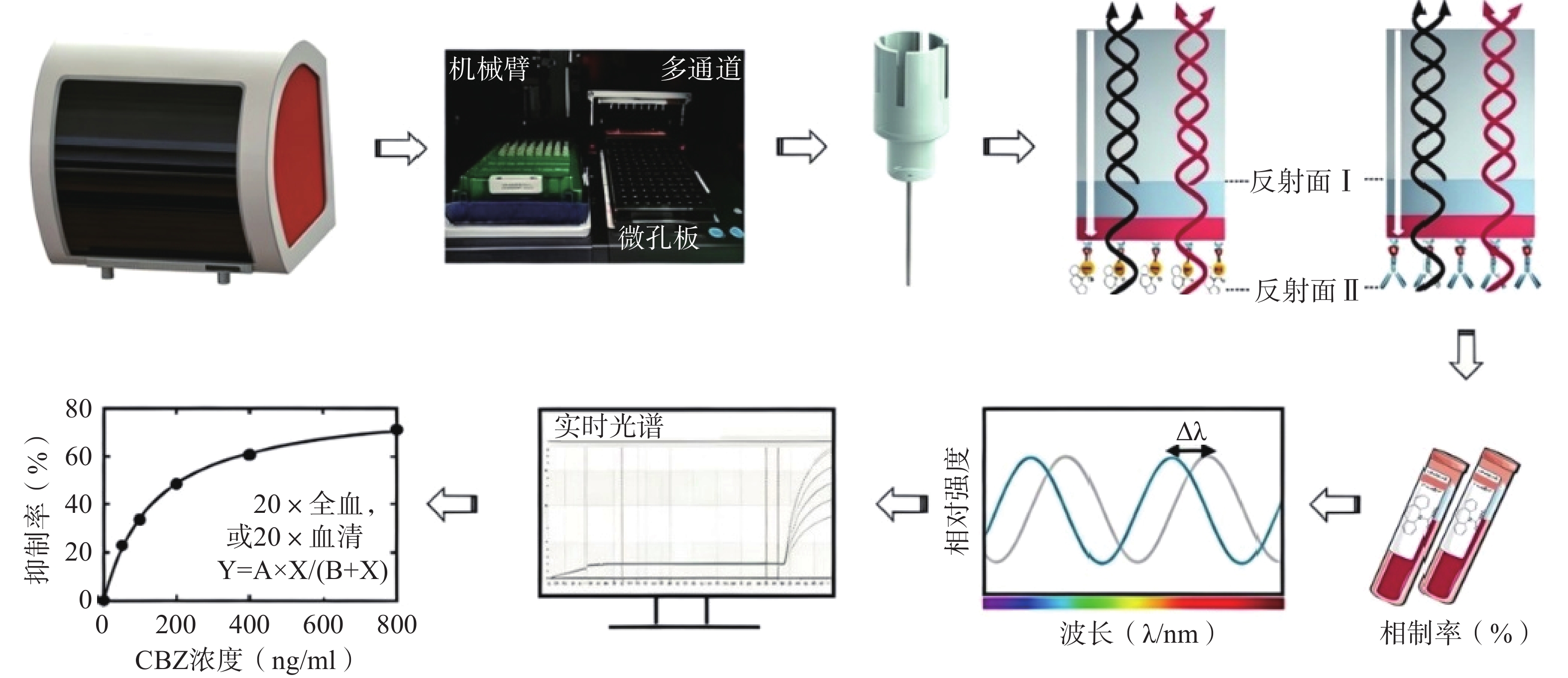
2026, 44(10): 502-507.
doi: 10.12206/j.issn.2097-2024.202406029
Abstract:
Objective To investigate the preventive and therapeutic effects of ethanol extracts derived from three sources of traditional Chinese medicine: Stellera chamaejasme L., Euphorbia fischeriana Steud. and Euphorbia kansuensis Prokh., on imiquimod (IMQ)-induced psoriasis in mice. Methods Thirty-six male BALB/c mice were randomly divided into the following 6 groups with 6 mice in each group: blank control, model, Stellera chamaejasme, Euphorbia fischeriana, Euphorbia kansuensis, and calcipotriol. Psoriasis area and severity index(PASI) scores were used to record the changes of skin lesions in every group; Hematoxylin-eosin(HE) staining was used to observe the pathological morphology of skin and measure the thickness of the epidermis. Immunohistochemistry was used to detect the expression of nuclear antigen Ki67 in the skin tissues of mice. Results Compared with the model group, the three kinds of ethanol extracts could reduce the PASI score, inhibit epidermal thickening, and decrease expression of Ki67 in the psoriasis mice. Among them, the therapeutic effect of Stellera chamaejasme was the most significant and it was better than the commonly used topical drug calcipotriol. Conclusion The ethanol extract of Stellera chamaejasme had good anti-psoriatic activity, which could inhibit the abnormal proliferation of keratinocytes, reduce the expression of Ki67, and significantly improve psoriasis-like skin lesions.
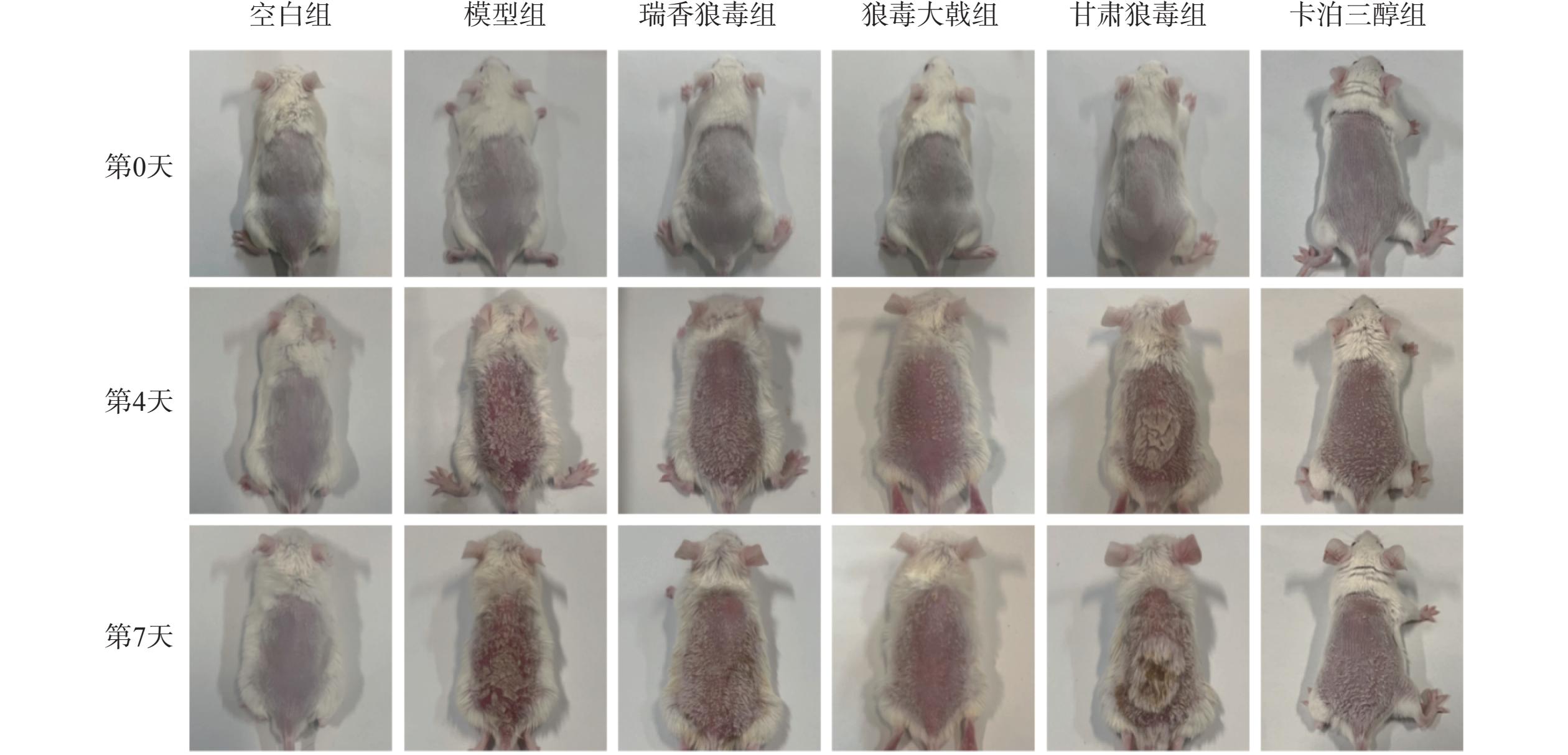
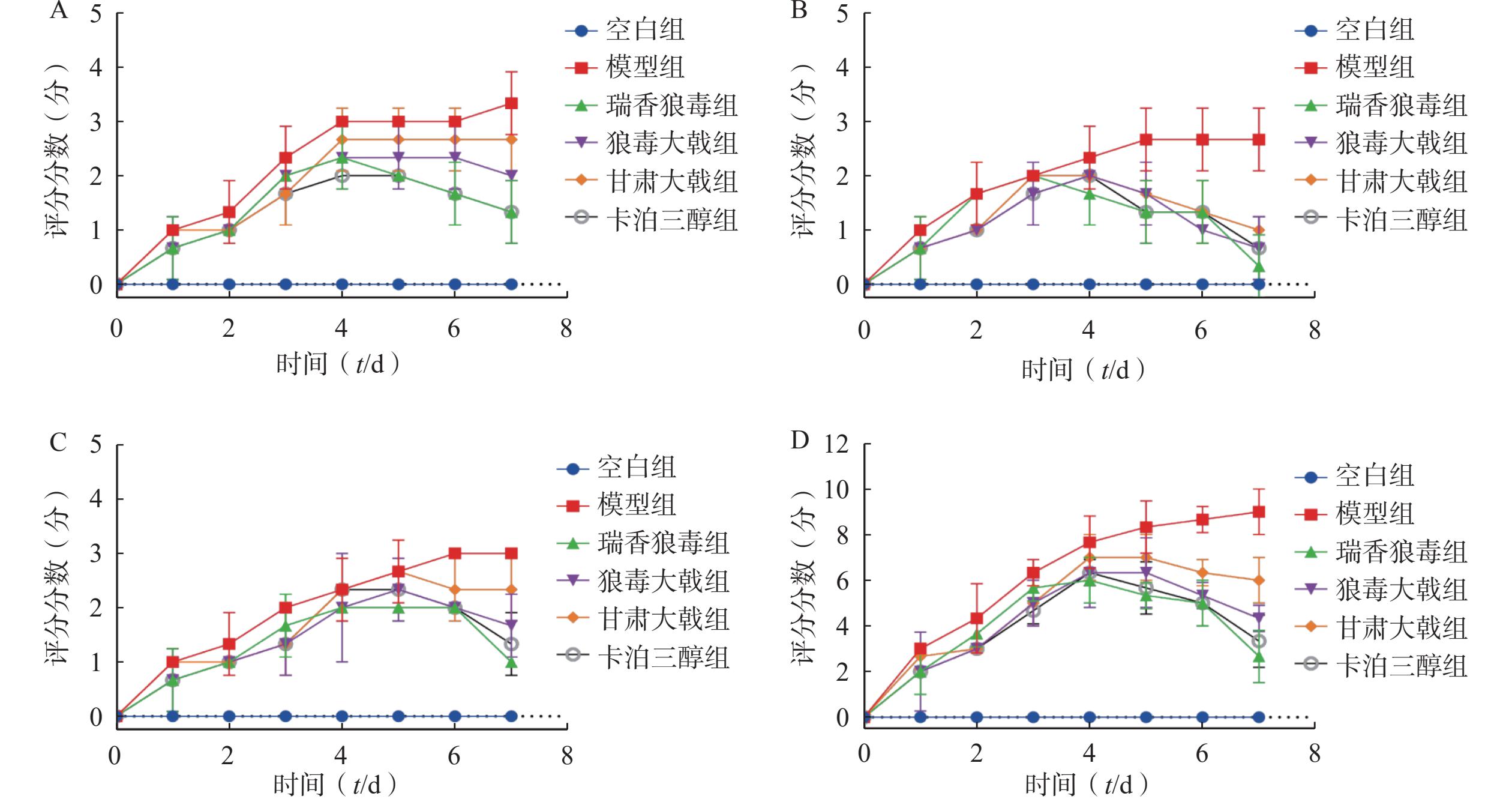
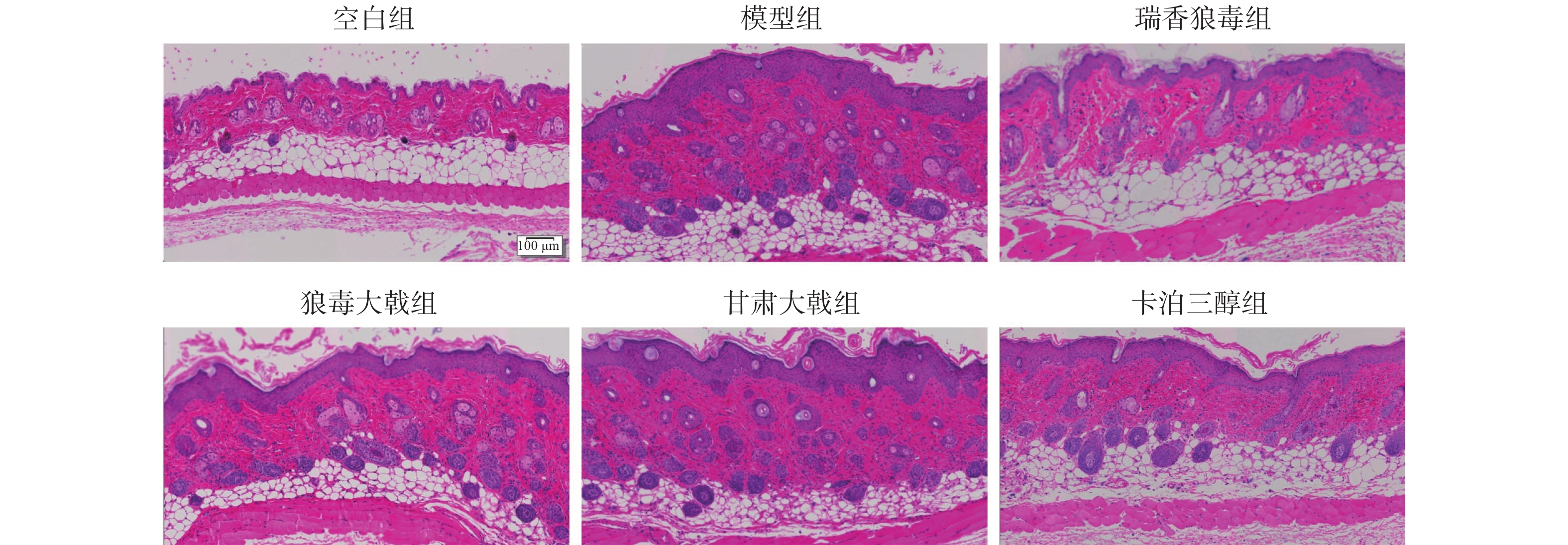
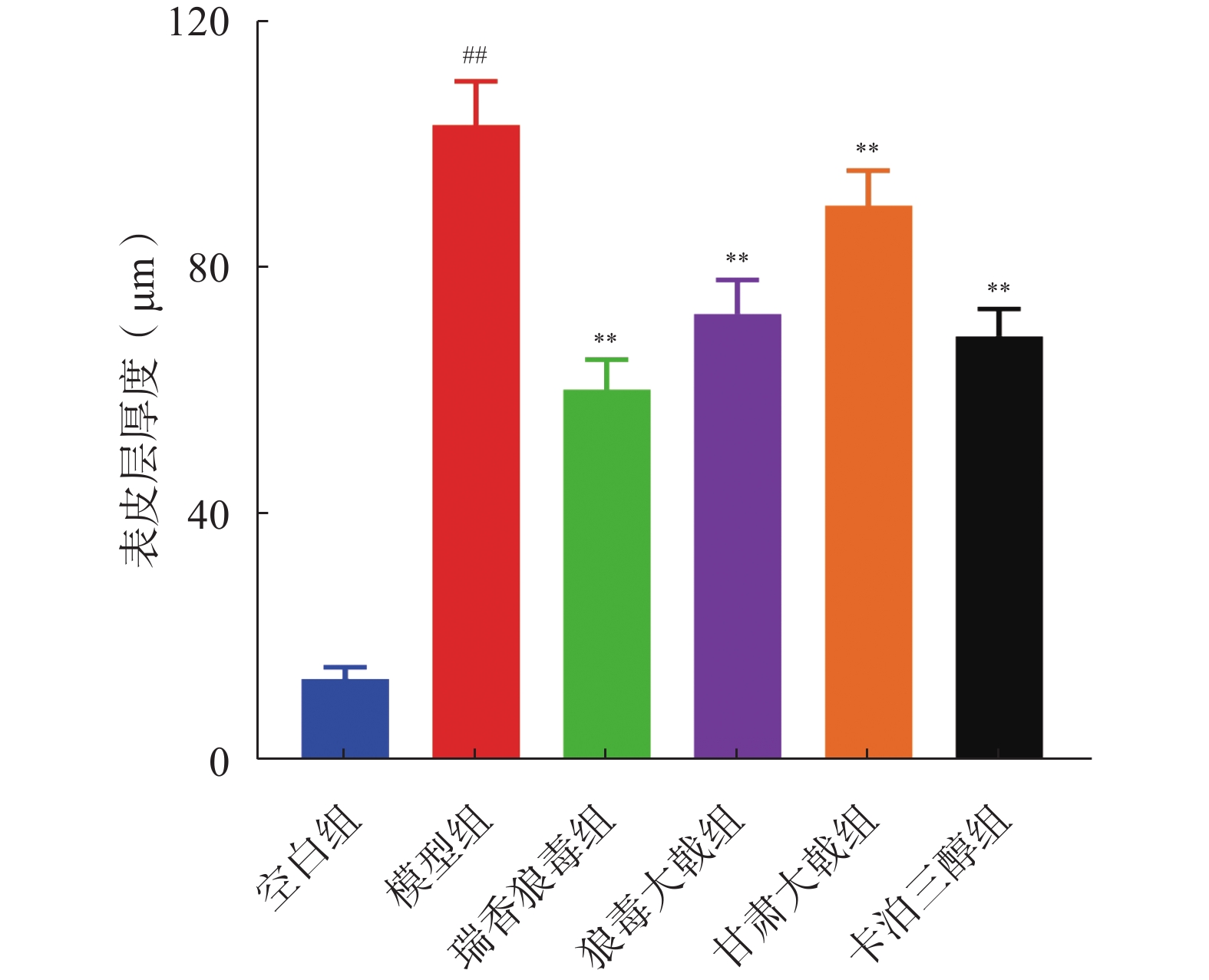
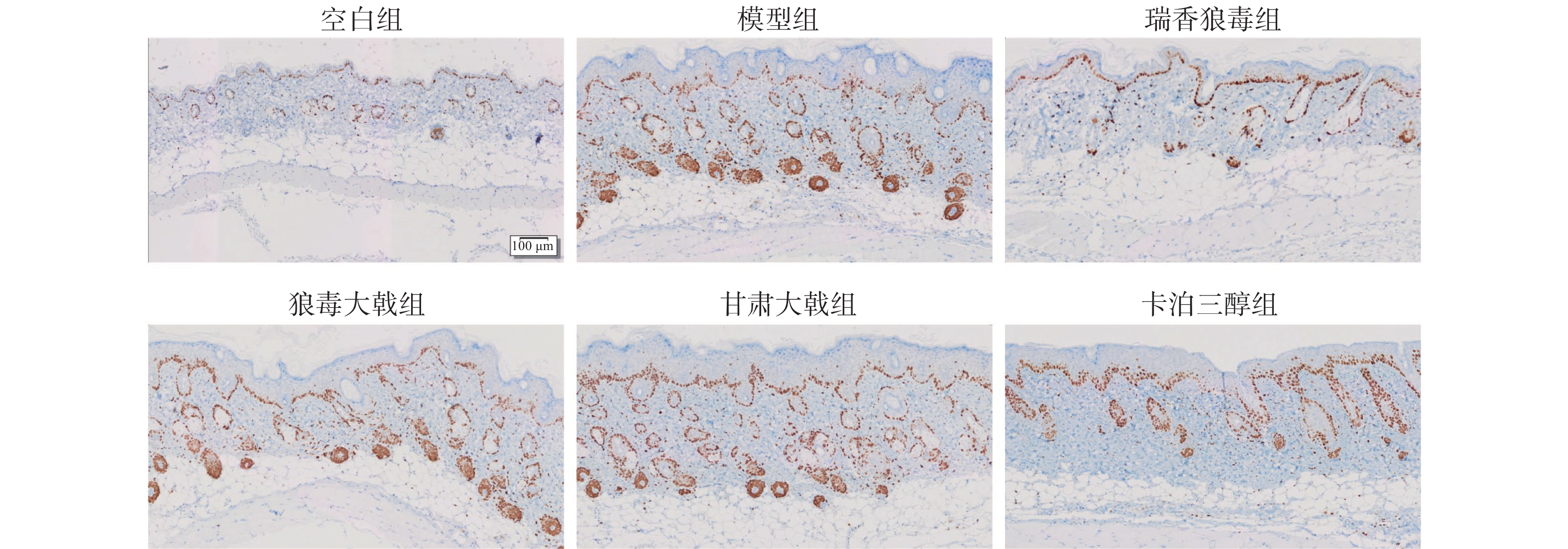
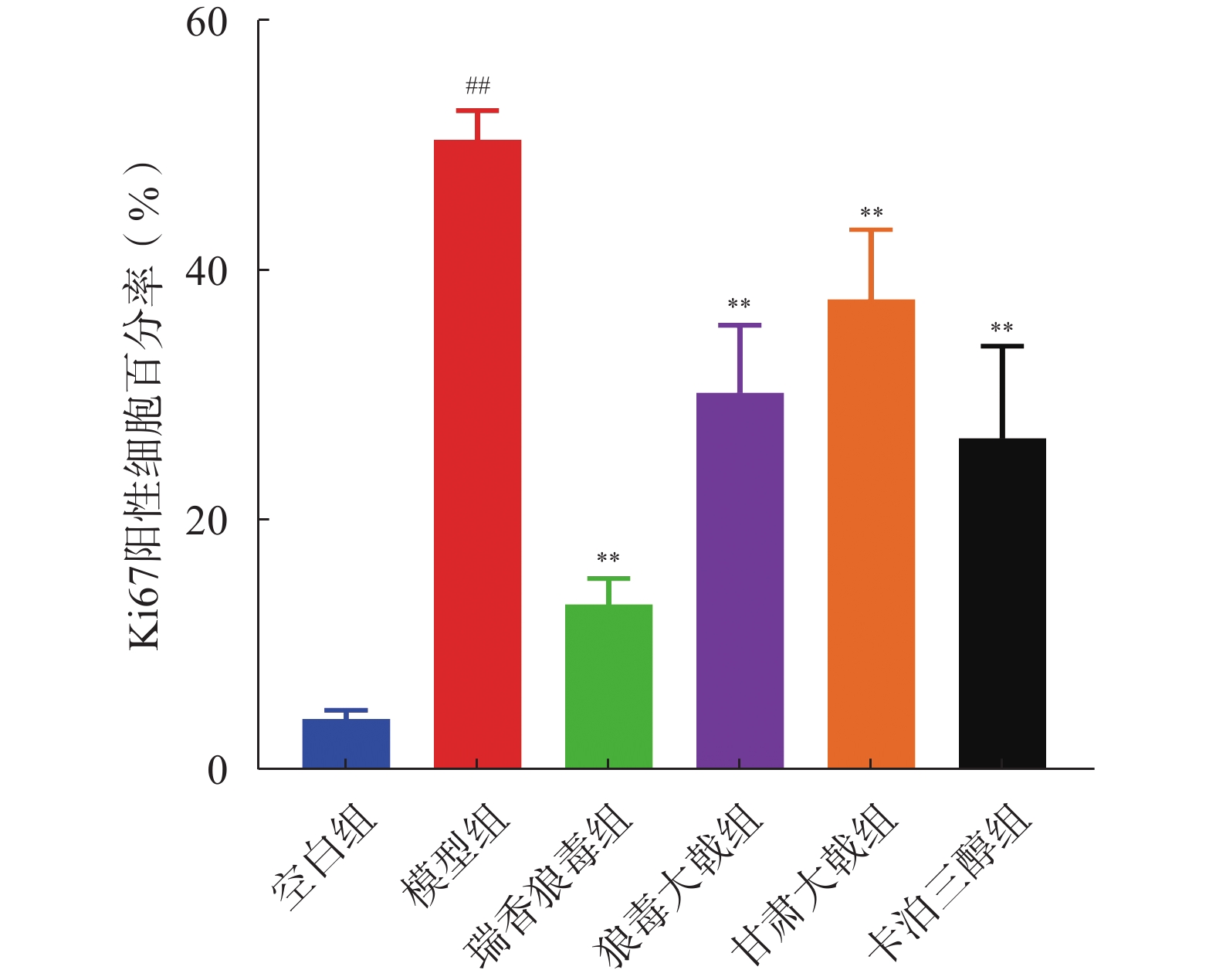
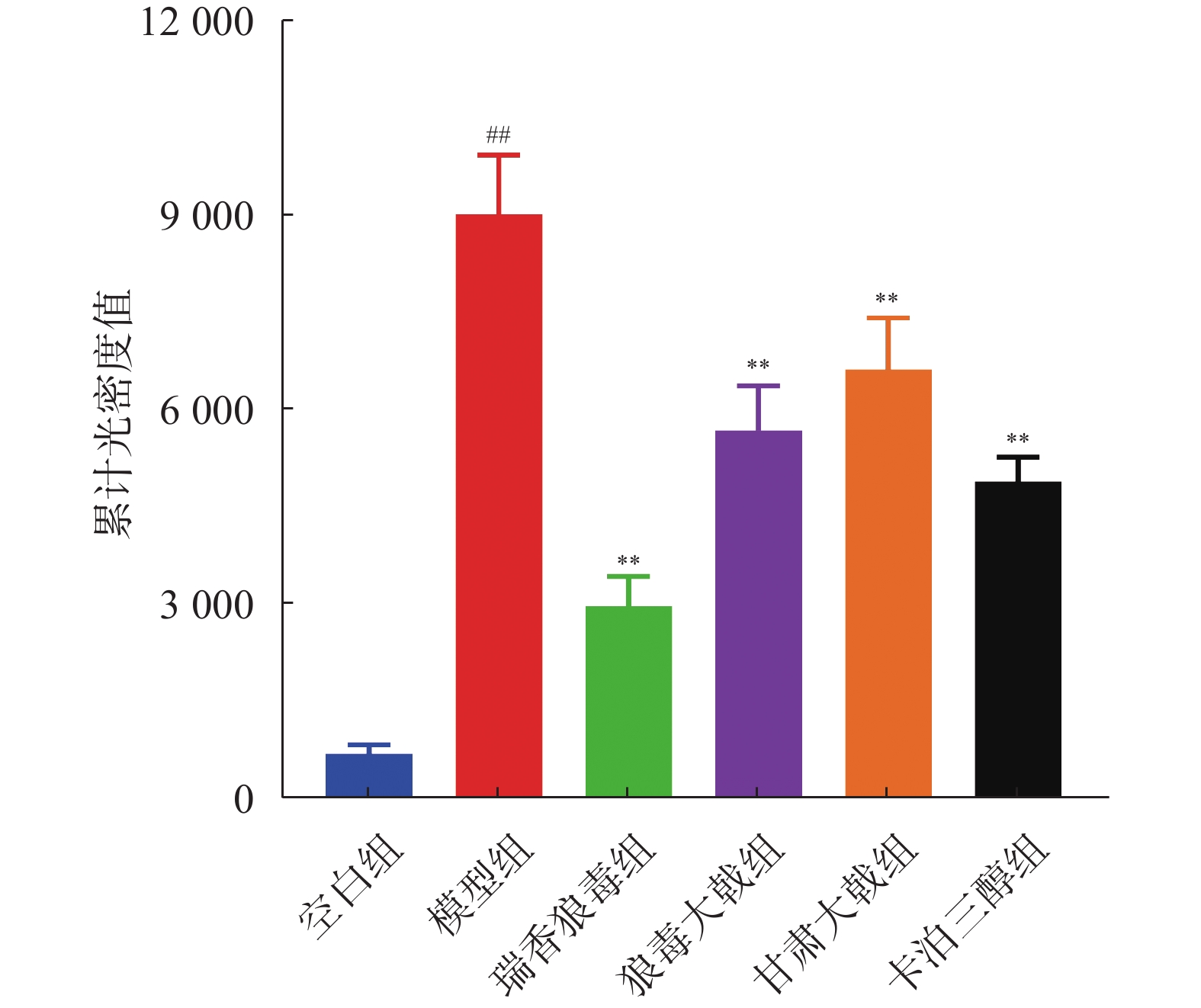
2026, 44(10): 508-514, 533.
doi: 10.12206/j.issn.2097-2024.202510044
Abstract:
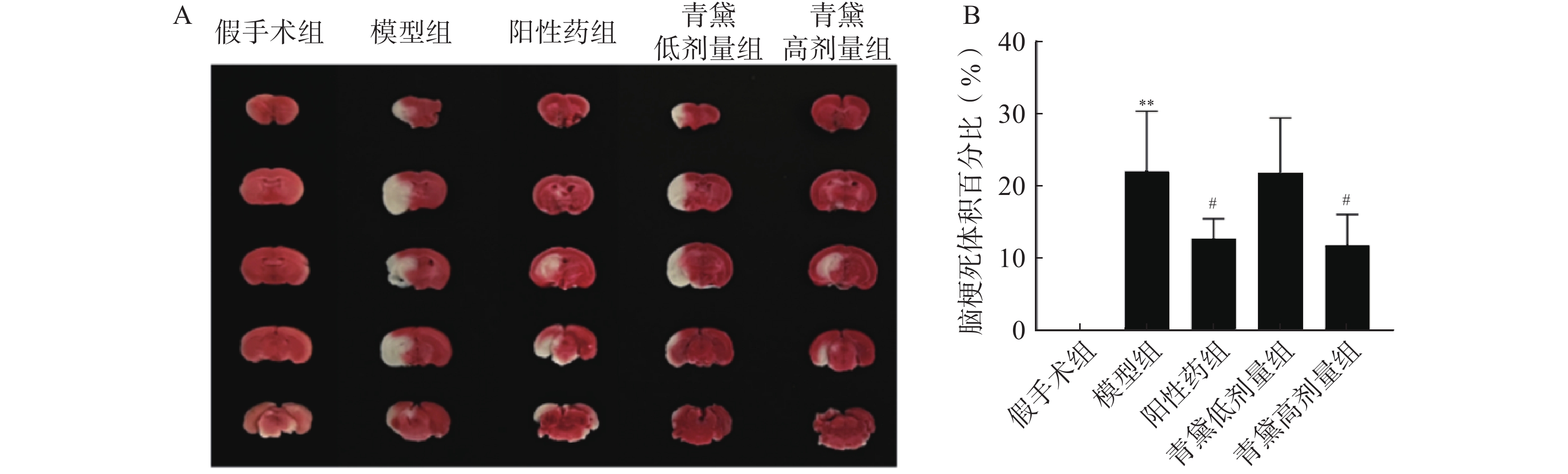
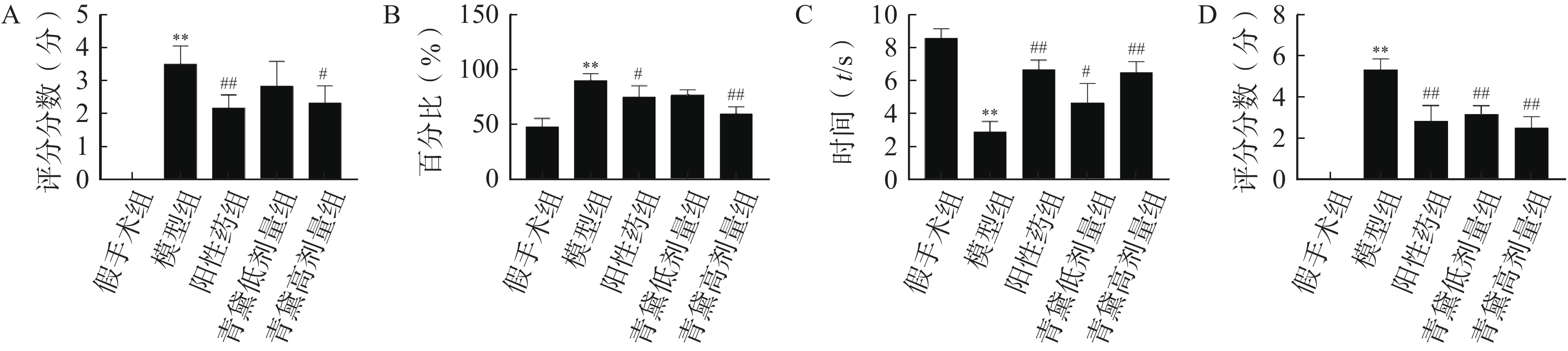
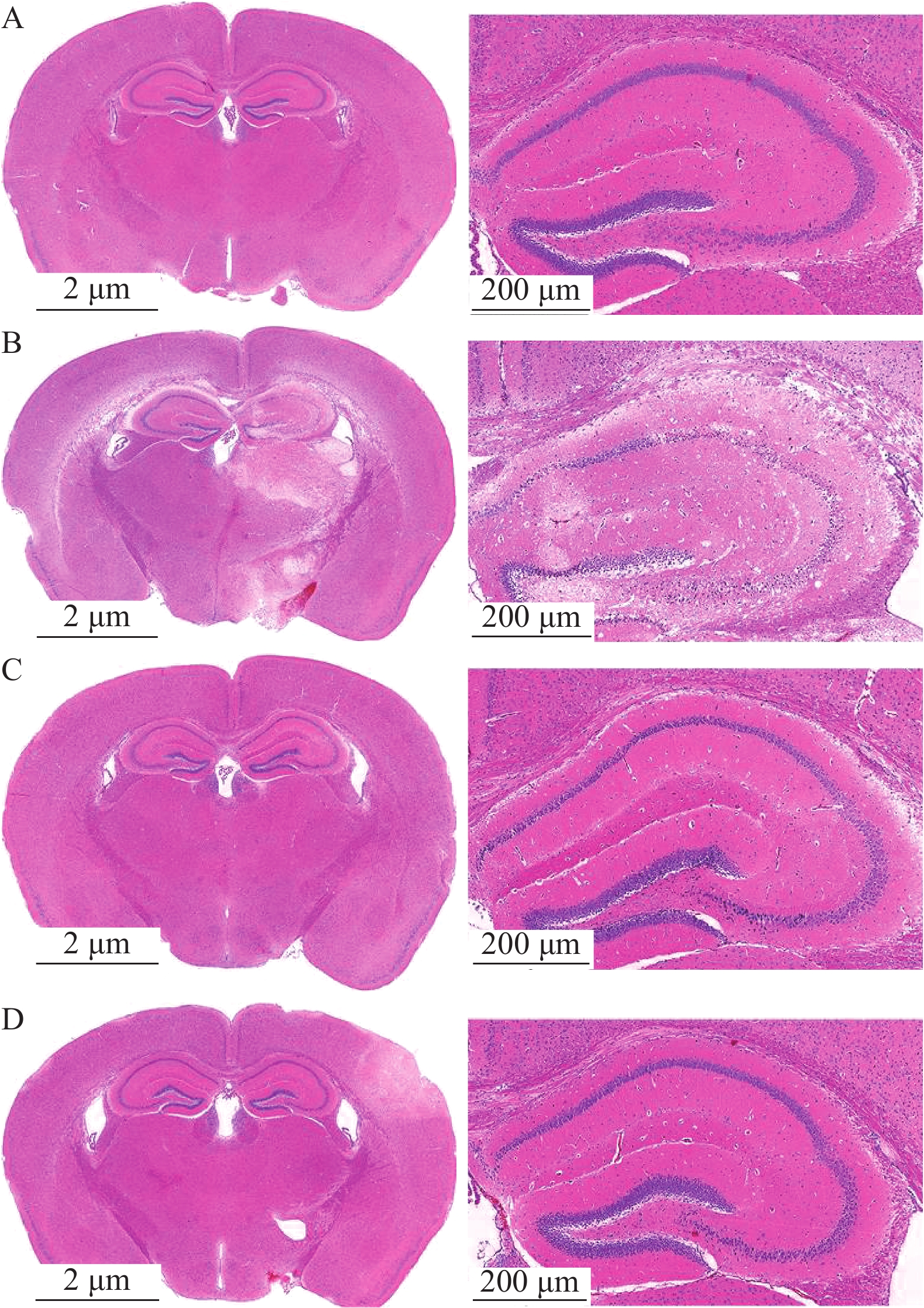
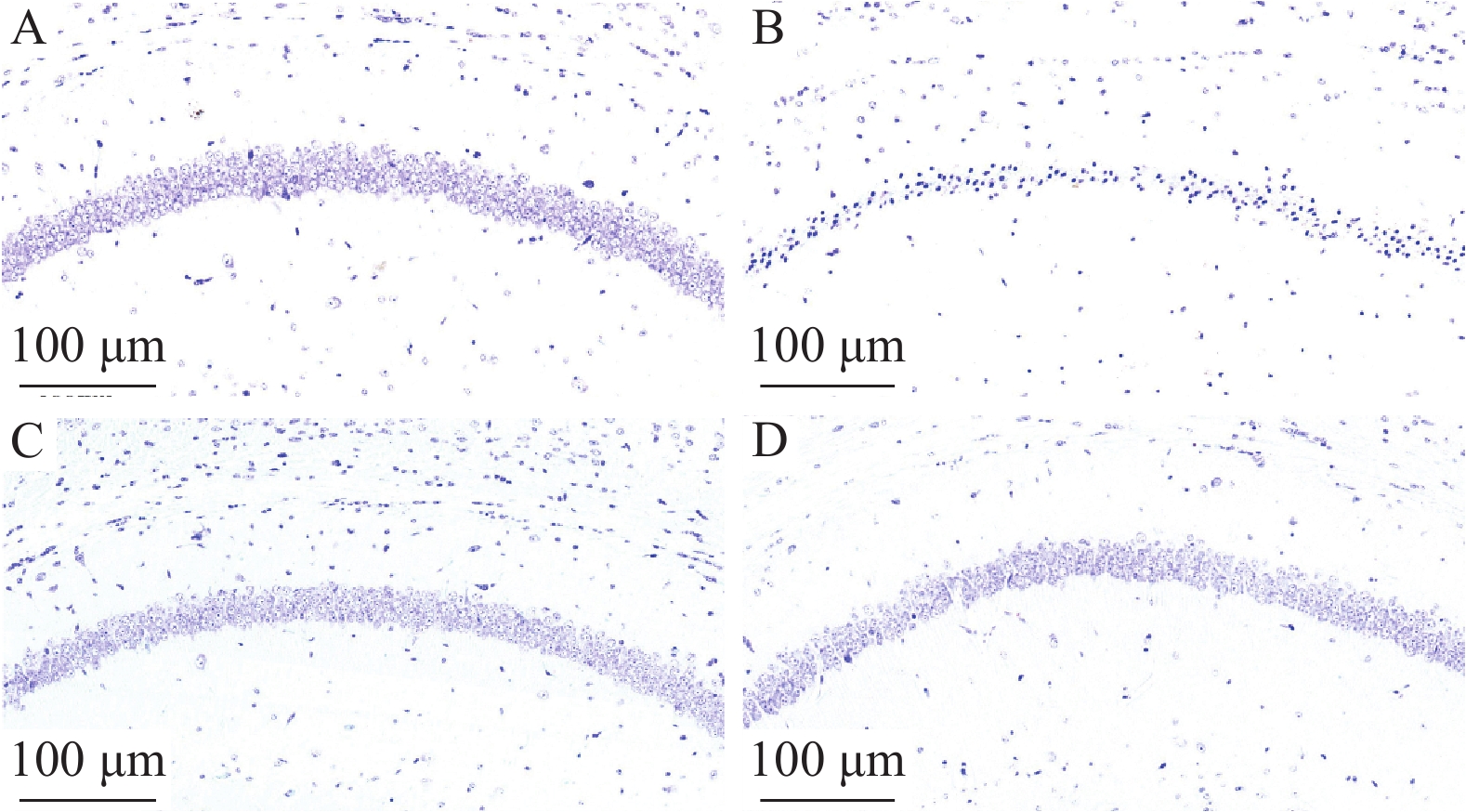
Objective To investigate the protective effect of Indigo Naturalis on cerebral ischemia-reperfusion injury in mice. Methods The mouse model of middle cerebral artery occlusion/reperfusion (MCAO/R) was established using the filament ligation method. Mice were randomly divided into five groups: sham surgery, model, positive drug control, low-dose Indigo Naturalis, and high-dose Indigo Naturalis. After 7 d of drug administration, the relevant experiments were performed. Neurological function was assessed via behavioral scoring, balance beam test, forelimb grip strength, and tail lift test. Brain infarct volume was quantified using 2,3,5-triphenyl tetrazolium chloride (TTC) staining. Histopathological changes and neuronal apoptosis were systematically analyzed through hematoxylin-eosin (HE) staining, Nissl staining, and TUNEL staining. Finally, polymerase chain reaction (PCR) was employed to detect mRNA expression levels of inflammatory cytokines interleukin-1β (IL-1β), tumor necrosis factor-α (TNF-α), interleukin-6 (IL-6), and microglial polarization markers (CD32, CD206) in the mouse cerebral cortex. Results Compared with the model group, the neurological function scores of mice in the high-dose Indigo Naturalis group showed significant improvement, and the motor ability recovery in each drug-administration group was remarkable (P<0.05, P<0.01). The cerebral infarct volume in the high-dose Indigo Naturalis group was significantly reduced (P<0.05). Histological results revealed that Indigo Naturalis could alleviate pathological damage in brain tissue and reduce neuronal apoptosis (P<0.01). PCR results demonstrated that after treatment with Indigo Naturalis, the expression of inflammatory factors and CD32 was significantly downregulated (P<0.05, P<0.01), while the expression of CD206 was significantly upregulated (P<0.05). Conclusion Indigo Naturalis could improve motor function in mice with cerebral ischemia-reperfusion injury, and its effects might be related to regulating inflammatory responses and reducing neuronal damage.
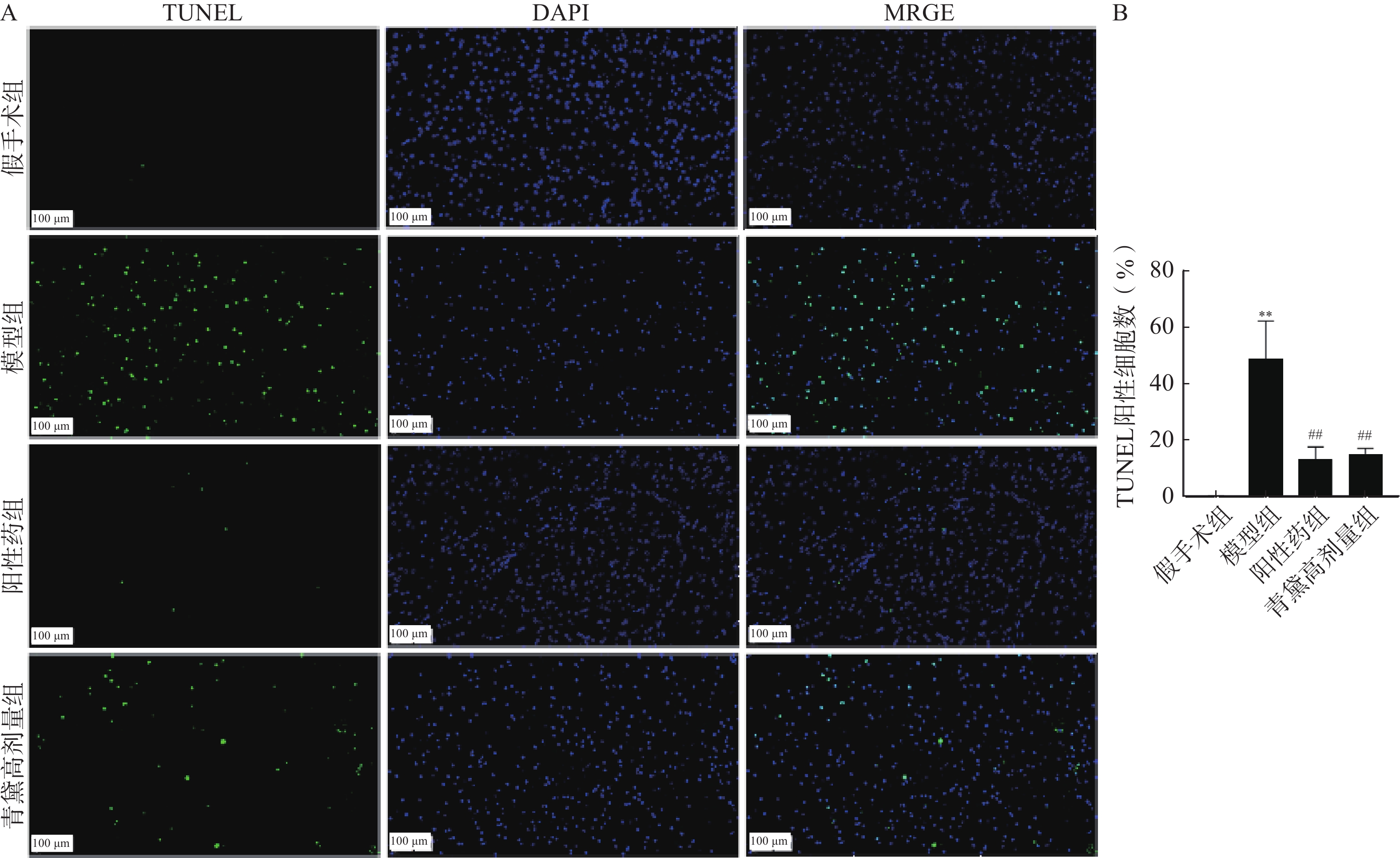
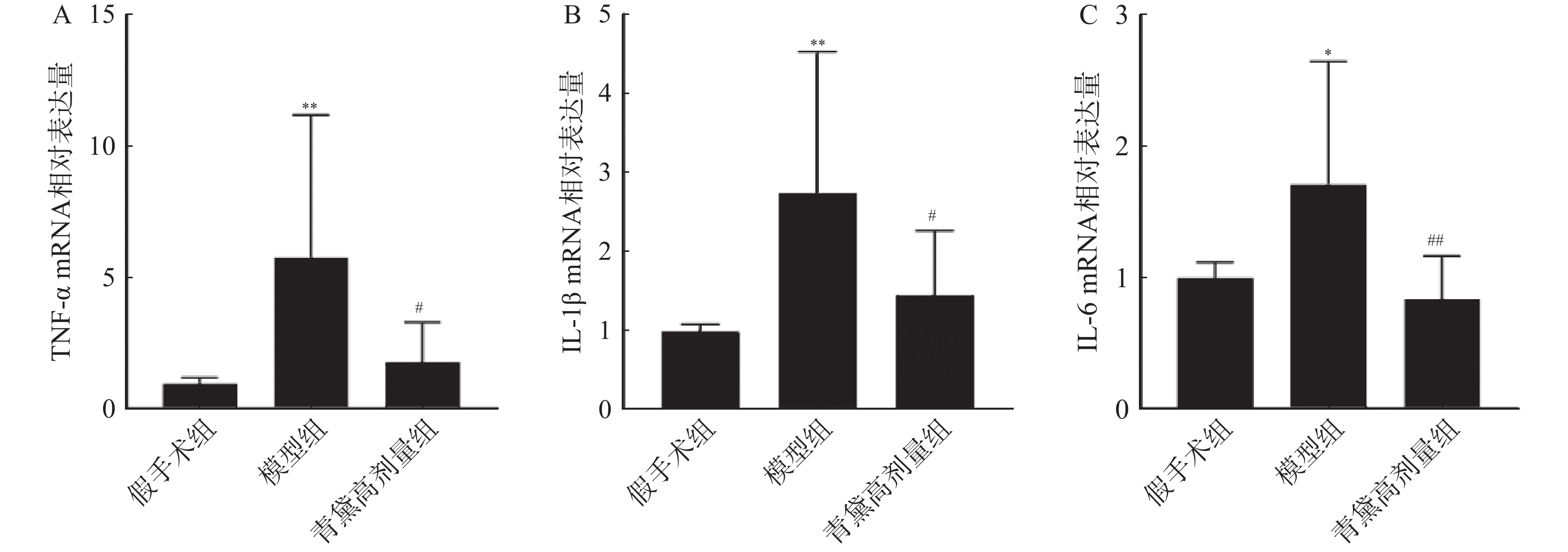
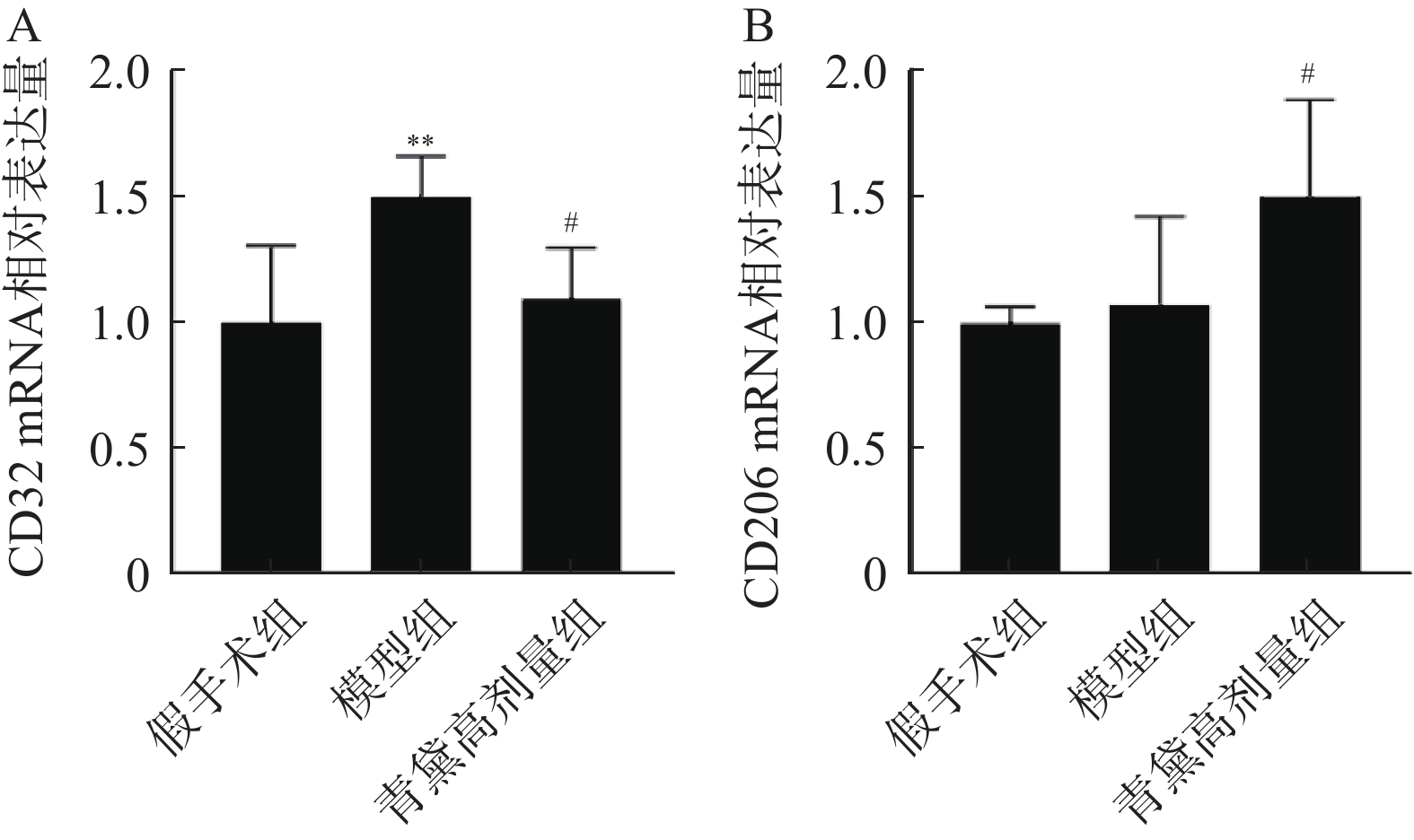
2026, 44(10): 515-524.
doi: 10.12206/j.issn.2097-2024.202504044
Abstract:
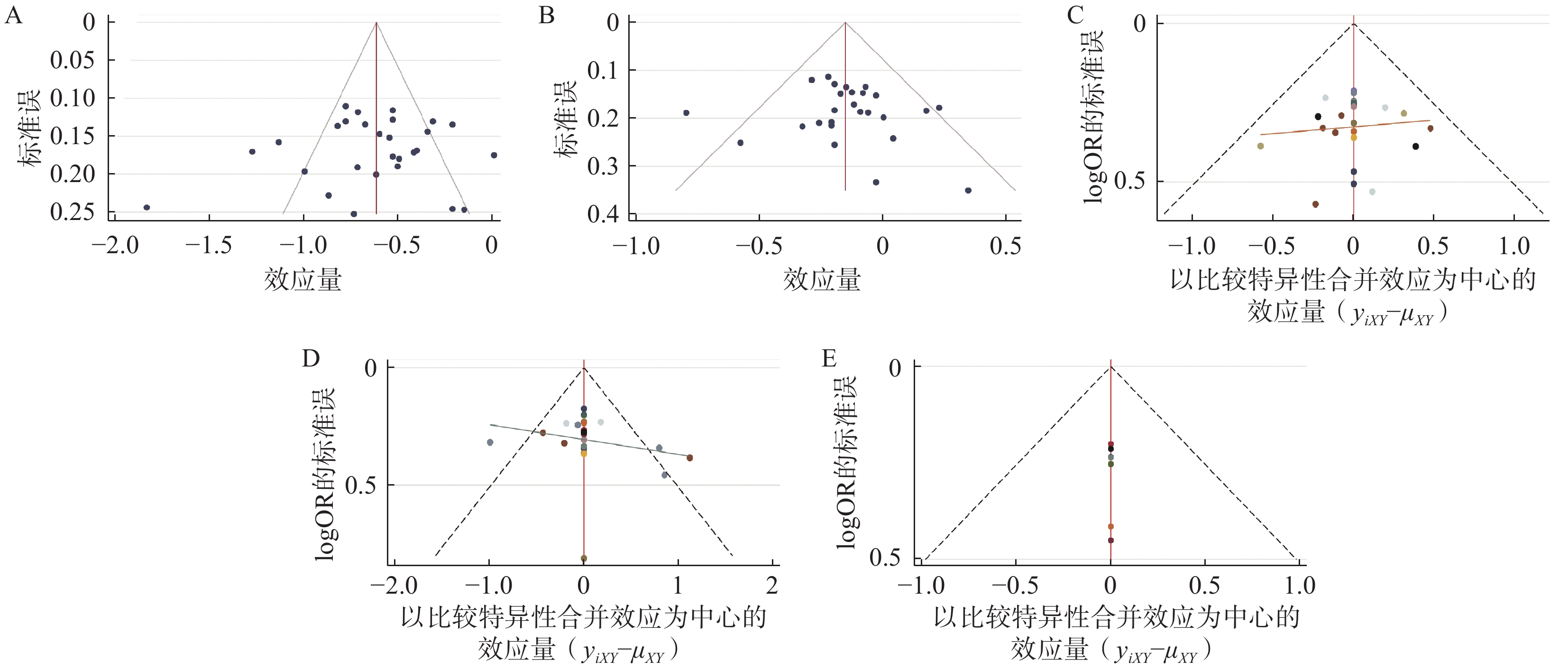
Objective To investigate the efficacy and safety of EGFR-TKIs monotherapy and its combination therapy in the first-line treatment of advanced non-small cell lung cancer (NSCLC) patients with EGFR mutations. Methods Databases such as PubMed, Embase, Cochrane Library, and ClinicalTrials.gov were systematically searched to collect eligible phase Ⅱ/Ⅲ randomized controlled trials (RCTs), with the time range from the establishment of the databases to June 2023. Two researchers independently screened the literature, extracted data, and assessed the risk of bias in the studies. Outcome data, including overall survival (OS), progression-free survival (PFS), objective response rate (ORR), grade 3 or higher adverse events (≥3 AEs), and serious adverse events (SAEs), were collected. A network meta-analysis was performed using R software (version 4.2.1) under the Bayesian theoretical framework. Subgroup analyses of survival outcomes (OS, PFS) were conducted based on different clinical and pathophysiological characteristics of the patients. Results A total of twenty-eight phase Ⅱ/Ⅲ RCTs were included in the study, involving a total of 7 460 patients and 18 first-line treatment regimens. The results showed that in terms of efficacy, gefitinib + pemetrexed-containing chemotherapy performed best in OS and ORR, while osimertinib + bevacizumab performed best in PFS. In terms of safety, furmonertinib had the lowest incidence of ≥3 grade AEs, and osimertinib had the lowest incidence of SAEs. Subgroup analysis results indicated that the efficacy and safety of various treatment regimens differed among patients with different clinical and pathological characteristics. Conclusion Monotherapy with third-generation EGFR-TKIs, represented by osimertinib, serves as the preferred therapeutic option considering both efficacy and safety profiles. While some combination therapies could enhance survival benefits, need to be vigilant about increased toxicity. Clinical decision-making should be tailored based on patients’ mutation subtypes, comorbidities, and tolerance.
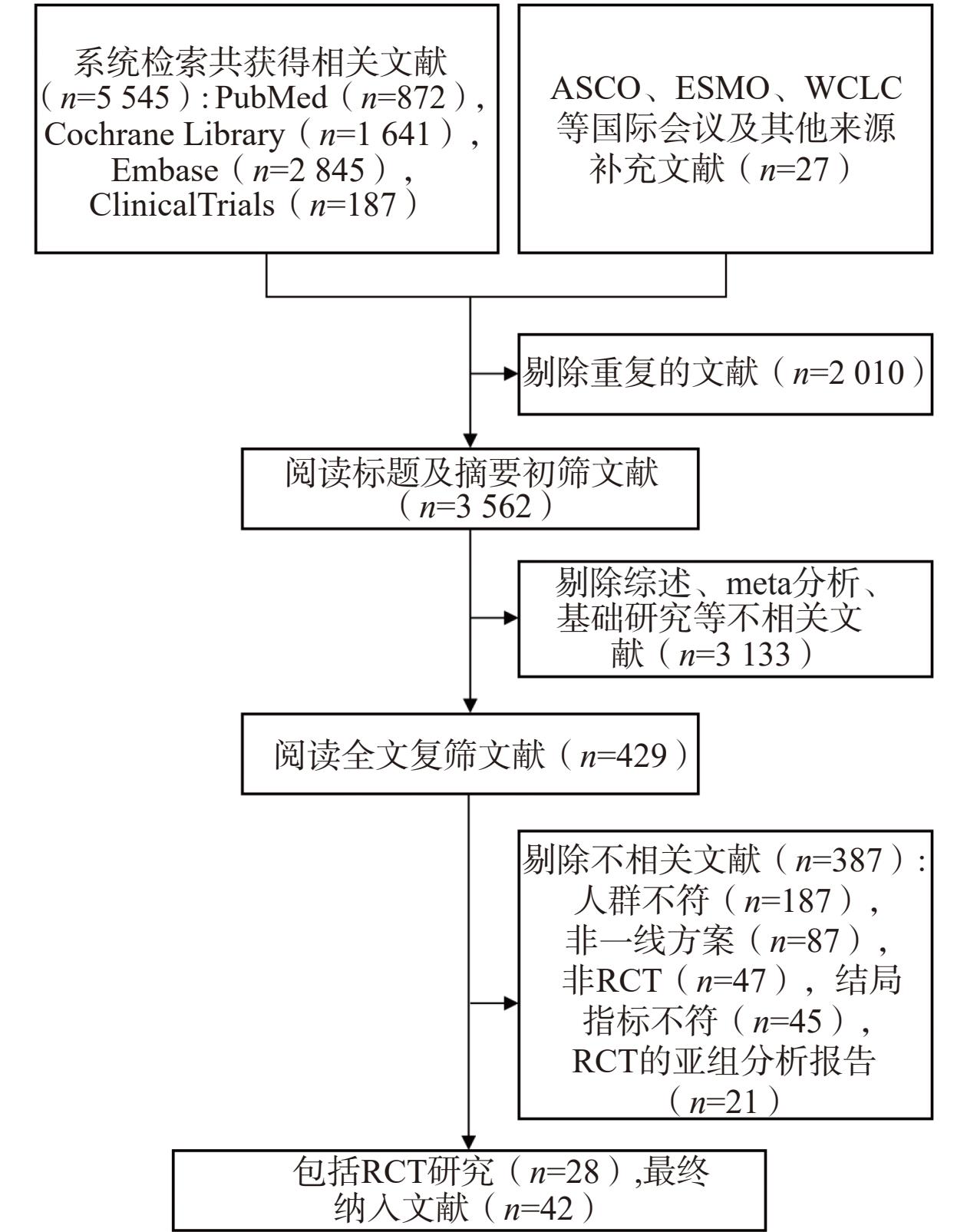
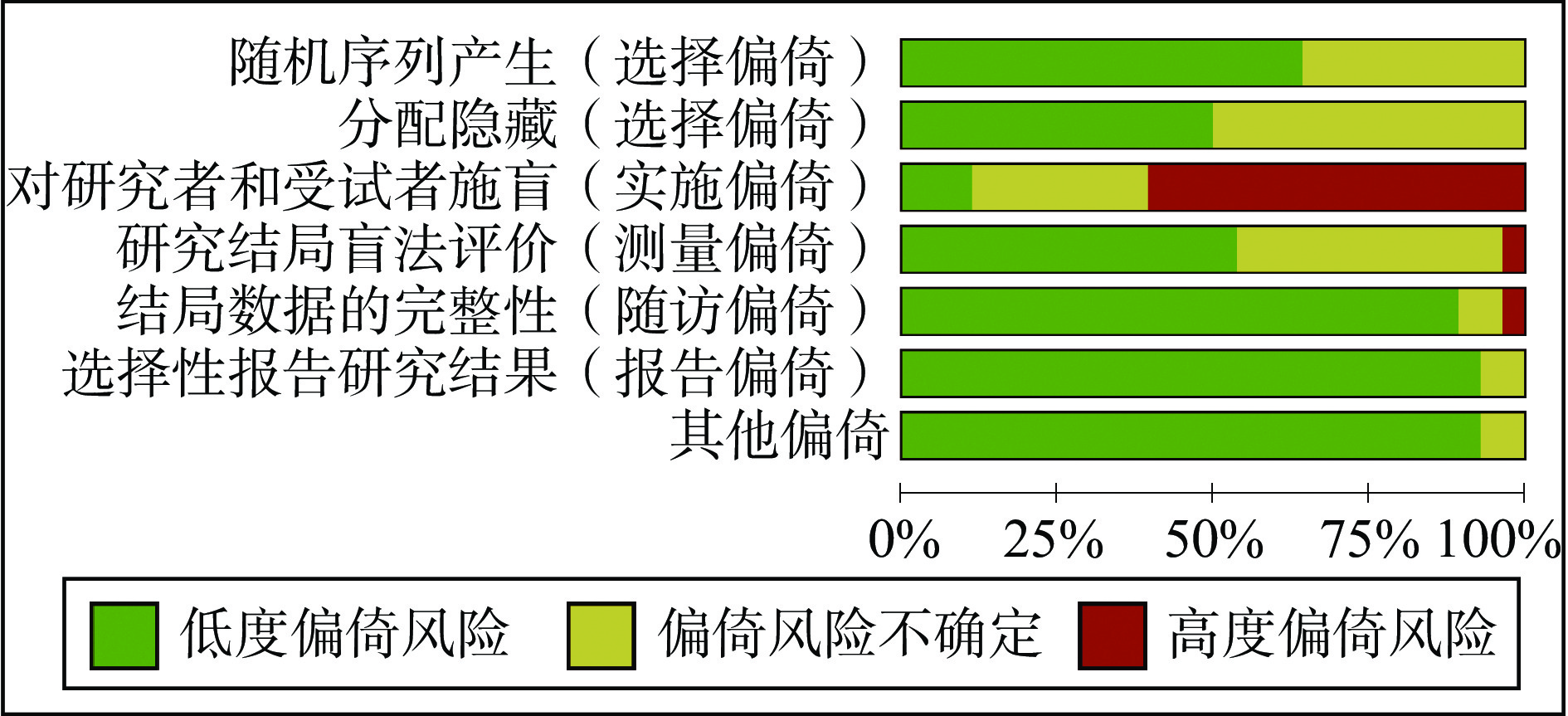
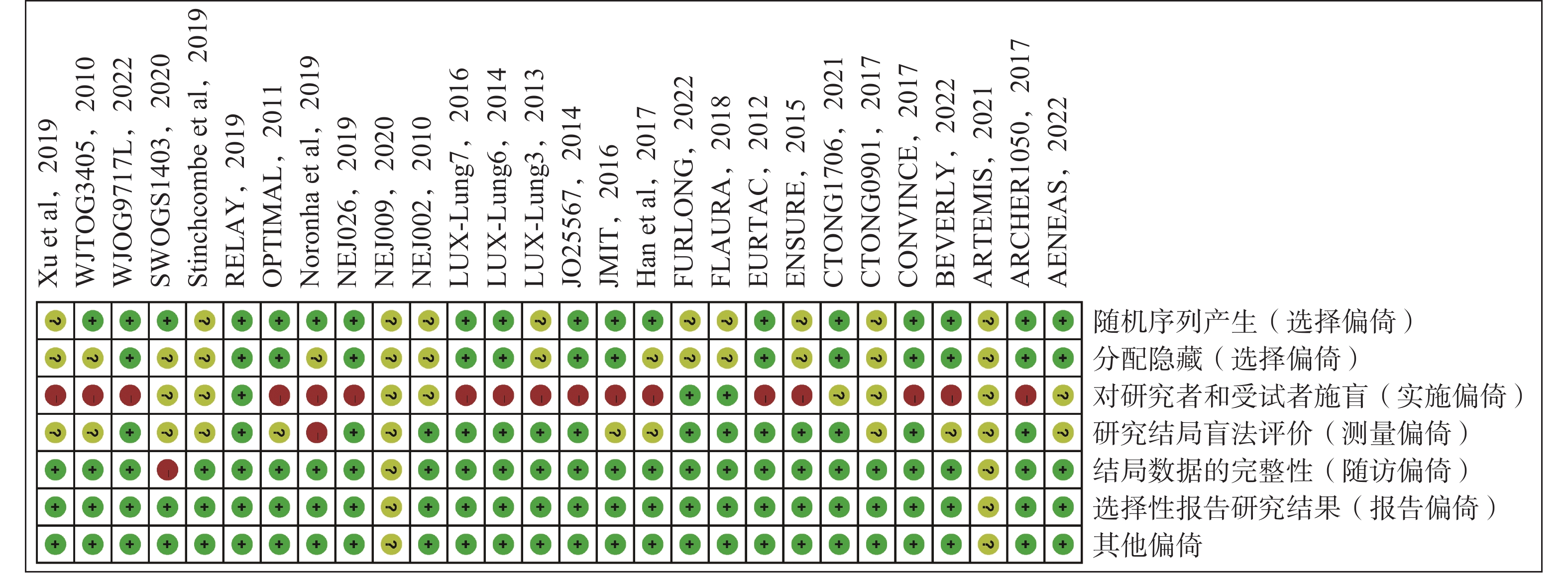
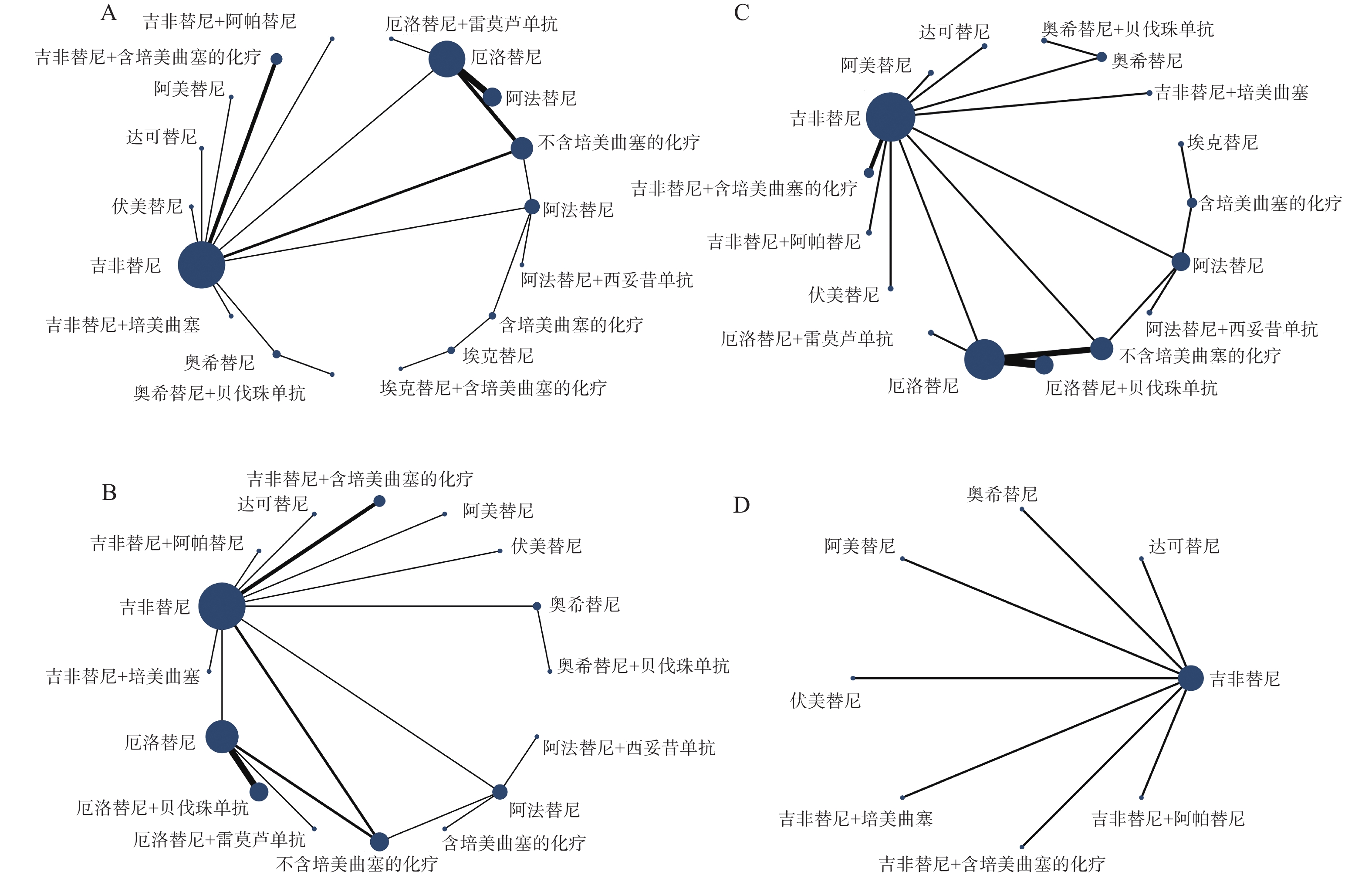
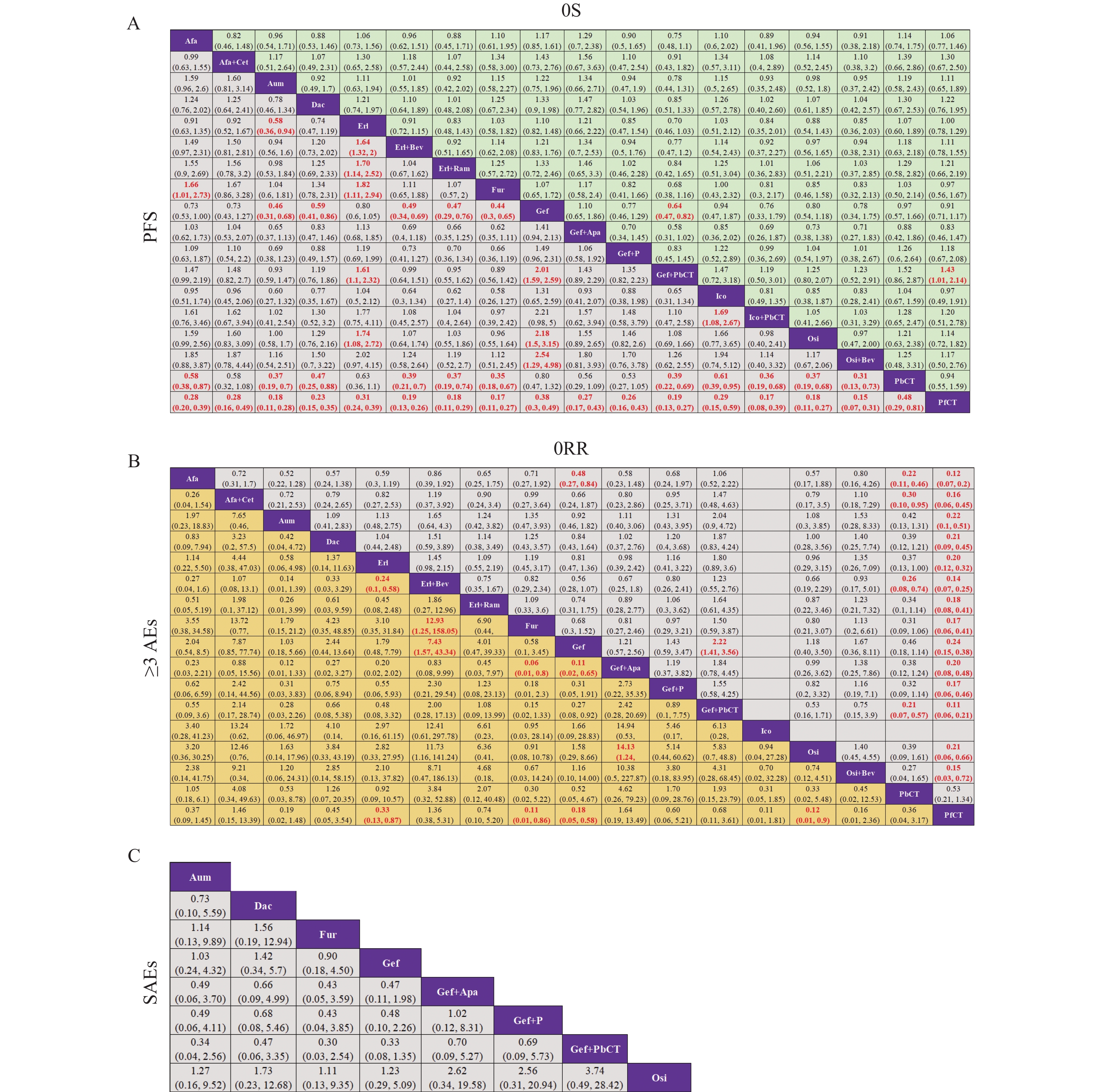
2026, 44(10): 525-528.
doi: 10.12206/j.issn.2097-2024.202512005
Abstract:
Objective To explore the clinical characteristics and preventive strategies of severe infusion-related reactions (IRR) caused by cetuximab and provide reference for its safe clinical application. Methods The clinical data of two patients who experienced severe IRR following cetuximab treatment were retrospectively analyzed. With clinical data and relevant literature, the underlying reaction mechanisms were elucidated and corresponding preventive measures were formulated. Results Two patients with malignant tumors received cetuximab infusion after pretreatment, and both developed severe IRR abruptly within minutes of infusion. Symptoms were relieved after drug discontinuation and symptomatic treatment, and the patients were discharged in stable condition. Conclusion Cetuximab-induced severe IRR is acute in onset. Clinically, standardized pre-medication, enhanced monitoring during infusion and implementation of preventive strategies are essential to guarantee medication safety.
2026, 44(10): 529-533.
doi: 10.12206/j.issn.2097-2024.202512047
Abstract:
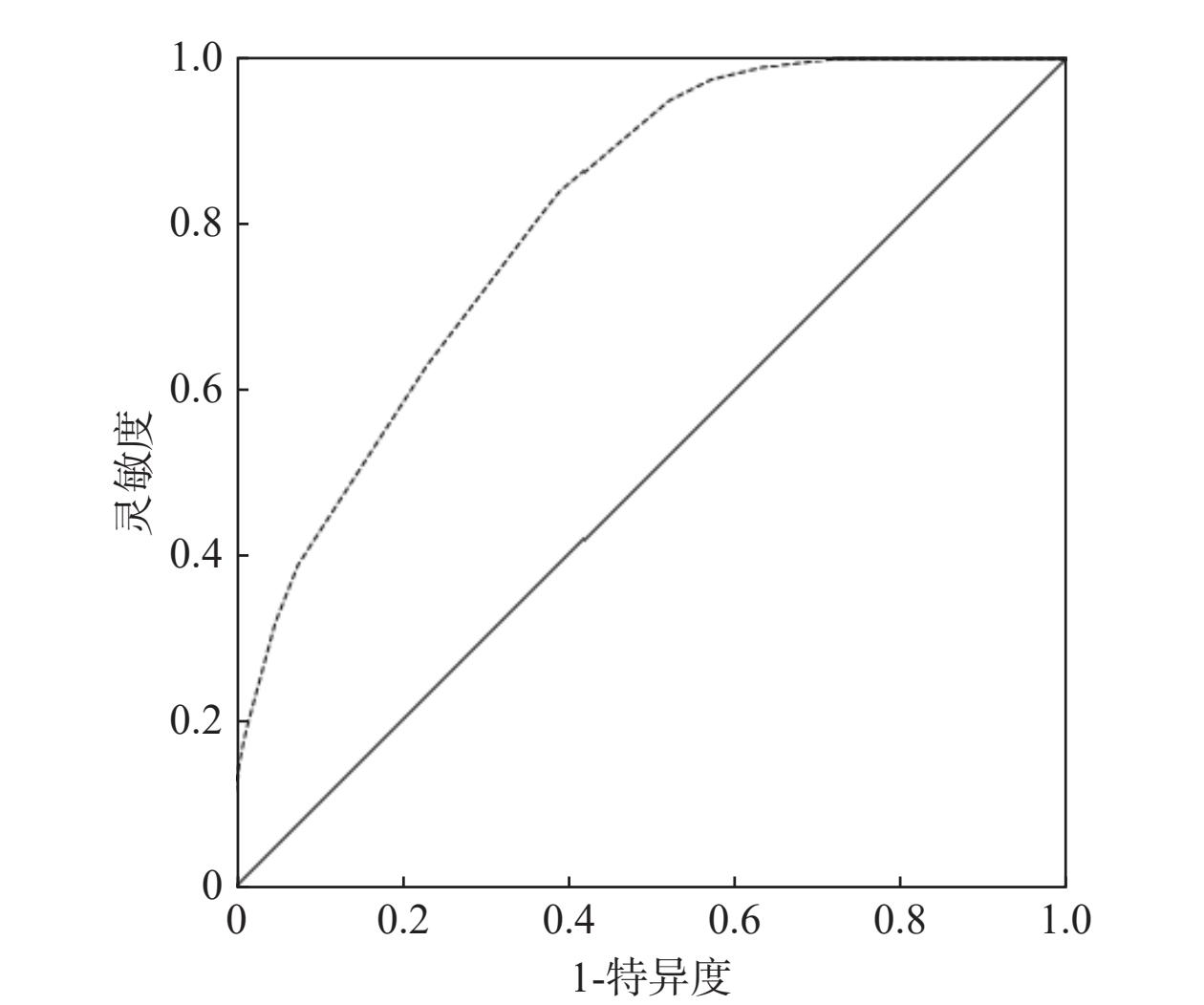
Objective To explore the influencing factors of medication errors (ME) in the intravenous admixture service center of a tertiary hospital in Xi’an and construct a prediction model. Methods A retrospective cohort study design was adopted, with 200 cases of ME recorded in the hospital’s intravenous dispensing center from January 1, 2023 to December 31, 2024, as the ME group. 400 cases of routine medication records without ME were randomly selected as the ME group. Baseline data from two groups were collected and compared, the influencing factors of ME in the hospital’s static fitting center were analyzed, and a decision tree mode was constructed. Results There was a statistically significant difference (P<0.05) in incomplete medical order information, high-risk drugs, preparation time, and pharmacist training frequency between the ME group and the non ME group. However, there was no statistically significant difference (P>0.05) in other data between the groups; Through logistics regression analysis, it was found that incomplete medical order information, high-risk drugs, preparation time, and pharmacist training frequency were all influencing factors for ME occurrence in hospital intravenous dispensing centers (OR>1, P<0.05); The constructed decision tree model selected a total of four explanatory variables, among which the configuration time was the important root node variable. The AUC of the decision tree model was 0.808 (95% CI: 0.774−0.842), the sensitivity was 0.840, the specificity was 0.635, and the Youden index was 0.475. Conclusion The occurrence of ME in the hospital's static dispensing center from 2023 to 2024 was related to incomplete medical order information, high-risk drugs, preparation time, and pharmacist training frequency. The decision tree model constructed based on the above indicators had certain predictive value for ME in the static dispensing center.
2026, 44(10): 534-538.
doi: 10.12206/j.issn.2097-2024.202604008
Abstract:
Objective To evaluate the effect of smart medication boxes on medication adherence among middle-aged and older patients with polypharmacy in real world. Methods A single-center randomized controlled trial was conducted in 147 middle-aged and older patients with polypharmacy under long-term follow-up management at a tertiary hospital from June, 2020 to May, 2023. Participants were randomly assigned to the intervention group (n=73) or the control group (n=74). The intervention group received smart medication box-based reminders and monitoring, while the control group received routine medication guidance. Follow-up assessments were performed in baseline, 6 months, and 12 months. Medication adherence was evaluated by self-report and pill count, and the composite endpoint of death and rehospitalization was recorded. Repeated-measures analysis was used to compare changes in adherence between groups, and logistic regression was used to analyze the primary outcome. Results At 6 months, pill count-based adherence was significantly higher in the intervention group than in the control group [94.6% (95% CI: 92.8%-96.7%) vs 90.3% (95% CI: 88.5%-92.3%), P=0.002]. At 12 months, pill count-based adherence remained higher in the intervention group [95.3%(95% CI: 93.9%-97.0%)vs 88.4%(95% CI: 87.2%-90.8%), P=0.001]. Self-reported adherence was also significantly higher in the intervention group at 12 months (P=0.019). After adjustment for nursing level and health-related quality of life, no significant difference was observed between groups in the composite endpoint of death and rehospitalization. Conclusion Smart medication boxes could effectively improve objective medication adherence in middle-aged and older patients with polypharmacy and might help optimize long-term medication management. Their effect on major clinical outcomes still requires further validation.
2026, 44(10): 539-544.
doi: 10.12206/j.issn.2097-2024.202607004
Abstract:
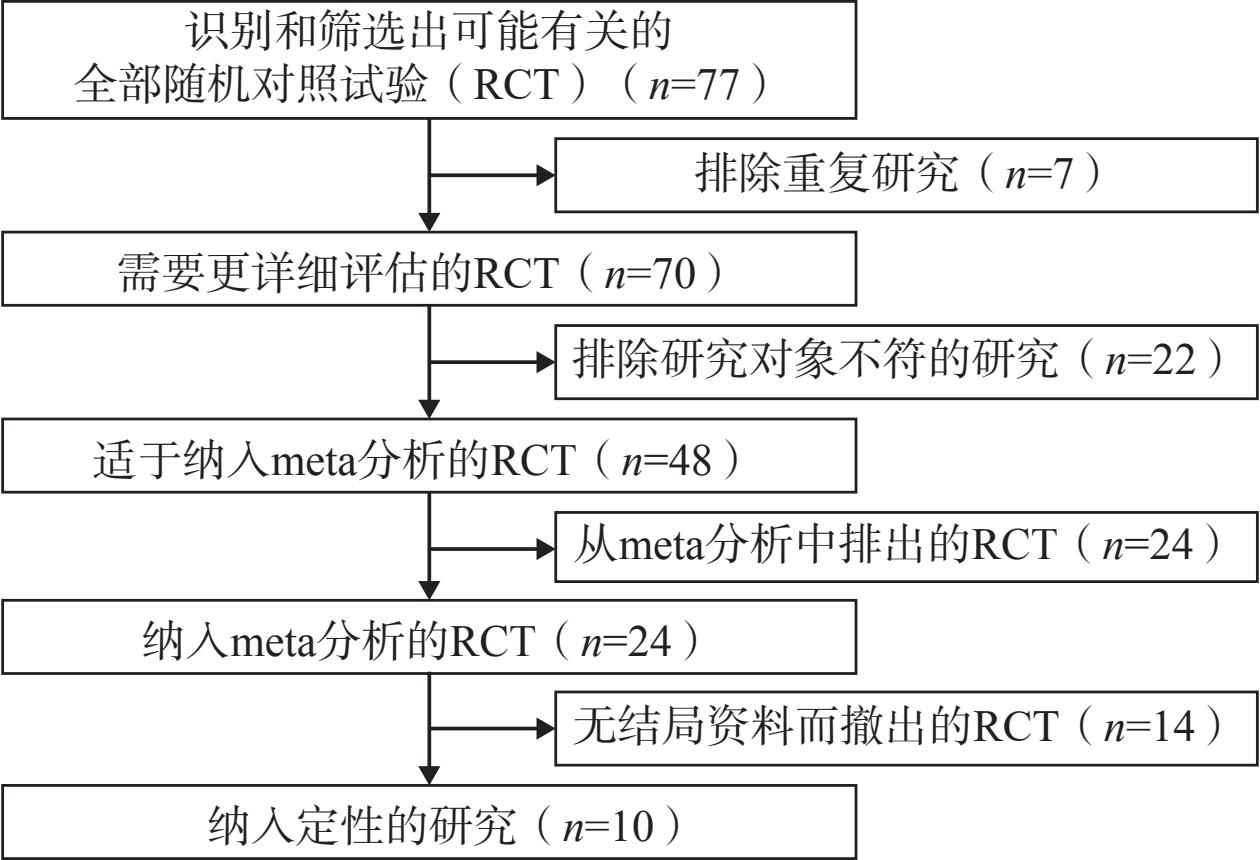
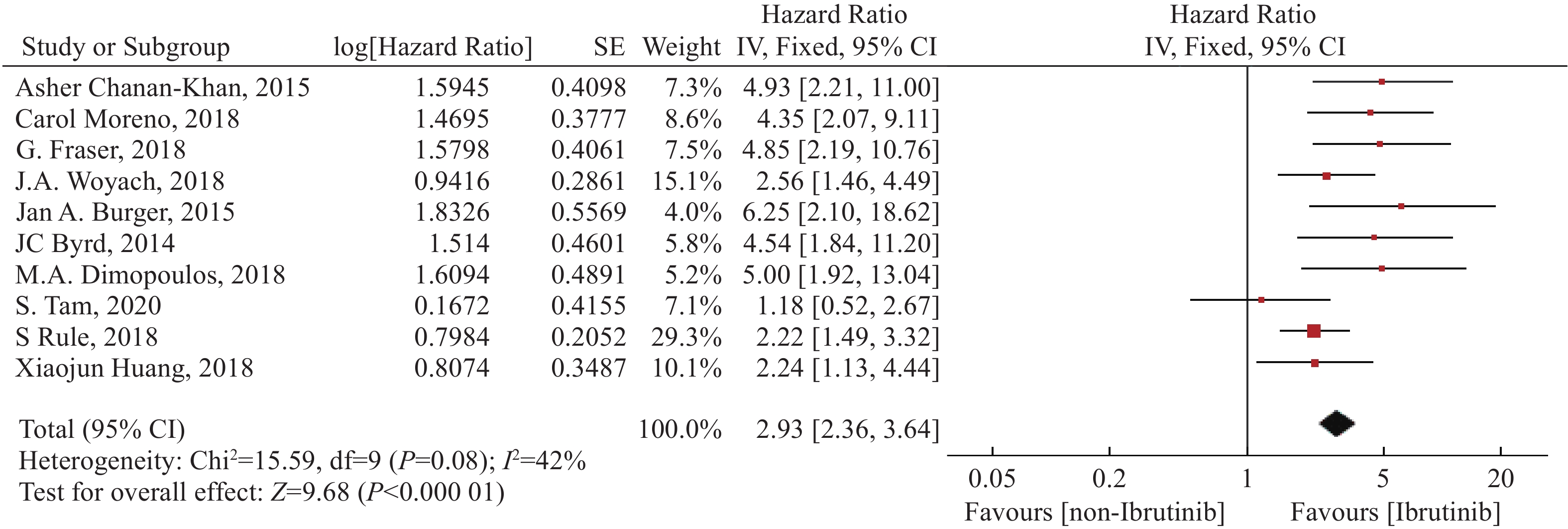
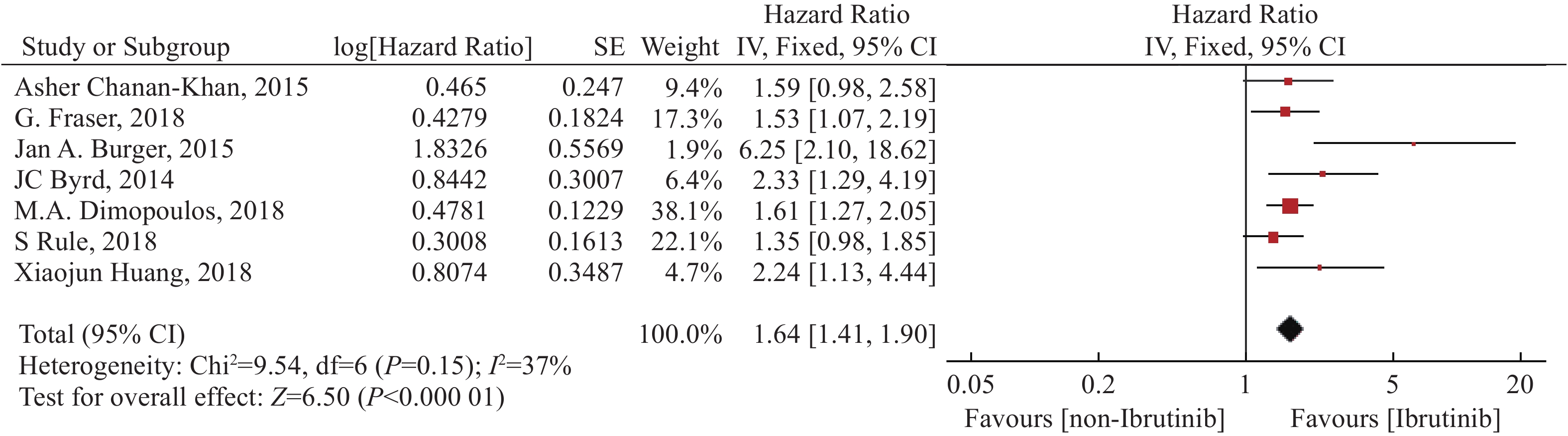
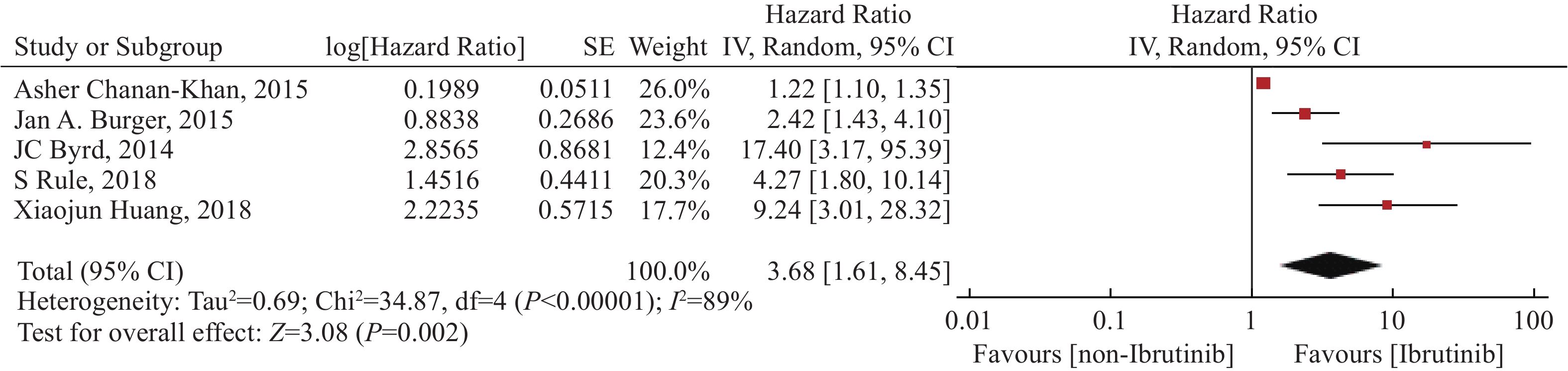
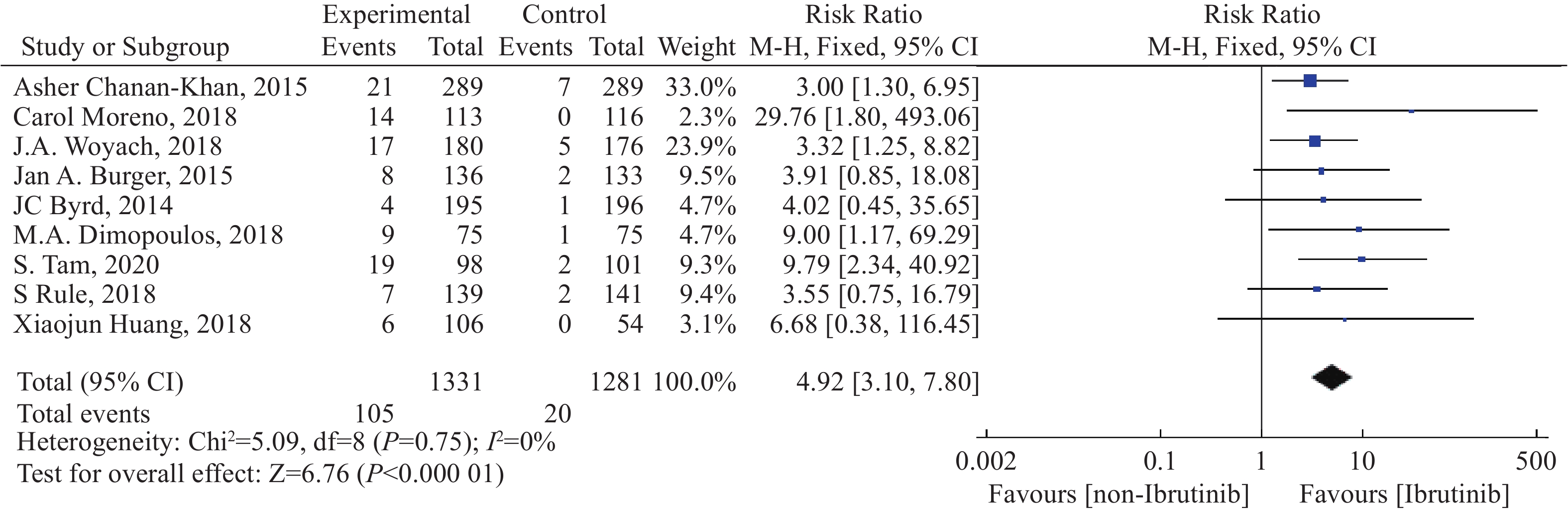
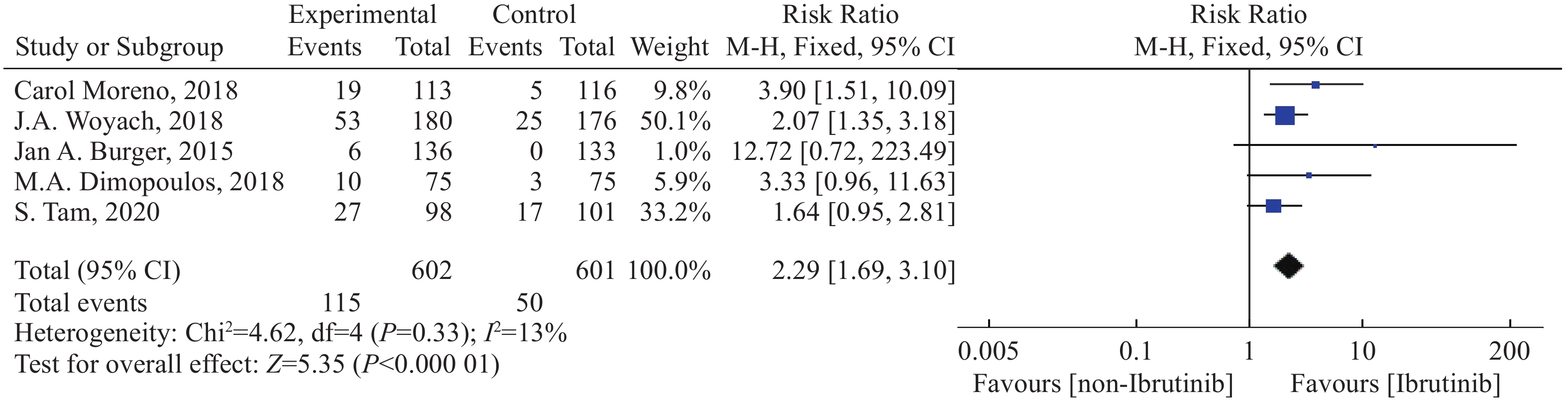
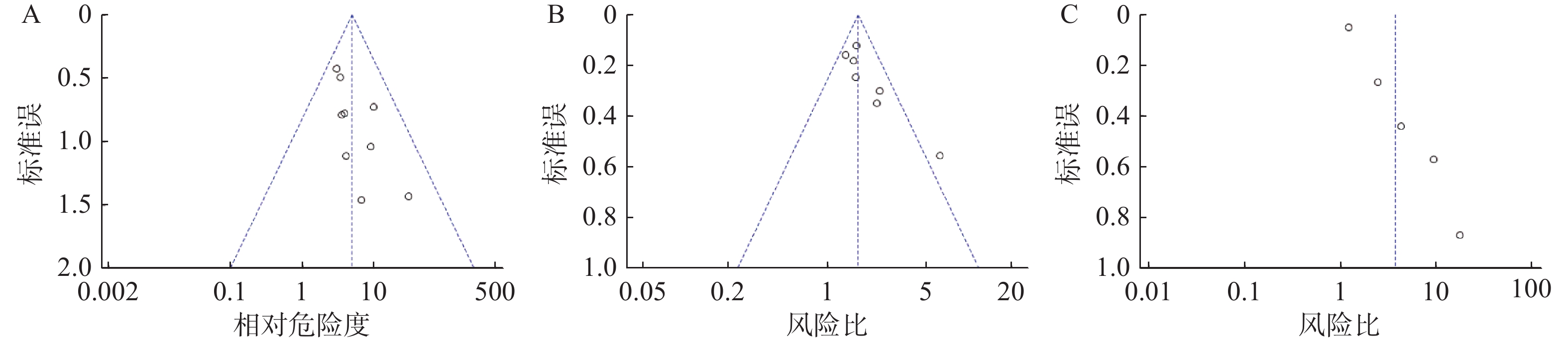
Objective To evaluate the efficacy of ibrutinib in patients with mantle cell lymphoma (MCL) and chronic lymphocytic leukemia (CLL)/small lymphocytic lymphoma (SLL), and assess the risk of cardiovascular adverse events. Methods PubMed, the Cochrane Library, Web of Science, and ClinicalTrials.gov were searched for studies on ibrutinib in lymphoma till December 2025. Hazard ratios (HRs) with 95% confidence intervals (CIs), relative risks (RRs), or odds ratios (ORs) with 95% CIs were used to compare progression-free survival (PFS) and overall survival (OS) between the ibrutinib group and the control group and evaluate the risk of ibrutinib-related adverse events, including hypertension and atrial fibrillation. Results A total of 10 studies involving 3 190 patients were included, with 1 620 patients in ibrutinib group and 1 570 patients in control group. Compared with the ibrutinib group, the control group had a significantly higher risk of PFS events (HR=2.93, 95% CI 2.36-3.64, P<0.01) and OS events (HR=1.64, 95% CI 1.41-1.90, P<0.01), indicating that PFS and OS were significantly better in the ibrutinib group than in the control group. The objective response rate (ORR) was significantly higher in the ibrutinib group than in the control group (RR=3.68, 95% CI 1.61-8.40, P=0.002). In addition, the ibrutinib group had a higher risk of hypertension (RR=2.29, 95% CI 1.69-3.10, P<0.01) and atrial fibrillation (RR=4.92, 95% CI 3.10-7.80, P<0.01). Conclusion Ibrutinib significantly improved prognosis in patients with MCL and CLL/SLL, but it was associated with significantly increased risks of hypertension and atrial fibrillation.
 Contribution System
 Author Login
 Review Login
 Editor Login
 Reader Login




 News