

2026 Vol. 46, No. 3
Display Method:
2026, 44(3): 113-119.
doi: 10.12206/j.issn.2097-2024.202409017
Abstract:
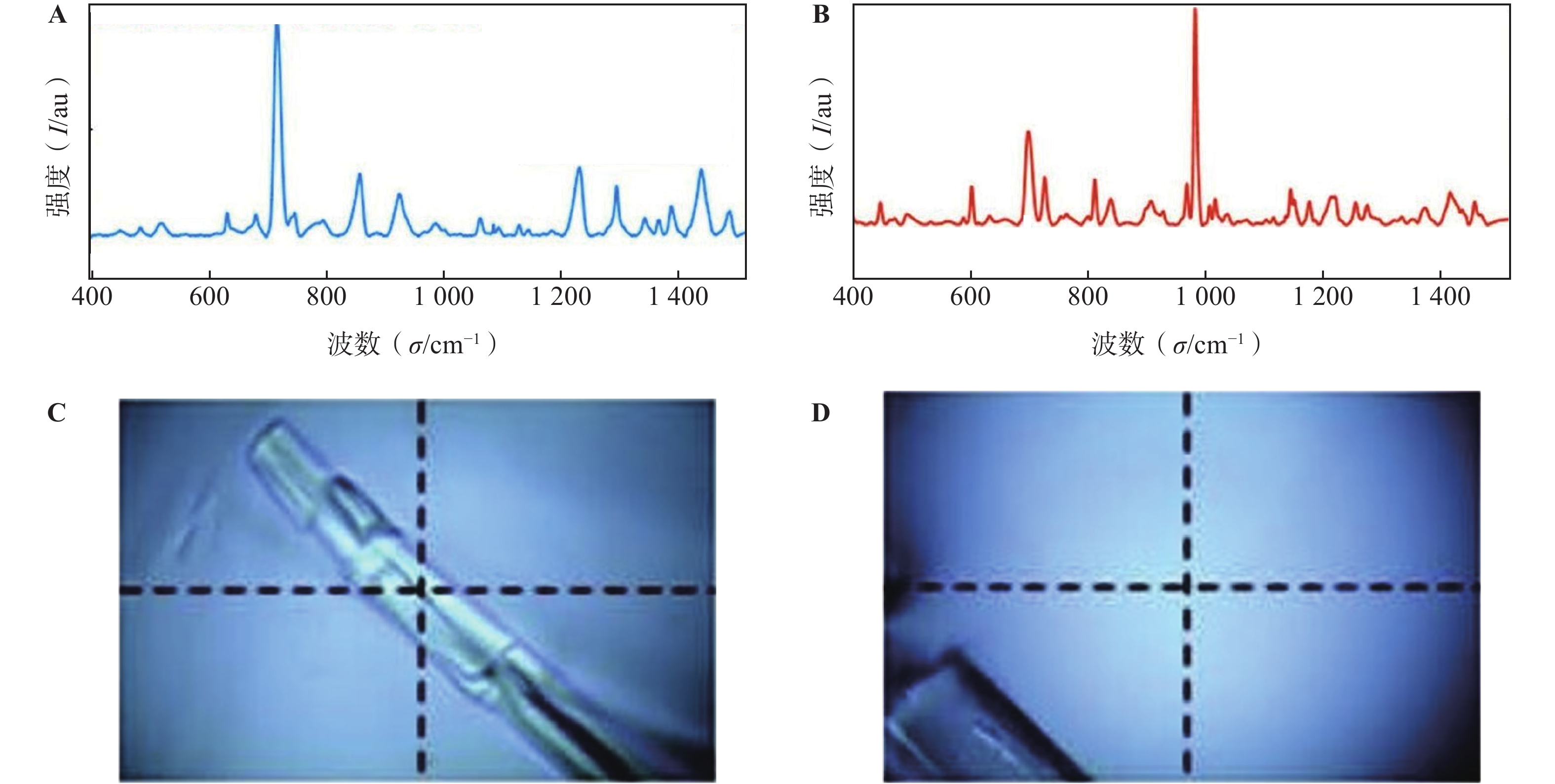
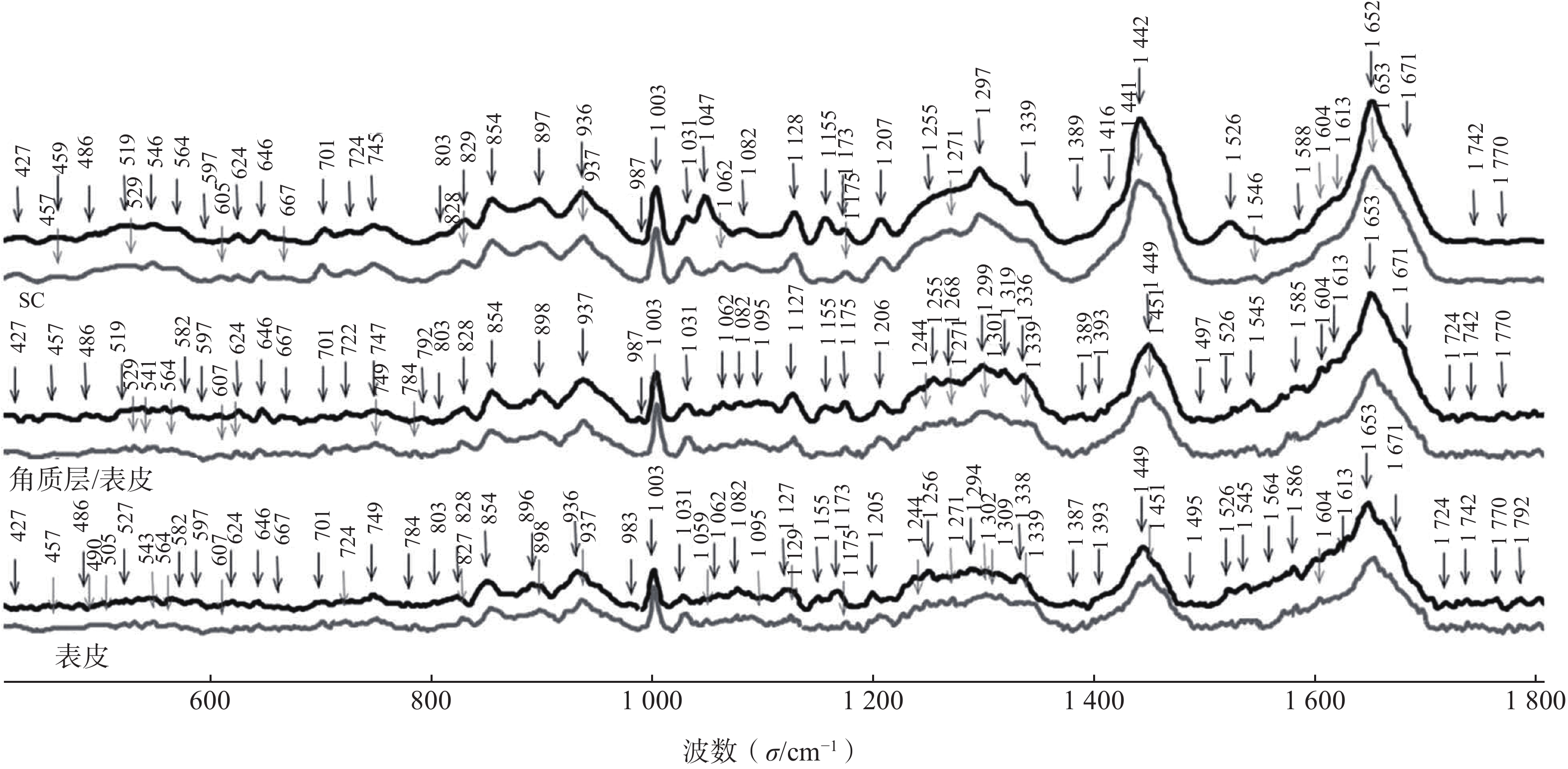
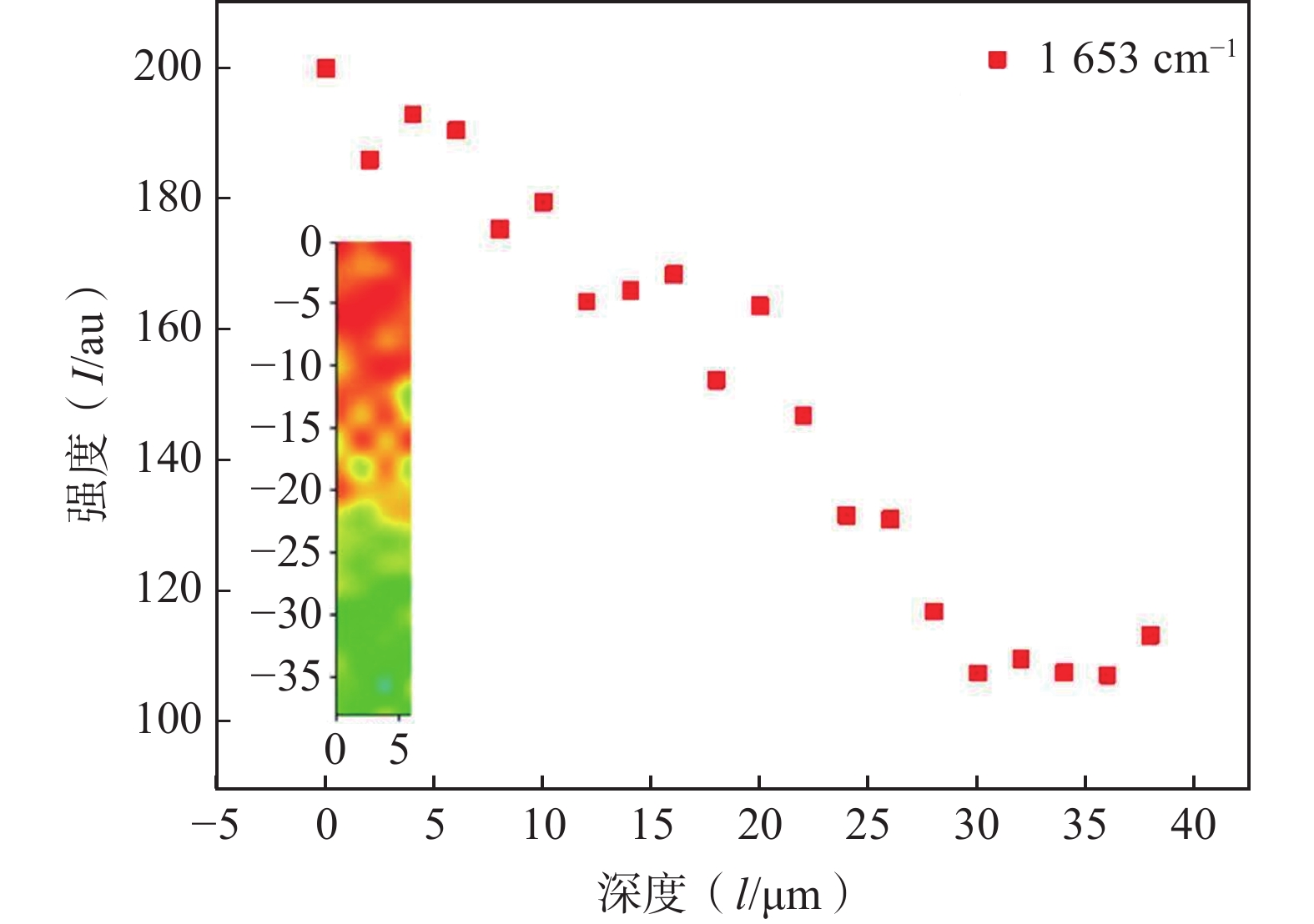
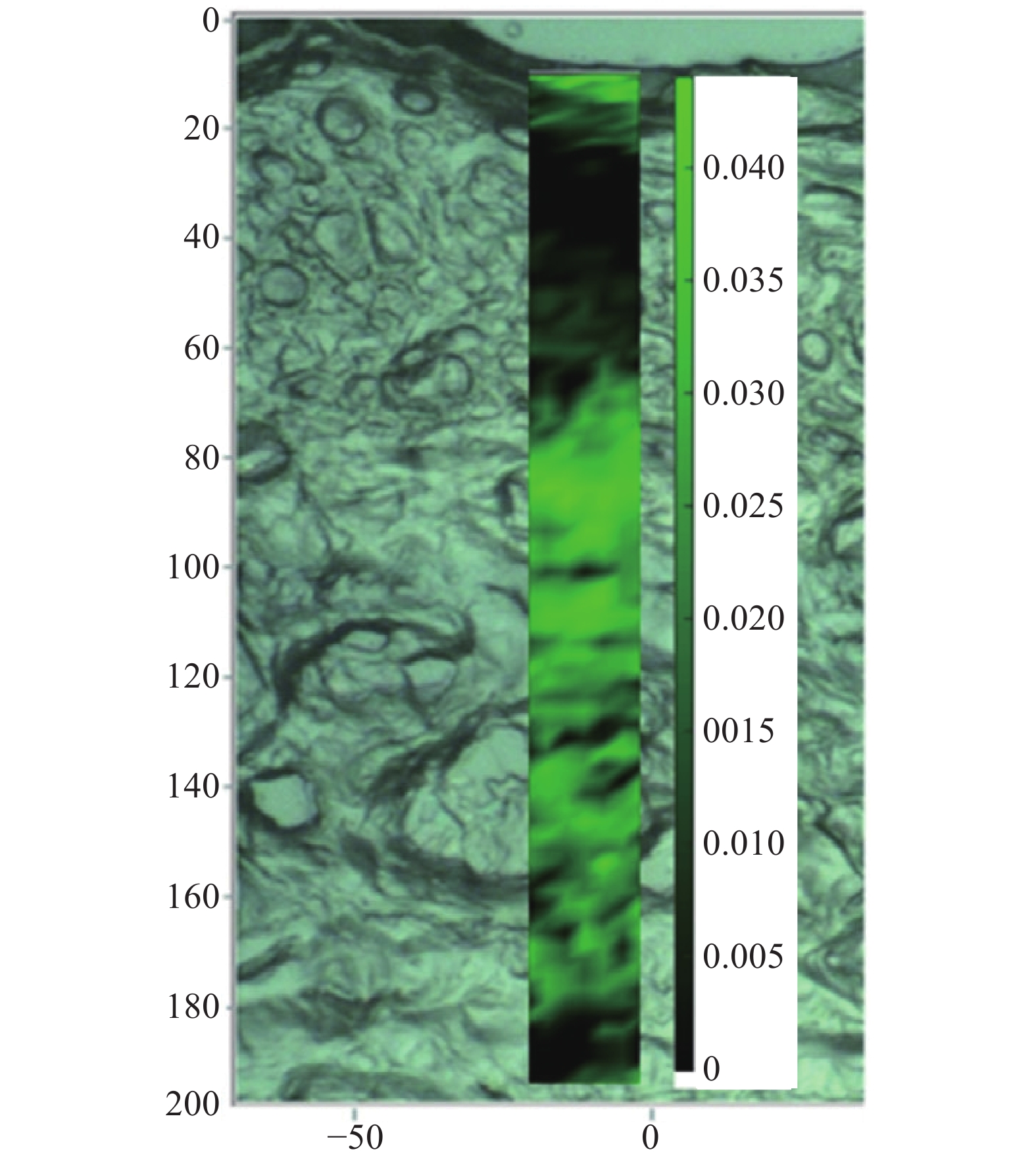
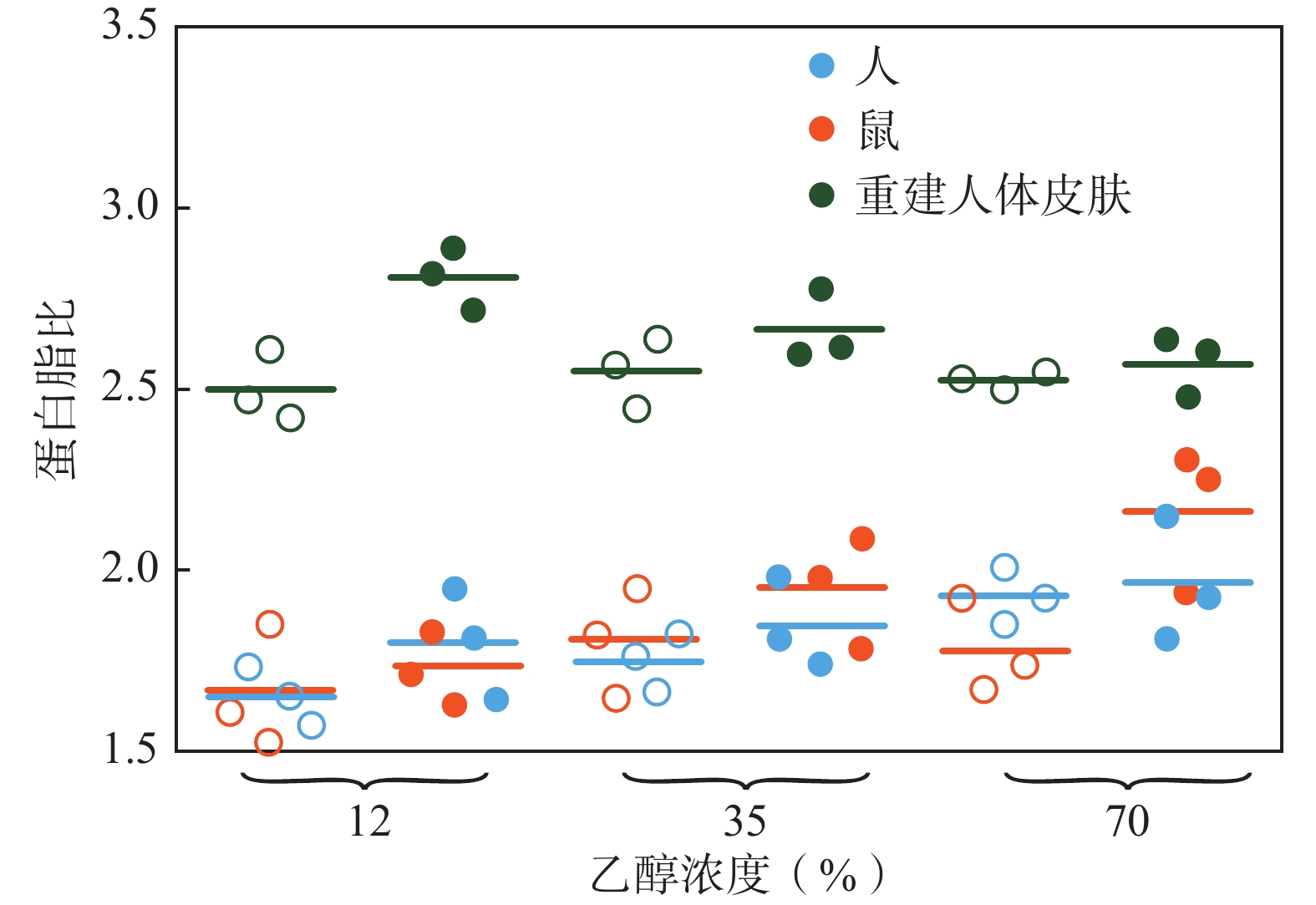
Transdermal drug delivery offers advantages such as safety, convenience, and high patient compliance. However, the complex structure of the skin and significant individual variability, particularly the barrier function of the stratum corneum, result in generally low bioavailability for topical formulations. The formulation of topical drug products is complex, with numerous factors influencing quality, which requires strict control of product quality. Raman spectroscopy, as a non-destructive vibrational technique, combined with chemometric methods, imaging technology, and other spectroscopic techniques, can be applied to study the key quality attributes of topical drug formulations. The applications of Raman spectroscopy in studies of the crystal form, particle size distribution, excipient research, and in vitro transdermal experiments of topical drug formulations were summarized. In particular, it focused on the use of Raman spectroscopy in the selection of skin samples for in vitro permeation tests, the study of drug spatial distribution in the skin, and the interactions between drugs and the skin.
Transdermal drug delivery offers advantages such as safety, convenience, and high patient compliance. However, the complex structure of the skin and significant individual variability, particularly the barrier function of the stratum corneum, result in generally low bioavailability for topical formulations. The formulation of topical drug products is complex, with numerous factors influencing quality, which requires strict control of product quality. Raman spectroscopy, as a non-destructive vibrational technique, combined with chemometric methods, imaging technology, and other spectroscopic techniques, can be applied to study the key quality attributes of topical drug formulations. The applications of Raman spectroscopy in studies of the crystal form, particle size distribution, excipient research, and in vitro transdermal experiments of topical drug formulations were summarized. In particular, it focused on the use of Raman spectroscopy in the selection of skin samples for in vitro permeation tests, the study of drug spatial distribution in the skin, and the interactions between drugs and the skin.
2026, 44(3): 120-125, 131.
doi: 10.12206/j.issn.2097-2024.202505004
Abstract:
Obesity has become a major global health challenge. The treatment of simple obesity patients with Chinese medicine compound based on evidence-based therapy has the advantages of good clinical efficacy and high safety. Chinese medicine compound can play the role of reducing inflammation, improving oxidative stress and regulating insulin resistance by regulating MAPK, AMPK, JAK/STAT, PI3K-Akt-mTOR, NF-κB, PPARγ/RXRα, STING-IRF3 and other related signaling pathways, which is characteristic of multi-component, multi-pathway, multi-target regulation. The research progress in the modulation of relevant signaling pathways by traditional Chinese medicine combinations for the treatment of simple obesity were reviewed, which provided a theoretical basis and research ideas for clinical practice.
Obesity has become a major global health challenge. The treatment of simple obesity patients with Chinese medicine compound based on evidence-based therapy has the advantages of good clinical efficacy and high safety. Chinese medicine compound can play the role of reducing inflammation, improving oxidative stress and regulating insulin resistance by regulating MAPK, AMPK, JAK/STAT, PI3K-Akt-mTOR, NF-κB, PPARγ/RXRα, STING-IRF3 and other related signaling pathways, which is characteristic of multi-component, multi-pathway, multi-target regulation. The research progress in the modulation of relevant signaling pathways by traditional Chinese medicine combinations for the treatment of simple obesity were reviewed, which provided a theoretical basis and research ideas for clinical practice.
2026, 44(3): 126-131.
doi: 10.12206/j.issn.2097-2024.202510011
Abstract:
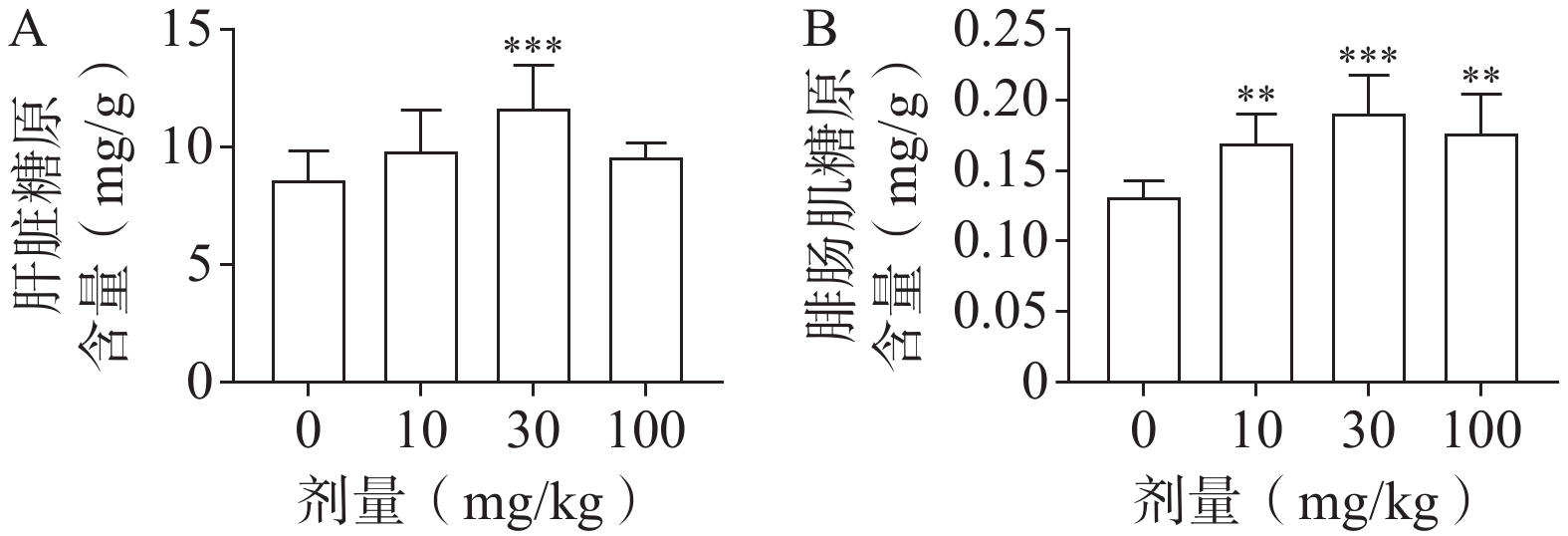
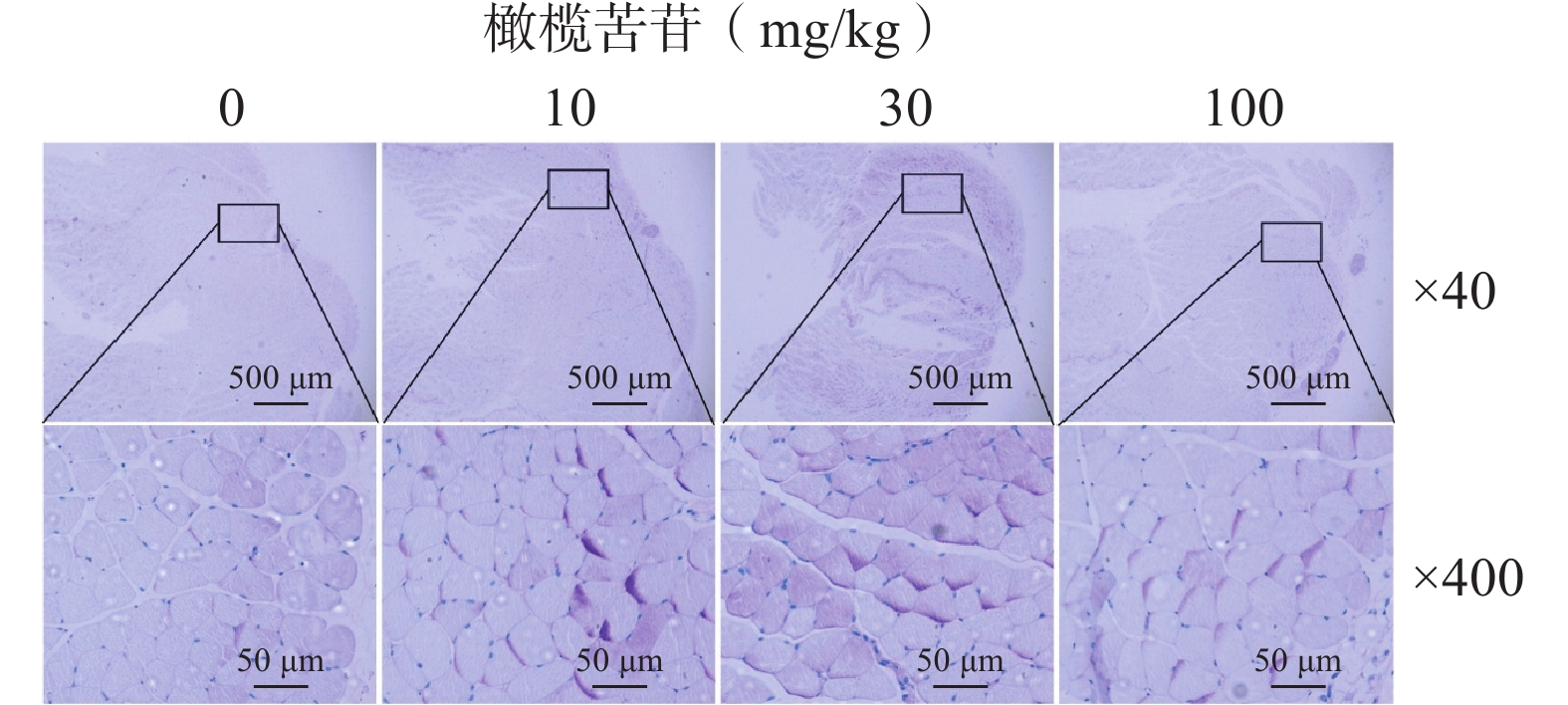
Objective Orosomucoid1 (ORM1) is a novel target in the quest for anti-fatigue pharmacotherapy. Preliminary investigations have illuminated oleuropein (OLE) as a promising candidate molecule, poised to enhance ORM1 expression. To elucidate the influence of OLE on ORM1 protein expression and assess its ramifications on muscle endurance. Methods The impact of OLE on ORM1 protein expressions within hepatocytes and liver tissue was meticulously quantified through Western blotting; the effects of OLE on muscle endurance were evaluated via the rotarod and forced swimming tests; glycogen content within liver and muscle tissues was determined utilizing a specialized kit; and PAS staining was employed to visualize glycogen deposition in the gastrocnemius muscle. Results OLE demonstrated a capacity to elevate ORM1 protein expression in hepatocytes in a time- and dose-dependent manner, concurrently prolonging the duration of swimming and rotarod performance in mice, also in a time- and dose-dependent manner. Furthermore, OLE augmented ORM1 expression in liver tissue, elevated serum ORM1 levels, and enhanced glycogen reserves within the liver and muscle. Conclusion OLE may serve to amplify muscle endurance by elevating ORM1 levels in vivo and augmenting glycogen stores within skeletal muscle.





2026, 44(3): 132-136, 166.
doi: 10.12206/j.issn.2097-2024.202511030
Abstract:
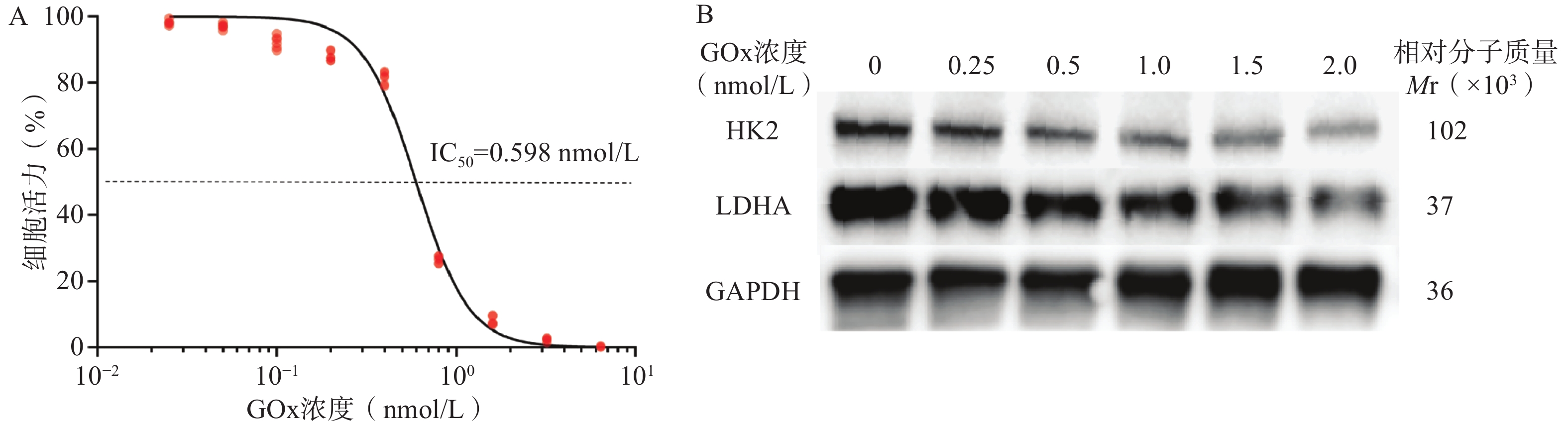
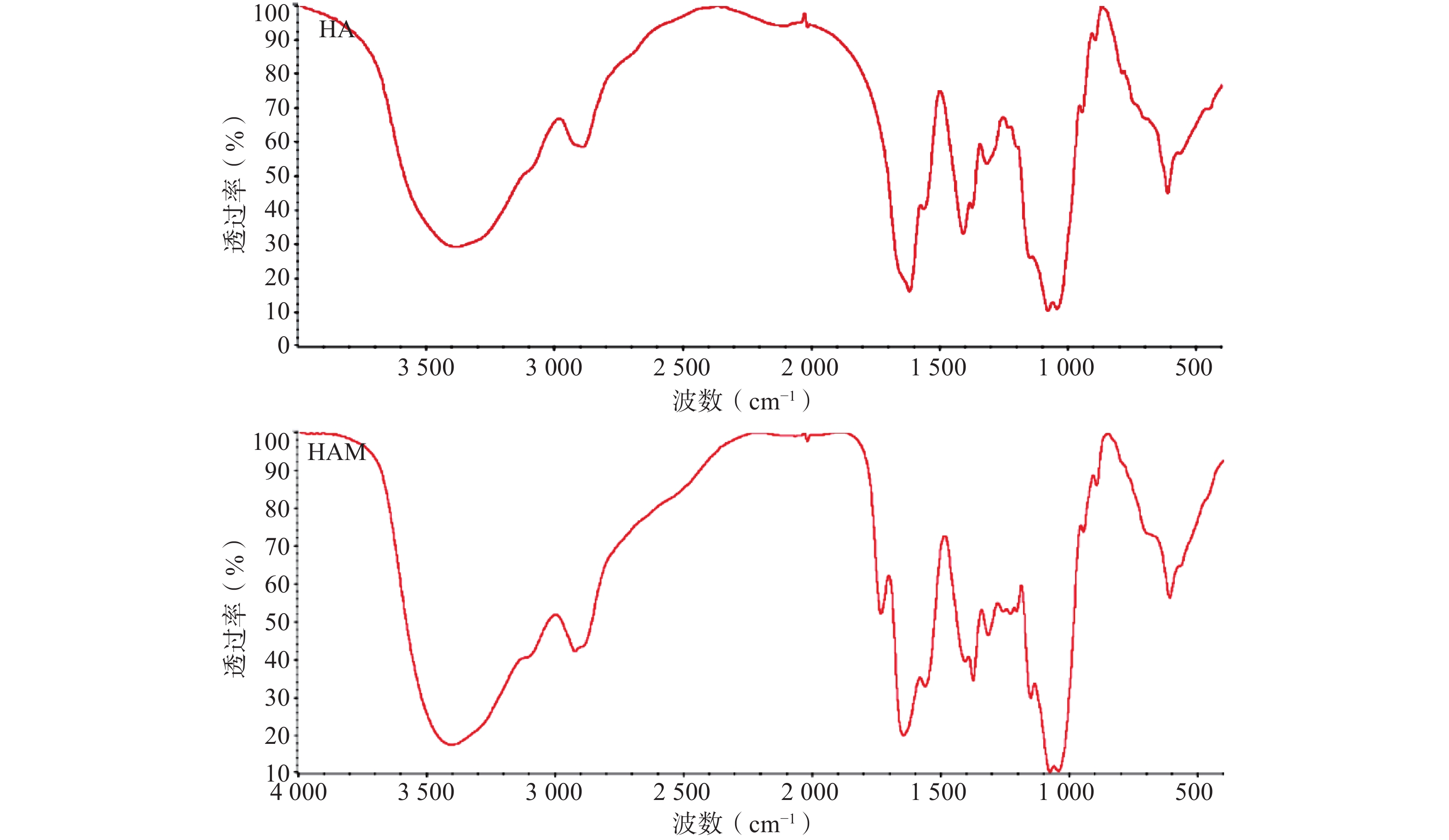
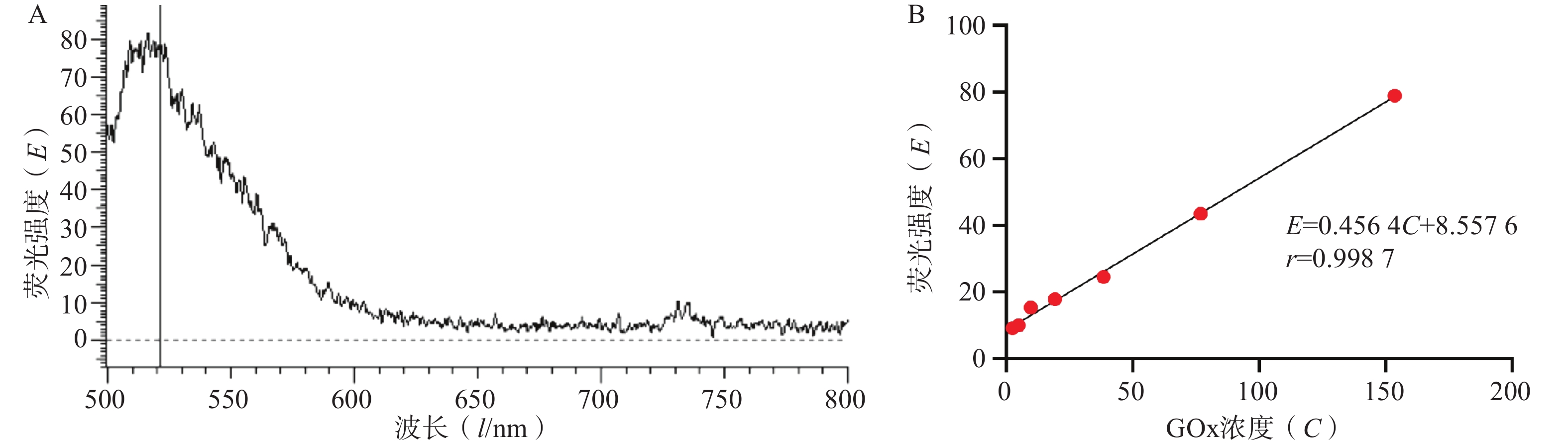
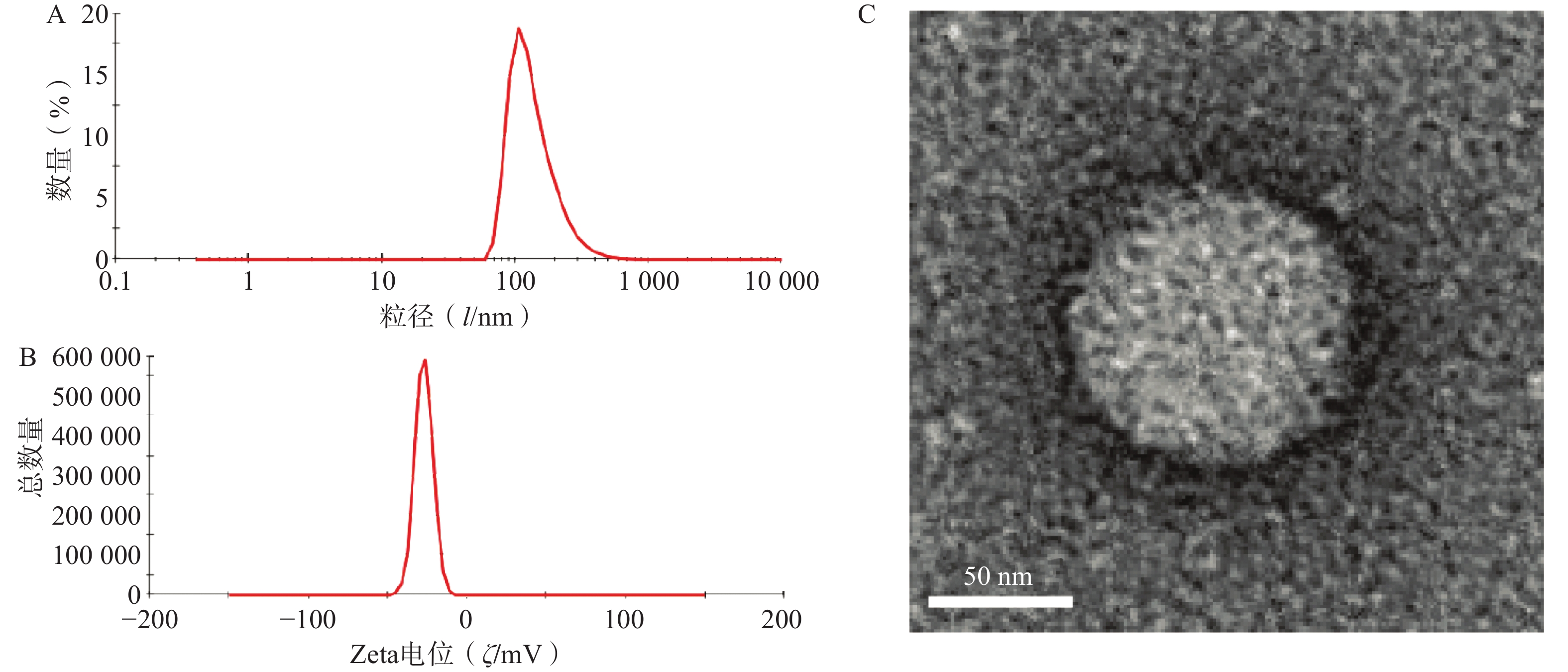
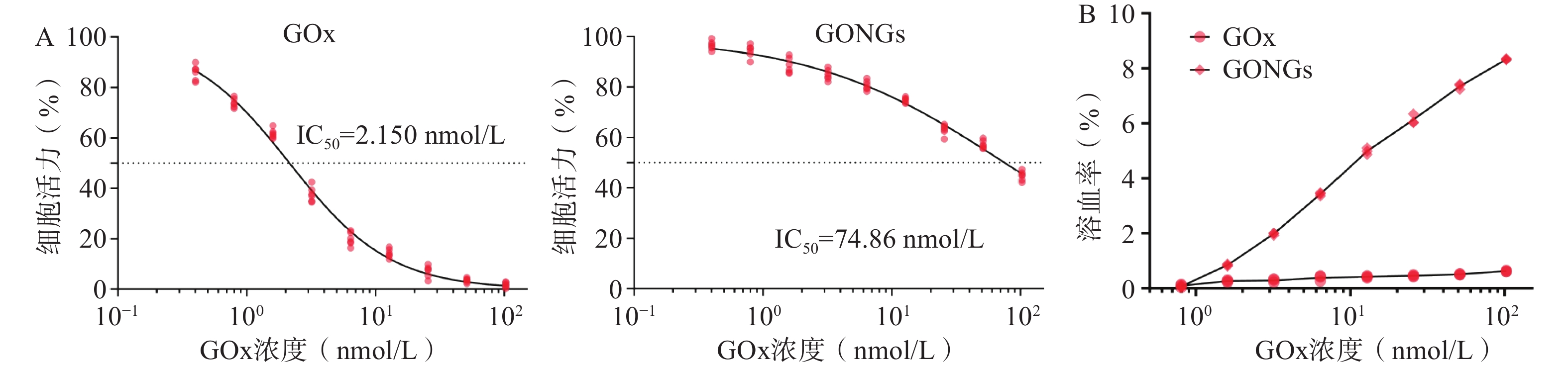
Objective To construct glucose oxidase(GOx)–loaded nanogels (GONGs), optimize their formulation, and evaluate their capacity to inhibit the Warburg effect in glioma cells. Methods A responsive polymer (HAM) was synthesized and used to self-assemble GONGs, which were then characterized. Encapsulation efficiency and drug loading were determined using fluorescence spectrophotometry. Biocompatibility was tested by measuring cytotoxicity and hemolytic activity. Western blotting was used to evaluate the effects of GONGs on the expression of proteins associated with the Warburg phenotype and oxidative damage in glioma cells. Results GONGs prepared at a drug–to–polymer ratio of 1∶10 exhibited a particle size of 140.3 nm and a zeta potential of −27.2 mV. Compared with free GOx, GONGs markedly reduced cytotoxicity, increased the IC50 in hUVEC cells from 2.150 nmol/L to 74.86 nmol/L, and significantly decreased hemolysis. At a GOx concentration of 2 nmol/L, GONGs effectively downregulated glycolysis-related proteins, such as HK2 and LDHA, and inhibited glutamine metabolism in glioma cells. Conclusion GONGs exhibited high GOx loading capacity, significantly reduced GOx-induced cytotoxicity, inhibited the Warburg effect in glioma cells and induced oxidative damage.

2026, 44(3): 137-143.
doi: 10.12206/j.issn.2097-2024.202407001
Abstract:
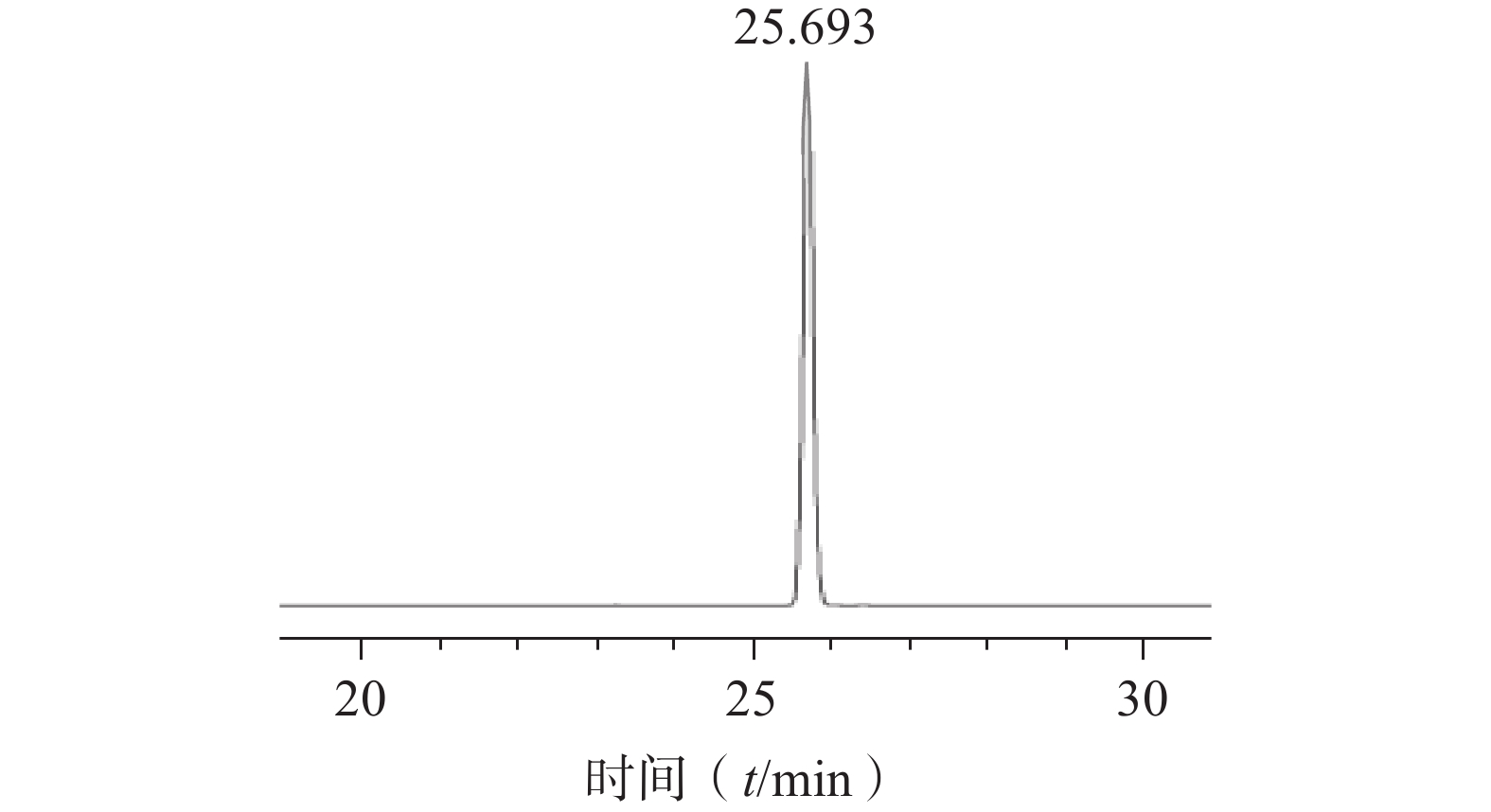
Objective To optimize the extraction, separation and purification process of Actinoside E. Methods Single factor experiment combined with orthogonal test was used to determine the optimal extraction process of Actinoside E using its content as an index. The extracts were separated and purified by optimizing the chromatographic conditions of macroporous resin, silica gel and ODS column. Results 25 times amount of 55% ethanol with heating reflux at 95℃ for one hour were used as the optimal extraction process of Actinoside E. The optimum separation and purification process was as follows: D101 macroporous resin column was eluted with 7 BV of 50% ethanol, silica gel column was eluted with 5 BV of ethyl acetate-ethanol(10∶1)and 50% methanol eluted fraction was purified repeatedly by ODS column to obtain Actinoside E. The transfer rate of Actinoside E in the whole process was 53.70%, the yield was 0.35%, and the purity was 99.9%. Conclusion The process is stable and viable, which can provide material foundation for the development and utilization of Actinoside E.
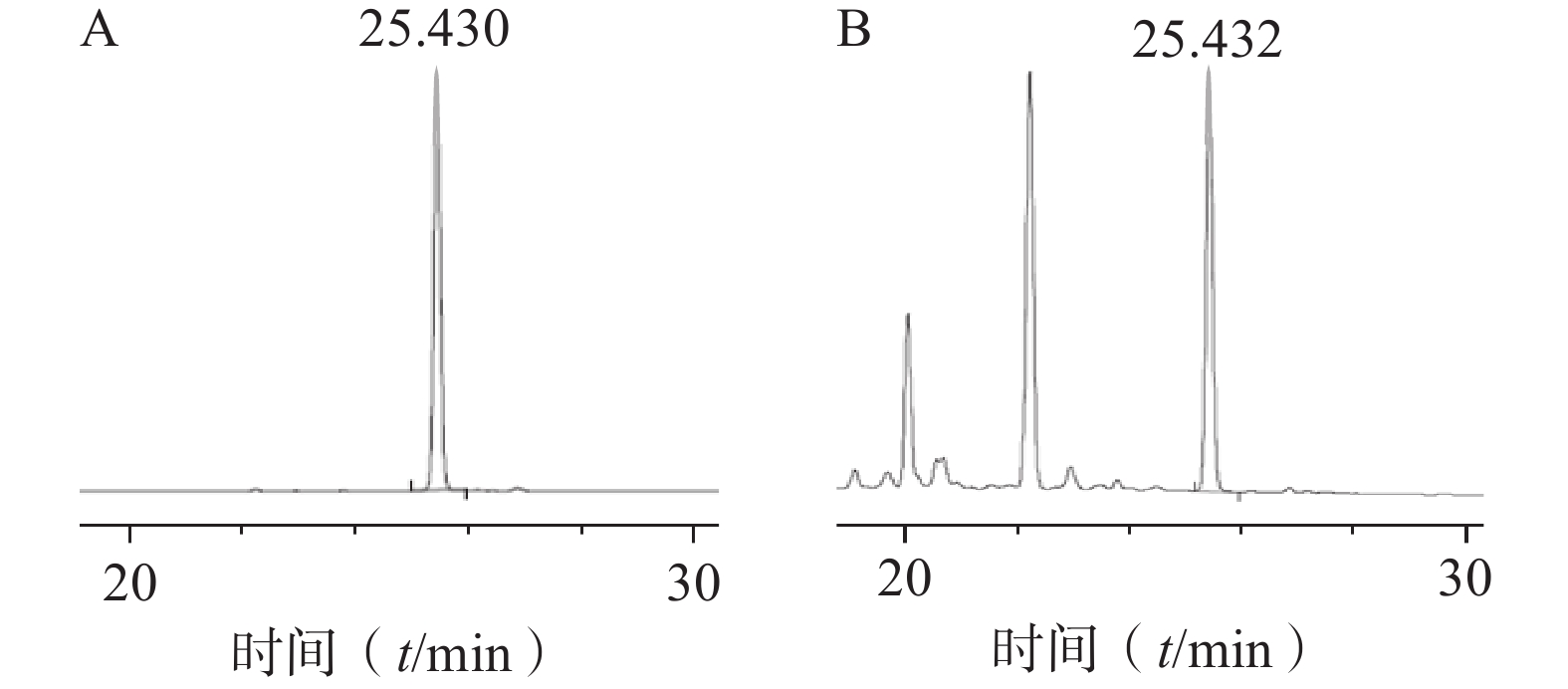
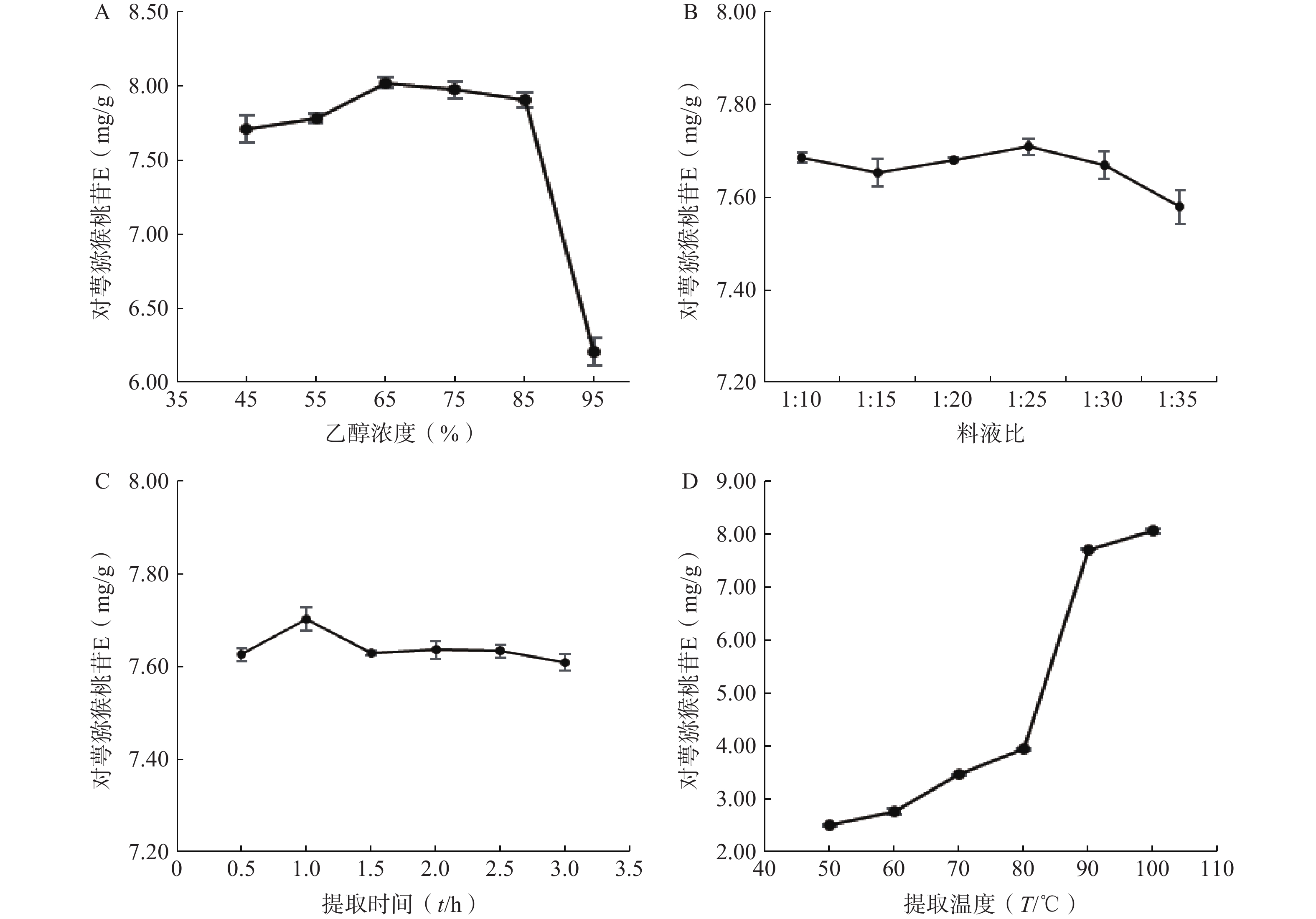
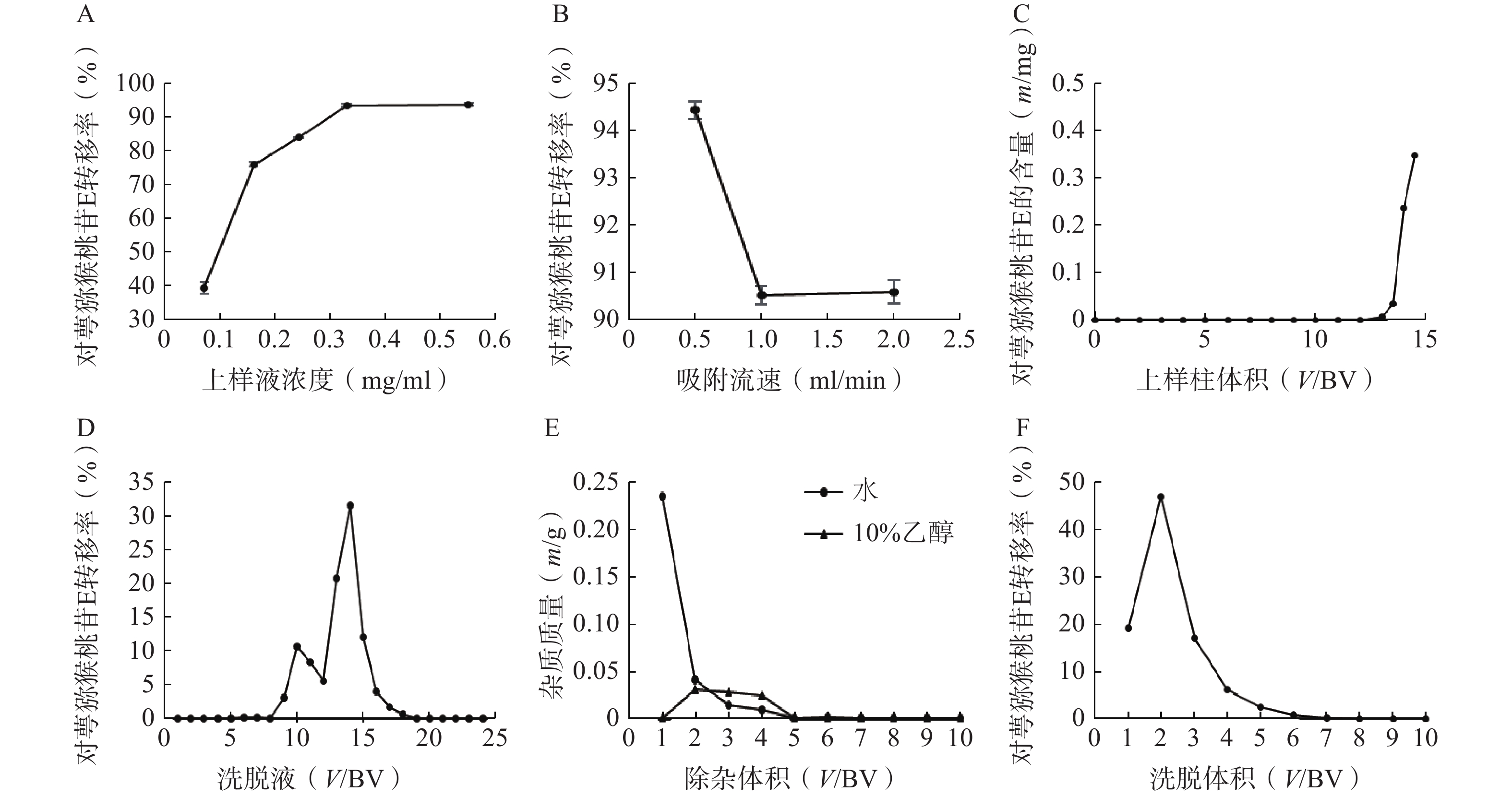
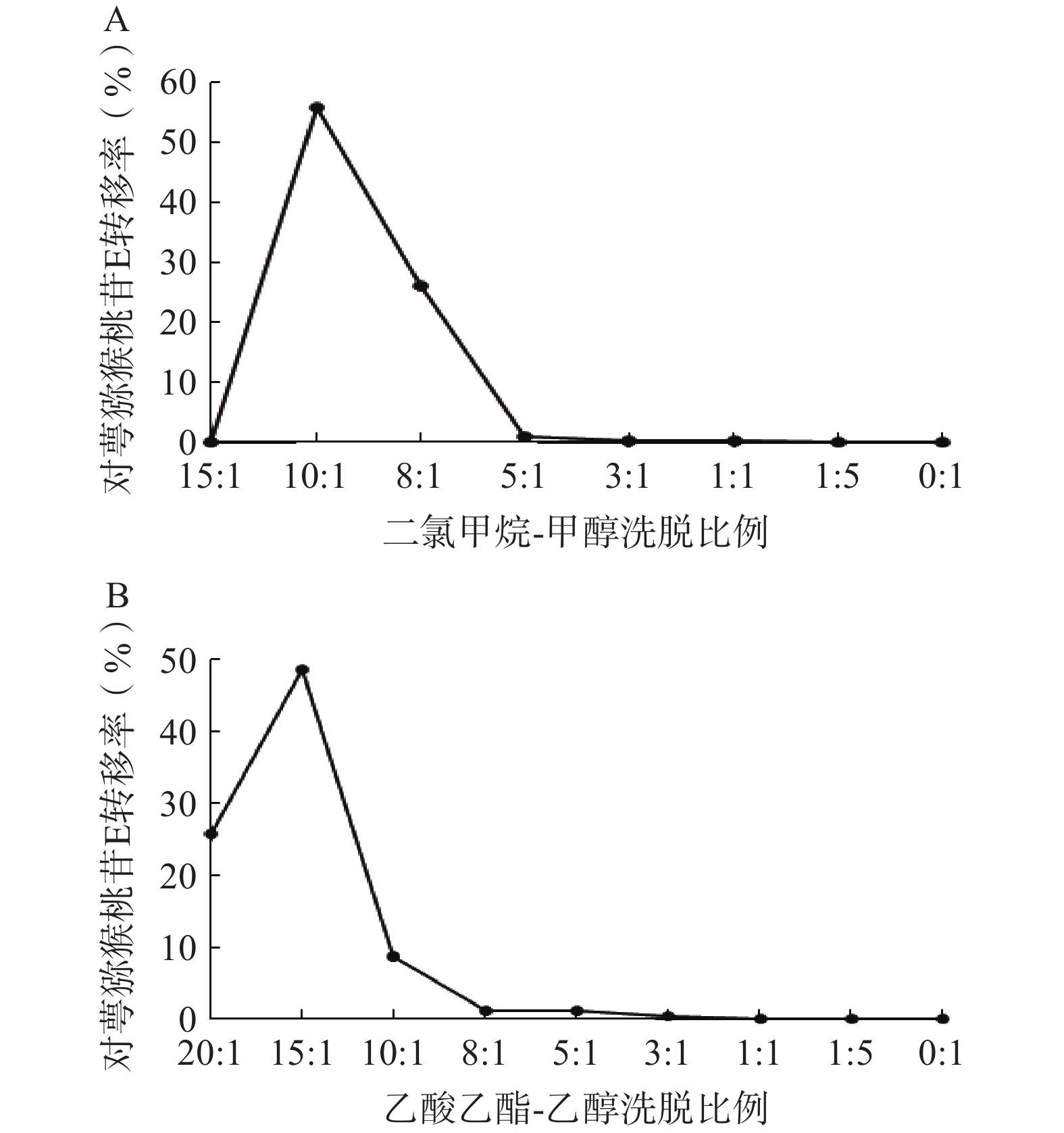
2026, 44(3): 144-151.
doi: 10.12206/j.issn.2097-2024.202311018
Abstract:
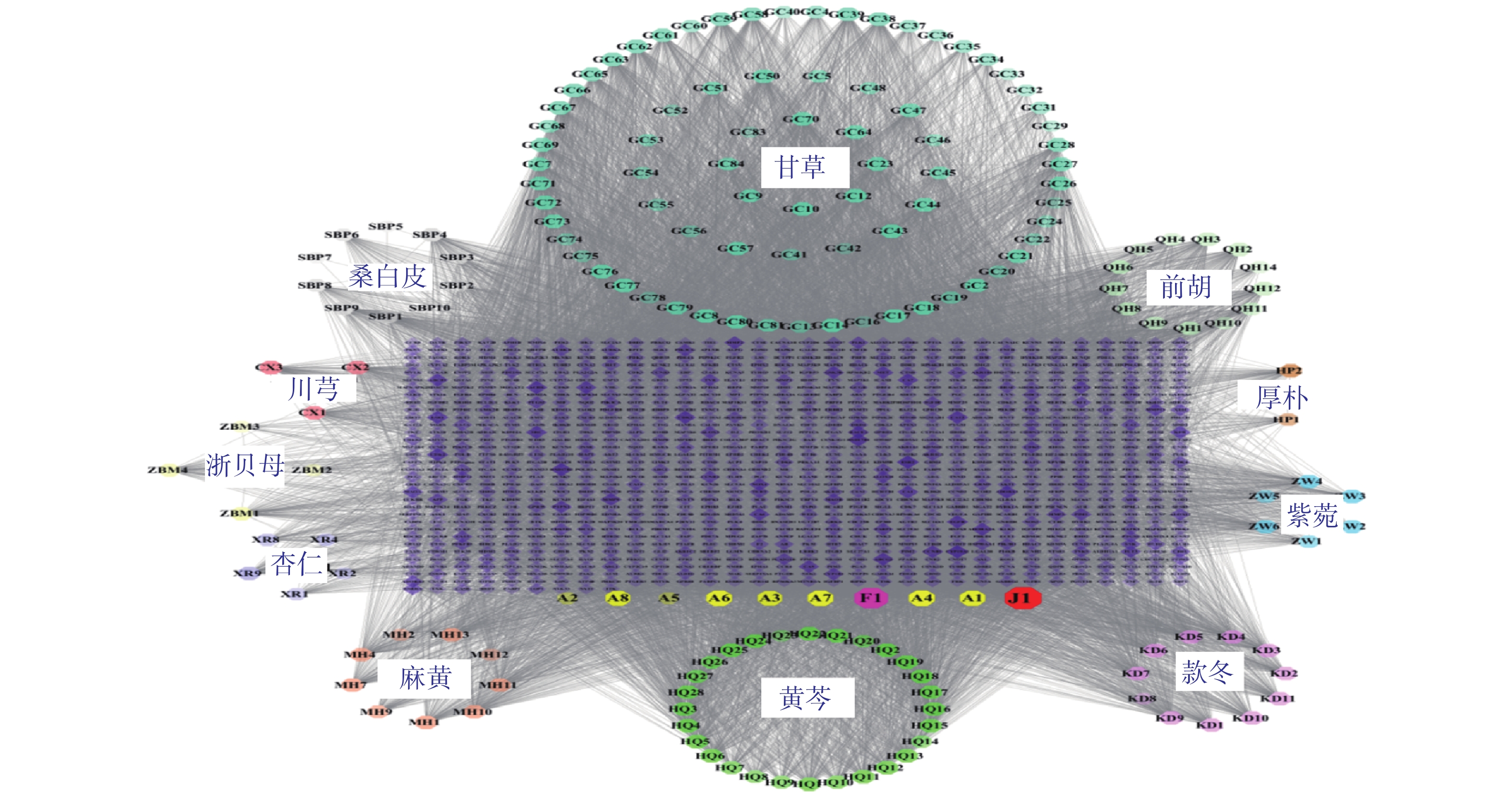
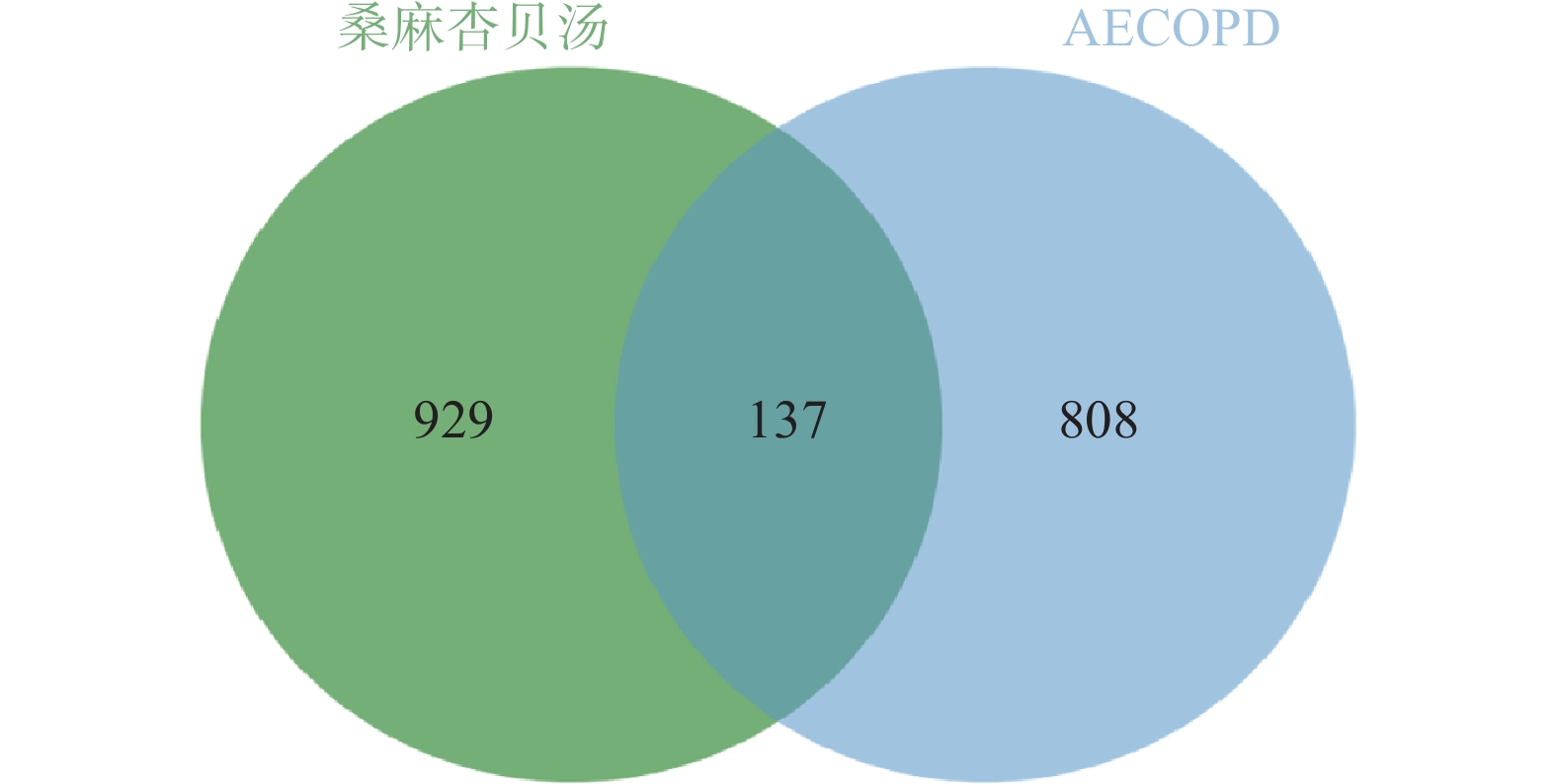
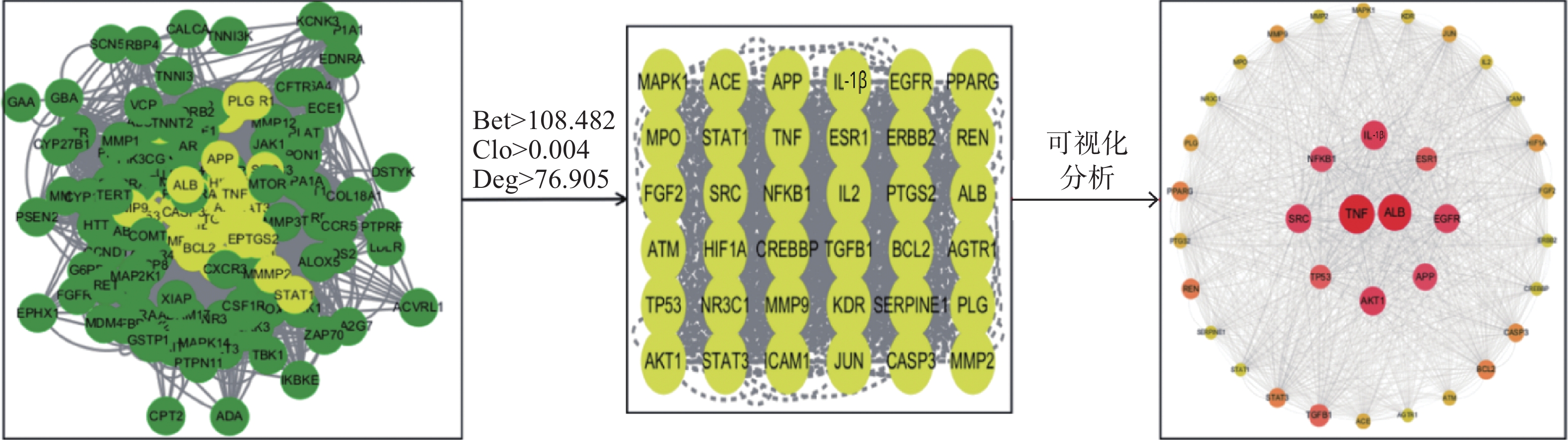
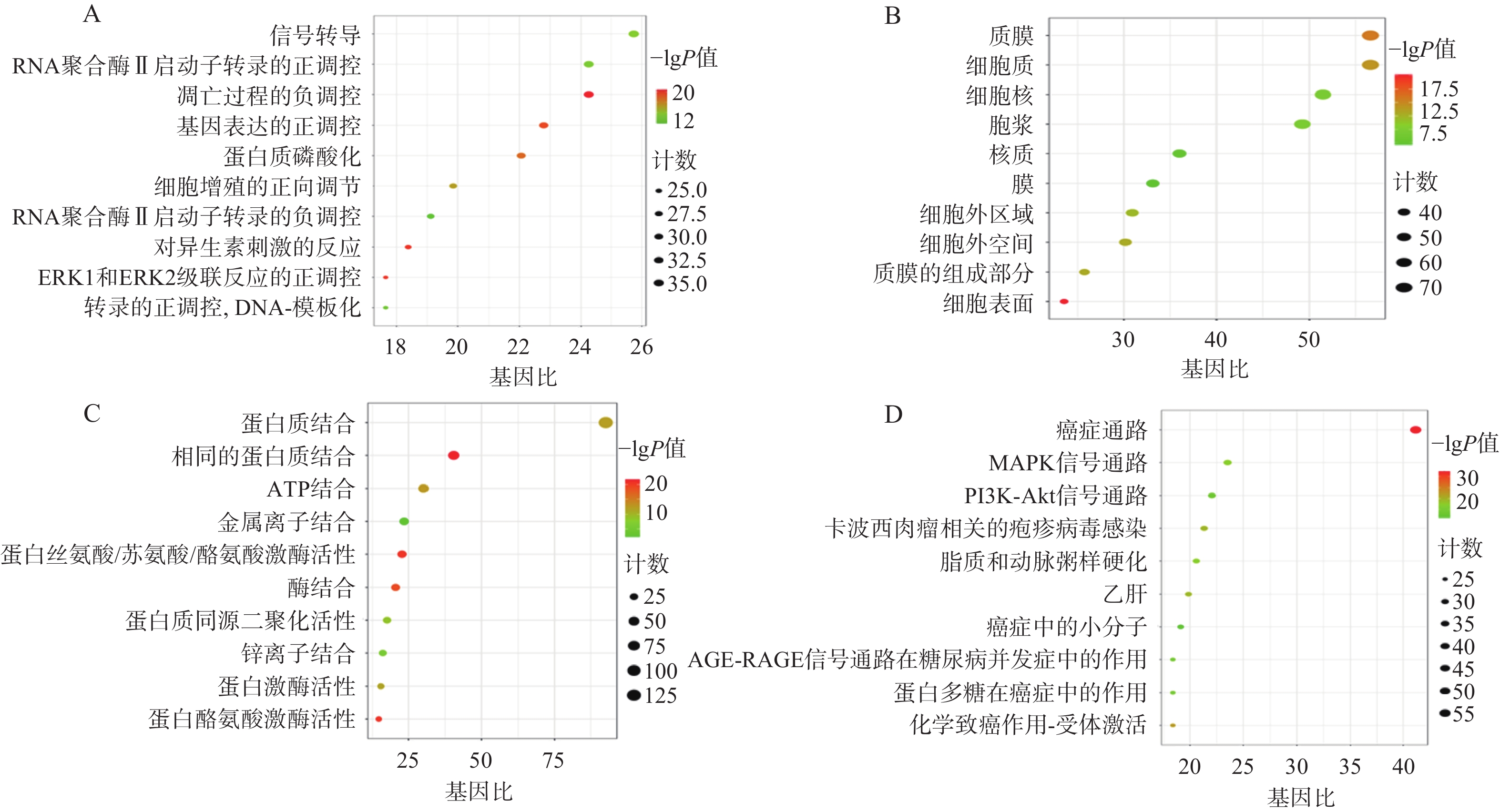
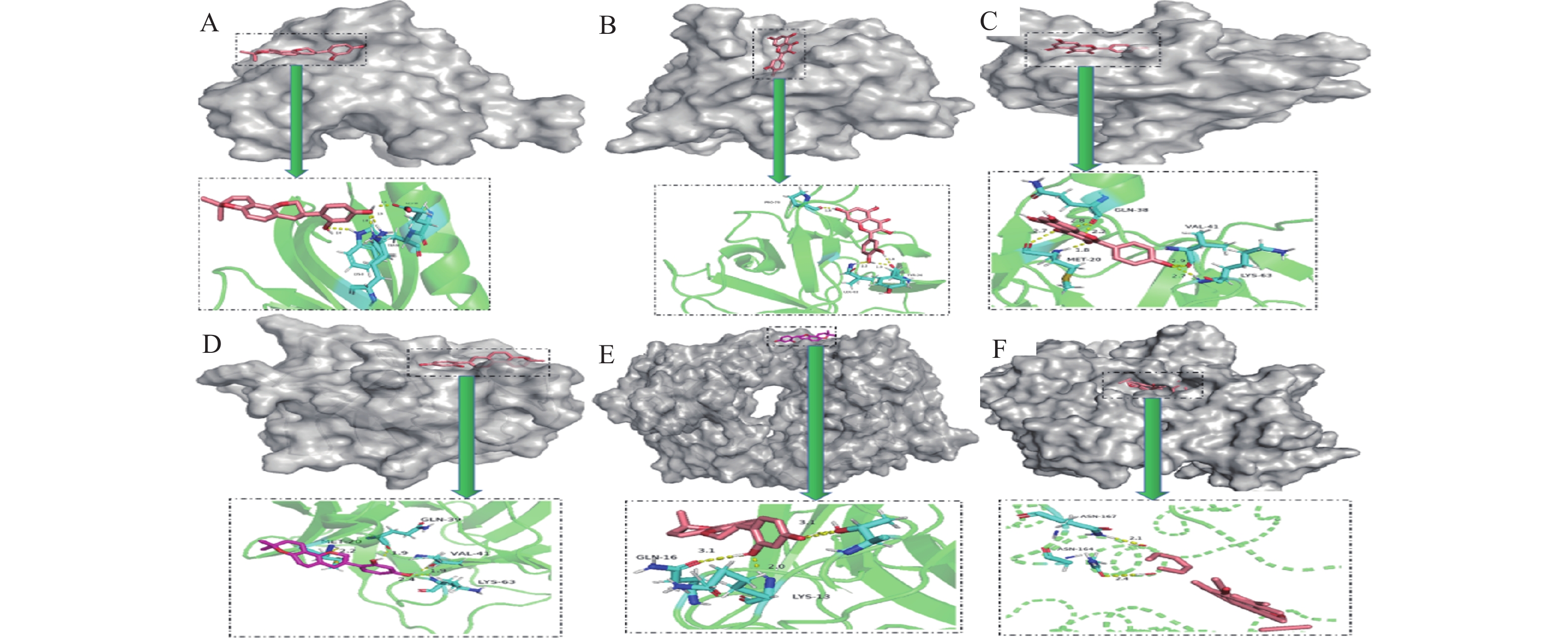
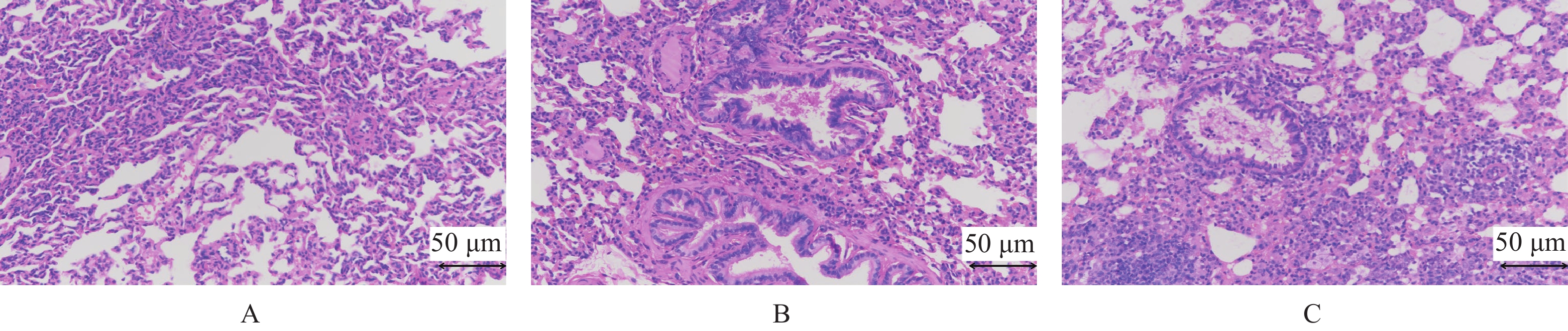
Objective To explore the potential molecular mechanism of Sangma Xingbei Tang (SMXBT) in the treatment of acute exacerbation of chronic obstructive pulmonary disease (AECOPD). Methods TCMSP and TCMID databases were searched for the active ingredients of SMXBT, the targets of the active ingredients were predicted by SwissTargetPrediction database, and the AECOPD-related targets were searched by GeneCards and OMIM databases; the drug-active ingredient-target network and protein interaction network were constructed, and the GO enrichment and KEGG pathway enrichment were analyzed by the DAVID database. The drug-active ingredient-target network and protein interaction network were constructed, and the GO enrichment and KEGG pathway enrichment were analyzed by DAVID database, and molecular docking was performed by AutoDock Tools software. Animal experiments were conducted for validation. Results 192 active ingredients were obtained and 1066 targets were predicted in SMXBT. Network analysis showed that the top 3 active ingredients in SMXBT were quercetin, kaempferol, and glycyrrhizin, and the top 3 therapeutic targets were TNF, ALB, and IL-1β, etc. The GO analysis and KEGG showed that the main pathways were the cancer pathway, the MAPK signaling pathway, and the PI3K-Akt signaling pathway. Molecular docking showed that the binding energies of glycyrrhizin and AKT1, IL-1β, GFR, SRC, and quercetin and kaempferol and IL-1β were all <−5 kcal·mol. Animal experiments showed that Sangma Xingbei Decoction could treat AECOPD by anti-inflammatory effects and reduce changes in lung tissue structure. Additionally, it could lower the serum inflammatory levels of TNF-α, IL-6, and IL-8. Conclusion SMXBT may act on the targets of AKT1, IL-1β, EGFR, SRC, etc., reduce the serum inflammation levels of TNF-α, IL-6, IL-8, and improve the lung tissue structure and inflammatory response to achieve the therapeutic effect on AECOPD through the modulation of the PI3K/Akt signaling pathway, the MAPK signaling pathway, the cancer pathway, and other pathways of action.
2026, 44(3): 152-159.
doi: 10.12206/j.issn.2097-2024.202312076
Abstract:
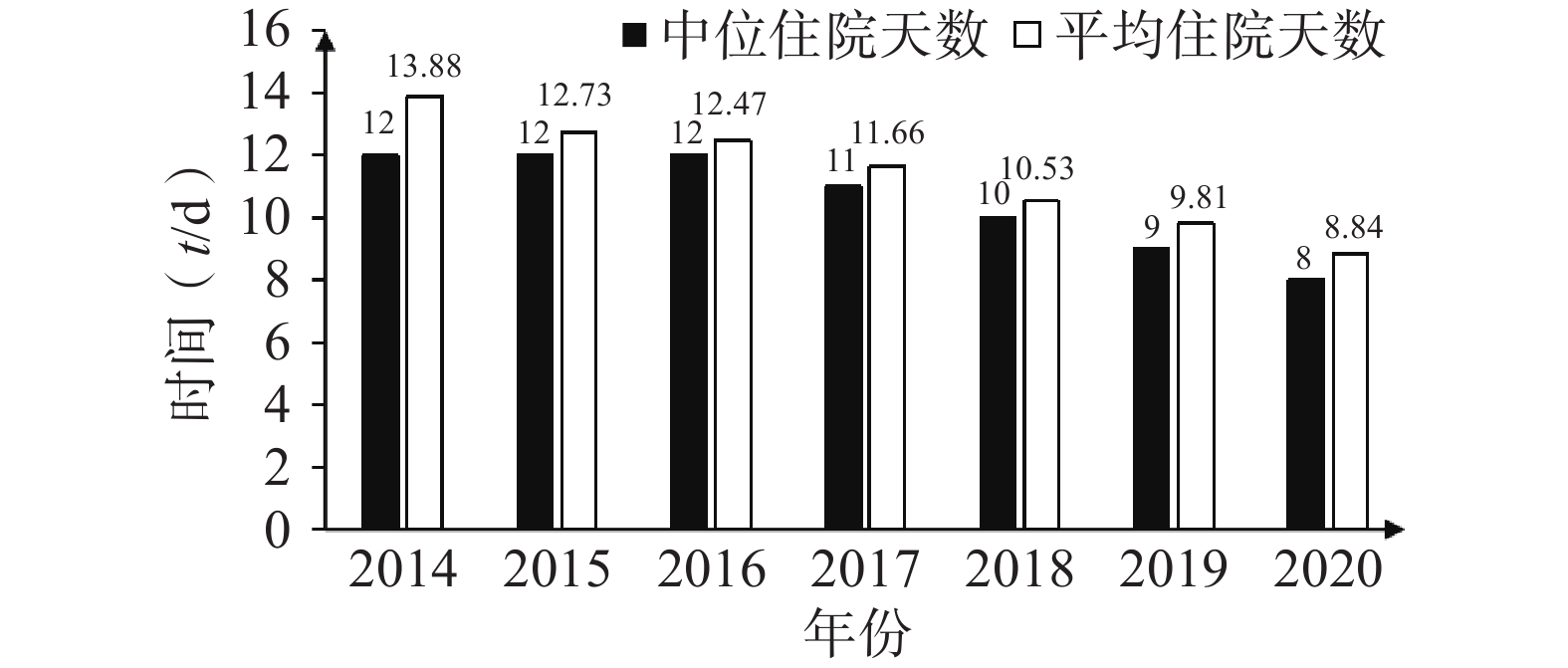
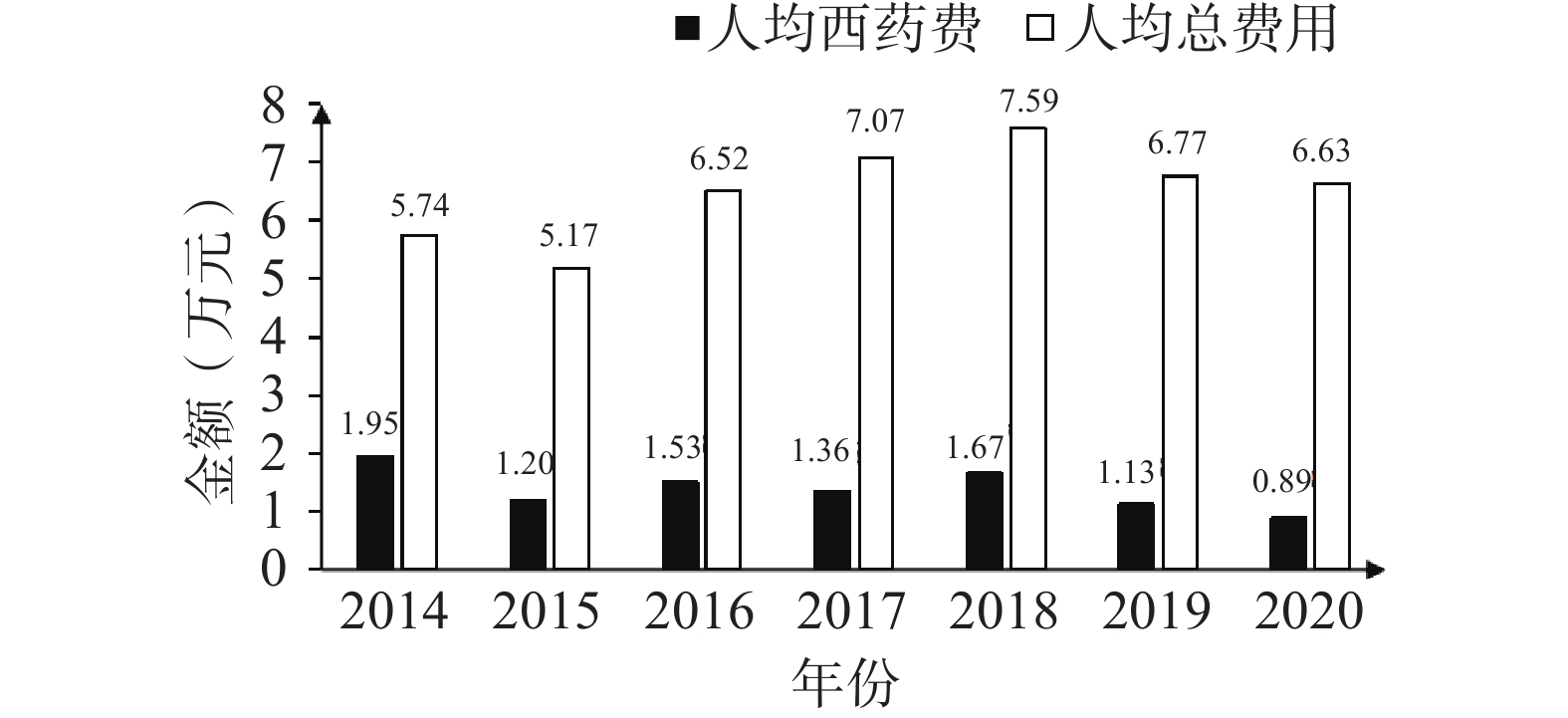
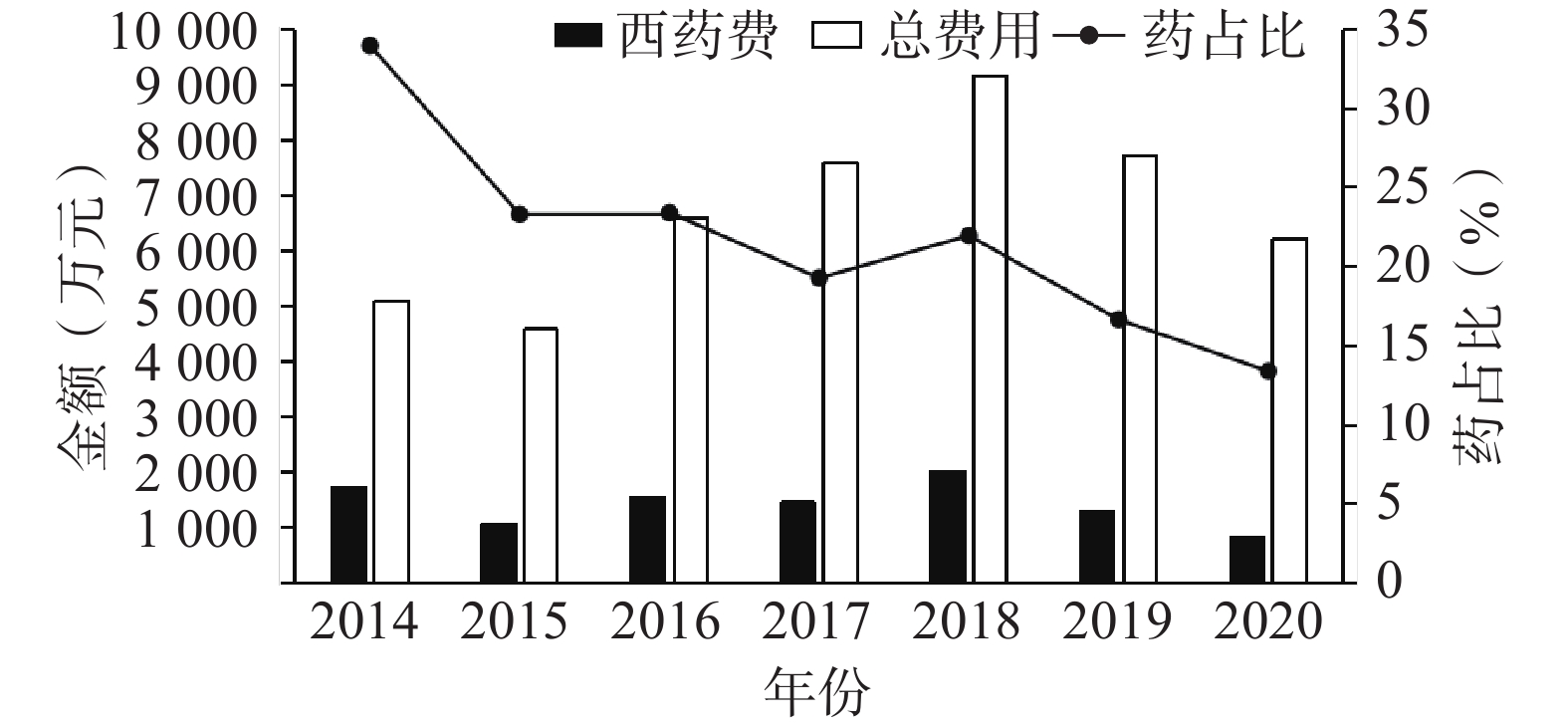
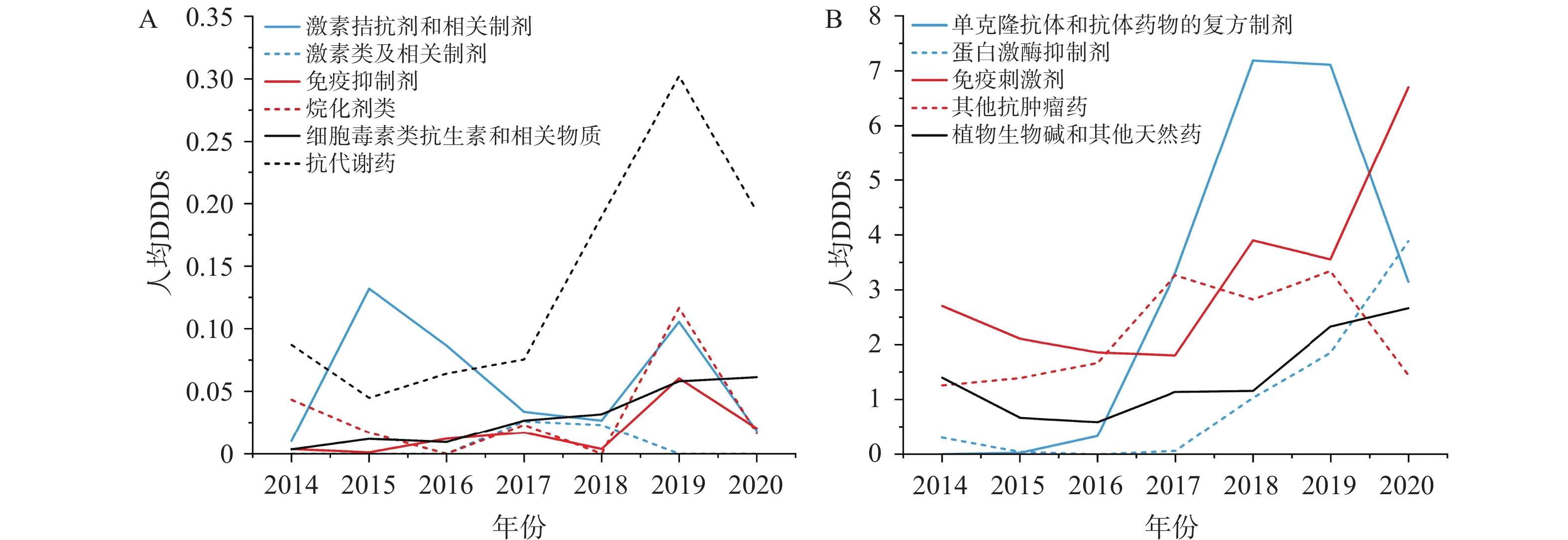
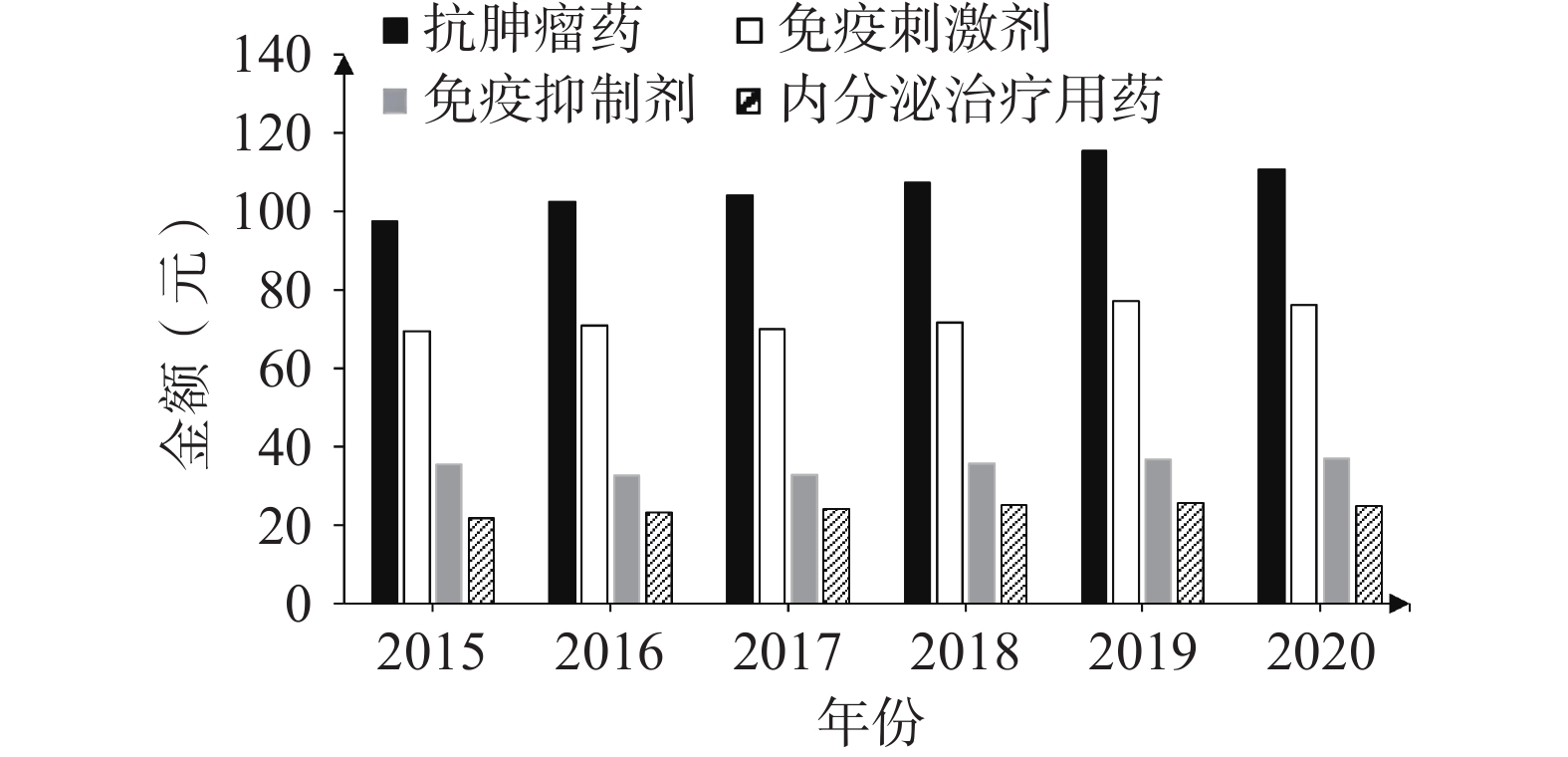
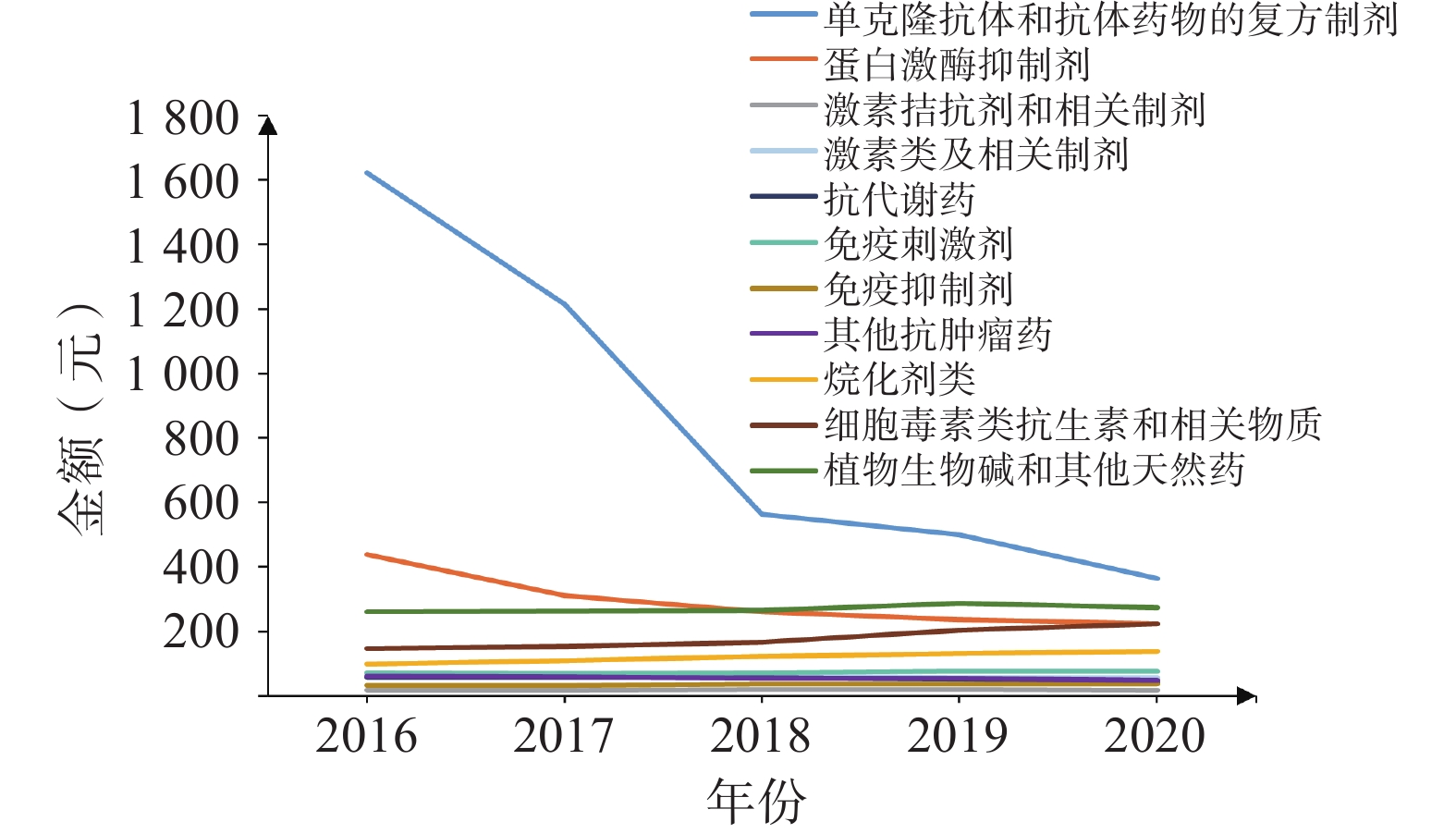
Objective To compare and analyze the changes in the use of lung cancer therapeutic drugs before and after the national initiation of health insurance negotiations, and to study the impact of a series of policies on the use of lung cancer drugs. Methods Descriptive statistical methods were used analyze the basic situation of lung cancer patients and the changes of corresponding therapeutic drugs in Peking University People's Hospital from 2014 to 2020, as well as to the hospital procurement data of lung cancer therapeutic drugs in the database of the Chinese Medicine Economic Information. Results From 2014 to 2020, the total cost per capita of lung cancer patients showed a trend of first increasing and then decreasing, increasing before the national drug negotiation and gradually decreasing after the negotiation. After 2017, the use of small ATC categories such as VEGF/VEGFR inhibitors and EGFR tyrosine kinase inhibitors increased significantly, along with a rise in the number of monoclonal antibody varieties. The DDDs of osimertinib, anlotinib, alectinib, crizotinib and other drugs in the medical insurance list increased significantly, and the average daily cost decreased significantly. Conclusion The number of hospitalization days for lung cancer patients had continued to shorten in recent years, and the structure of drug use had changed significantly. The adjustment of the medical insurance catalog had led to more innovative lung cancer drugs showing the trend of volume up and price down.
2026, 44(3): 160-166.
doi: 10.12206/j.issn.2097-2024.202404031
Abstract:
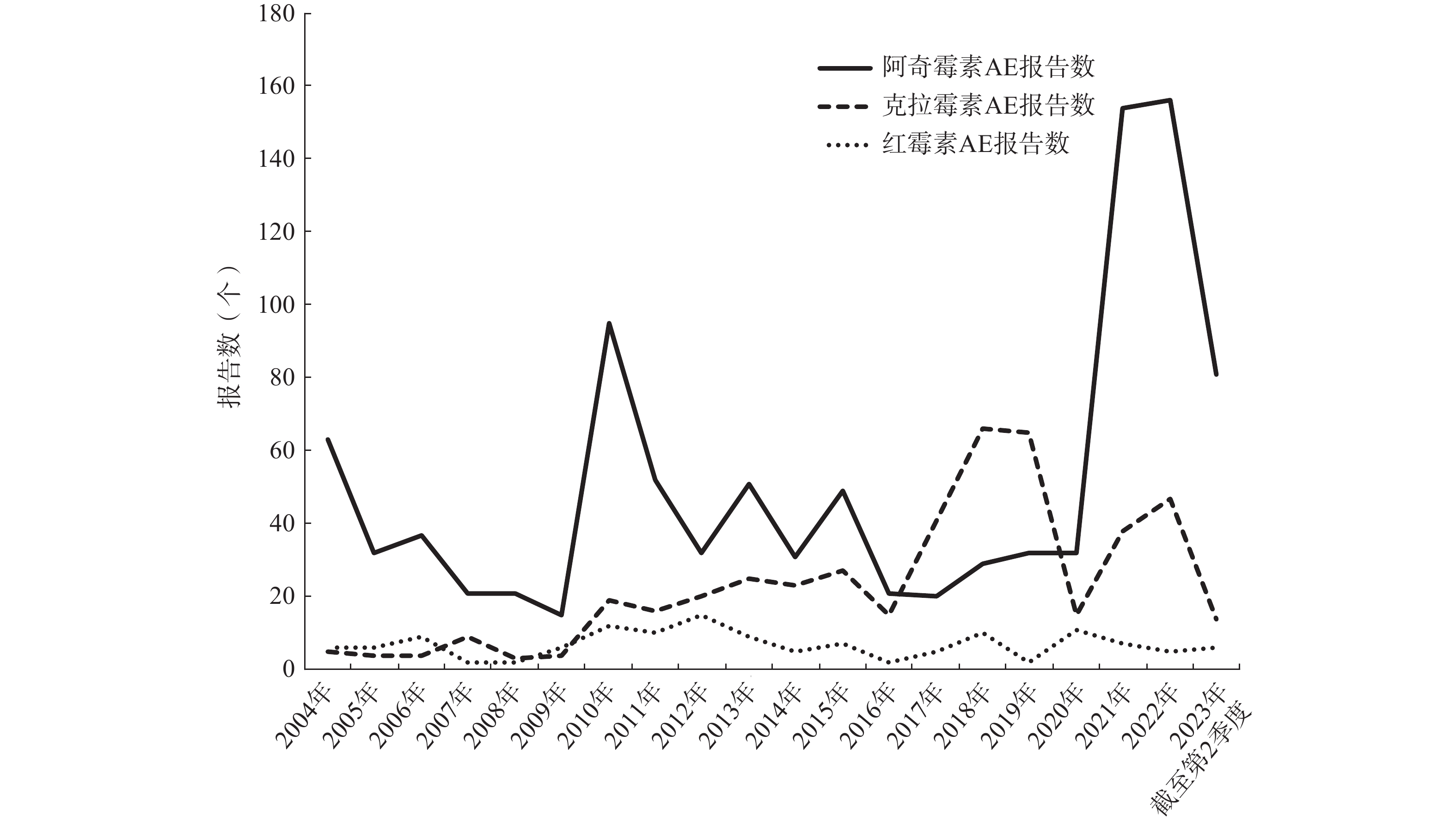
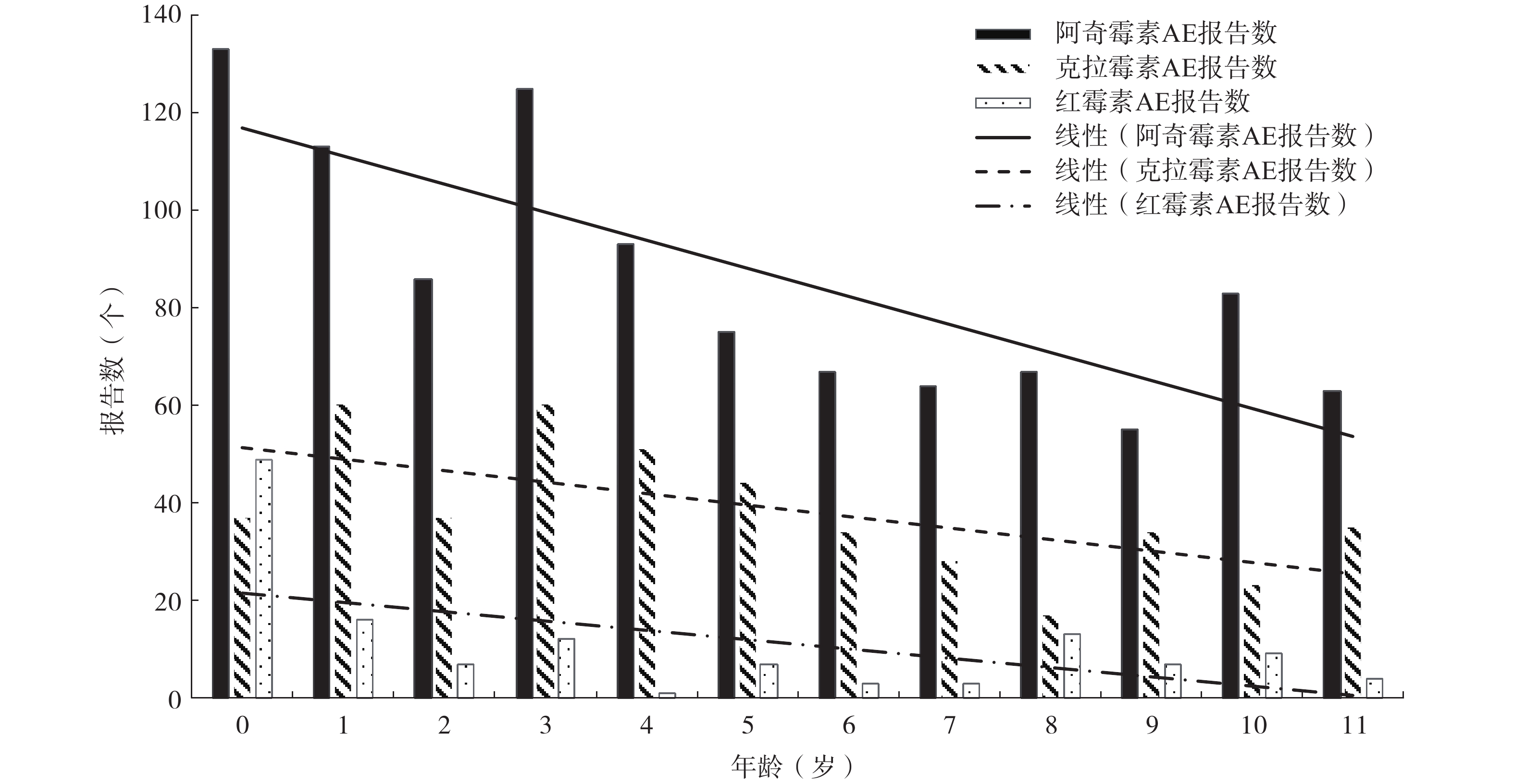
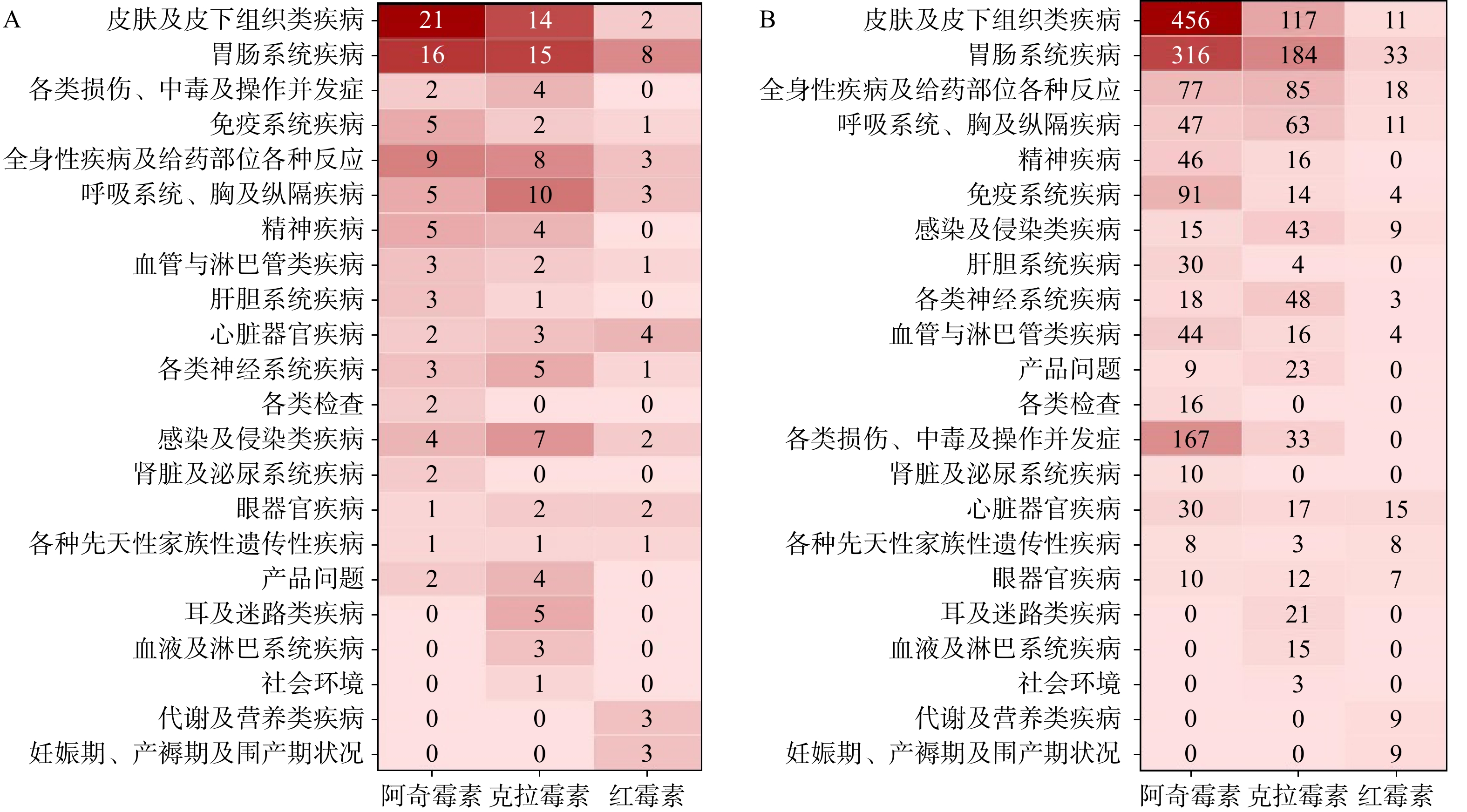
Objective To explore the adverse event signals of children using macrolide drugs (azithromycin, clarithromycin, and erythromycin), and provide reference for rational medicine use in clinical practice. Methods Data from children under 12 years old were extracted from the US FAERS database spanning from the first quarter of 2004 to the second quarter of 2023. The adverse drug reaction (ADR) signal mining for three macrolide antibiotics was conducted using the Reporting Odds Ratio (ROR) and Bayesian Confidence Propagation Neural Network (BCPNN) methods. Special emphasis was placed on analyzing and contrasting the differences in adverse events among the three drugs. Results A total of 1 615 reports for children under 12 years old were retrieved from the FAERS database, including 1 024 reports of azithromycin, 460 reports of clarithromycin, and 131 reports of erythromycin. Among azithromycin and erythromycin, there were more reports from boys than girls, while for clarithromycin, there were more reports from girls than boys. Oral administration was the most common route of administration for all three drugs. Regarding the outcome of adverse events reported, azithromycin and clarithromycin were primarily associated with other serious adverse events, whereas erythromycin was mainly associated with hospitalization and other serious adverse events. The number of adverse events reported decreased with increasing age, with a higher number of reports in the 0-3 age group. Using the ROR and BCPNN methods for signal detection, 86 signals were identified for azithromycin, 91 for clarithromycin, and 34 for erythromycin. These signals involved 22 System Organ Classes (SOCs), with azithromycin mainly concentrated in skin and subcutaneous tissue disorders (n=21), clarithromycin in gastrointestinal disorders (n=15), and erythromycin in gastrointestinal disorders (n=8). Twenty-four signals of moderate to high risk were detected, with 13 for azithromycin, 9 for clarithromycin, and 2 for erythromycin. Conclusion The adverse events induced by the three drugs with different risks in different systems. When clinically treating Mycoplasma pneumoniae pneumonia in children, the risk profiles of drugs in different systems should be considered, and personalized dosing should be implemented.
 Contribution System
 Author Login
 Review Login
 Editor Login
 Reader Login



 News
News