

2026 Vol. 46, No. 4
Display Method:
2026, 44(4): 167-172.
doi: 10.12206/j.issn.2097-2024.202507029
Abstract:
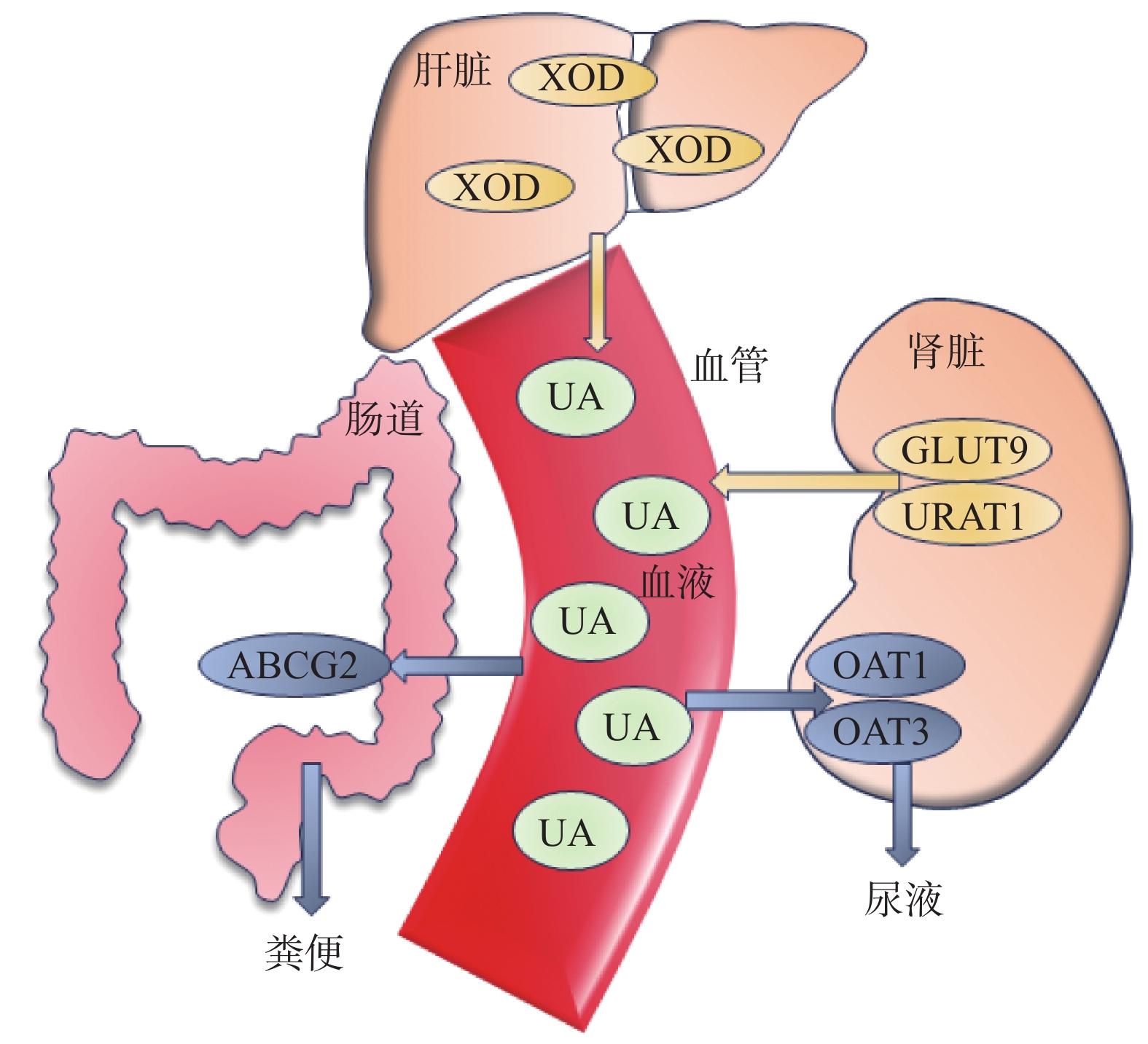
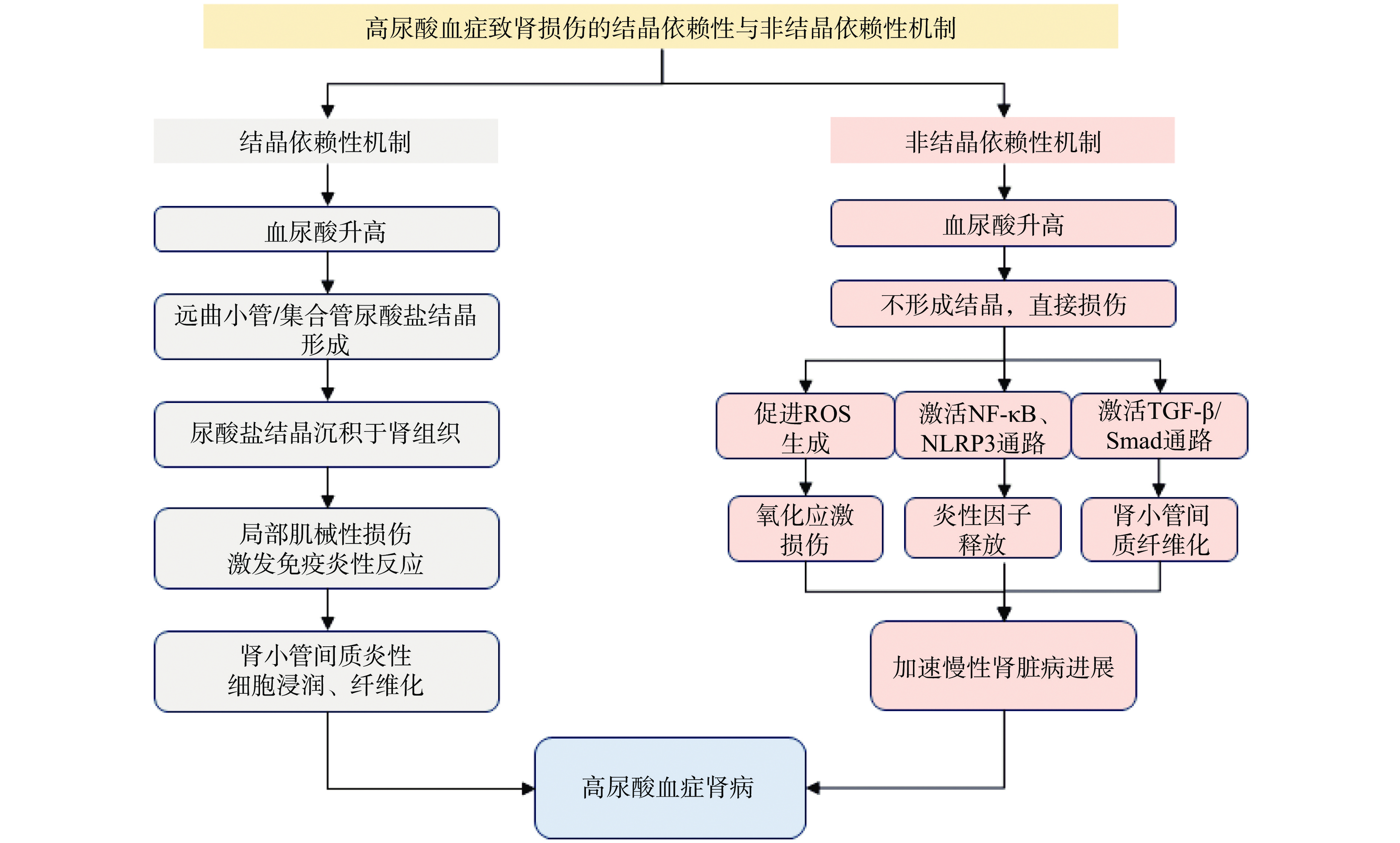
Hyperuricemia (HUA) is a common metabolic disorder characterized by persistently elevated serum uric acid levels, leading to uric acid-related renal injury through complex mechanisms involving inflammation, oxidative stress, and fibrosis. Key traditional Chinese medicine (TCM) formulas (e.g., Simiao Powder, Tongfengning) and individual herbal compounds (alkaloids, flavonoids, polysaccharides) with urate-lowering and renal protective properties were systematically summarized, including their mechanisms of regulating uric acid transporters (organic anion transporter 3, urate anion transporter 1, glucose transporter type 9), inhibiting inflammatory responses (via NF-κB signaling), reducing oxidative stress (via mitochondrial pathways and antioxidant enzyme enhancement), and attenuating renal fibrosis (via PI3K/AKT signaling). The challenges of current studies mainly focus on unclear mechanisms of action and insufficient clinical research. Future research may further explore TCM resources, clarify dual-action mechanisms of urate reduction and renal protection, and identify new therapeutic strategies for hyperuricemia-related renal injury.
Hyperuricemia (HUA) is a common metabolic disorder characterized by persistently elevated serum uric acid levels, leading to uric acid-related renal injury through complex mechanisms involving inflammation, oxidative stress, and fibrosis. Key traditional Chinese medicine (TCM) formulas (e.g., Simiao Powder, Tongfengning) and individual herbal compounds (alkaloids, flavonoids, polysaccharides) with urate-lowering and renal protective properties were systematically summarized, including their mechanisms of regulating uric acid transporters (organic anion transporter 3, urate anion transporter 1, glucose transporter type 9), inhibiting inflammatory responses (via NF-κB signaling), reducing oxidative stress (via mitochondrial pathways and antioxidant enzyme enhancement), and attenuating renal fibrosis (via PI3K/AKT signaling). The challenges of current studies mainly focus on unclear mechanisms of action and insufficient clinical research. Future research may further explore TCM resources, clarify dual-action mechanisms of urate reduction and renal protection, and identify new therapeutic strategies for hyperuricemia-related renal injury.
2026, 44(4): 173-177.
doi: 10.12206/j.issn.2097-2024.202504127
Abstract:
Hepatic fibrosis is a pathological repair response of the liver to various chronic injuries, commonly seen in chronic liver diseases such as viral hepatitis, alcoholic liver disease, non-alcoholic fatty liver disease, etc. Hepatic fibrosis is a necessary stage for the development of chronic liver disease into cirrhosis or even hepatocellular carcinoma. Reversing or delaying the progression of hepatic fibrosis is crucial for the treatment of chronic liver disease, but there are currently no safe and effective therapeutic drugs in clinical practice. In recent years, research has found that many alkaloids in traditional Chinese medicine have anti-fibrotic activity, and their mechanisms involved multiple aspects such as cell autophagy, antioxidation, and anti-inflammation. The anti-fibrotic effects and mechanisms of alkaloids from traditional Chinese medicine were reviewed, which could provide reference for the application of alkaloids in the prevention and treatment of hepatic fibrosis.
Hepatic fibrosis is a pathological repair response of the liver to various chronic injuries, commonly seen in chronic liver diseases such as viral hepatitis, alcoholic liver disease, non-alcoholic fatty liver disease, etc. Hepatic fibrosis is a necessary stage for the development of chronic liver disease into cirrhosis or even hepatocellular carcinoma. Reversing or delaying the progression of hepatic fibrosis is crucial for the treatment of chronic liver disease, but there are currently no safe and effective therapeutic drugs in clinical practice. In recent years, research has found that many alkaloids in traditional Chinese medicine have anti-fibrotic activity, and their mechanisms involved multiple aspects such as cell autophagy, antioxidation, and anti-inflammation. The anti-fibrotic effects and mechanisms of alkaloids from traditional Chinese medicine were reviewed, which could provide reference for the application of alkaloids in the prevention and treatment of hepatic fibrosis.
2026, 44(4): 178-184.
doi: 10.12206/j.issn.2097-2024.202510030
Abstract:
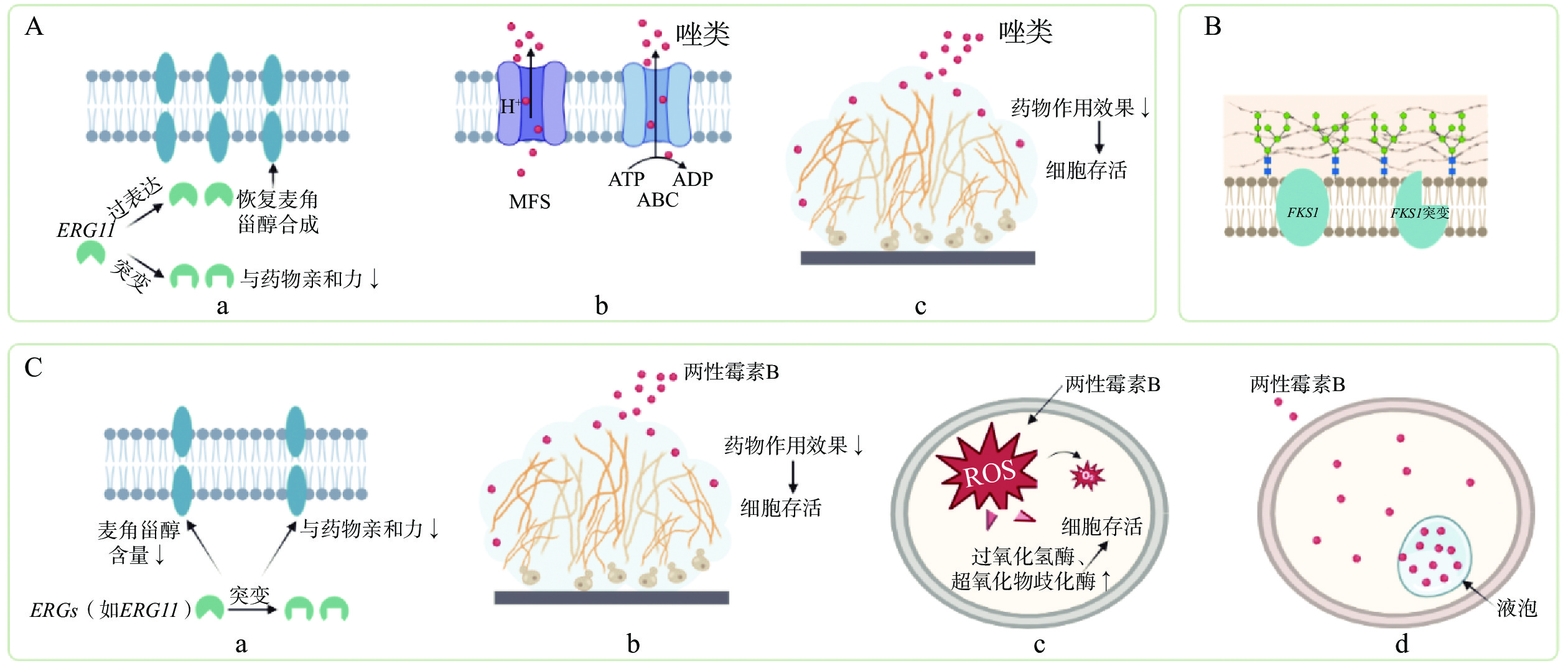
Fungal infections have emerged as a critical public health issue endangering human health. However, the existing arsenal of antifungal agents is limited in diversity and is commonly plagued by drawbacks including narrow antimicrobial spectrums and the frequent emergence of drug resistance, which severely compromises the efficacy of clinical treatments. Pathogenic fungi can develop extensive adaptability to currently available drugs through multiple mechanisms, which are mainly manifested in three aspects: drug resistance, tolerance and persistence. The molecular mechanisms and regulatory pathways underlying drug resistance, tolerance and persistence in pathogenic fungi were systematically summarized in this review, and the counteractive strategies such as combination therapy and the development of novel antifungal agents were further discussed, which aimed to provide theoretical basis and practical reference for the precision treatment of fungal infections.
Fungal infections have emerged as a critical public health issue endangering human health. However, the existing arsenal of antifungal agents is limited in diversity and is commonly plagued by drawbacks including narrow antimicrobial spectrums and the frequent emergence of drug resistance, which severely compromises the efficacy of clinical treatments. Pathogenic fungi can develop extensive adaptability to currently available drugs through multiple mechanisms, which are mainly manifested in three aspects: drug resistance, tolerance and persistence. The molecular mechanisms and regulatory pathways underlying drug resistance, tolerance and persistence in pathogenic fungi were systematically summarized in this review, and the counteractive strategies such as combination therapy and the development of novel antifungal agents were further discussed, which aimed to provide theoretical basis and practical reference for the precision treatment of fungal infections.
2026, 44(4): 185-188, 215.
doi: 10.12206/j.issn.2097-2024.202403020
Abstract:
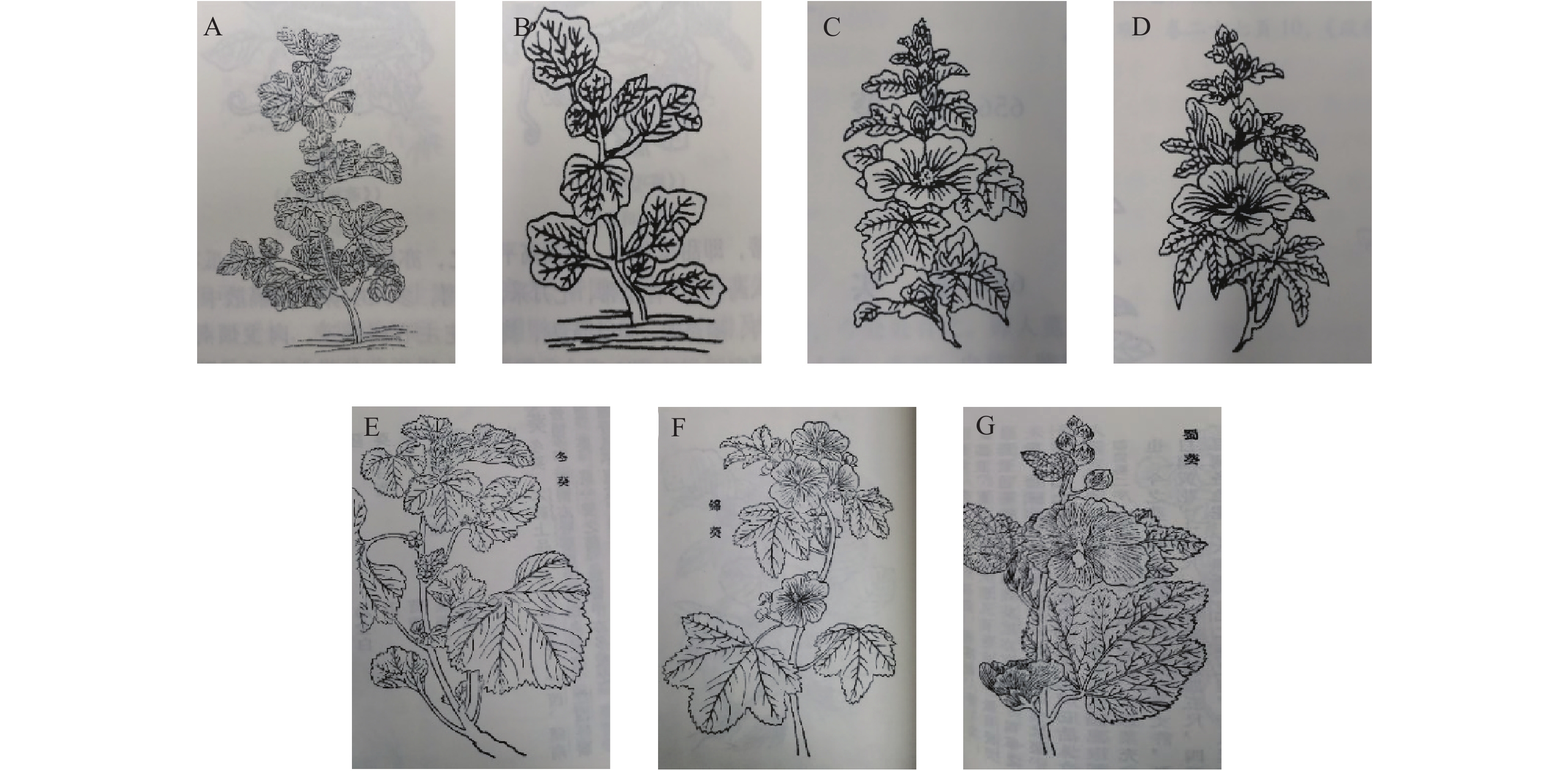
Kui was first recorded in The Rites of Zhou and is the earliest domesticated wild vegetable in China. In the Qi Min Yao Shu, Kui was called “the master of all vegetables” and has a long history of application in China. As a medicine, Kuizi was first recorded in Shen Nong’s Herbal Classic, which has a history of more than 2 000 years of medicinal use and a long history of clinical application. By researching the ancient and modern herbal literature, the first herbs texts of Kui were examined, various recorded texts, confused products and the history of the original medicinal use were clarified. It was concluded that the ancient herbal texts recorded the base plant of Kui as Malva verticillata L. belonging to family Malvaceae, which provided scientific basis for the development and utilization of Kui.
Kui was first recorded in The Rites of Zhou and is the earliest domesticated wild vegetable in China. In the Qi Min Yao Shu, Kui was called “the master of all vegetables” and has a long history of application in China. As a medicine, Kuizi was first recorded in Shen Nong’s Herbal Classic, which has a history of more than 2 000 years of medicinal use and a long history of clinical application. By researching the ancient and modern herbal literature, the first herbs texts of Kui were examined, various recorded texts, confused products and the history of the original medicinal use were clarified. It was concluded that the ancient herbal texts recorded the base plant of Kui as Malva verticillata L. belonging to family Malvaceae, which provided scientific basis for the development and utilization of Kui.
2026, 44(4): 189-199, 208.
doi: 10.12206/j.issn.2097-2024.202506026
Abstract:
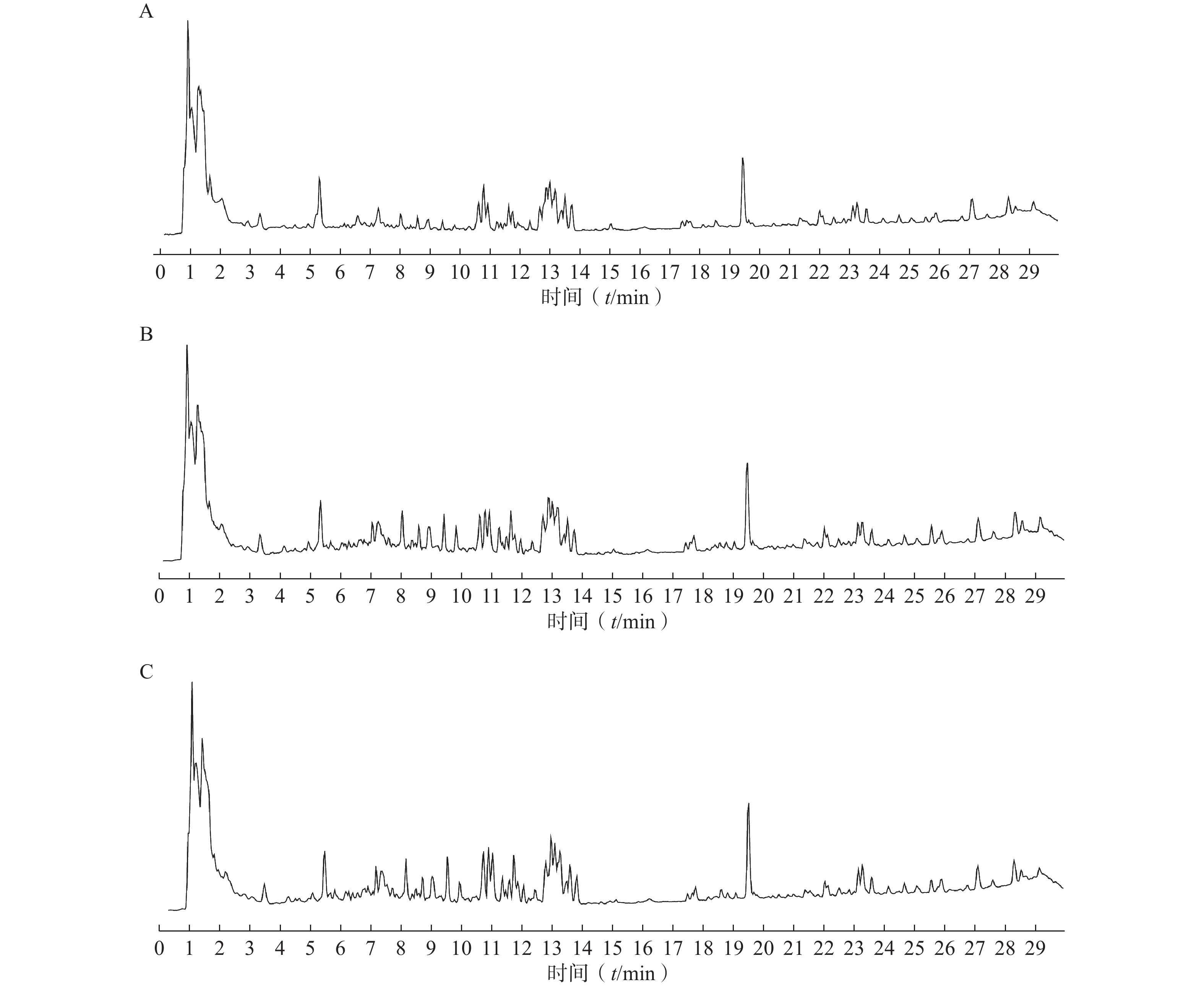
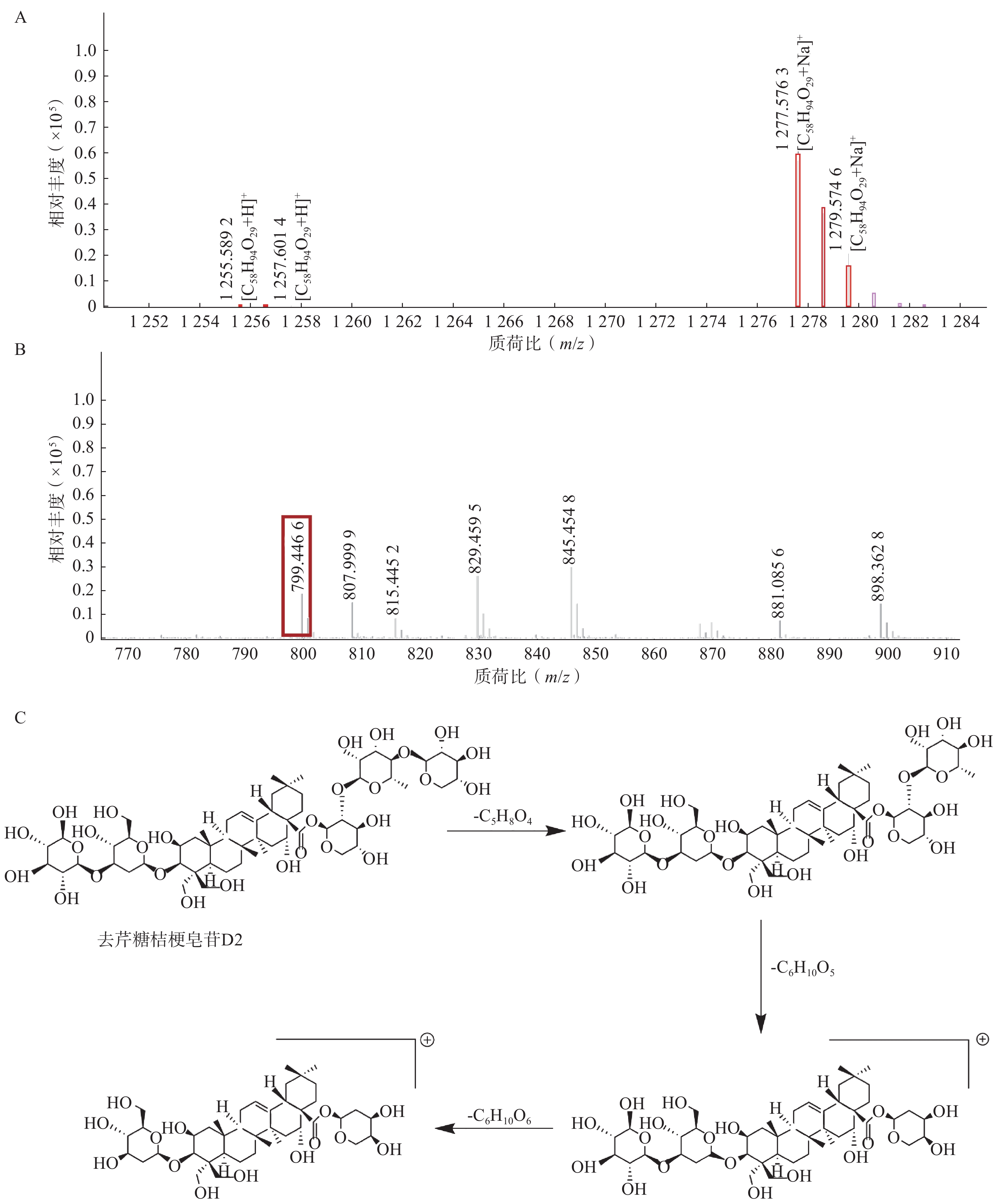
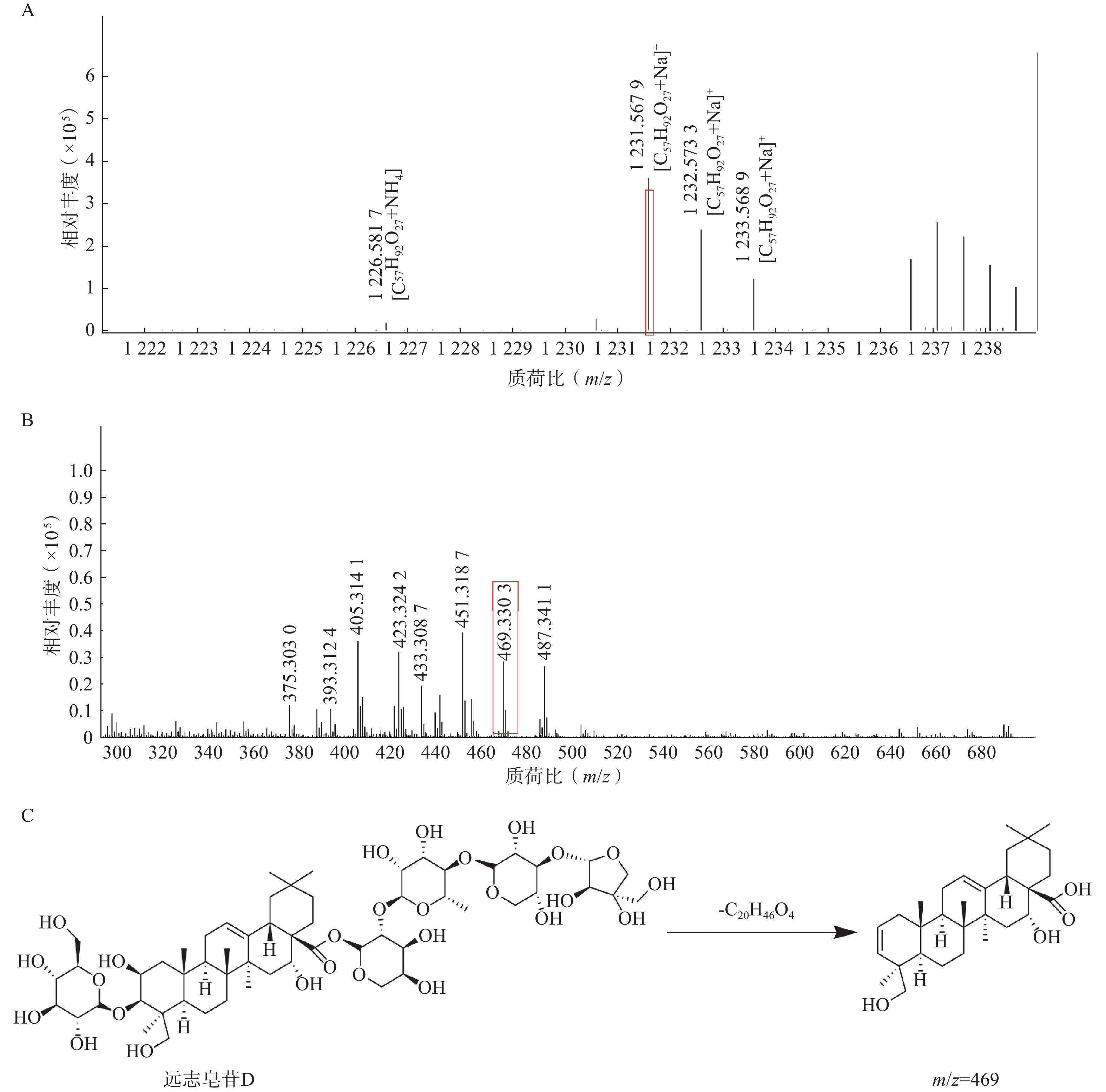
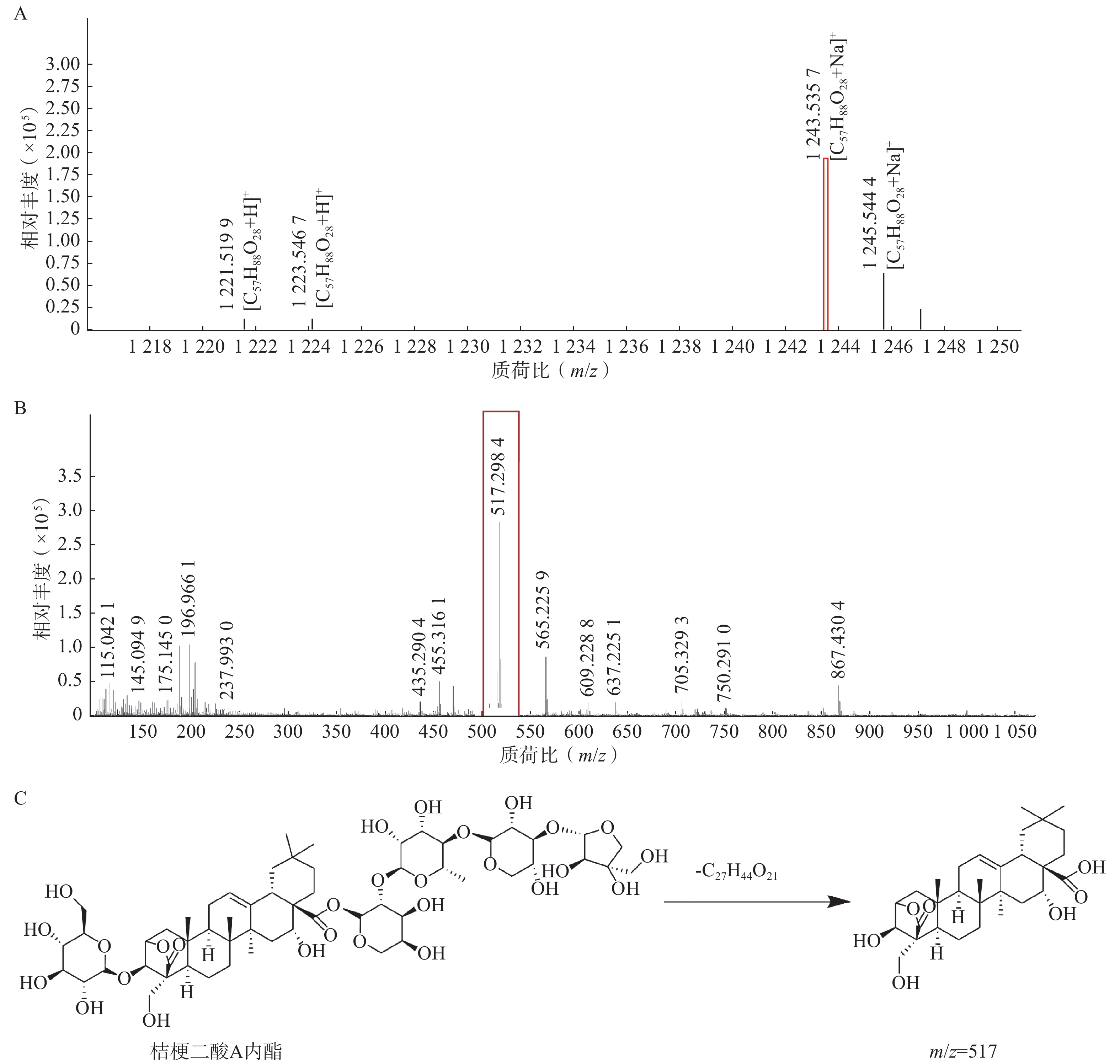
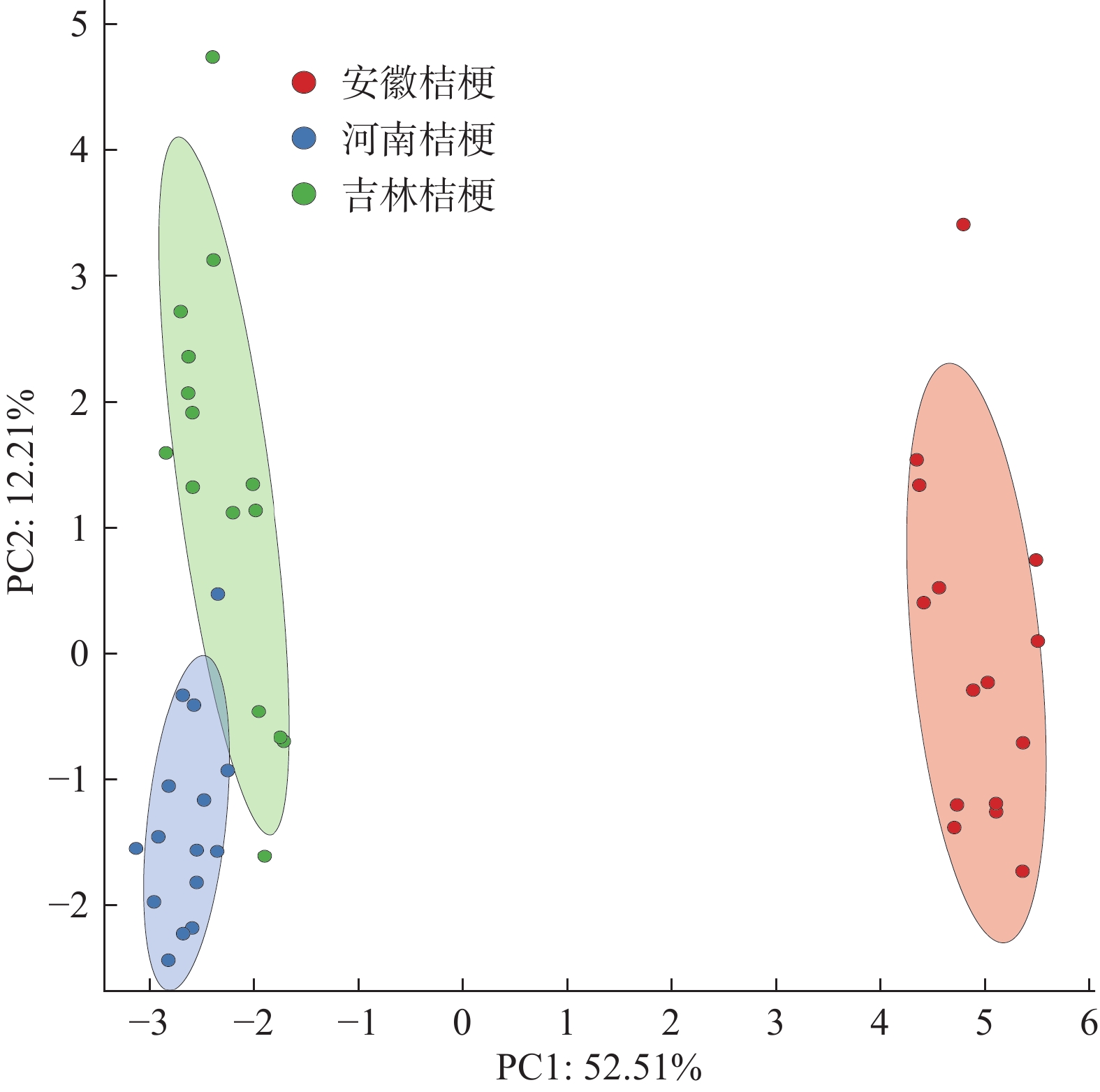
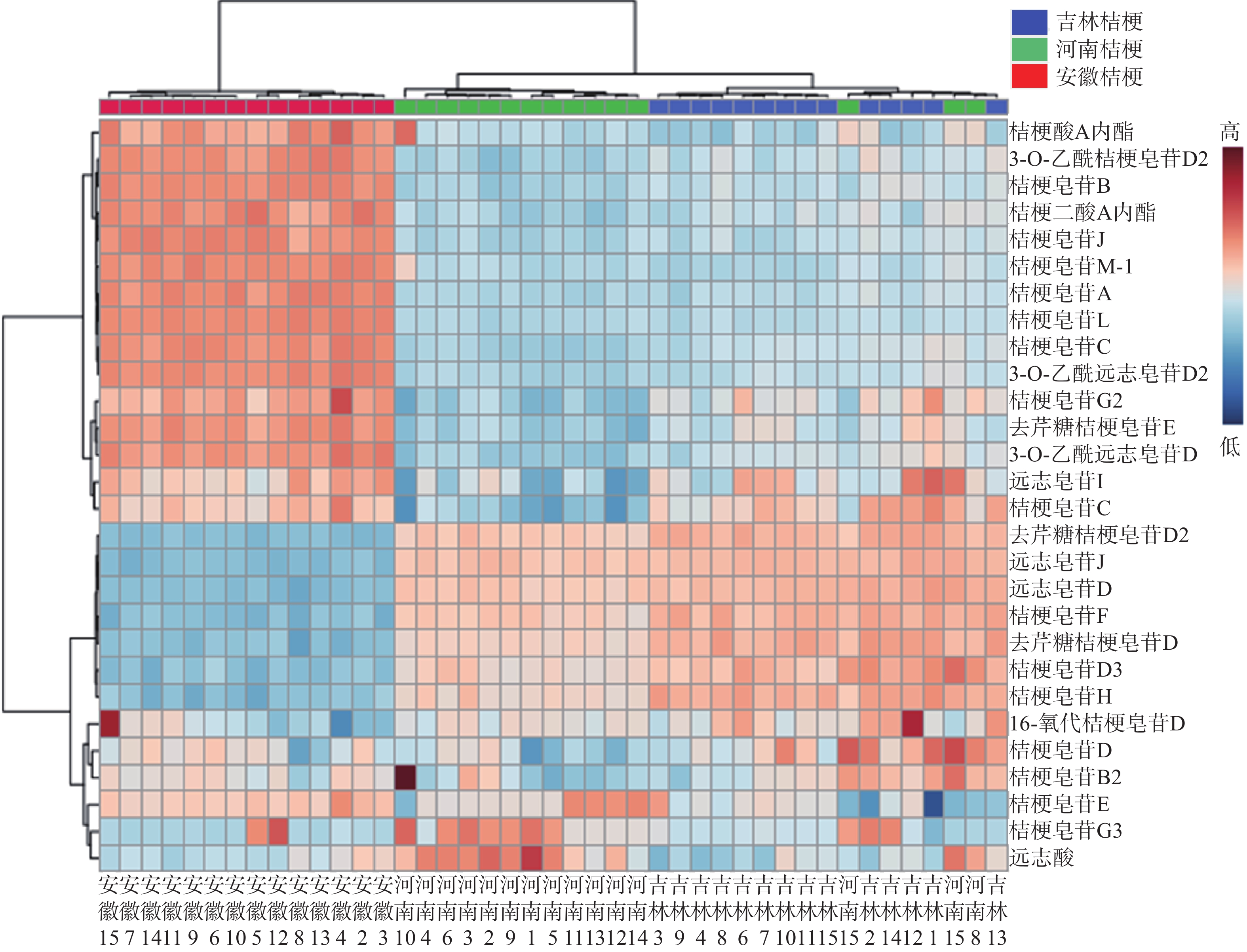
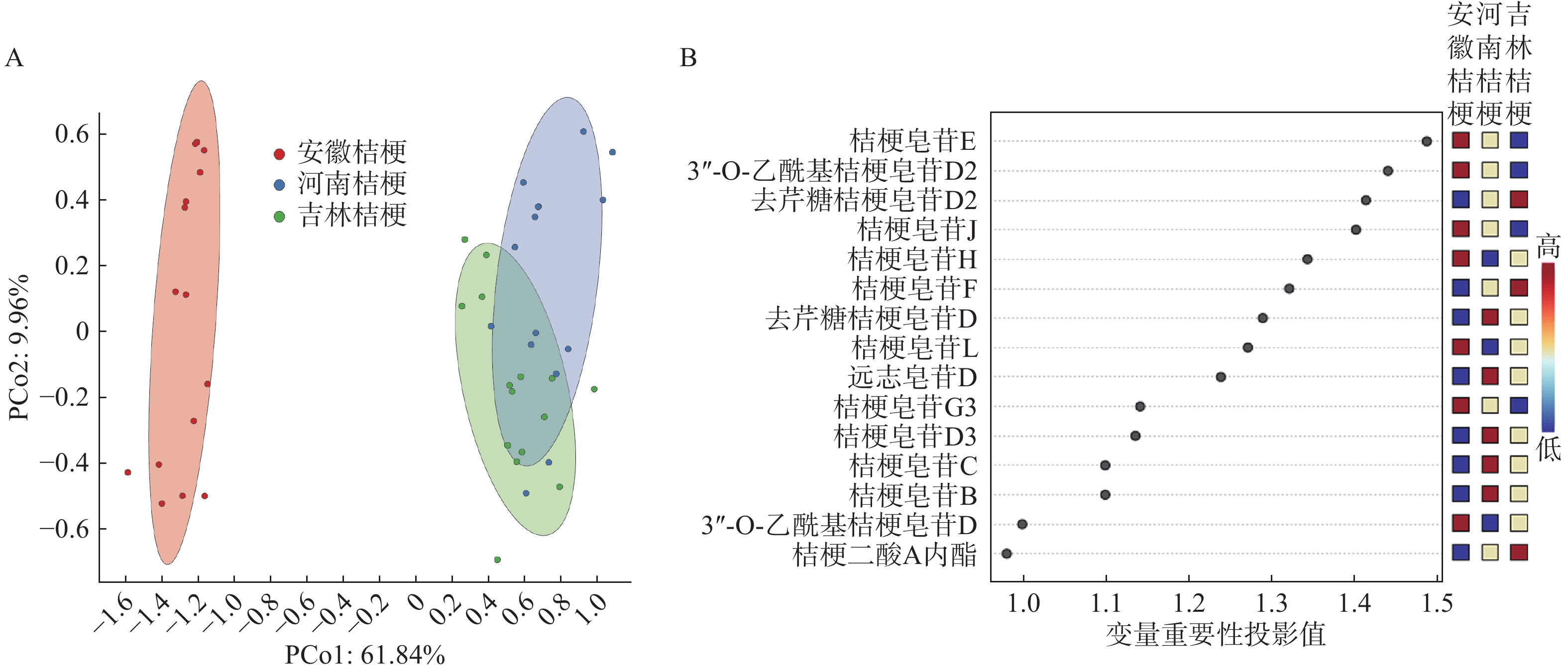
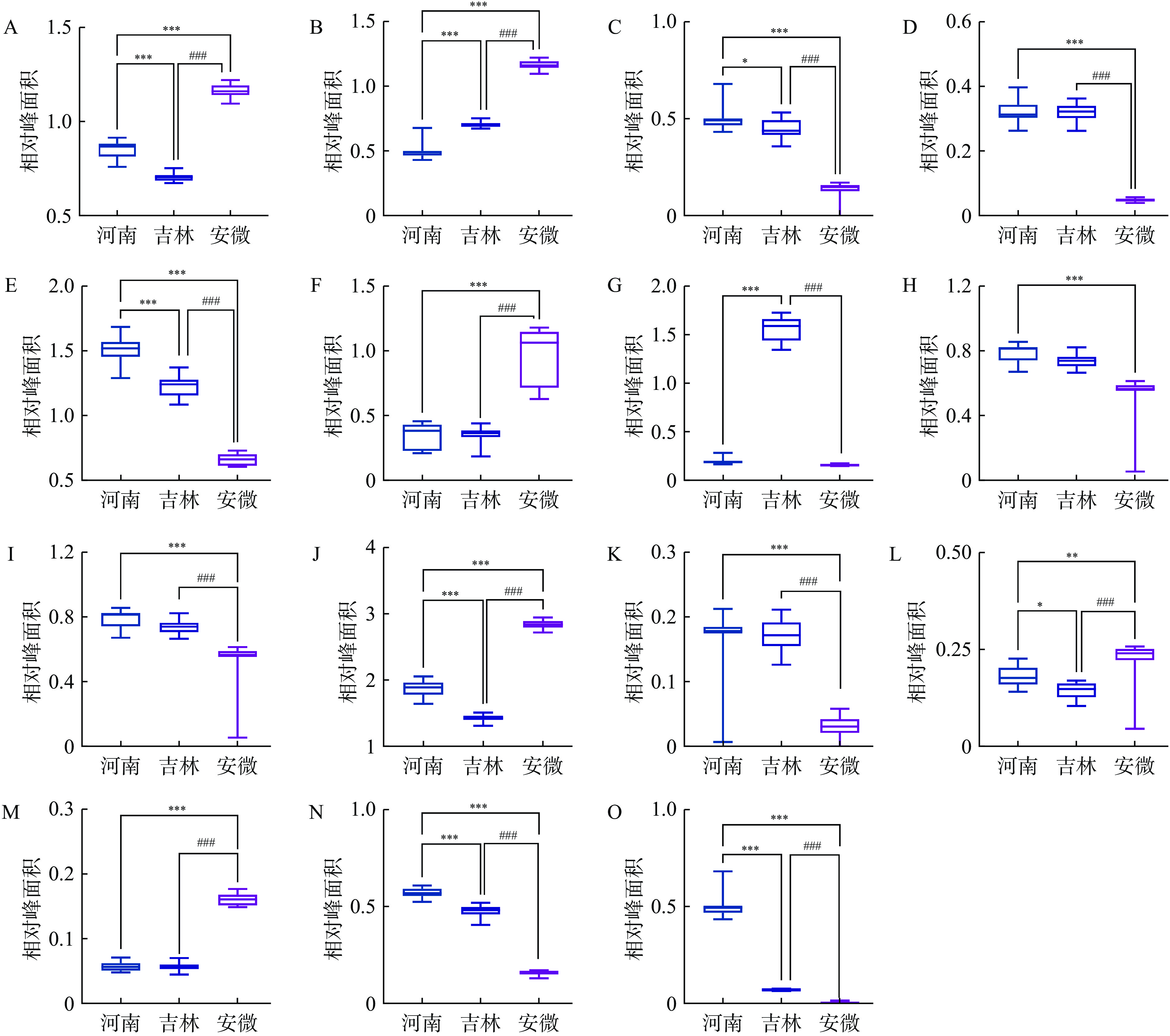
Objective To establish a highly efficient and sensitive technical system for the identification and analysis of platycodin-type saponins, systematically compare the differences in platycodin-type saponins among Platycodon grandiflorum from different producing areas, and provide scientific references for the screening of high-quality Platycodon grandiflorum resources, authenticity evaluation, and construction of standardized quality control systems. Methods A total of 45 batches of P. grandiflorum medicinal materials from 3 producing areas (Anhui, Henan, and Jilin, with 15 batches per area) were selected as research objects. Qualitative identification and semi-quantitative analysis of saponin components were performed based on ultra-high performance liquid chromatography-quadrupole-time-of-flight tandem mass spectrometry (UHPLC-Q-TOF/MS) technology. Meanwhile, two multivariate statistical methods, principal component analysis (PCA) and partial least squares-discriminant analysis (PLS-DA), were combined to analyze the differences in platycodin-type saponins of Platycodon grandiflorus from different producing areas. Results A total of 28 saponin components were identified from Platycodon grandiflorus of the three producing areas. PCA results showed that there were minor differences in platycodin-type saponins between Henan Platycodon grandiflorus and Jilin Platycodon grandiflorus, while Anhui P. grandiflorum exhibited significant differences from both. PLS-DA further screened 15 major differential compounds. Among them, the contents of 6 components including 3''-O-acetylpolygalacin D2 and platycodin H in Anhui Platycodon grandiflorus were higher than those in Henan and Jilin Platycodon grandiflorus; platycodigenic acid A had the highest content in Jilin Platycodon grandiflorus; the contents of platycodin D3, polygalacin J, and polygalacin D were relatively higher in Henan Platycodon grandiflorus. Conclusion This study clarified the characteristic differences in core components of Platycodon grandiflorus from the three major producing areas, which provided an important theoretical basis for the screening of high-quality Platycodon grandiflorus resources, elucidation of the mechanism underlying its authenticity, and construction of a standardized quality control system.

2026, 44(4): 200-208.
doi: 10.12206/j.issn.2097-2024.202501017
Abstract:
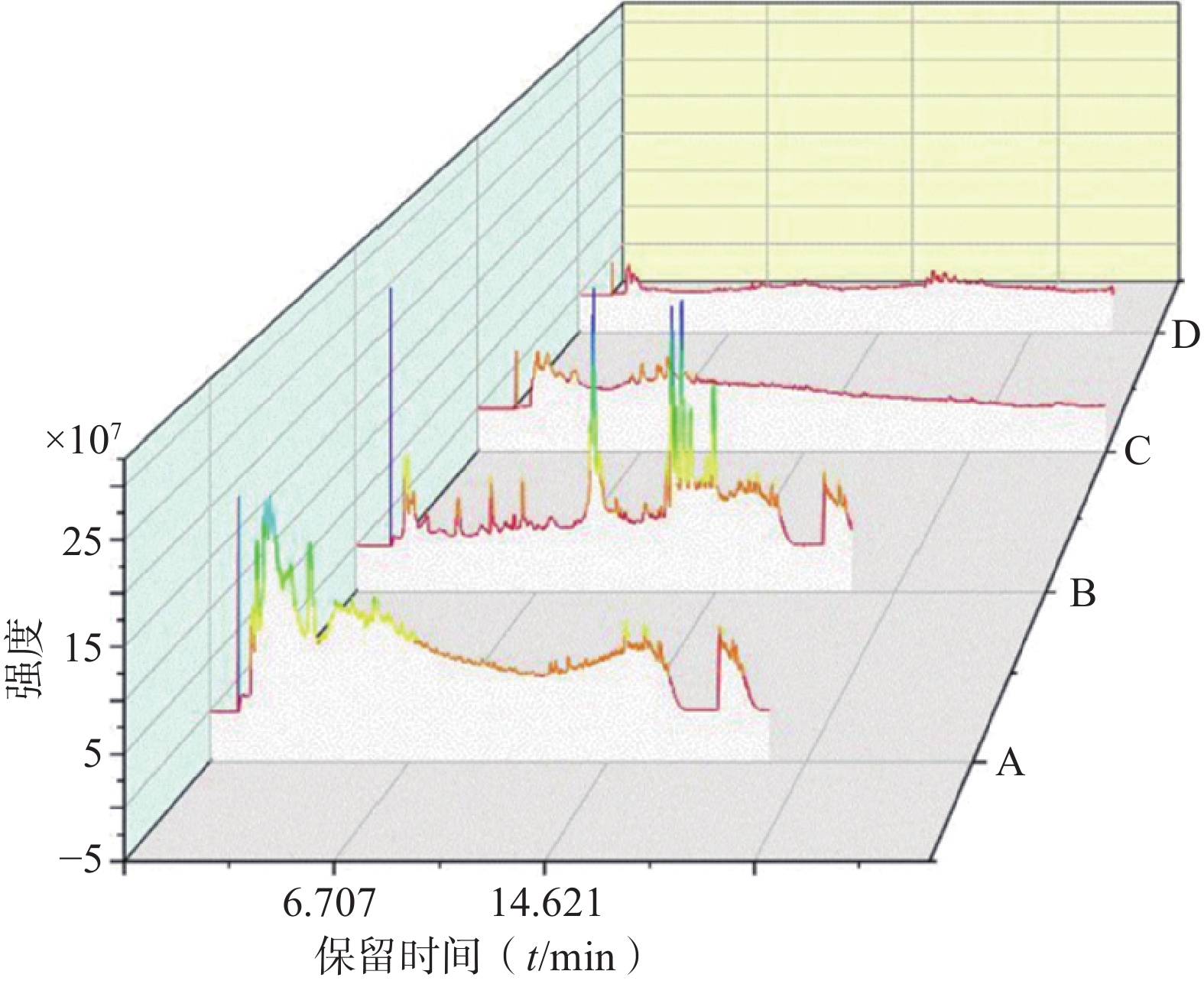
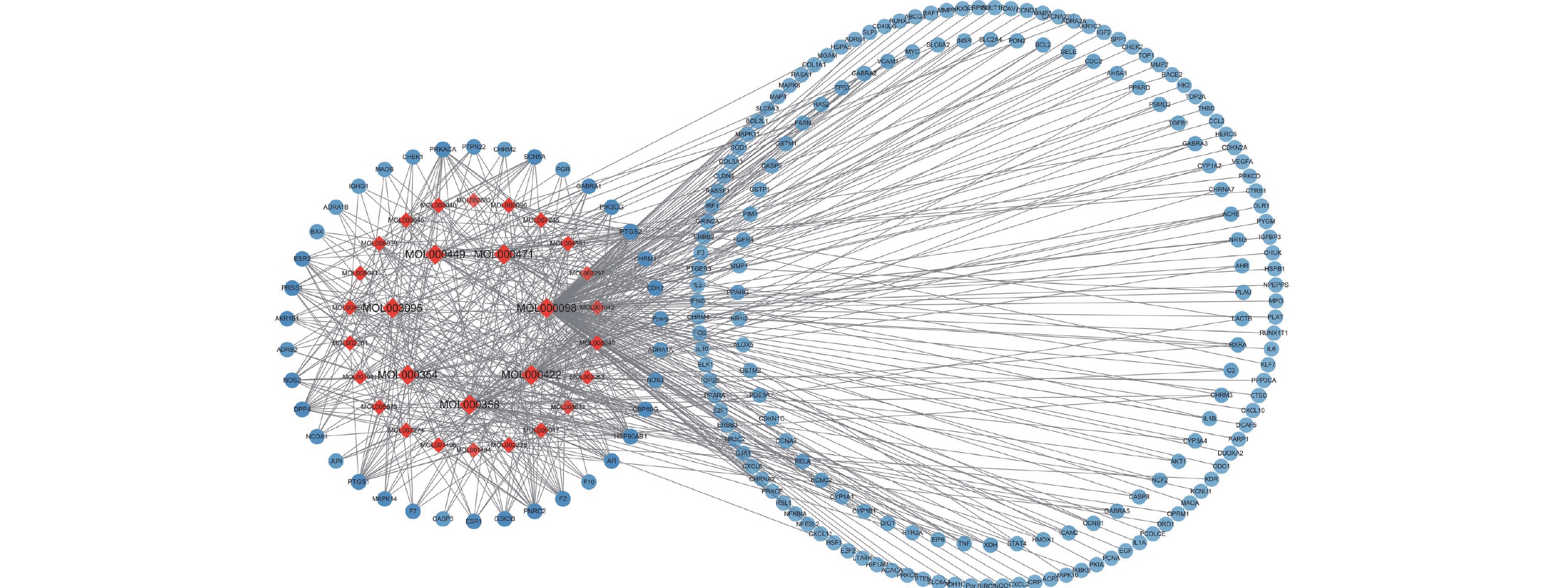
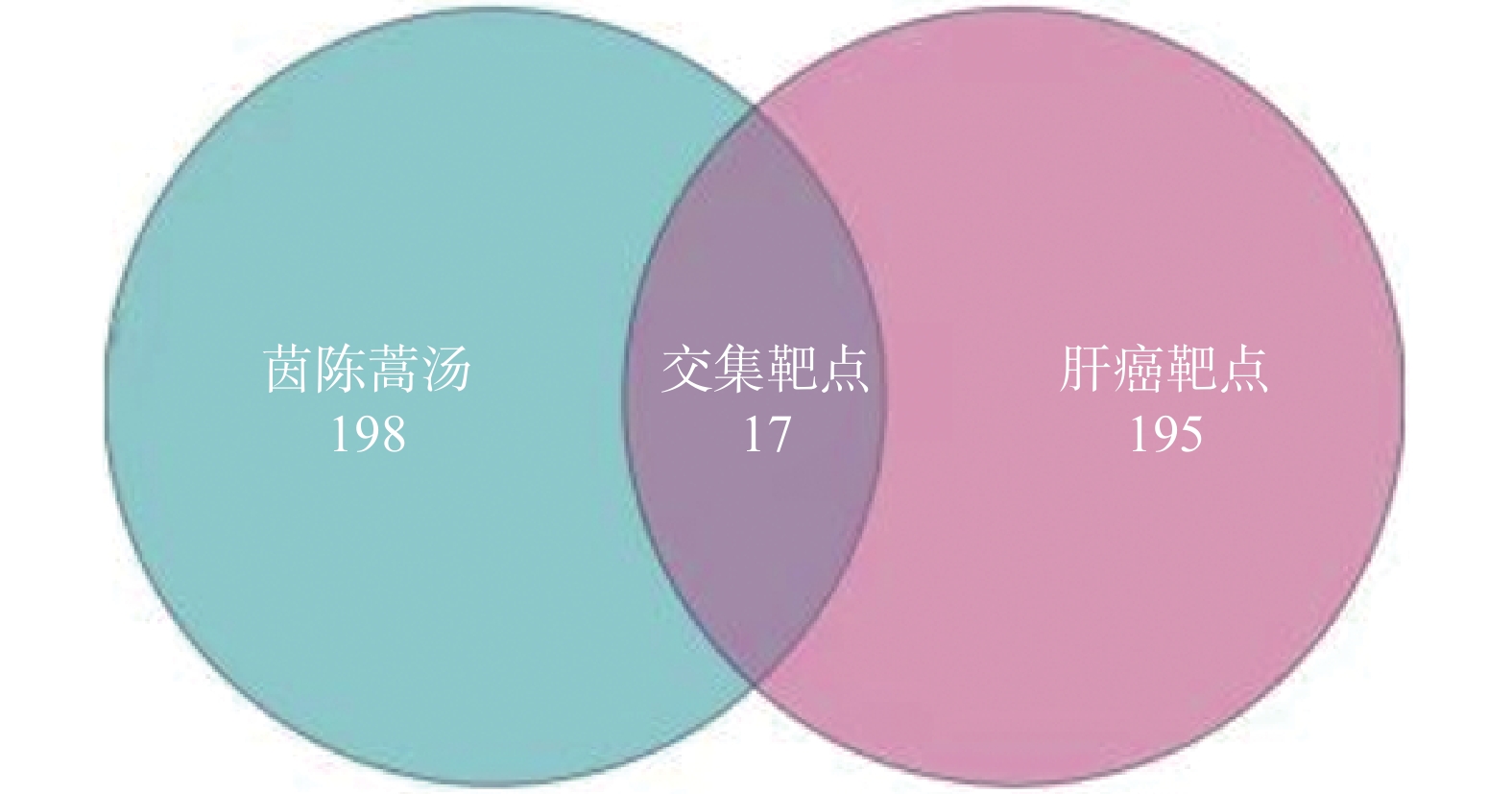
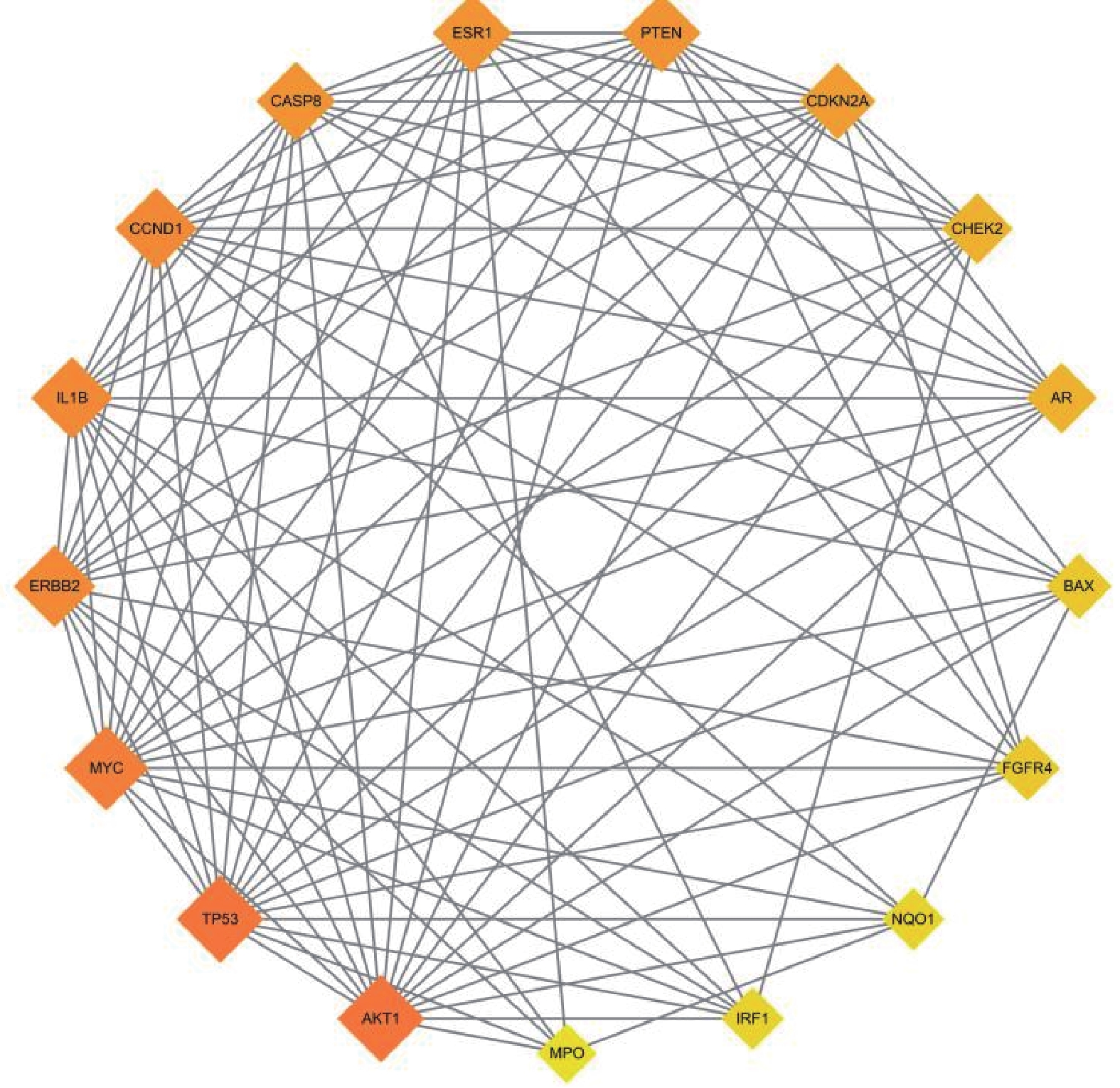
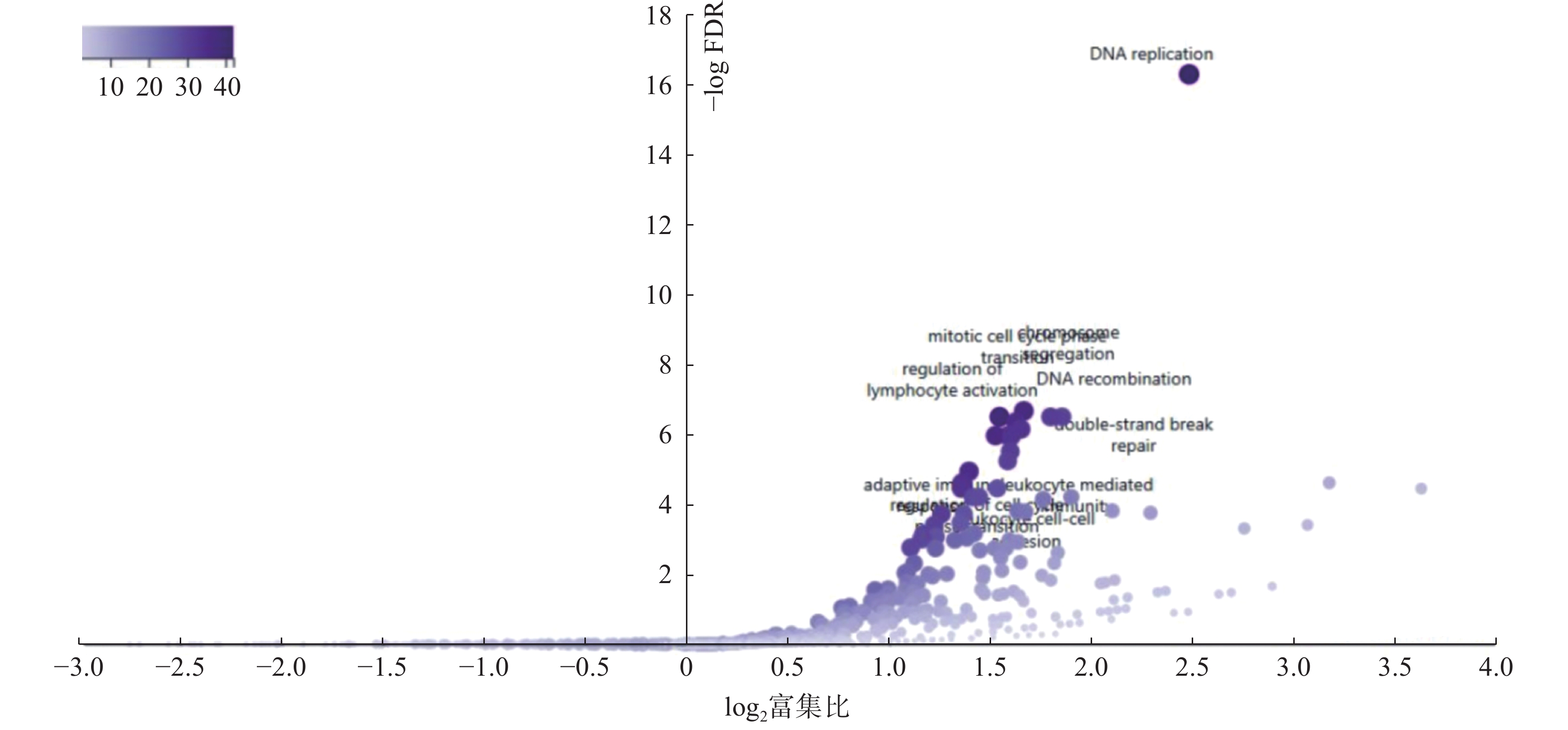
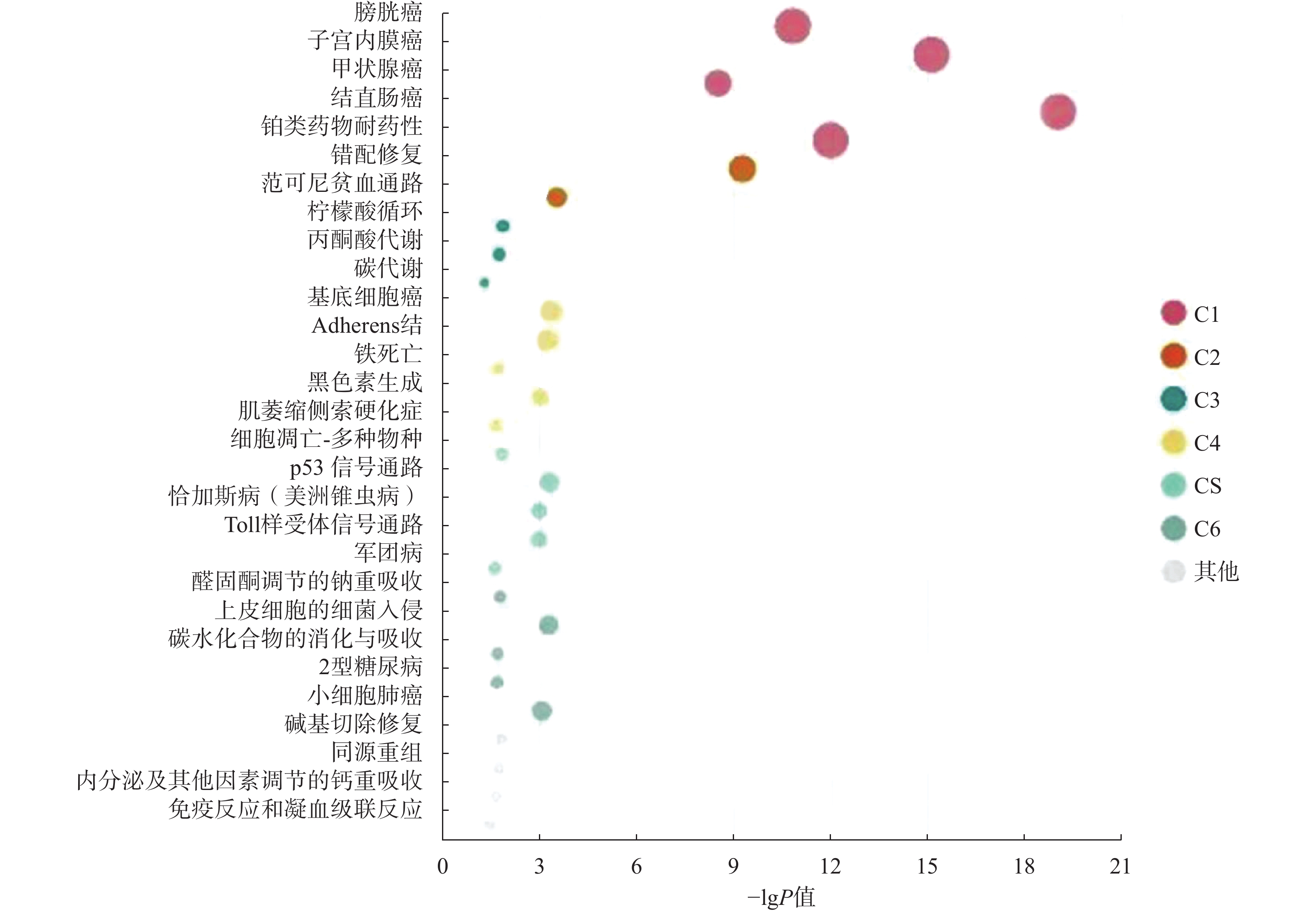
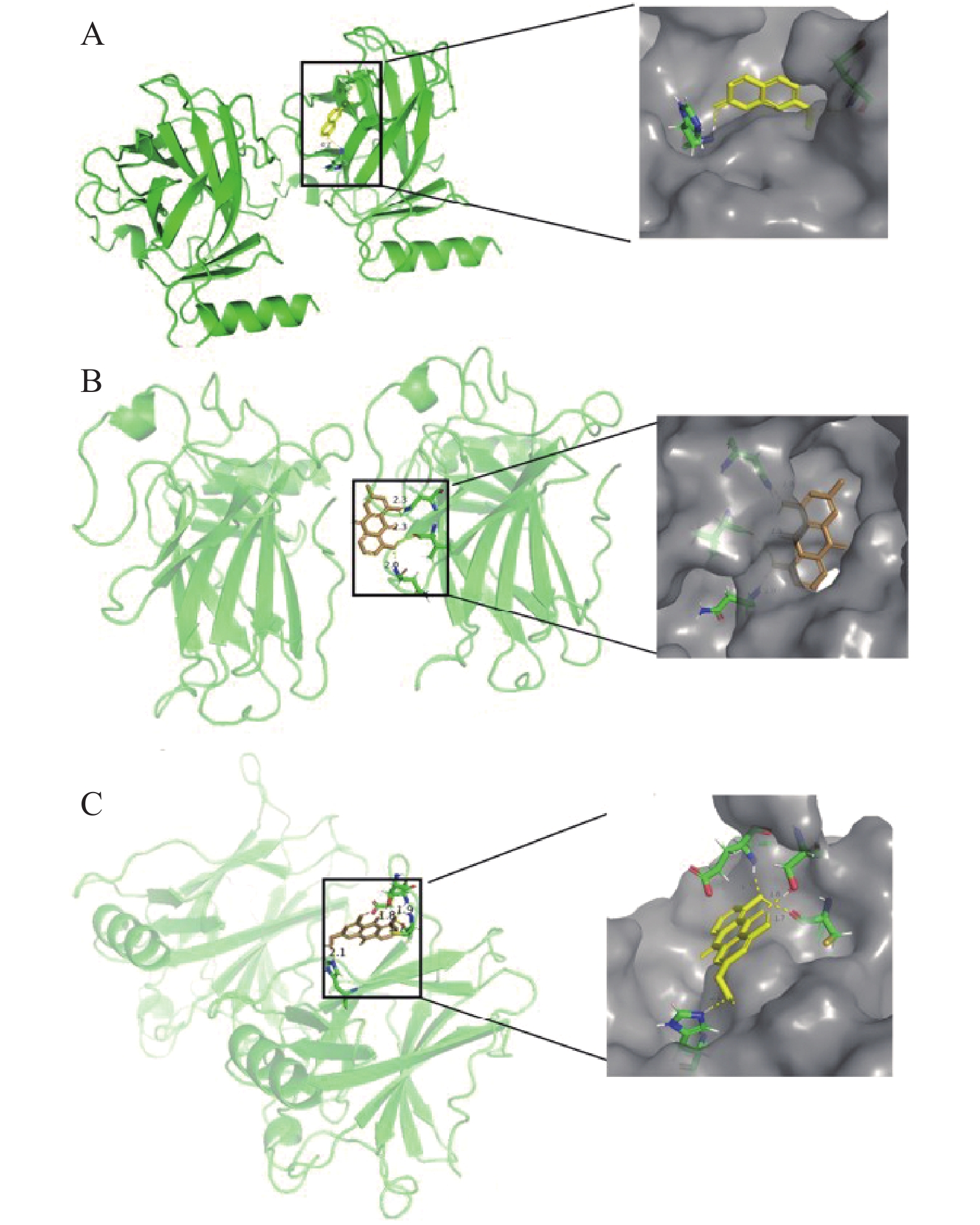
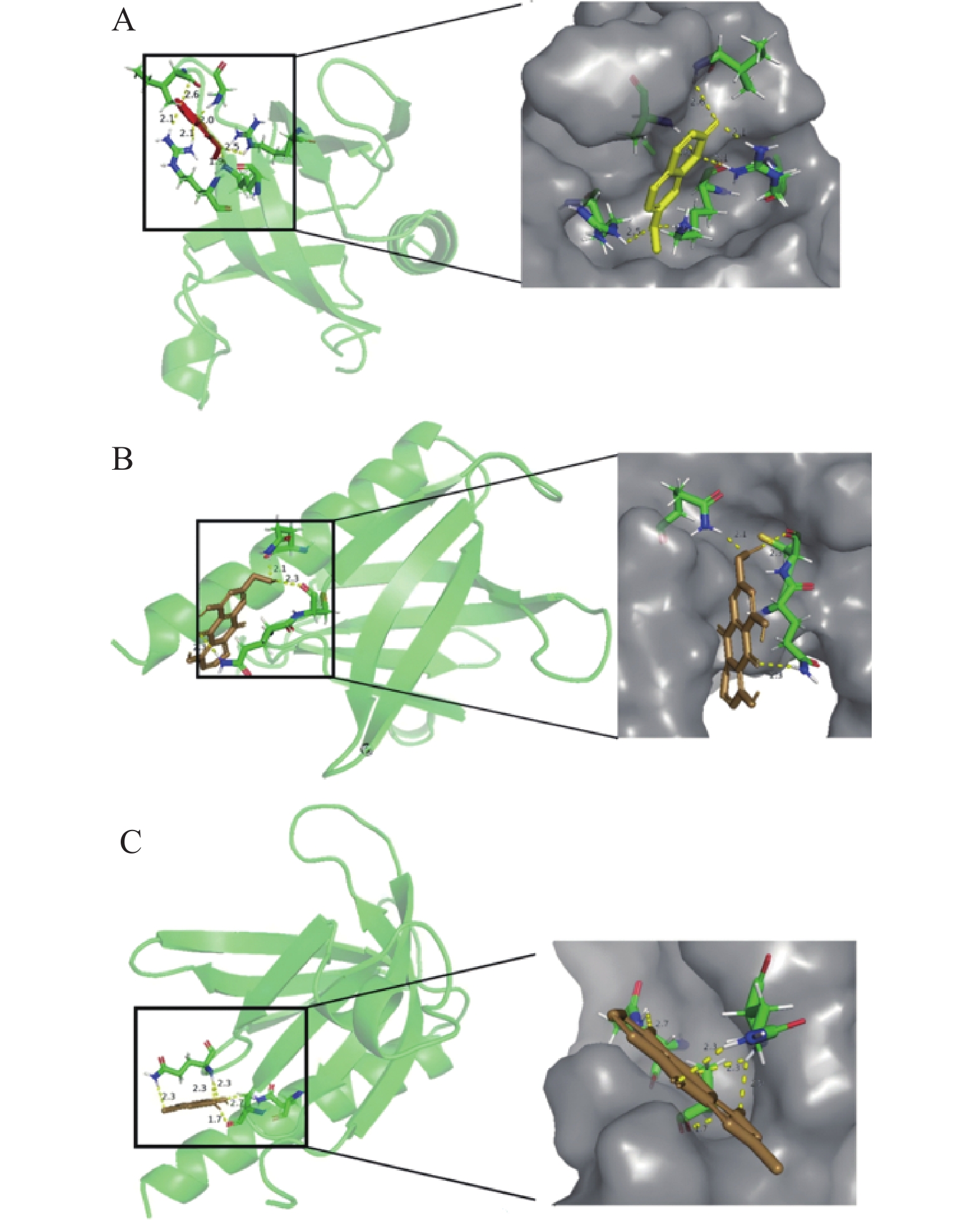
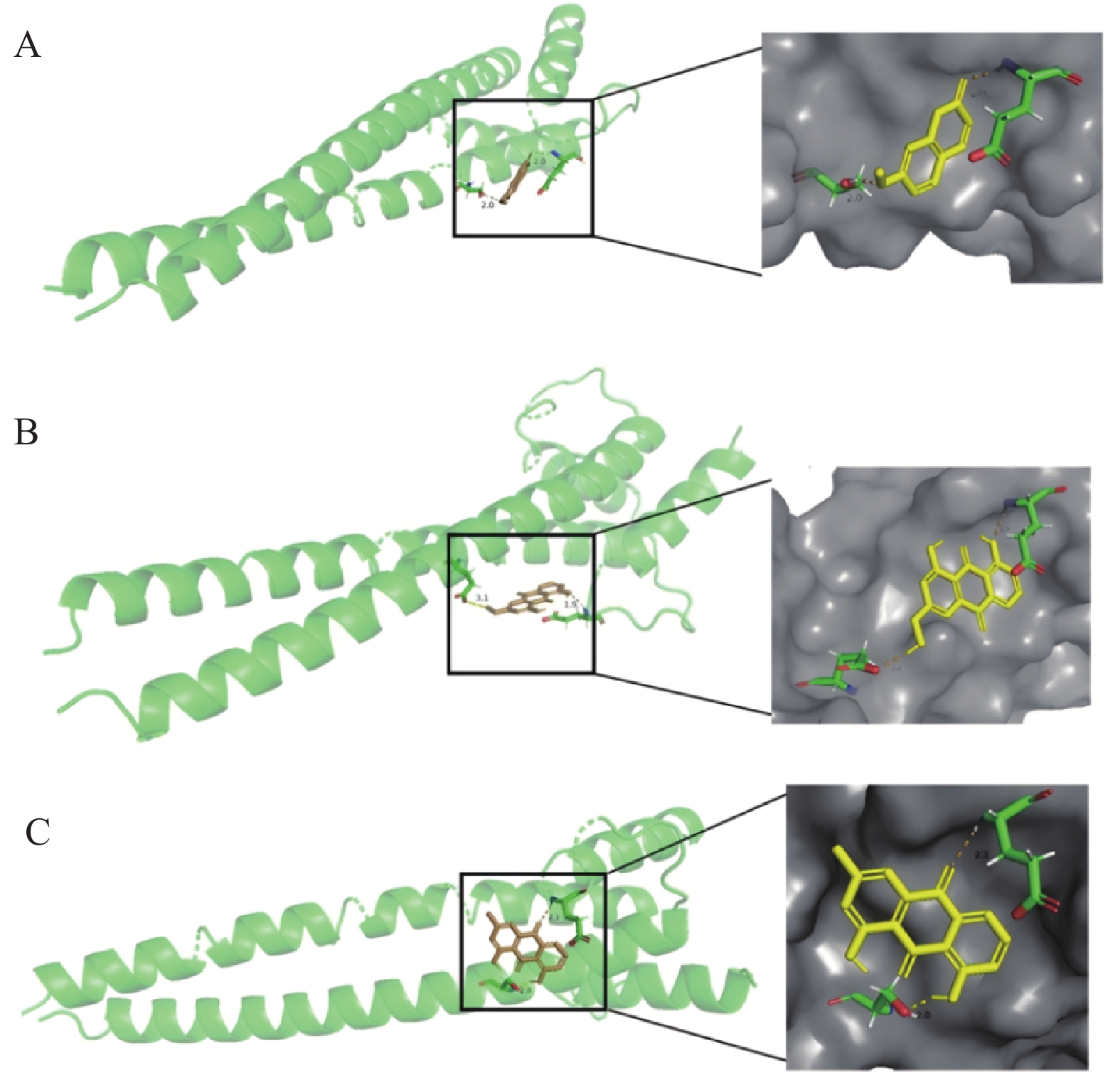
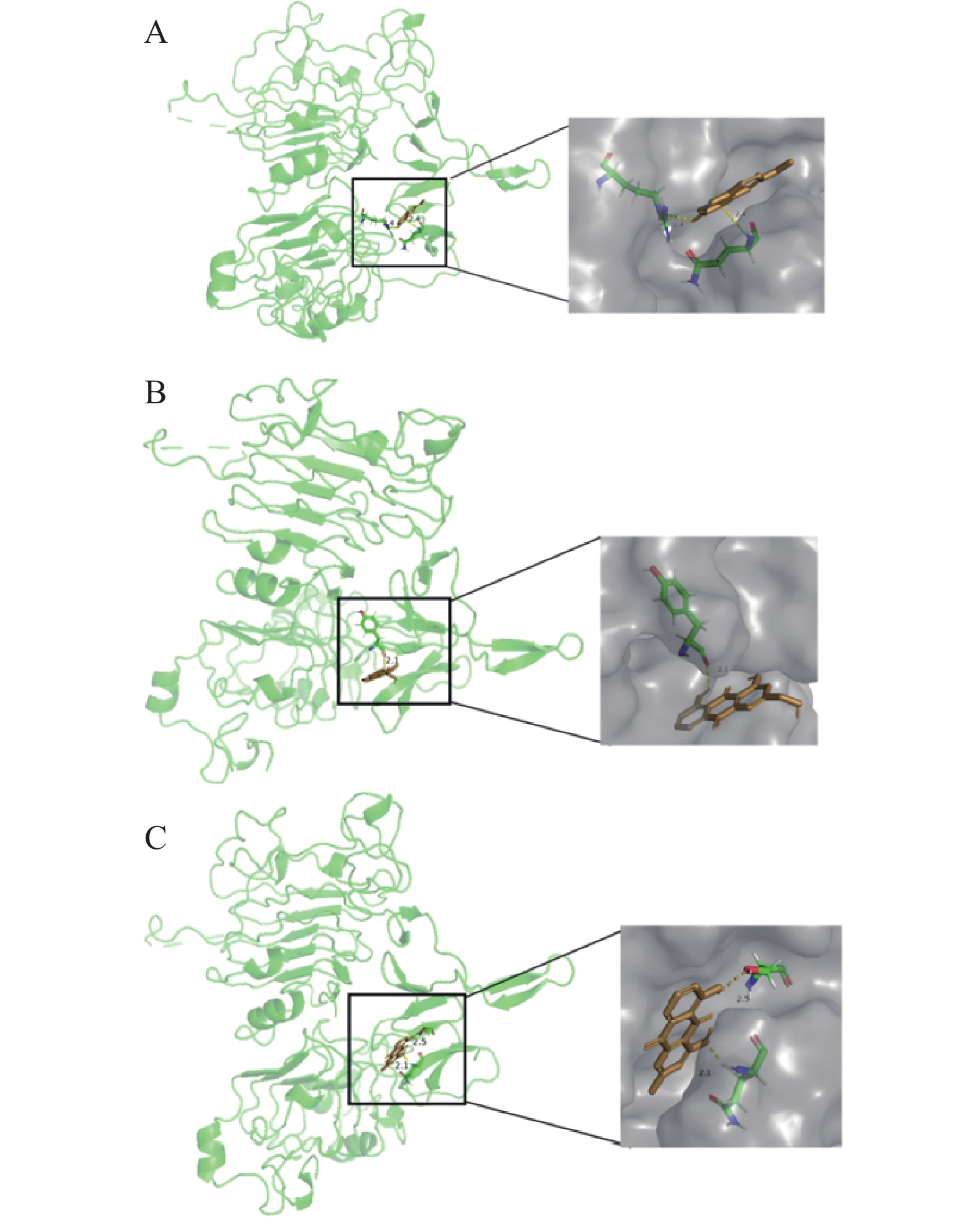
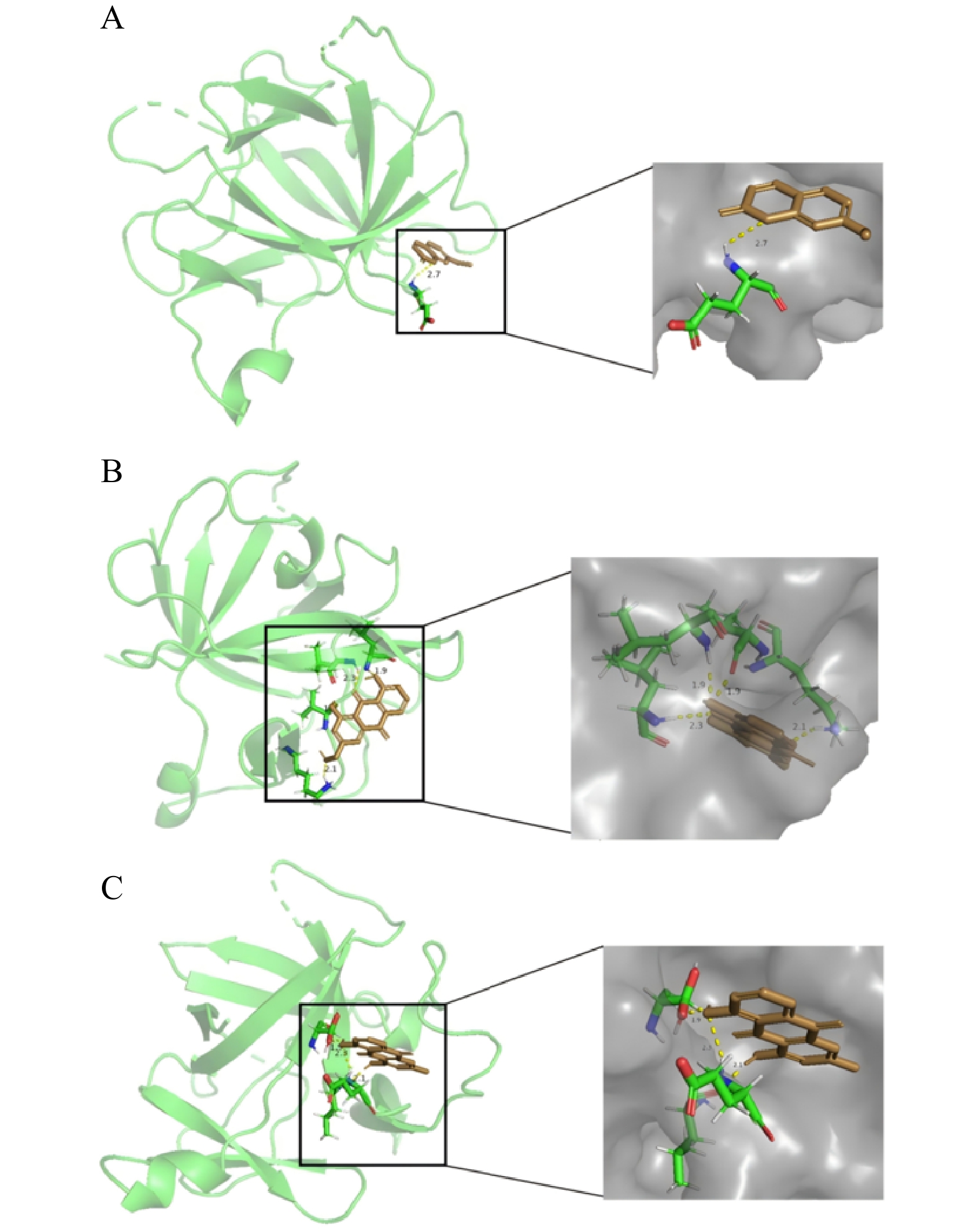
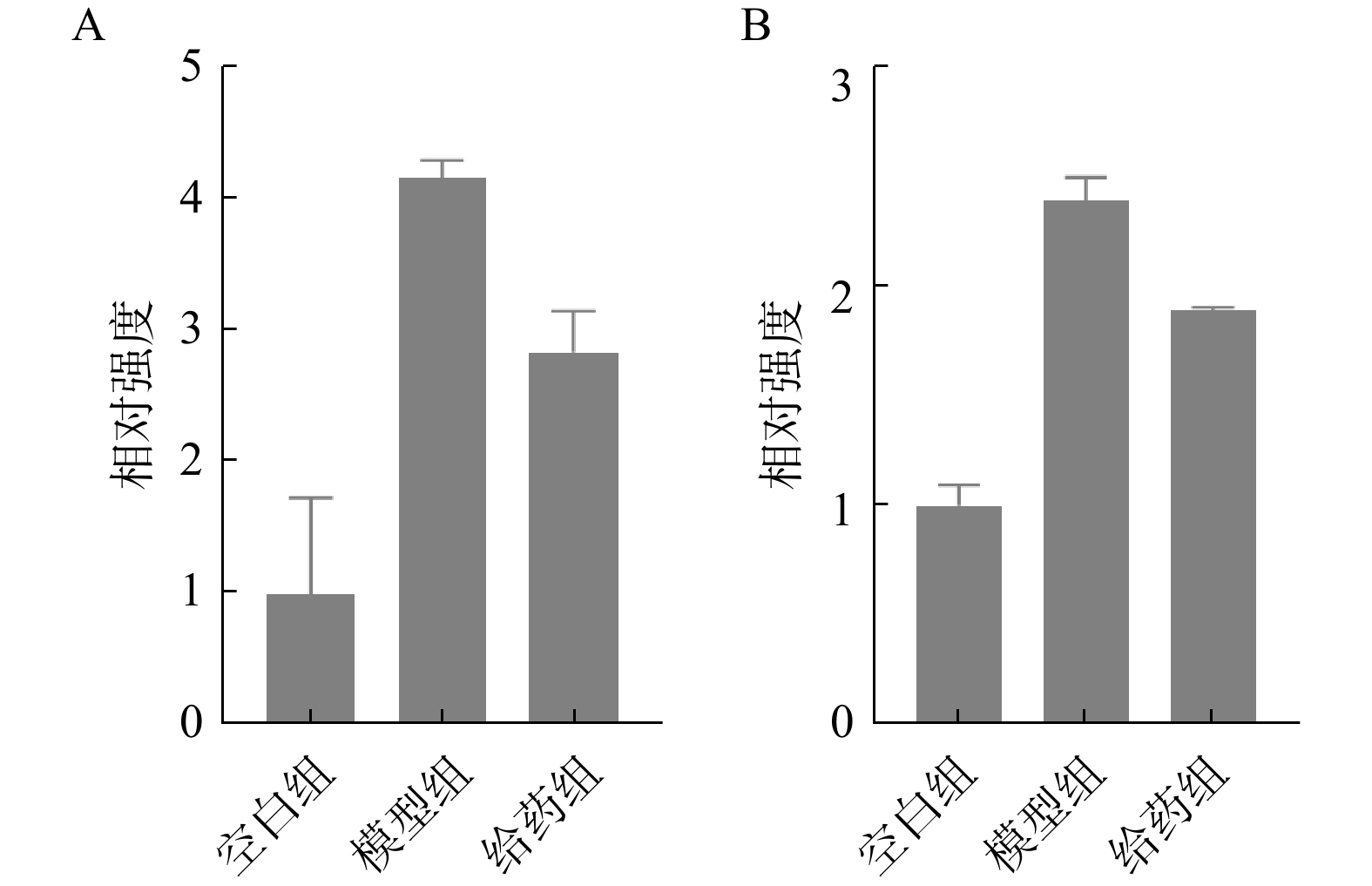
Objective To improve the analysis method of the blood components of Yinchenhao decoction (YCHD) in vivo and explore its anti-hepatocellular carcinoma mechanism. Methods Ultra-high performance liquid chromatography-quadrupole-time-of-flight mass spectrometry (UPLC-Q-TOF/MS) was used to collect and analyze blood samples from mice. The mice were given a single dose of YCHD with a concentration of 0.1 g/ml and a dose of 25 ml/kg, and then the samples were collected 2 h post–administration, which was to systematically study the chemical components of YCHD in vivo. Network pharmacological methods were used to screen the components and targets of YCHD, and the targets of hepatocellular carcinoma; The common targets of YCHD and hepatocellular carcinoma were identified for GO enrichment and KEGG enrichment. Molecular docking was performed on the main targets to verify the binding ability between the active ingredients and the core targets. The relative mRNA expression levels of serine/threonine-protein kinase(AKT1) and tumor protein p53(TP53) in liver tissues were analyzed via qPCR, including the following mouse groups: mice with concanavalin A(Con-A)-induced acute liver injury without preventive administration, mice with Con-A-induced acute liver injury that received 14 d preventive oral administration of YCHD, and untreated control mice. Results ①The active ingredients of YCHD in the blood were identified by retrieving the data from the in vitro component analysis. They were chrysophanol, herniarin, aloe-emodin, and monotropein. ②The mechanism of action of the blood components against hepatocellular carcinoma (HCC) was further analyzed using network pharmacological methods, and a total of 30 components of YCHD were screened for 213 targets and 215 HCC targets. ③There were 17 intersection targets between YCHD and hepatocellular carcinoma, including AKT1, TP53, receptor tyrosine-protein kinase erbB-2 (ERBB2), myelocytomatosis oncogene (MYC), interleukin-1β (IL-1β), etc. The GO enrichment results indicated that these components were primarily involved in DNA replication, chromosome segregation, leukocyte mediated immunity, leukocyte cell-cell adhesion. The KEGG enrichment results demonstrated that these components were predominantly associated with diverse cancer pathways. Additionally, the results indicated involvement in the citrate cycle (TCA cycle), pyruvate metabolism, and p53 signaling pathway, ect. ④The results of molecular docking showed that chrysophanol, herniarin, and aloe - emodin had strong binding abilities with AKT1, TP53, ERBB2, MYC, and IL-1β. ⑤The relative expression of AKT1 and TP53 mRNA was significantly higher in the modelling group than in the control group. The relative expression of AKT1 and TP53 mRNA was significantly lower in the drug administration group than in the modelling group. Conclusion There were 4 blood components in YCHD, among which chrysophanol, herniarin, and aloe-emodin may act on AKT1, TP53, ERBB2, MYC, IL-1β and then participated in the regulation of cancer signaling pathways and p53 signaling pathway to play a role in the treatment of HCC.
2026, 44(4): 209-215.
doi: 10.12206/j.issn.2097-2024.202407027
Abstract:
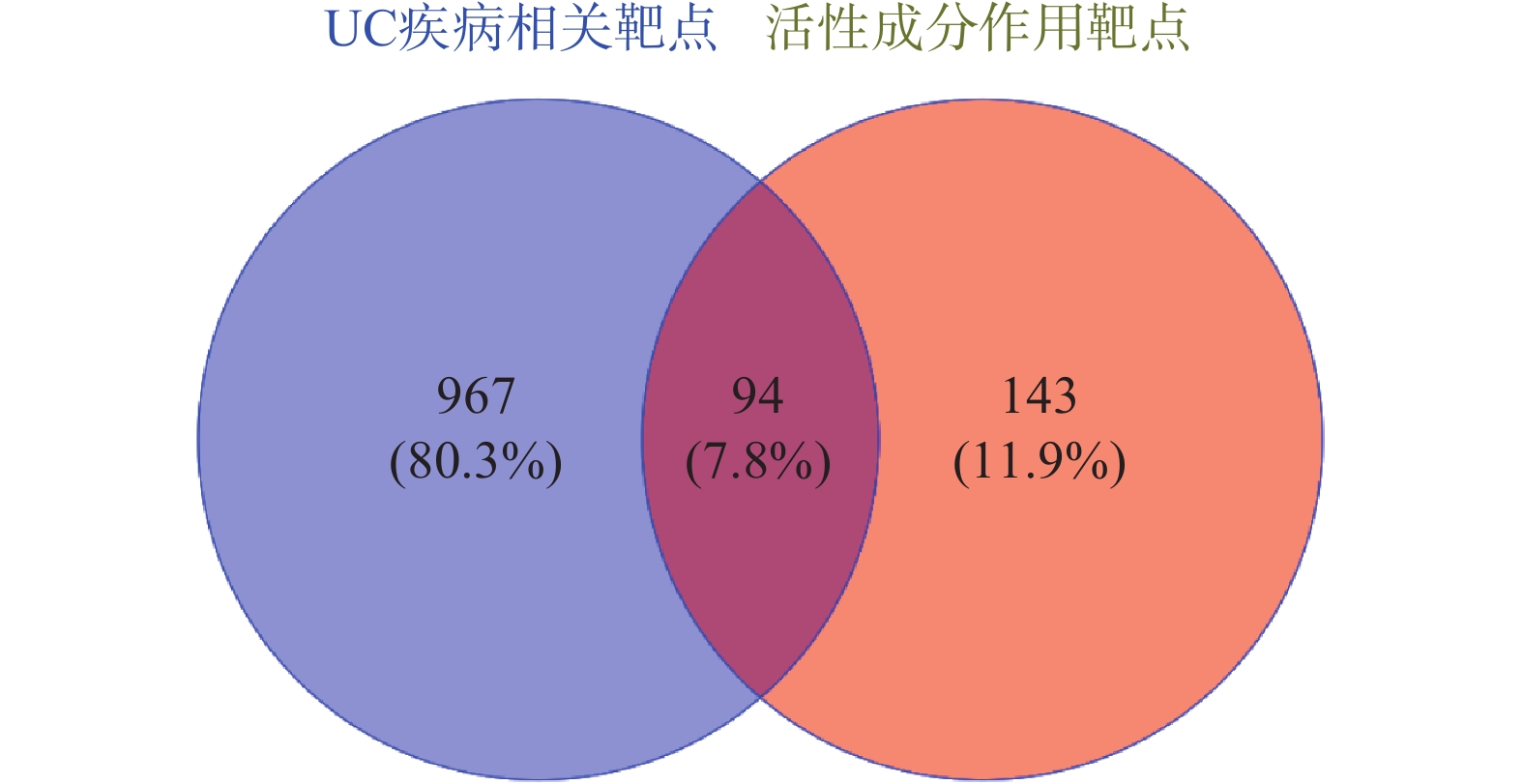
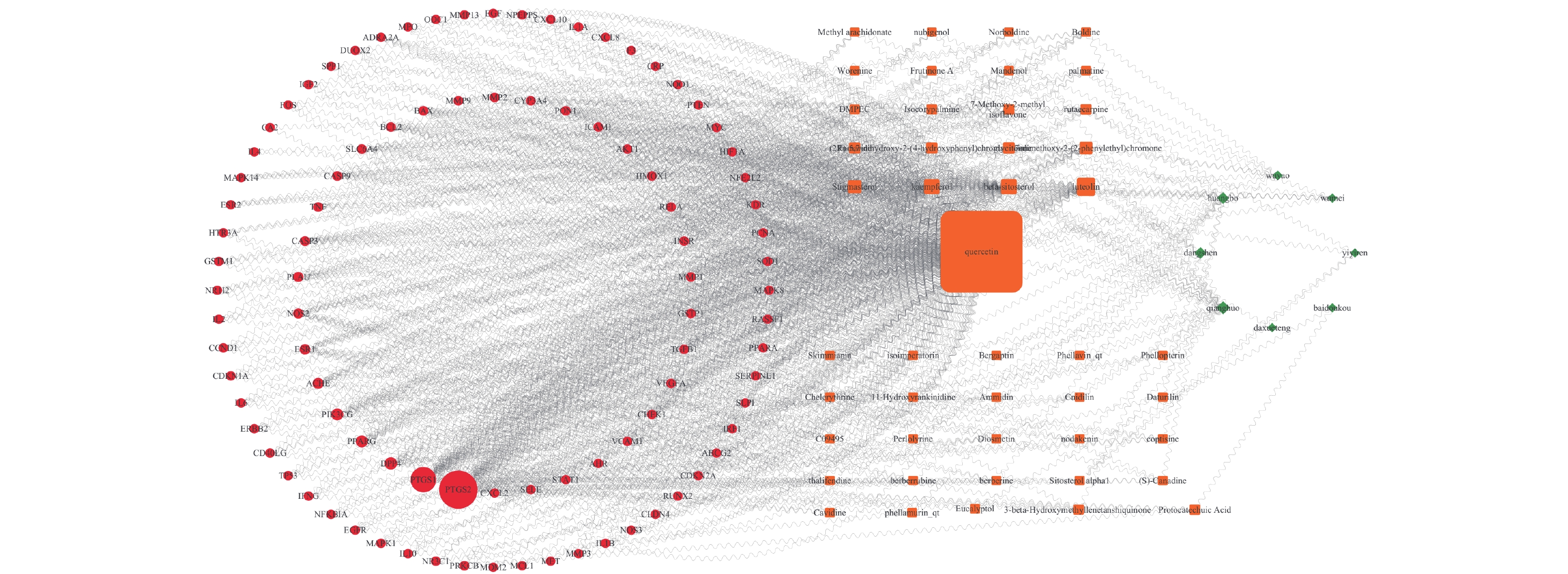
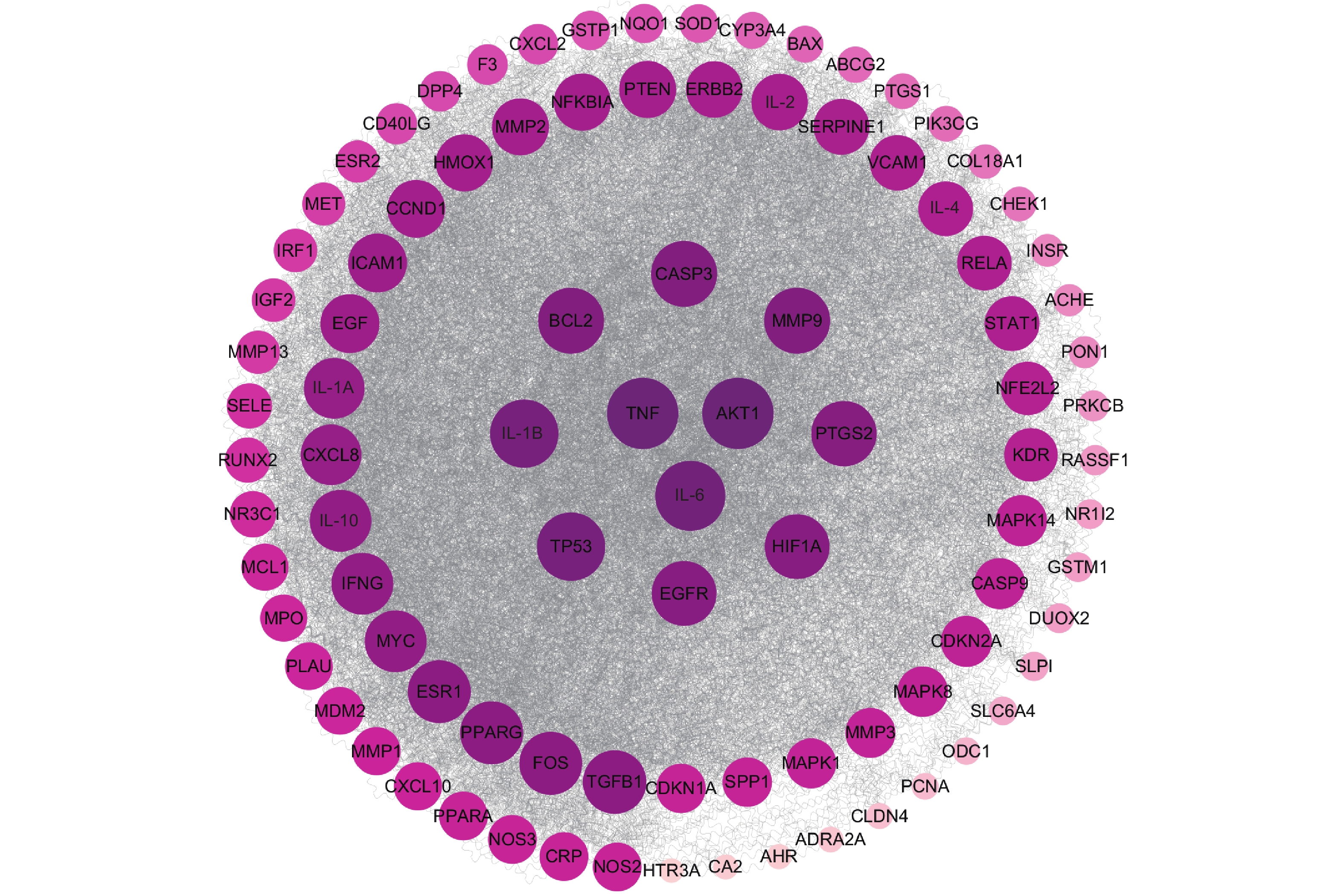
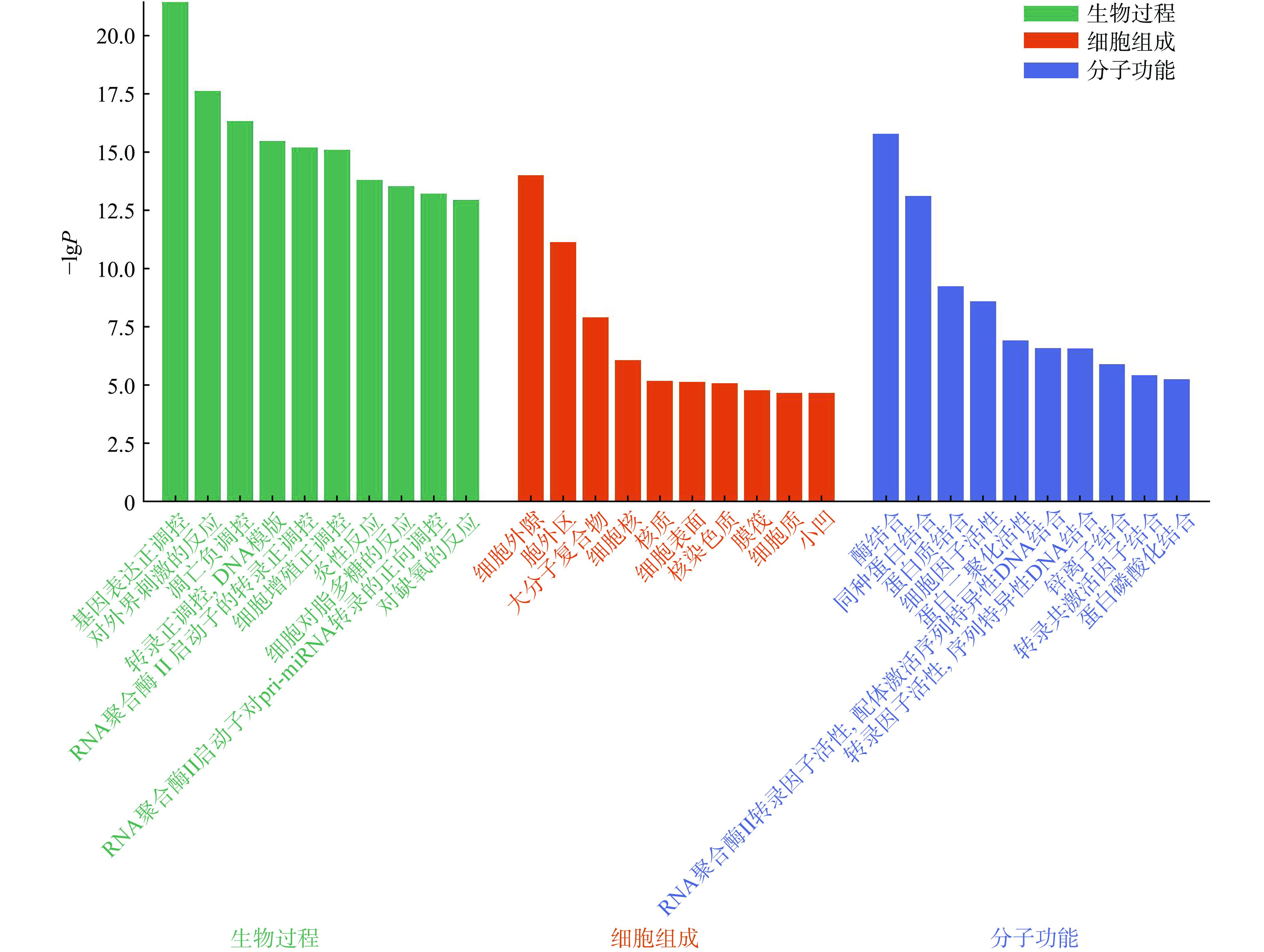
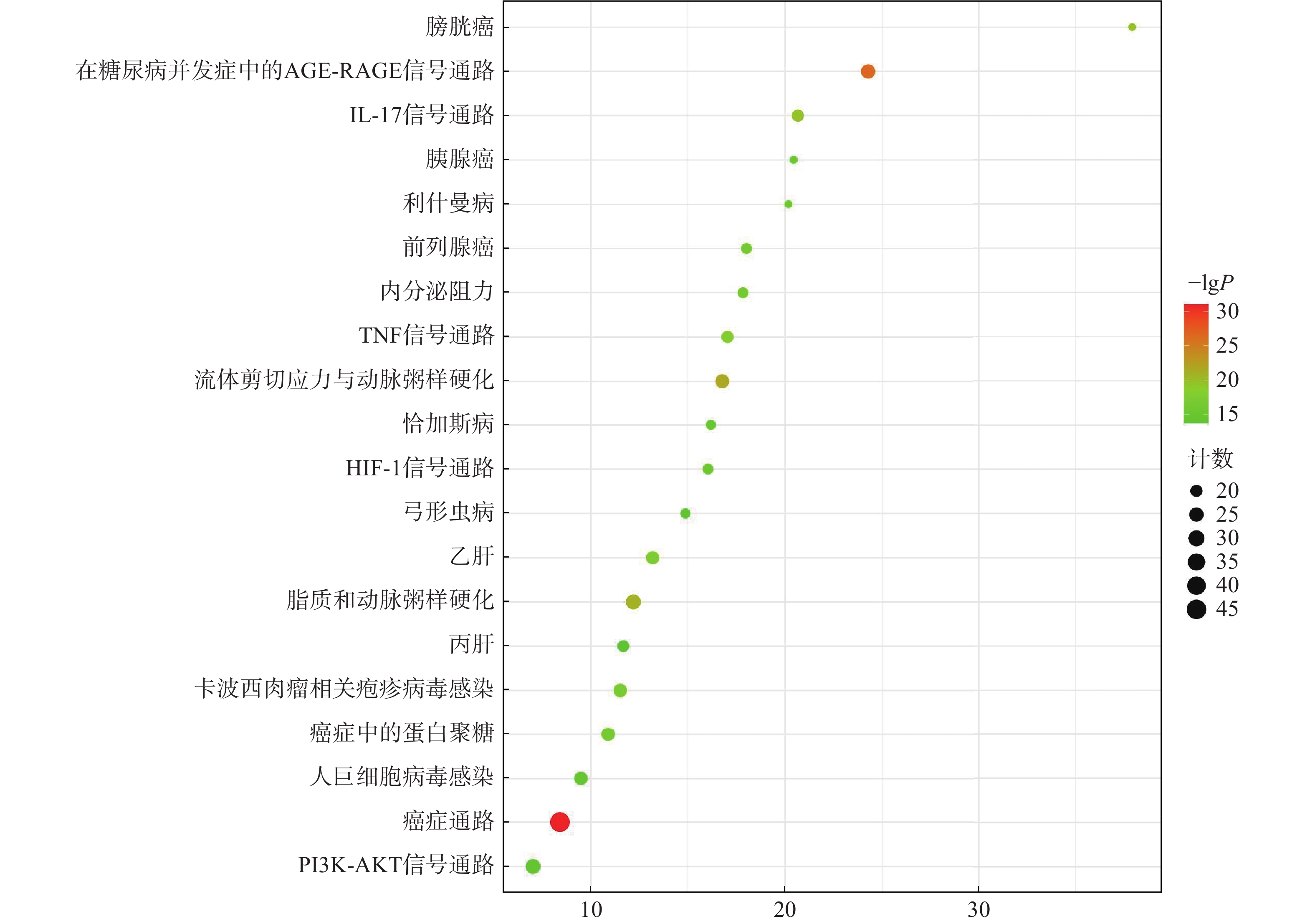
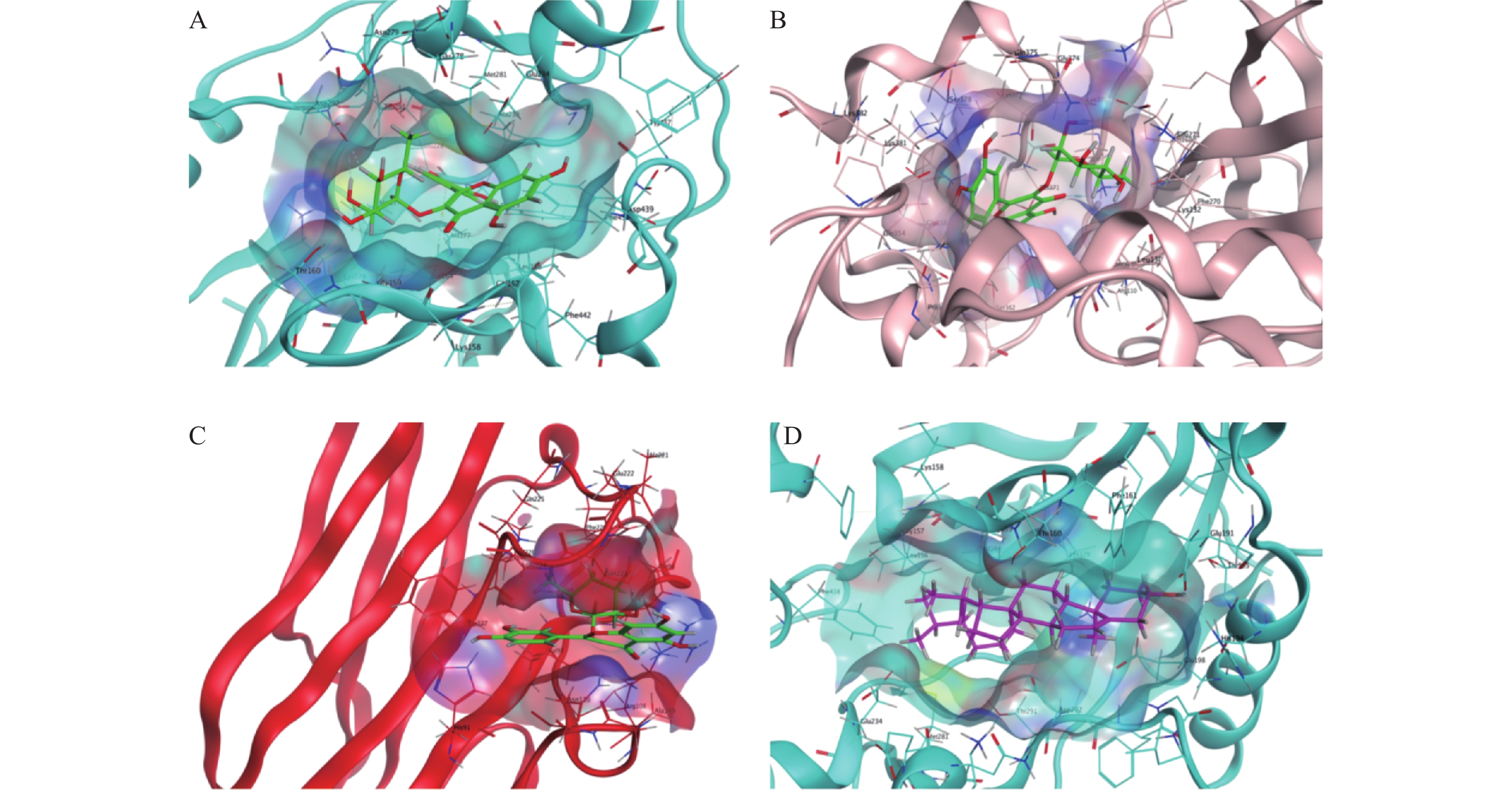
Objective To determine the molecular mechanism of Yuchang granule (YCG) against ulcerative colitis (UC) by network pharmacology-based approach combined with molecular docking. Methods TCMSP and HIT database were utilized to search the active components and potential targets of YCG. The effective targets of UC were obtained by GeneCards, CTD, and DisGeNET databases. Venn Diagram was exploited to receive common targets of YCG and UC. Network maps of the TCM of YCG-active component-common targets were constructed by the Cytoscape software to gain key active components. Protein-protein interaction (PPI) of common targets was constructed by the STRING database obtaining core common targets. The mechanism and therapeutic effects of YCG on UC were explored via gene ontology (GO) and the biological pathway (KEGG) enrichment analyses. Molecular docking technology was carried out to verify the combination of core active components with key common targets. Results 98 active components and 237 potential targets were sieved from YCG, and 1061 effective targets were screened from UC. 94 common targets of YCG and UC were regarded as potential therapeutic targets. Bioinformatics analysis revealed that quercetin, luteolin, β-quebrachol, stigmasterol, and kaempferol may be the potential candidate agents. Tumor necrosis factor (TNF), serine/threonine-protein kinase (AKT1), tumor protein p53 (TP53), interleukin-6 (IL-6) and IL-1β could become potential therapeutic targets. KEGG showed pathways in cancer, AGE-RAGE signaling pathway in diabetic complications, TNF signaling pathway, and IL-17 signaling pathway might play an important role in YCG against UC. Molecular docking results showed that quercetin combined well with TNF, AKT1, and TP53. And stigmasterol did well with AKT1. Conclusion This study comprehensively illustrated the potential candidate agents, potential therapeutic targets, and pathways of YCG against UC. It also illustrated that YCG could act on multiple targets through multi-pathway treating UC.
2026, 44(4): 216-220.
doi: 10.12206/j.issn.2097-2024.202508039
Abstract:
Objective To investigate the effect of tetrandrine tablets on inflammatory cytokines and acute phase response following the first-dose of zoledronic acid in postmenopausal osteoporosis patients. Methods 80 postmenopausal osteoporosis patients receiving the first-dose of zoledronic acid admitted in the Affliated Xuzhou Municipal Hospital of Xuzhou Medical University from June, 2022 to December, 2024 were selected as study objects, and the patients were randomly divided into control group (40 cases, prophylactic treatment with acetaminophen tablets) and study group (40 cases, prophylactic treatment with tetrandrine tablets and acetaminophen tablets). The high-sensitivity C-reactive protein (hs-CRP), interleukin-1β (IL-1β), IL-6, tumor necrosis factor-α (TNF-α) and the occurrence of acute phase reactions (fever, muscle and joint pain, gastrointestinal discomfort) between two groups were compared. Results The levels of serum hs-CRP, IL-1β, IL-6, and TNF-α in both groups significantly increased on day 1 and day 3 after infusion of zoledronic acid (all P values <0.05). The levels of serum hs-CRP, IL-6, and TNF-α in the control group were higher than those in the study group on day 1 and 3 after infusion of zoledronic acid, with statistical significance (all P values <0.05). In terms of acute phase reactions, the incidence of fever, muscle and joint pain in the control group after infusion of zoledronic acid were higher than those in the study group, with statistical significance (P<0.05). No statistically significant difference in the incidence of gastrointestinal discomfort between the two groups (P>0.05). Conclusion Tetrandrine tablets could reduce the expression levels of hs-CRP, IL-1β, IL-6, and TNF-α following the first-dose of zoledronic acid in postmenopausal osteoporosis patients, reduce the incidence of acute phase reactions, and alleviate adverse reactions.
 Contribution System
 Author Login
 Review Login
 Editor Login
 Reader Login



 News
News