Message Board

Respected readers, authors and reviewers, you can add comments to this page on any questions about the contribution, review,        editing and publication of this journal. We will give you an answer as soon as possible. Thank you for your support!

Name
E-mail
Phone
Title
Content
Verification Code
Turn off MathJax
Article Contents

ZHANG Linfeng, SUN Yuheng, WANG Dongyao, LI Dan, CAO Yan, LYU Diya. Analysis of blood entry component of Yinchenhao decoction in vivo and study on the mechanism of its anti-hepatocellular carcinoma by network pharmacology[J]. Journal of Pharmaceutical Practice and Service. doi: 10.12206/j.issn.2097-2024.202501017
Citation: ZHANG Linfeng, SUN Yuheng, WANG Dongyao, LI Dan, CAO Yan, LYU Diya. Analysis of blood entry component of Yinchenhao decoction in vivo and study on the mechanism of its anti-hepatocellular carcinoma by network pharmacology[J]. Journal of Pharmaceutical Practice and Service. doi: 10.12206/j.issn.2097-2024.202501017

Analysis of blood entry component of Yinchenhao decoction in vivo and study on the mechanism of its anti-hepatocellular carcinoma by network pharmacology

doi: 10.12206/j.issn.2097-2024.202501017
  • Received Date: 2025-01-13
  • Accepted Date: 2025-09-28
  • Rev Recd Date: 2025-08-08
  •   Objective   To improve the analysis method of the blood components of Yinchenhao decoction (YCHD) in vivo and explore its anti-hepatocellular carcinoma mechanism.   Methods   ①Ultra-high performance liquid chromatography-quadrupole time-of-flight mass spectrometry (UPLC-Q-TOF/MS) was used to collect and analyze blood samples from mice. The mice were given a single dose of YCHD with a concentration of 0.1 g/ml and a dose of 25 ml/kg, and then the samples were collected 2 h post–administration, which was to systematically study the chemical components of YCHD in vivo. ②Network pharmacological methods were used to screen the components and targets of YCHD, and the targets of hepatocellular carcinoma; ③The common targets of YCHD and hepatocellular carcinoma were identified for GO enrichment and KEGG enrichment;④Molecular docking was performed on the main targets to verify the binding ability between the active ingredients and the core targets. ⑤Analysis of the relative mRNA expression levels of AKT1 and TP53 in liver tissues via qPCR, including the following mouse groups: mice with concanavalin A(Con-A)-induced acute liver injury without preventive administration, mice with Con-A-induced acute liver injury that received 14-day preventive oral administration of YCHD, and untreated control mice.   Results  ①The active ingredients of YCHD in the blood were identified by retrieving the data from the in vitro component analysis. They were chrysophanol, herniarin, aloe-emodin, and monotropein. ②The mechanism of action of the blood components against hepatocellular carcinoma(HCC)was further analyzed using network pharmacological methods, and a total of 30 components of YCHD were screened for 213 targets and 215 HCC targets; ③There were 17 intersection targets between YCHD and hepatocellular carcinoma, including RAC-alpha serine/threonine-protein kinase(AKT1), Cellular tumor antigen p53(TP53), receptor tyrosine-protein kinase erbB-2(ERBB2), Myc proto-oncogene protein(MYC), interleukin-1β(IL-1β), etc. The GO enrichment results indicated that these components were primarily involved in DNA replication, chromosome segregation, leukocyte mediated immunity, leukocyte cell-cell adhesion. The KEEG enrichment results demonstrated that these components were predominantly associated with diverse cancer pathways. Additionally, the results indicated involvement in the citrate cycle (TCA cycle), pyruvate metabolism, and p53 signaling pathway, ect. ④the results of molecular docking showed that chrysophanol, herniarin, and aloe - emodin had strong binding abilities with AKT1, TP53, ERBB2, MYC, and IL-1β.⑤the relative expression of AKT1 and TP53 mRNA was significantly higher in the modelling group than in the control group. The relative expression of AKT1 and TP53 mRNA was significantly lower in the drug administration group than in the modelling group.   Conclusion  There were 4 blood components in YCHD, among which chrysophanol, herniarin, and aloe-emodin may act on AKT1, TP53, ERBB2, MYC, IL-1β and then participated in the regulation of cancer signaling pathways and p53 signaling pathway to play a role in the treatment of HCC.
  • [1] WANG S, LI X, NIU Y, et al. Identification and screening of chemical constituents with hepatoprotective effects from three traditional Chinese medicines for treating jaundice[J]. J Sep Sci, 2016, 39(19): 3690-3699. doi:  10.1002/jssc.201600437
    [2] 张玉梅, 朱琳, 师健, 等. 茵陈蒿汤对肝癌原位移植瘤小鼠肝脏胆汁酸和肠道微生态的影响[J]. 光明中医, 2022, 37(16): 2939-2942.
    [3] 王韵, 赵亮, 柴逸峰, 等. RP-HPLC法同时测定茵陈蒿汤中14个成分[J]. 药物分析杂志, 2017, 37(3): 393-401.
    [4] 姚一青, 曹奇, 王璇, 等. 基于UPLC-QTOF/MS的茵陈蒿汤体外成分鉴定和急性肝损伤防护作用入血成分研究[J]. 药学学报, 2023, 58(5): 1173-1180.
    [5] RU J L, LI P, WANG J N, et al. TCMSP: a database of systems pharmacology for drug discovery from herbal medicines[J]. J Cheminform, 2014, 6: 13. doi:  10.1186/1758-2946-6-13
    [6] HUANG L, XIE D, YU Y, et al. TCMID 2.0: a comprehensive resource for TCM[J]. Nucleic Acids Res, 2018, 46(D1): D1117-D1120. doi:  10.1093/nar/gkx1028
    [7] COUDERT E, GEHANT S, DE CASTRO E, et al. Annotation of biologically relevant ligands in UniProtKB using ChEBI[J]. Bioinformatics, 2023, 39(1): btac793. doi:  10.1093/bioinformatics/btac793
    [8] STELZER G, ROSEN N, PLASCHKES I, et al. The GeneCards suite: from gene data mining to disease genome sequence analyses[J]. Curr Protoc Bioinformatics, 2016, 54: 1.30. 1-1.30. 33.
    [9] SZKLARCZYK D, KIRSCH R, KOUTROULI M, et al. The STRING database in 2023: protein-protein association networks and functional enrichment analyses for any sequenced genome of interest[J]. Nucleic Acids Res, 2023, 51(D1): D638-D646. doi:  10.1093/nar/gkac1000
    [10] ZHOU Y, ZHOU B, PACHE L, et al. Metascape provides a biologist-oriented resource for the analysis of systems-level datasets[J]. Nat Commun, 2019, 10(1): 1523. doi:  10.1038/s41467-019-09234-6
    [11] ELIZARRARAS J M, LIAO Y, SHI Z, et al. WebGestalt 2024: faster gene set analysis and new support for metabolomics and multi-omics[J]. Nucleic Acids Res, 2024, 52(w1): W415-W421. doi:  10.1093/nar/gkae456
    [12] Huang NN, Sun R. Application of animal models for the discovery and efficacy evaluation of anti acute liver injury in Chinese medicine[J]. ChinJPharmacovigil, 2015, 12: 669-673.
    [13] Sancheti S, Sancheti S, Seo SY. Ameliorative effects of 7-methyl coumarin and 7-methoxycoumarin against CCl-induced hepato toxicity in rats [JJ. Drug Chem Toxicol, 2013, 36: 42-47.
    [14] Kuo CY, Chiu V, Hsieh PC, et al. Chrysophanol attenuates hepatitis B virus X protein-induced hepatic stellate cell fibrosis by regulating endoplasmic reticulum stress and ferroptosis[J]. J Pharmacol Sci, 2020, 144: 172-182. doi:  10.1016/j.jphs.2020.07.014
    [15] Zhang YL, Gan ML, Li S, et al. Chemical constituents of stems and branches of Adina polycephala [J]J. China J Chin Mater Med, 2010, 35: 1261-1271.
    [16] MAREI H E, ALTHANI A, AFIFI N, et al. p53 signaling in cancer progression and therapy[J]. Cancer Cell Int, 2021, 21: 703. doi:  10.1186/s12935-021-02396-8
    [17] CHEN M, QU X S, ZHANG Z Q, et al. Cross-talk between Arg methylation and Ser phosphorylation modulates apoptosis signal-regulating kinase 1 activation in endothelial cells[J]. Mol Biol Cell, 2016, 27(8): 1358-1366. doi:  10.1091/mbc.E15-10-0738
    [18] APTE R N, VORONOV E. Is interleukin-1 a good or bad ‘guy’ in tumor immunobiology and immunotherapy?[J]. Immunol Rev, 2008, 222: 222-241. doi:  10.1111/j.1600-065X.2008.00615.x
    [19] GONSALVES W I, BRONIOWSKA K, JESSEN E, et al. Metabolomic and lipidomic profiling of bone marrow plasma differentiates patients with monoclonal gammopathy of undetermined significance from multiple myeloma[J]. Sci Rep, 2020, 10(1): 10250. doi:  10.1038/s41598-020-67105-3
    [20] GROENENDIJK F H, DE JONG J, FRANSEN VAN DE PUTTE E E, et al. ERBB2 mutations characterize a subgroup of muscle-invasive bladder cancers with excellent response to neoadjuvant chemotherapy[J]. Eur Urol, 2016, 69(3): 384-388. doi:  10.1016/j.eururo.2015.01.014
  • 加载中
通讯作者: 陈斌, bchen63@163.com
  • 1. 

    沈阳化工大学材料科学与工程学院 沈阳 110142

  1. 本站搜索
  2. 百度学术搜索
  3. 万方数据库搜索
  4. CNKI搜索

Figures(12)  / Tables(3)

Article Metrics

Article views(1419) PDF downloads(10) Cited by()

Related
Proportional views

Analysis of blood entry component of Yinchenhao decoction in vivo and study on the mechanism of its anti-hepatocellular carcinoma by network pharmacology

doi: 10.12206/j.issn.2097-2024.202501017

Abstract:   Objective   To improve the analysis method of the blood components of Yinchenhao decoction (YCHD) in vivo and explore its anti-hepatocellular carcinoma mechanism.   Methods   ①Ultra-high performance liquid chromatography-quadrupole time-of-flight mass spectrometry (UPLC-Q-TOF/MS) was used to collect and analyze blood samples from mice. The mice were given a single dose of YCHD with a concentration of 0.1 g/ml and a dose of 25 ml/kg, and then the samples were collected 2 h post–administration, which was to systematically study the chemical components of YCHD in vivo. ②Network pharmacological methods were used to screen the components and targets of YCHD, and the targets of hepatocellular carcinoma; ③The common targets of YCHD and hepatocellular carcinoma were identified for GO enrichment and KEGG enrichment;④Molecular docking was performed on the main targets to verify the binding ability between the active ingredients and the core targets. ⑤Analysis of the relative mRNA expression levels of AKT1 and TP53 in liver tissues via qPCR, including the following mouse groups: mice with concanavalin A(Con-A)-induced acute liver injury without preventive administration, mice with Con-A-induced acute liver injury that received 14-day preventive oral administration of YCHD, and untreated control mice.   Results  ①The active ingredients of YCHD in the blood were identified by retrieving the data from the in vitro component analysis. They were chrysophanol, herniarin, aloe-emodin, and monotropein. ②The mechanism of action of the blood components against hepatocellular carcinoma(HCC)was further analyzed using network pharmacological methods, and a total of 30 components of YCHD were screened for 213 targets and 215 HCC targets; ③There were 17 intersection targets between YCHD and hepatocellular carcinoma, including RAC-alpha serine/threonine-protein kinase(AKT1), Cellular tumor antigen p53(TP53), receptor tyrosine-protein kinase erbB-2(ERBB2), Myc proto-oncogene protein(MYC), interleukin-1β(IL-1β), etc. The GO enrichment results indicated that these components were primarily involved in DNA replication, chromosome segregation, leukocyte mediated immunity, leukocyte cell-cell adhesion. The KEEG enrichment results demonstrated that these components were predominantly associated with diverse cancer pathways. Additionally, the results indicated involvement in the citrate cycle (TCA cycle), pyruvate metabolism, and p53 signaling pathway, ect. ④the results of molecular docking showed that chrysophanol, herniarin, and aloe - emodin had strong binding abilities with AKT1, TP53, ERBB2, MYC, and IL-1β.⑤the relative expression of AKT1 and TP53 mRNA was significantly higher in the modelling group than in the control group. The relative expression of AKT1 and TP53 mRNA was significantly lower in the drug administration group than in the modelling group.   Conclusion  There were 4 blood components in YCHD, among which chrysophanol, herniarin, and aloe-emodin may act on AKT1, TP53, ERBB2, MYC, IL-1β and then participated in the regulation of cancer signaling pathways and p53 signaling pathway to play a role in the treatment of HCC.

ZHANG Linfeng, SUN Yuheng, WANG Dongyao, LI Dan, CAO Yan, LYU Diya. Analysis of blood entry component of Yinchenhao decoction in vivo and study on the mechanism of its anti-hepatocellular carcinoma by network pharmacology[J]. Journal of Pharmaceutical Practice and Service. doi: 10.12206/j.issn.2097-2024.202501017
Citation: ZHANG Linfeng, SUN Yuheng, WANG Dongyao, LI Dan, CAO Yan, LYU Diya. Analysis of blood entry component of Yinchenhao decoction in vivo and study on the mechanism of its anti-hepatocellular carcinoma by network pharmacology[J]. Journal of Pharmaceutical Practice and Service. doi: 10.12206/j.issn.2097-2024.202501017
  • 茵陈蒿汤是《伤寒杂病论》中治疗湿热黄的名方,具有保肝利胆等功效,由茵陈、栀子和大黄三味药材组成,其中,茵陈为君药,栀子为臣药,大黄为佐药,3种药材协同作用[1]。肝癌属于中医“黄疽”“肝积”“瘤痕”等范畴,在治疗肝癌的经典方剂中,该方使用频次位列前三[2]。然而,目前对于陈茵蒿汤体内发挥抗肝癌作用的化学物质基础和作用机制缺乏深入系统的研究。

    目前,茵陈蒿汤的研究集中在对其体外化学物质组进行定性定量及其保肝成分的探究[3],为了解茵陈蒿汤的化学成分、保肝作用机制提供了全面的分析,并通过实验数据支持了其保肝效果,为茵陈蒿汤的进一步研究和临床应用提供了科学依据。为了完善茵陈蒿汤体内入血成分的分析,本研究首先采用超高效液相色谱结合四极杆飞行时间质谱(UPLC-Q-TOF/MS)对茵陈蒿汤的入血成分进行分析。该技术全面的数据采集方法及数据后处理分析策略,可实现复方提取物及体内微量成分的准确、高效、全面的识别,为茵陈蒿汤的入血成分分析及鉴定提供有效帮助。其次,采用高通量的分子对接技术,预测茵陈蒿汤中活性化学成分的潜在作用靶点,构建“成分-靶标”网络,从网络药理学的角度阐述茵陈蒿汤抗肝癌的作用机制,为推进茵陈蒿汤的药效研究提供基础,并为其体内有效成分的鉴定提供新的有效的检测与鉴定体系,为茵陈蒿汤现代化研究提供新思路。

    • UPLC-Q-TOF/MS,包含 Infinity-6538 UHD 及 Accurate-Mass QTOF系统、 Agilent 6538 UHD 飞行时间质谱仪(美国 Agilent 公司); LABOFUGE 400R←HERAEUS FRESCO17离心机(美国ThermoFisher 公司);VORTEX GENIE 2涡旋仪(美国 Scientific Industries 公司);JY10001 十分之一电子天平(上海精密科学仪器有限公司);DJ-04 药材粉碎机(上海定久中药机械制造有限公司)。

    • 甲酸(德国Honeywell公司,色谱级);乙腈(德国Merck公司, 质谱级);屈臣氏蒸馏水(屈臣氏香港有限公司);茵陈蒿汤组方饮片[茵陈蒿(干燥地上部分)、栀子(干燥成熟果实)和大黄(干燥根和茎)]均来自上海长海医院。刀豆蛋白 A(ConA)Sigma 公司,用生理盐水配制成 2.5 mg/ml溶液;TRIzol 试剂(Invitrogen)、BCA 蛋白测定试剂盒(Biotech)、反转录试剂盒(Applied Biosystems)、SYBR Green 荧光染料(Applied Biosystems);引物:AKT、TP53 及内参基因 β-actin 的引物(由 MWG Operon 合成,序列经 Primer Express 软件验证)。

    • 称量茵陈约 18 g、栀子约 9 g、大黄约 6 g,粉碎栀子和大黄。茵陈加入适量蒸馏水浸泡 50 min,之后先取茵陈加入蒸馏水600 ml,煮沸后慢煎至300 ml,约 20 min;随加入栀子和大黄煎煮约 30 min,趁热过滤。沉渣再加入蒸馏水 600 ml 煎煮 30 min,趁热过滤。合并滤液浓缩至330 ml,相当于生药浓度0.1 g/ml。经0.22 μm微孔滤膜过滤, 于4 ℃冰箱待用。

    • BALB/c小鼠27只,雄性,质量22~28 g,鼠龄6~8周,购自上海中英合作SIPPR/BK实验动物有限公司。小鼠于动物房中饲养1周以适应环境。给药前禁食12 h,自由饮水。饲养环境保持12h光照与黑暗循环,环境温度20~25 ℃,相对湿度50%~70%,期间自由饮水进食,实验前禁食12 h,自由饮水。本实验动物饲养于海军军医大学药学系动物实验中心,本研究中所有实验动物的使用获得海军军医大学伦理委员会批准(批号19YF1459400)。待实验结束,遵循医药科委员会动物实验职业道德的规定执行。

    • 取9只小鼠禁食12 h(可自由饮水)后随机分为对照组、给药组、空白组。每组3只给药组灌胃给予茵陈蒿汤水煎液25 ml/kg(含生药0.1 g/ml),对照组以相同体积无菌生理盐水灌胃,空白组不做任何处理。2 h后3组小鼠分别眼眶取血,于预冷肝素钠离心管内静置2 h,于4 ℃环境中3 000 r/min离心15 min,取上层血清于−80 ℃冰箱保存,待测。

    • 精密量取血清200 μl,用3倍量预冷甲醇(含2 μg/ml氯苯丙氨酸,内标)复溶,涡旋混合10 min;在4 ℃条件下,13 000 r/min离心15 min,取上清液;冷冻浓缩后,用预冷甲醇100 μl复溶。在4 ℃条件下,13 000 r/min再次离心15 min,取上清液,待测。

    • 色谱柱为ACQUITY UPLC BEH C18柱(2.1 mm × 100 mm,2.5 μm,Waters, Milford, MA),流动相采用0.1%甲酸水(A)-0.1%甲酸乙腈溶液(B)溶液系统,梯度洗脱如下:0~2 min,2%B;2~17 min, 2%~98%B;17~19 min, 98%B;平衡时间5 min,流速0.4 ml/min;柱温40 ℃,自动进样器温度4 ℃,血清进样量4 μl,分析时间 19 min。

    • 质谱仪采用电喷雾离子源,毛细管电压4 000 V(正离子)/3 500 V(负离子);离子源温度,350 ℃;干燥气体流速,11 L/min;雾化器压力,45 psig;碎片电压,120 V;skimmer 电压,60 V。采集范围,50~1 500 m/z,参比离子正离子[M+H]+,121.050 9 和 922.009 8;负离子[M-H],119.036 3 和 966.000 7。

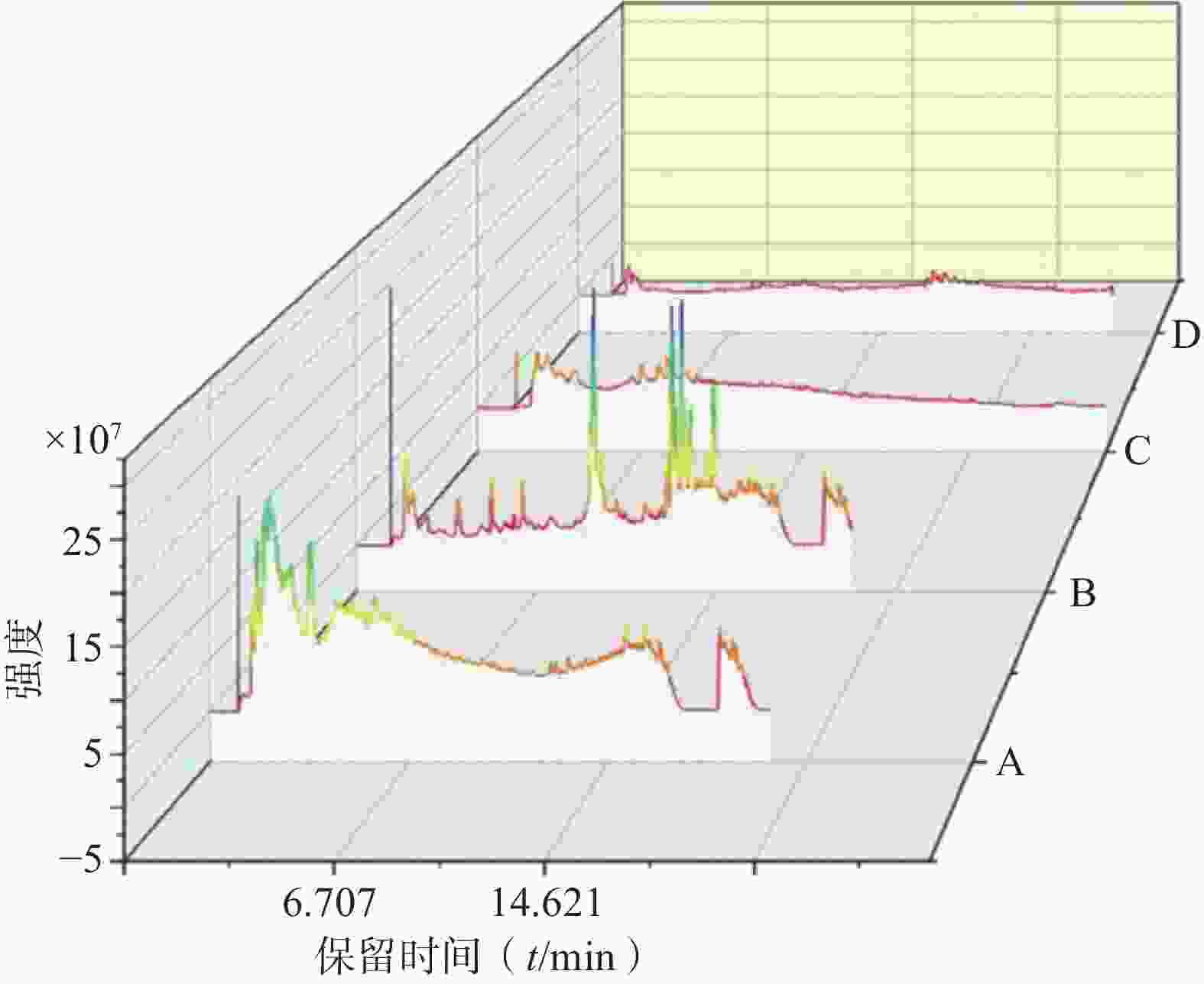
    • 运用质谱技术分别在正、负离子模式下获得茵陈蒿汤入血成分的总离子流图。采集与处理数据,根据课题组前期研究结论[4],整理得到茵陈蒿汤原形入血有效化合物成分,对比分析正负离子模式、保留时间对应入血成分、极性、水溶性及波峰等,定性分析入血化学成分。

    • 采用TCMSP 2.3、TCMID 2.0数据库[5-6]获取茵陈、栀子、大黄入血成分及蛋白靶标获取,然后利用UniProt数据库[7]中UniProt KB检索功能对蛋白靶标进行逐一检索,对蛋白靶标进行一一对应的基因名称转换,获取茵陈蒿汤入血成分的作用靶点并利用Cytoscape对成分-靶点进行绘图。

    • 利用数据库Gene Cards数据库(https://www.genecards.org/[8]以“Hepatocellular carcinoma”进行检索,获取肝癌作用靶点。利用 Venny2.1.0在线工具,获得茵陈蒿汤和肝癌共同作用靶点,即是茵陈蒿汤治疗肝癌的作用靶点。

    • 靶点蛋白关系网络构建将共同作用靶点输入到 String 数据库(https://cn.string-db.org[9]“Multipleproteins”检索框中,蛋白种类设置为“homosapiens”,获取蛋白质相互作用关系,并通过Cytoscape 3.7.2软件绘制蛋白互作PPI网络图。

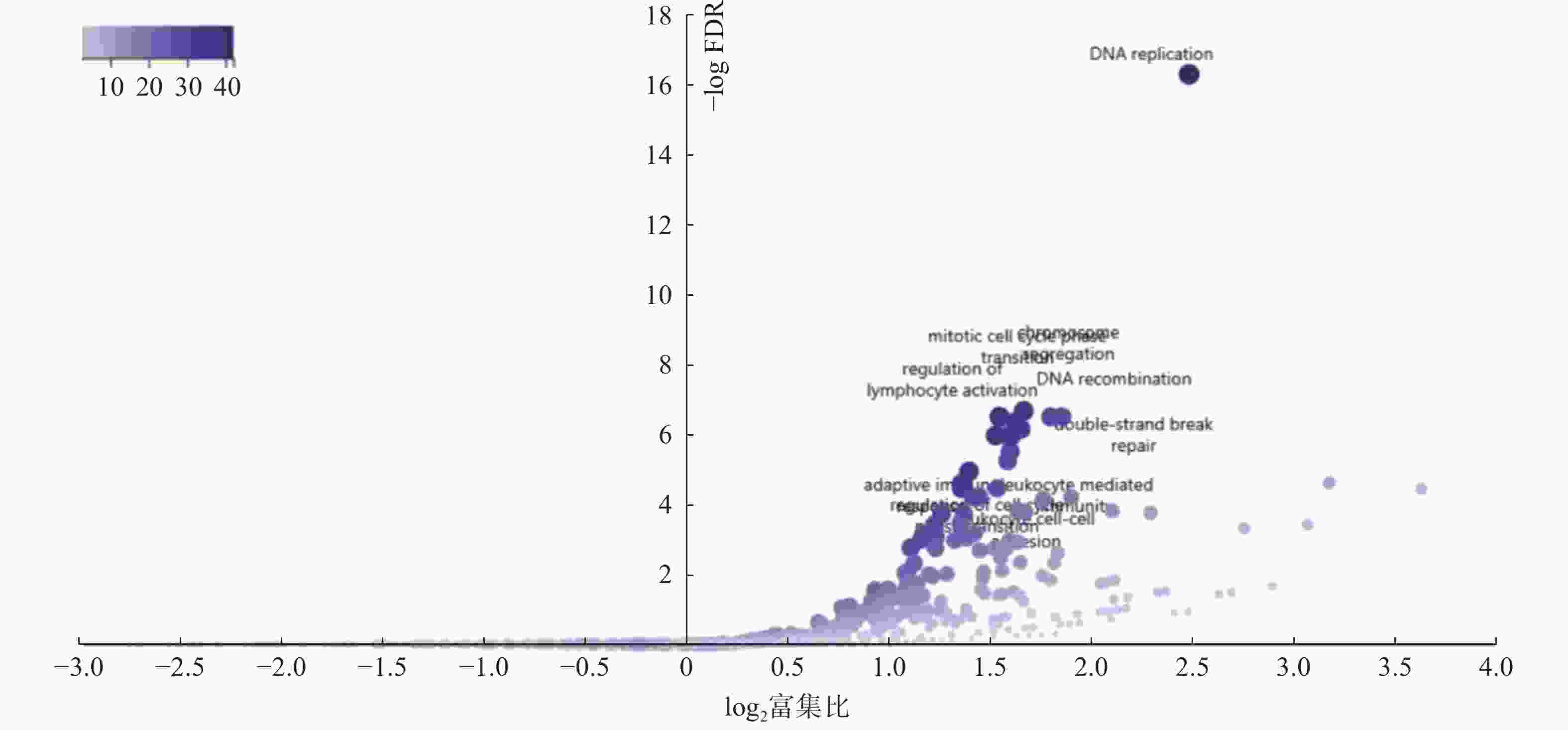
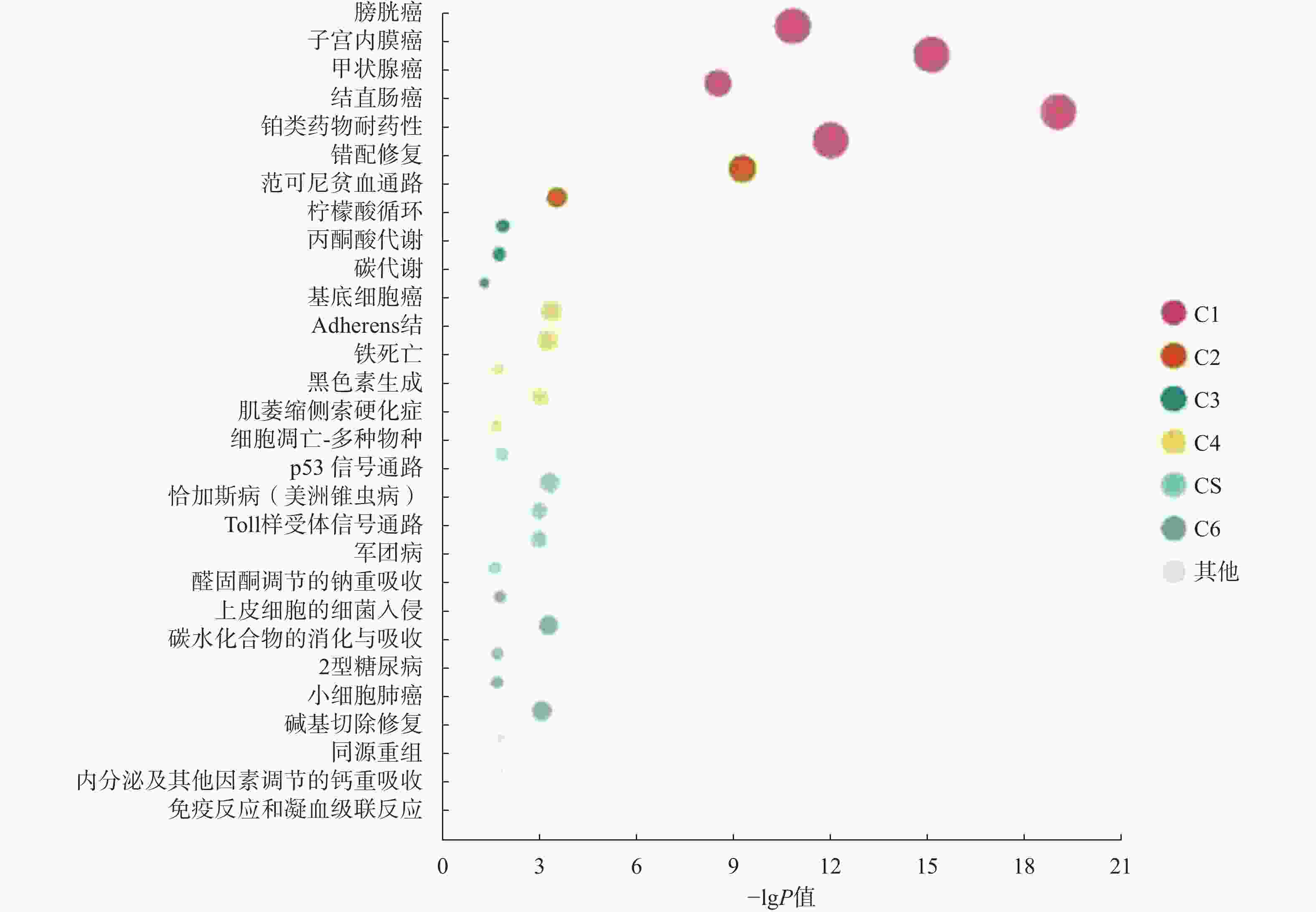
    • 利用Metascape(https://metascape.org/gp/index.html[10]以及WebGestalt 2024(https://www.webgestalt.org/[11]对17个共同作用靶点进行生物过程、细胞组分和分子功能的GO分析和KEGG富集分析。

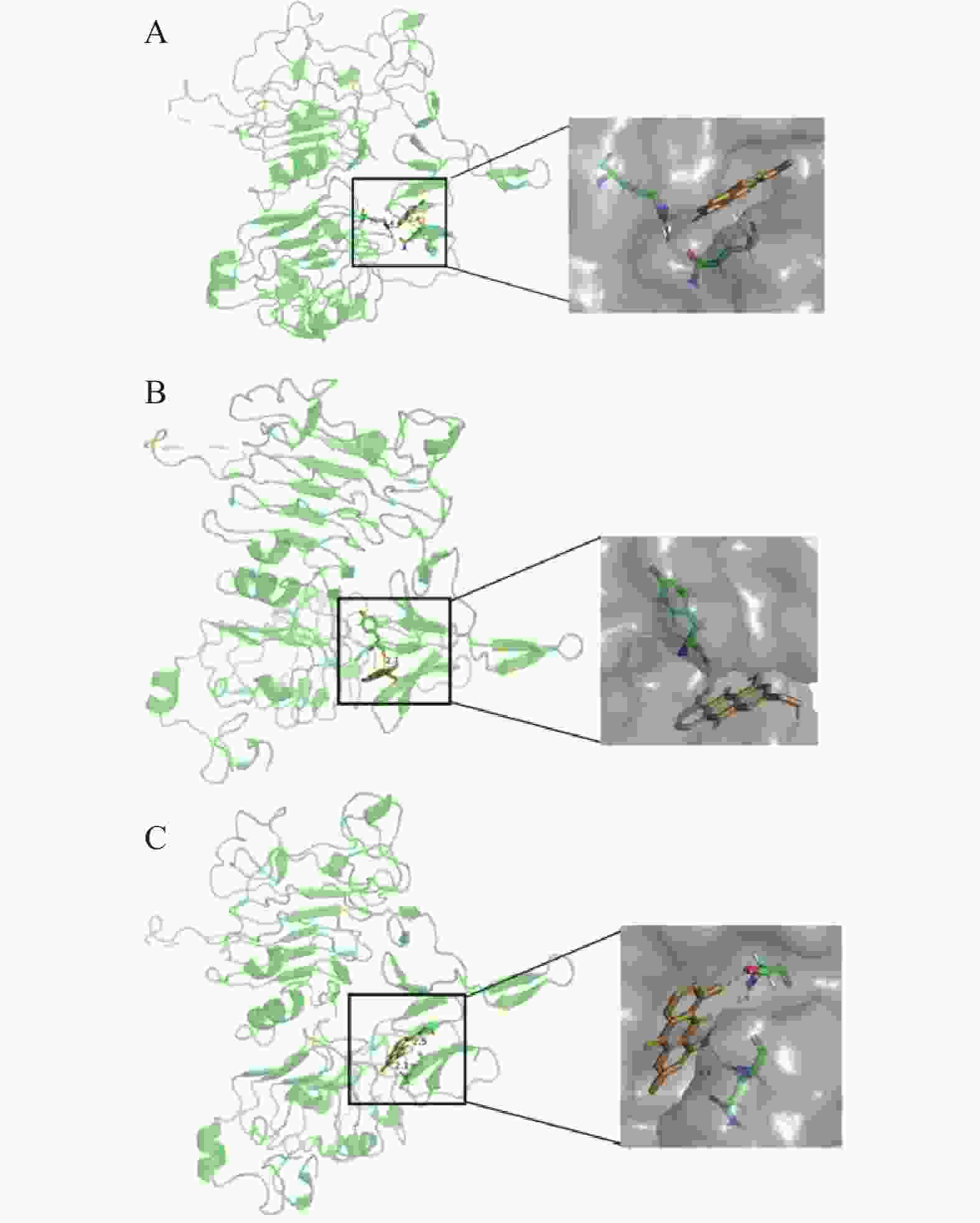
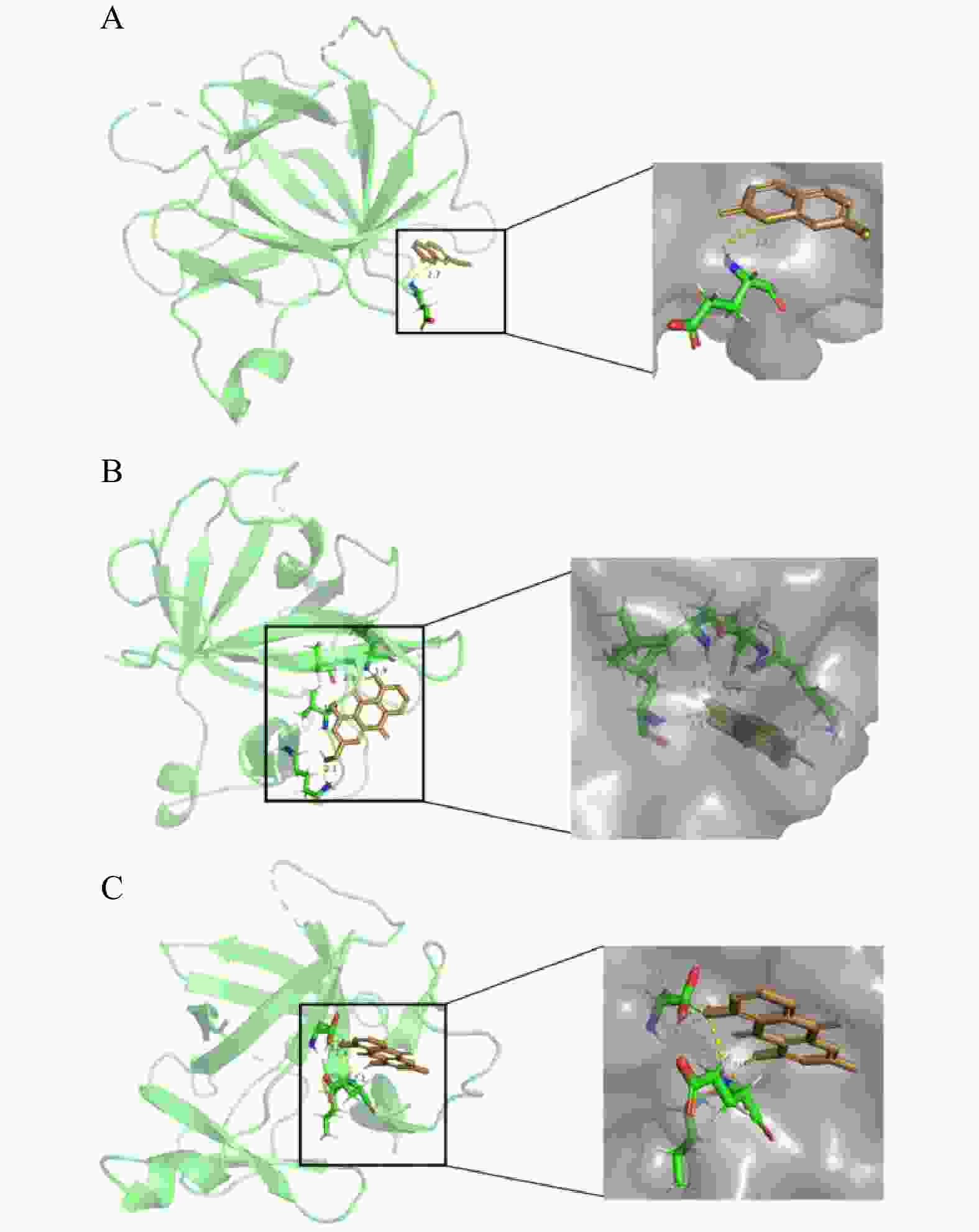
    • 选择PPI网络中Dgree值最高的5个靶点,认为这5个靶点是茵陈蒿汤治疗肝癌的核心靶点。使用AutoDock Tools v4.2.6和PYMOL 3.1.1等软件对将筛选得到的3个活性成分与交集靶点进行分子对接验证,分析其结合能和相互作用模式。

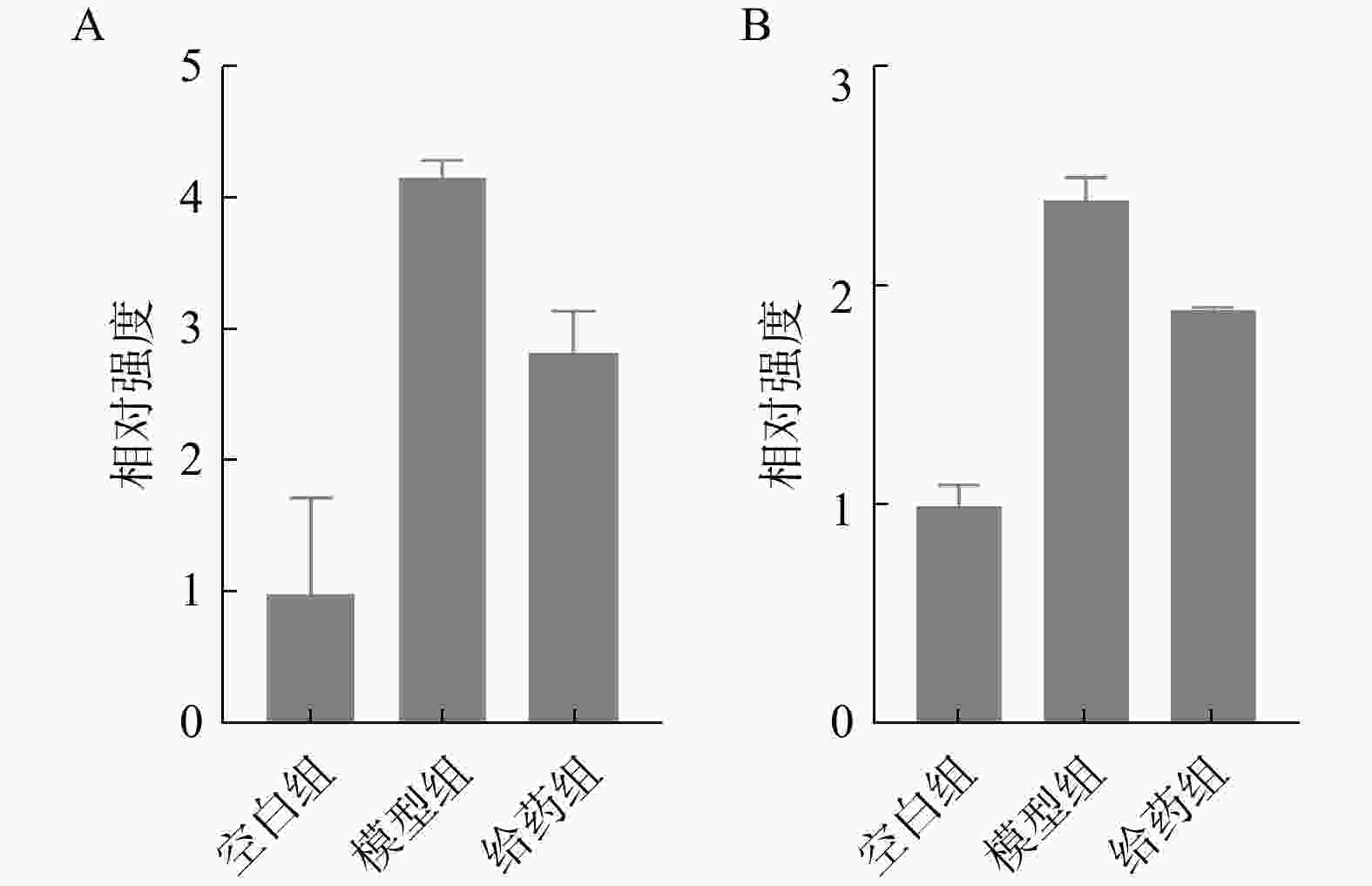
    • 将18只小鼠随机分为3组,给药组、模型组与空白组,每组3只。给药组按照体重灌胃给药茵陈蒿汤水煎液(30 ml/kg),连续14 d;模型组与空白组相同剂量灌胃无菌生理盐水。末次灌胃后,模型组与给药组按照小鼠体重15 mg/kg的剂量给予尾静脉注射con-A构建急性肝损伤模型[12];空白组小鼠给予等量的无菌生理盐水;给药组剂量30 ml/kg[13-15]

    • 3组小鼠分别于造模后8 h处死,收集肝组织。取肝组织约100 mg,加入 Trizol 试剂匀浆,12 000×g离心10 min,收集上清液,通过紫外分光光度计检测RNA浓度,取250 ng总RNA,使用反转录试剂盒合成cDNA,反应条件:25 ℃ 10 min,37 ℃ 120 min,85 ℃ 5 min。

    • 反应体系(20μl):cDNA模板2μl,2×SYBR Green Master Mix 10μl,正/反向引物(10μmol/L)各 0.5μl,无菌水 7μl;反应条件:95 ℃预变性10 min;40个循环(95 ℃ 15 s,60 ℃ 1 min);使用2–∆∆Ct计算并比较AKT1和TP53基因的相对表达量。

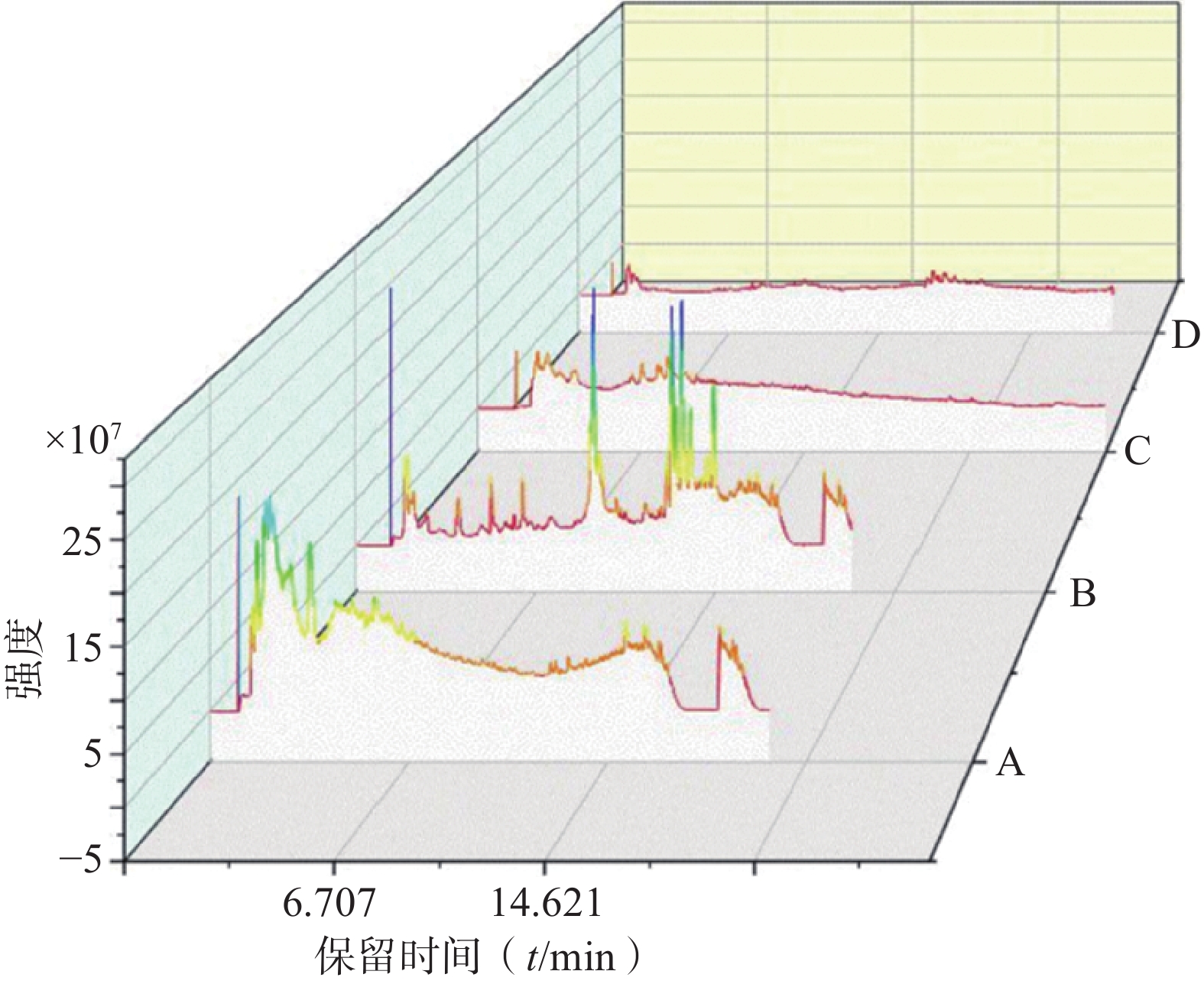
    • 整理得到茵陈蒿汤原形入血有效化合物成分库,对比分析正负离子模式、保留时间对应量化入血成分、极性、水溶性及波峰(图1)。采集与处理数据,整理得到茵陈蒿汤原型入血成分共4个(表1),分别是大黄酚(chrysophanol)、7-甲氧基香豆素(herniarin)、芦荟大黄素(aloe-emodin)和水晶兰苷(monotropein)。
      序号 化学式 加合物 保留时间(t/min) 质荷比 得分 误差率 名称
      1 C15H10O4 [M+H]+ 8.261 254.056 9 92.6 −5.15 大黄酚
      2 C10H8O3 [M+H]+ 5.388 177.055 1 85.46 −2.95 7-甲氧基香豆素
      3 C15H10O5 [M+H]+ 9.858 270.052 3 98.51 −1.86 芦荟大黄素
      4 C16H22O11 [M-H] 4.382 390.116 5 74.5 −3.04 水晶兰苷
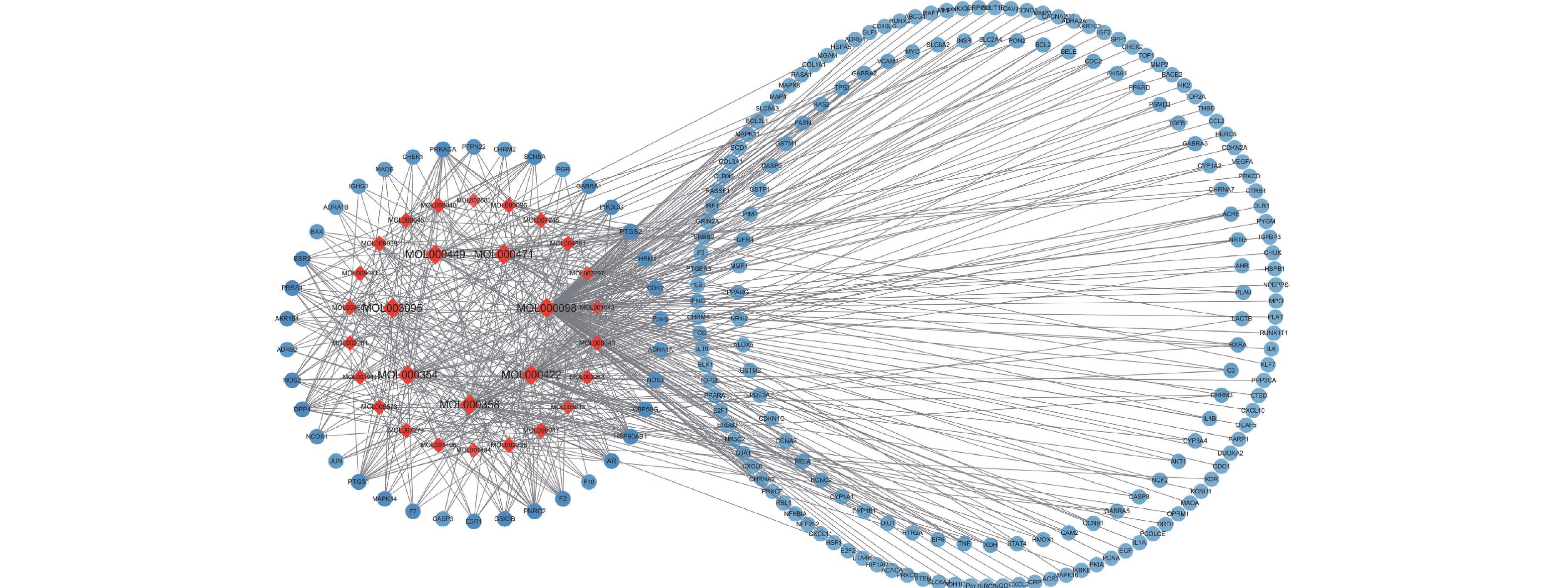
    • 通过TCMSP数据库对茵陈蒿汤入血成分的靶点进行预测。将入血成分和靶点输入Cytoscape软件形成网络图(图2)。
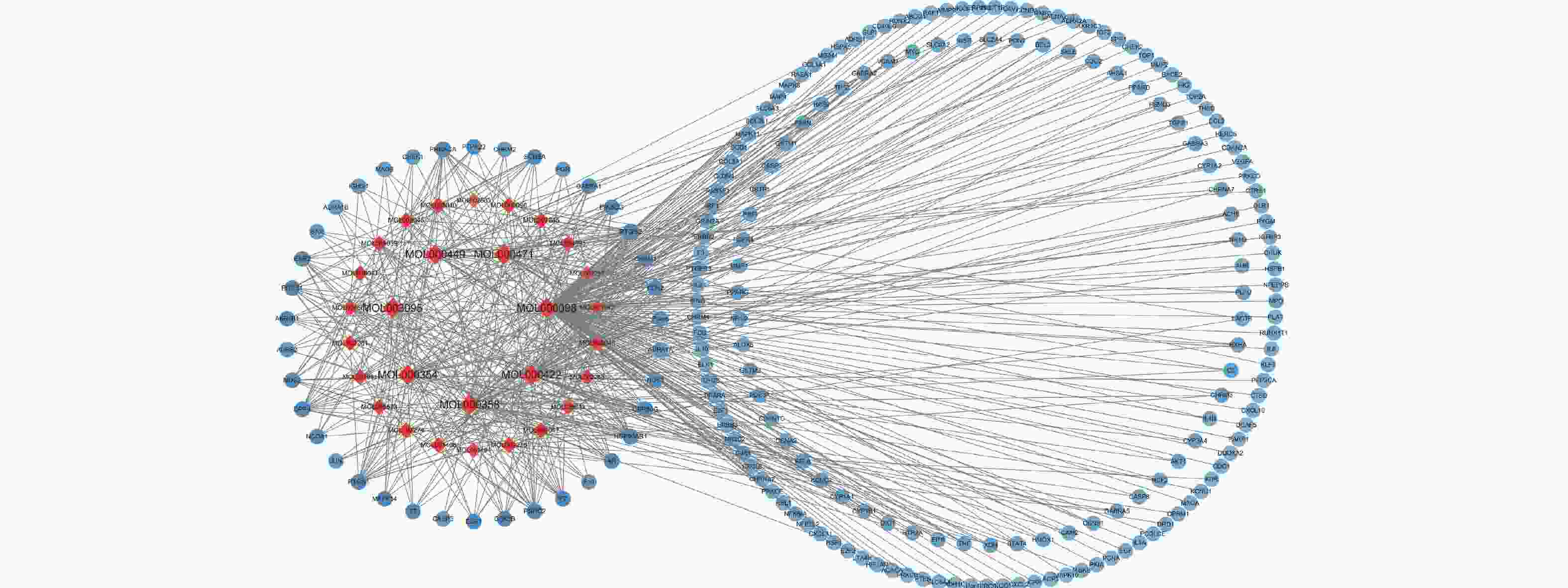
      根据高通量对接得到的茵陈蒿汤活性化合物靶标信息,构建“成分-靶标”网络,直观地表现中药复方“多成分-多靶标”的作用特点,揭示复方配伍起效的机制。构建的网络图如图4所示,该图包含244个节点:红色代表茵陈蒿汤关键成分,蓝色代表茵陈蒿汤主要作用靶点。

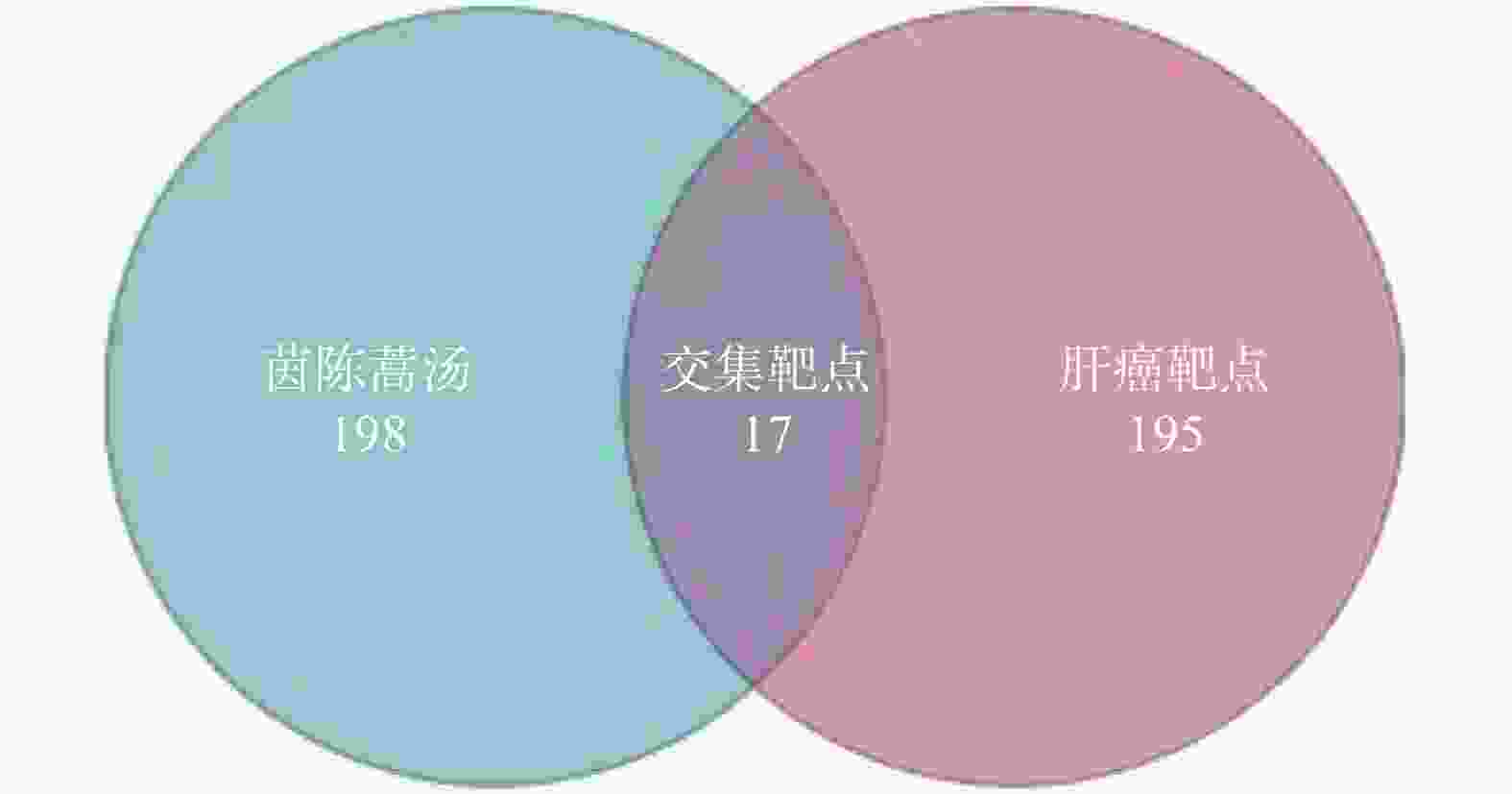
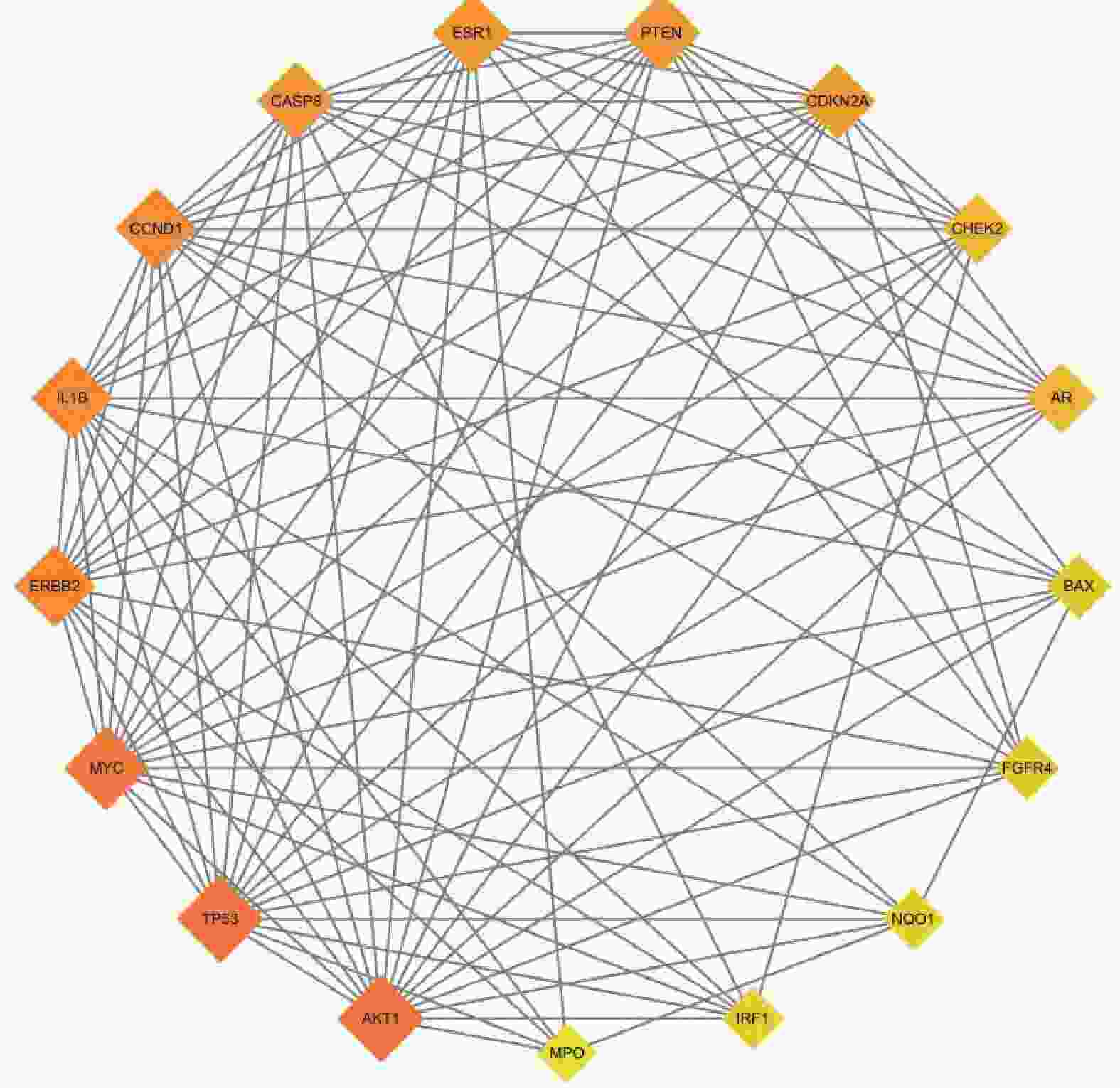
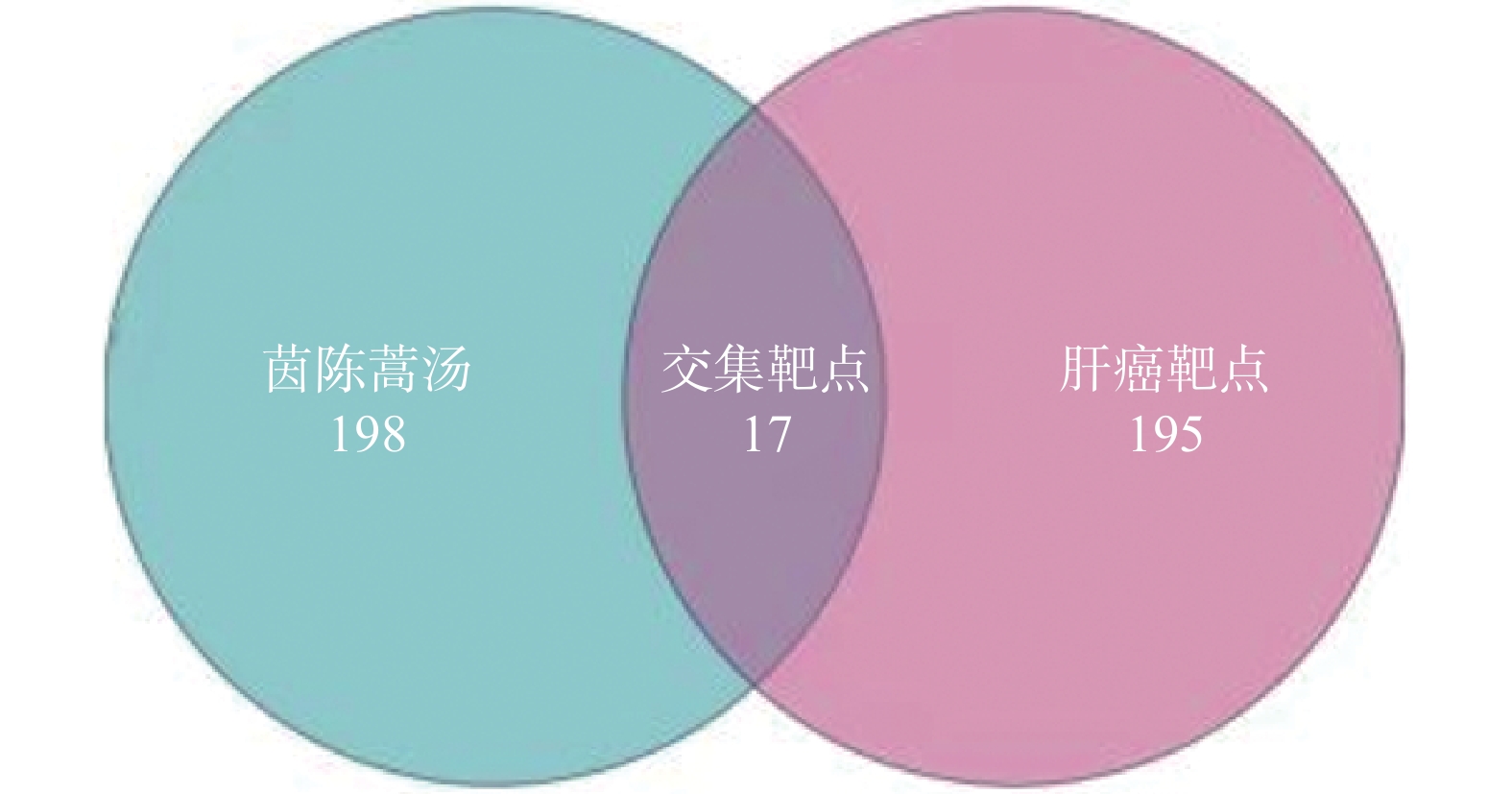
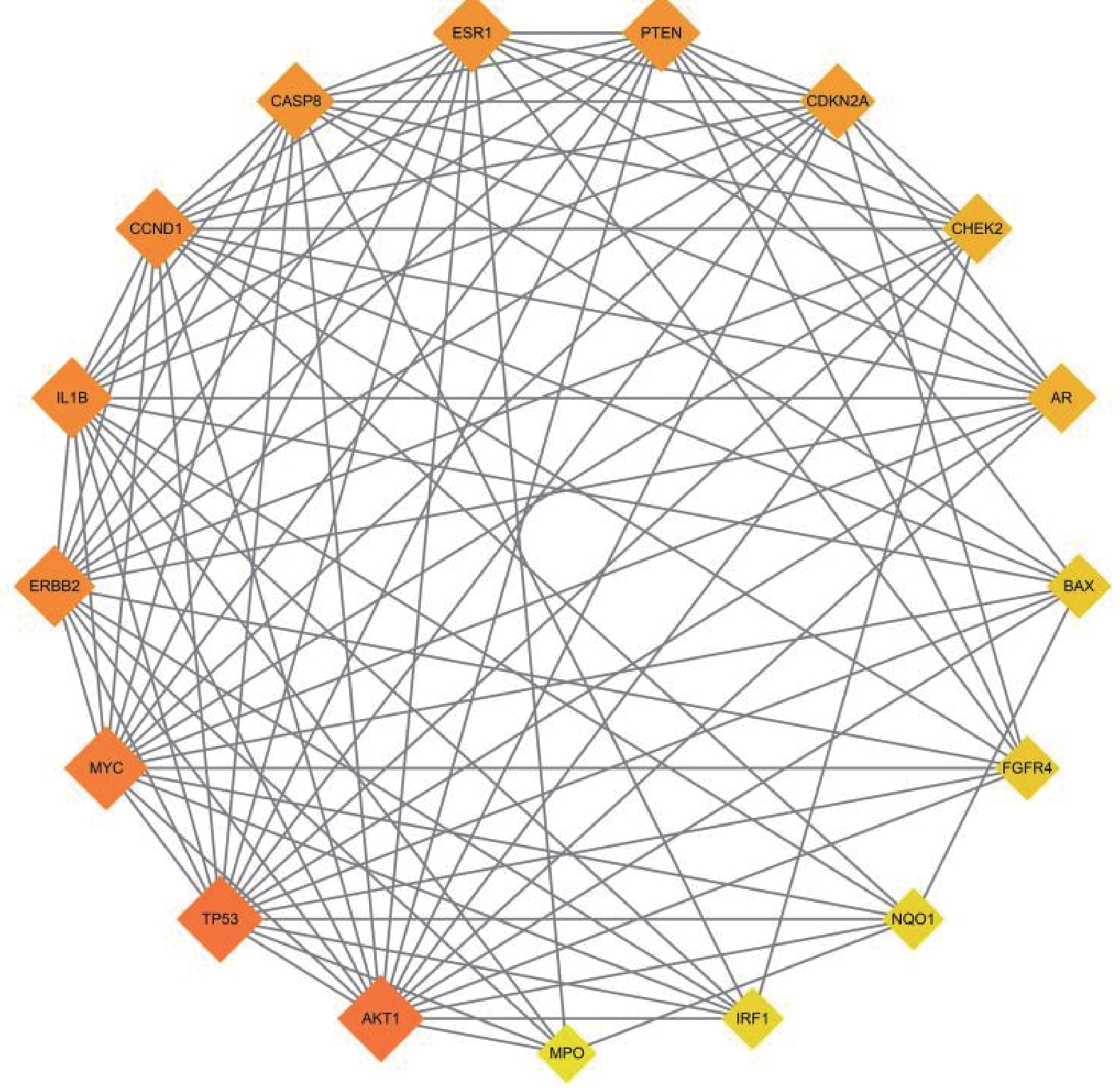
    • 利用在线Venn2.1 分析工具获得茵陈蒿汤成分的靶点和肝癌靶点的交集,并绘制Venn图(图3)。交集靶点信息具体见表2。将交集靶点输入 String网站,将其数据文件导入Cytoscape软件,最终得到其PPI网络图(图4),Degree值越大节点越大。筛选出Degree值排前五位的靶点,分别为AKT1、TP53、ERBB2、MYC和IL-1β,并认为这是茵陈蒿汤作用的关键靶点。

      中文名称英文名称简称
      雌激素受体1estrogen receptor 1ESR1
      雄激素受体androgen receptorAR
      细胞色素P450-CAMcytochrome p450-camFGFR4
      凋亡调控蛋白BAXapoptosis regulator baxBAX
      半胱氨酸蛋白酶-8caspase-8CASP8
      RAC-α 丝氨酸/苏氨酸蛋白激酶rac-alpha serine/threonine-protein kinaseAKT1
      G1/S特异性周期蛋白D1g1/s-specific cyclin-d1CCND1
      周期蛋白依赖性激酶抑制剂2Acyclin-dependent kinase inhibitor 2aCDKN2A
      细胞肿瘤抗原p53(p53蛋白)cellular tumor antigen p53TP53
      表皮生长因子受体2receptor tyrosine-protein kinase erbb-2ERBB2
      原癌基因MYC蛋白myc proto-oncogene proteinMYC
      白介素-1βinterleukin-1βIL-1β
      磷脂酰肌醇-3,4,5-三磷酸 3-磷酸酶和
      双特异性蛋白磷酸酶
      phosphatidylinositol-3,4,5-trisphosphate 3-phosphatase and
      dual-specificity protein phosphatase
      PTEN
      髓过氧化物酶myeloperoxidaseMPO
      NAD(P)H脱氢酶(醌)1nad(p)h dehydrogenase [quinone] 1NQO1
      检查点激酶2serine/threonine-protein kinase chk2CHEK2
      干扰素调节因子1interferon regulatory factor 1IRF1
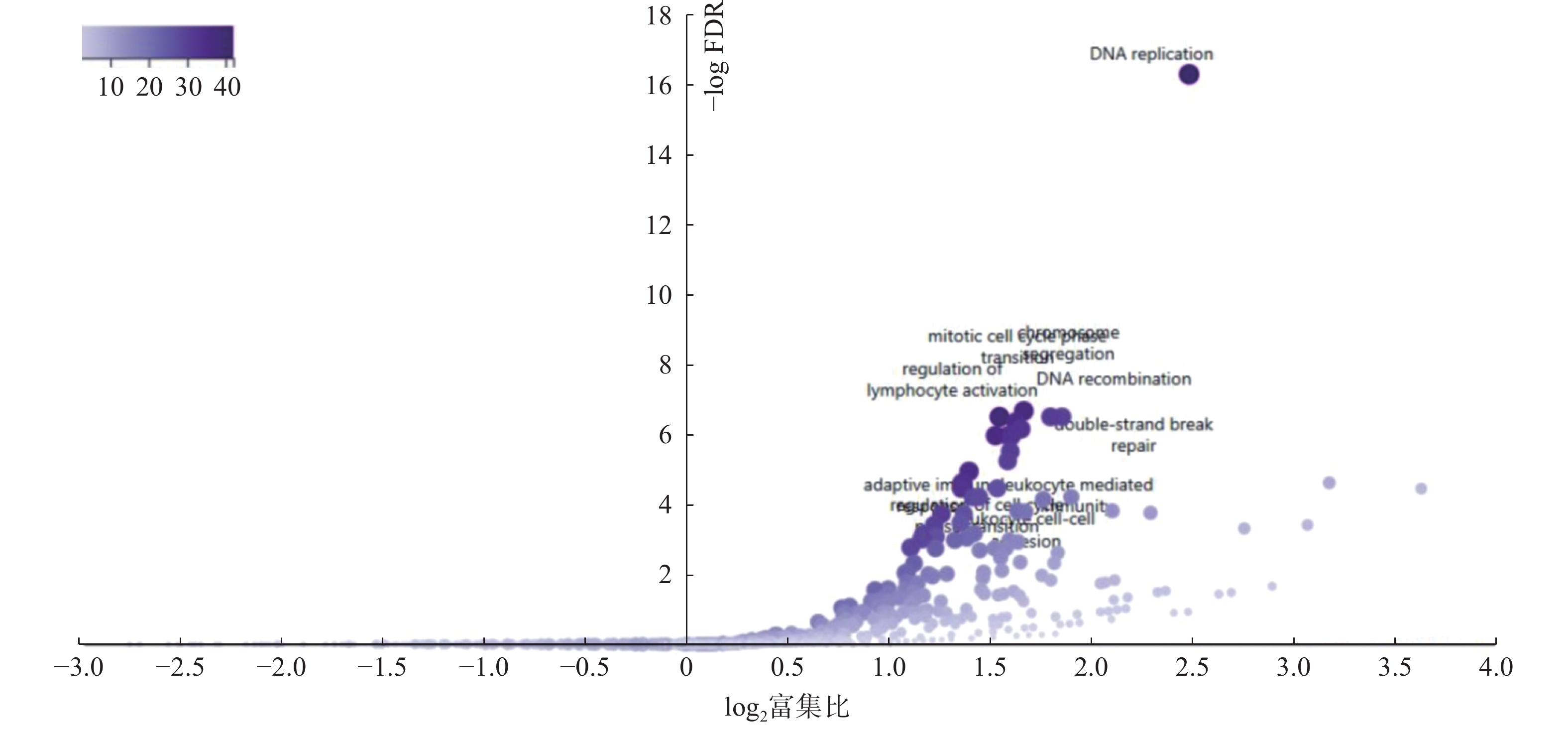
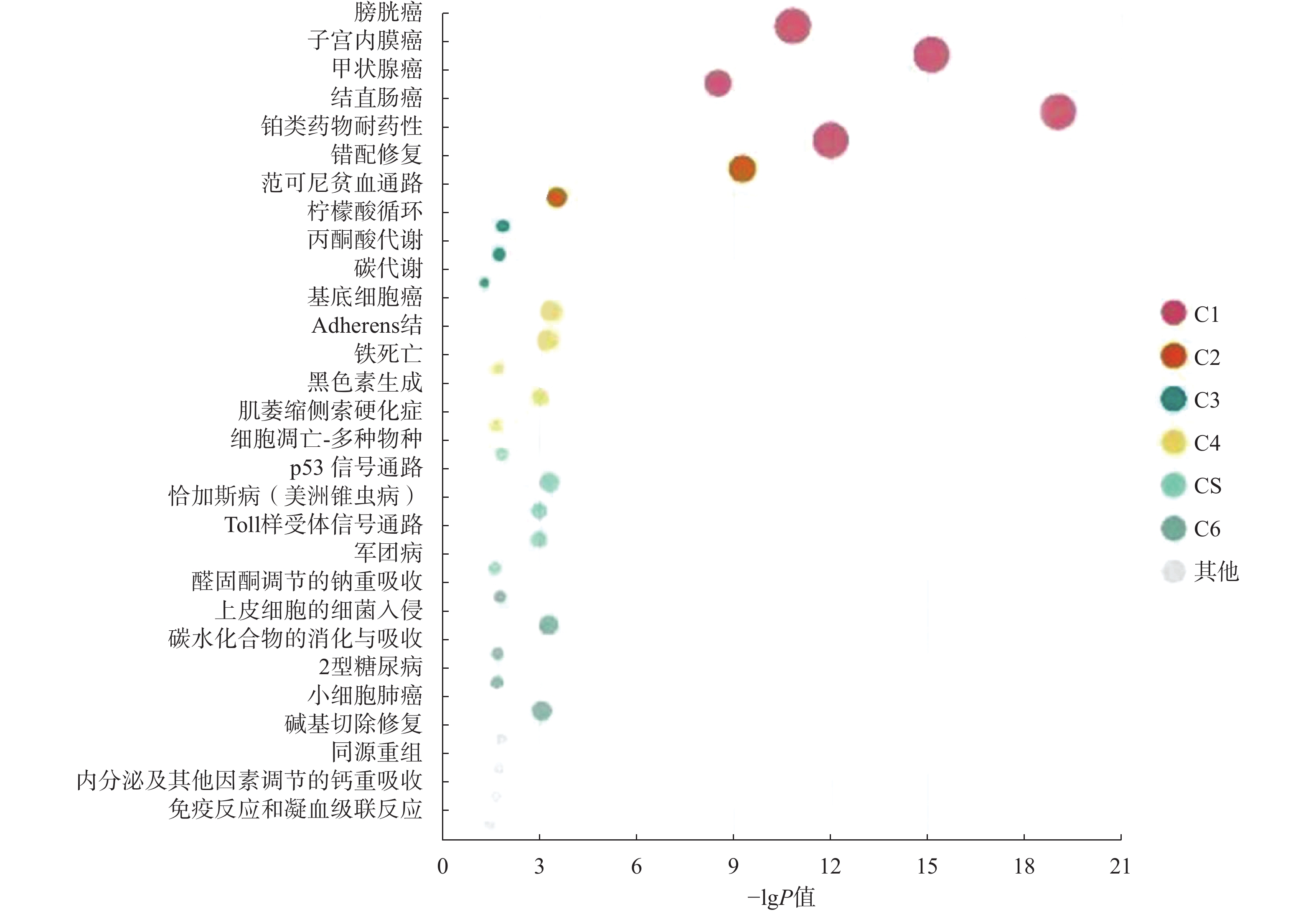
    • 利用Metascape对共同作用靶点进行GO富集(图5),主要涉及DNA复制、染色体分离、白细胞介导的免疫和白细胞细胞间黏附等;KEEG富集结果(图6)主要涉及多种癌症通路、柠檬酸循环(TCA循环)、丙酮酸代谢、碳代谢铁突变、黑色素生成、肌萎缩性脊髓侧索硬化症(ALS)、P53信号通路、Toll 样受体信号通路、军团菌病、醛固酮调节的钠重吸收途径、细菌入侵上皮细胞、碳水化合物的消化和吸收、Ⅱ型糖尿病、小细胞肺癌、南美锥虫病、碱基切除修复、同源重组、内分泌和其他因子调节的钙重吸收以及补体和凝血级联等多条通路。
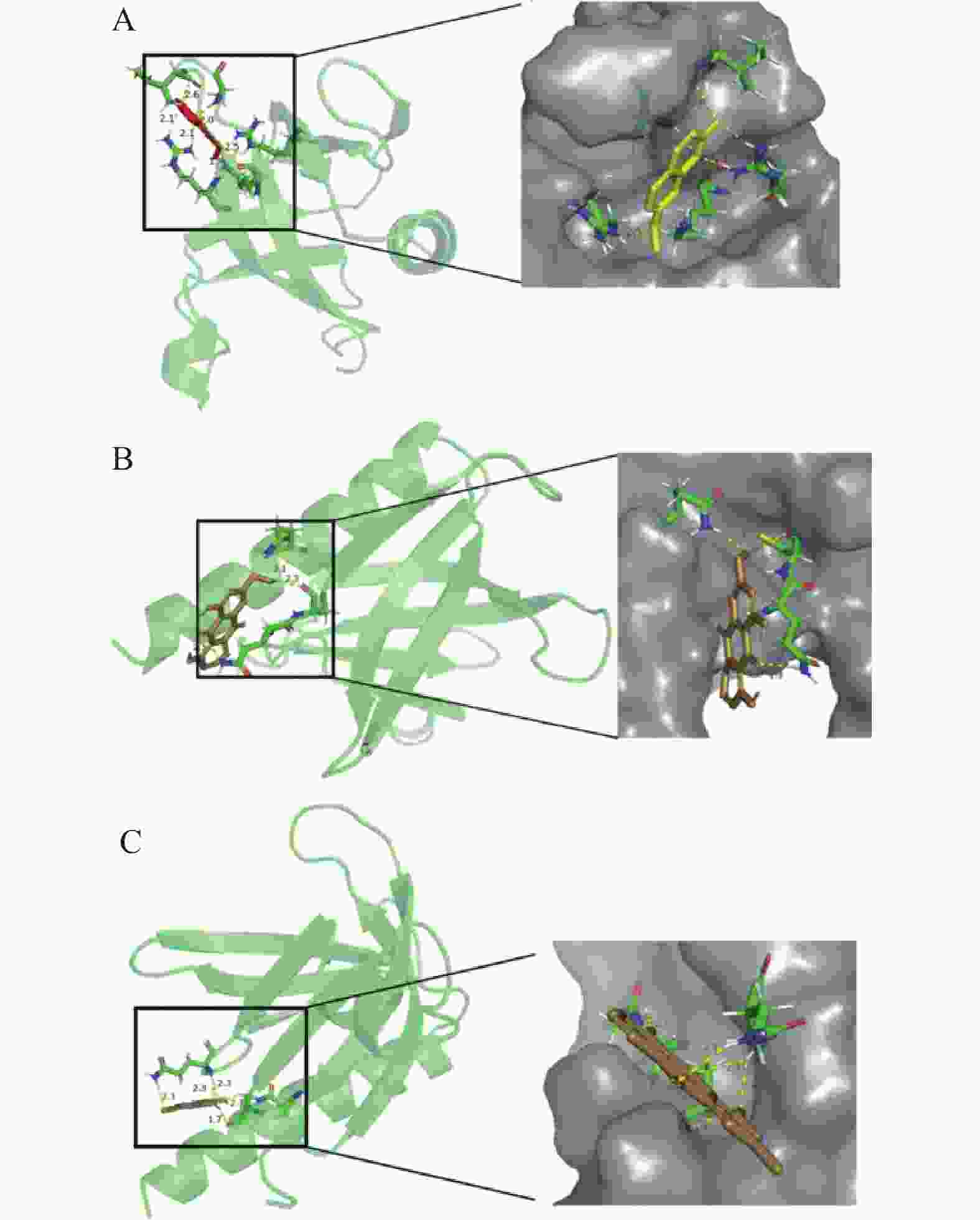
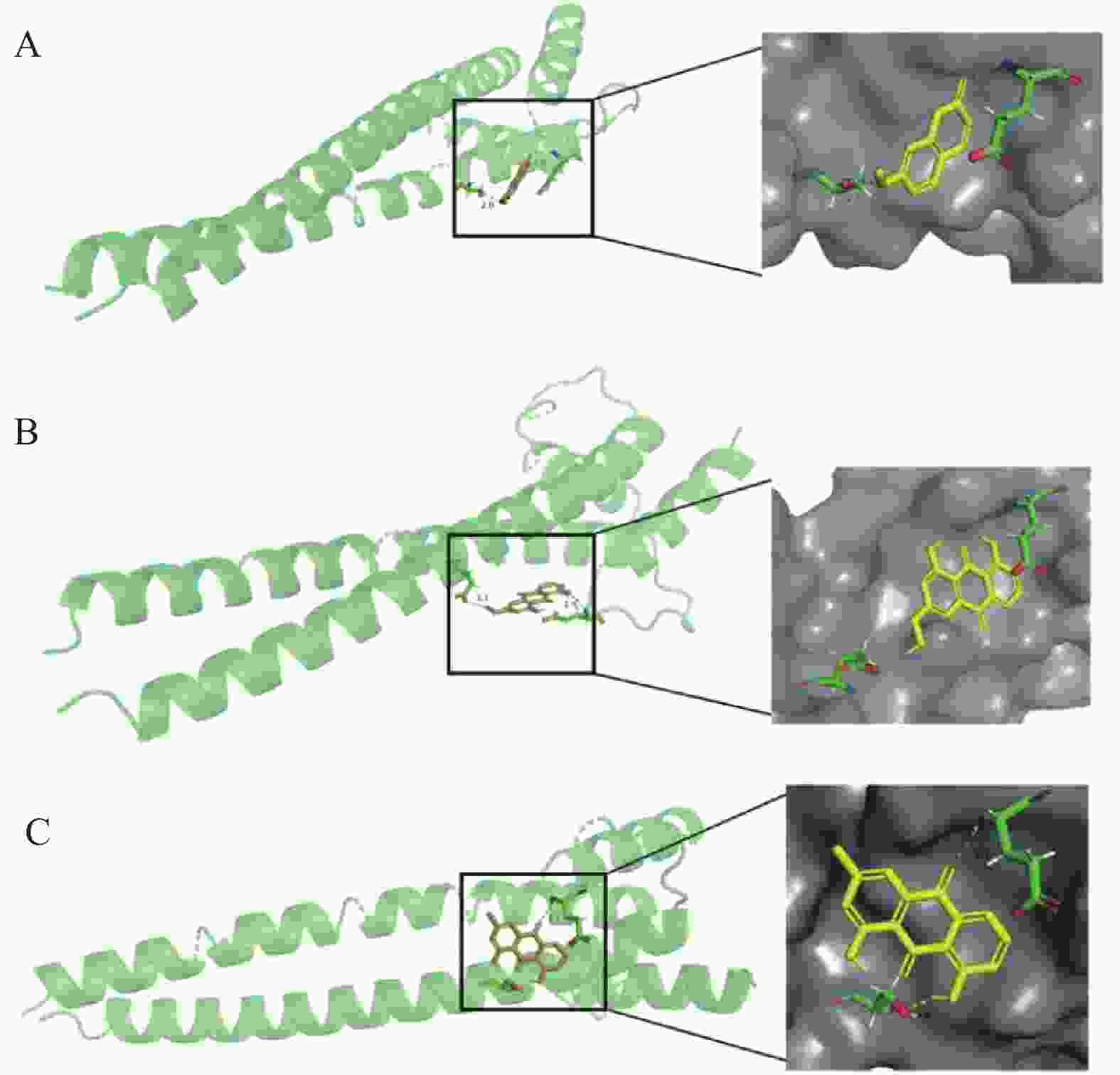
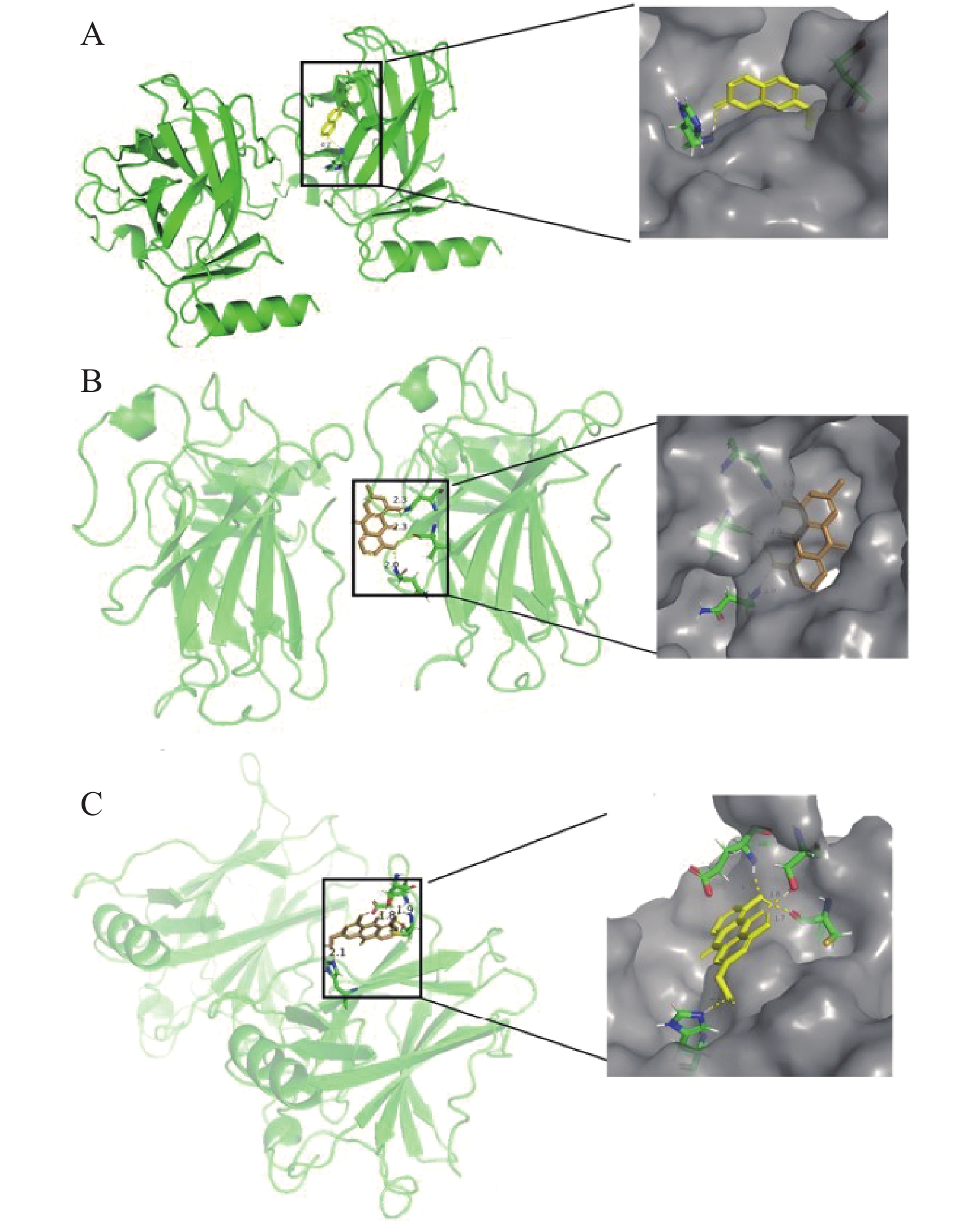
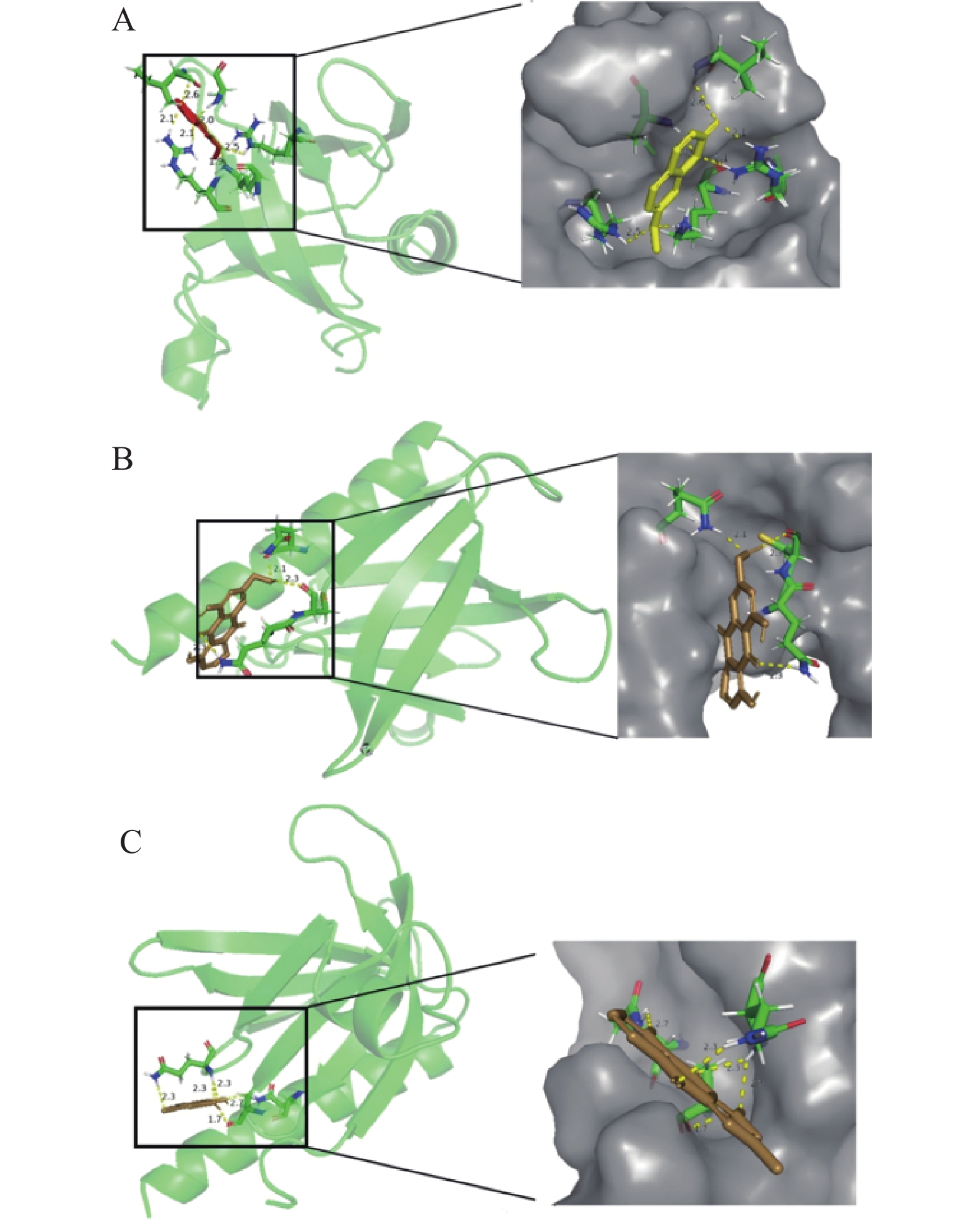
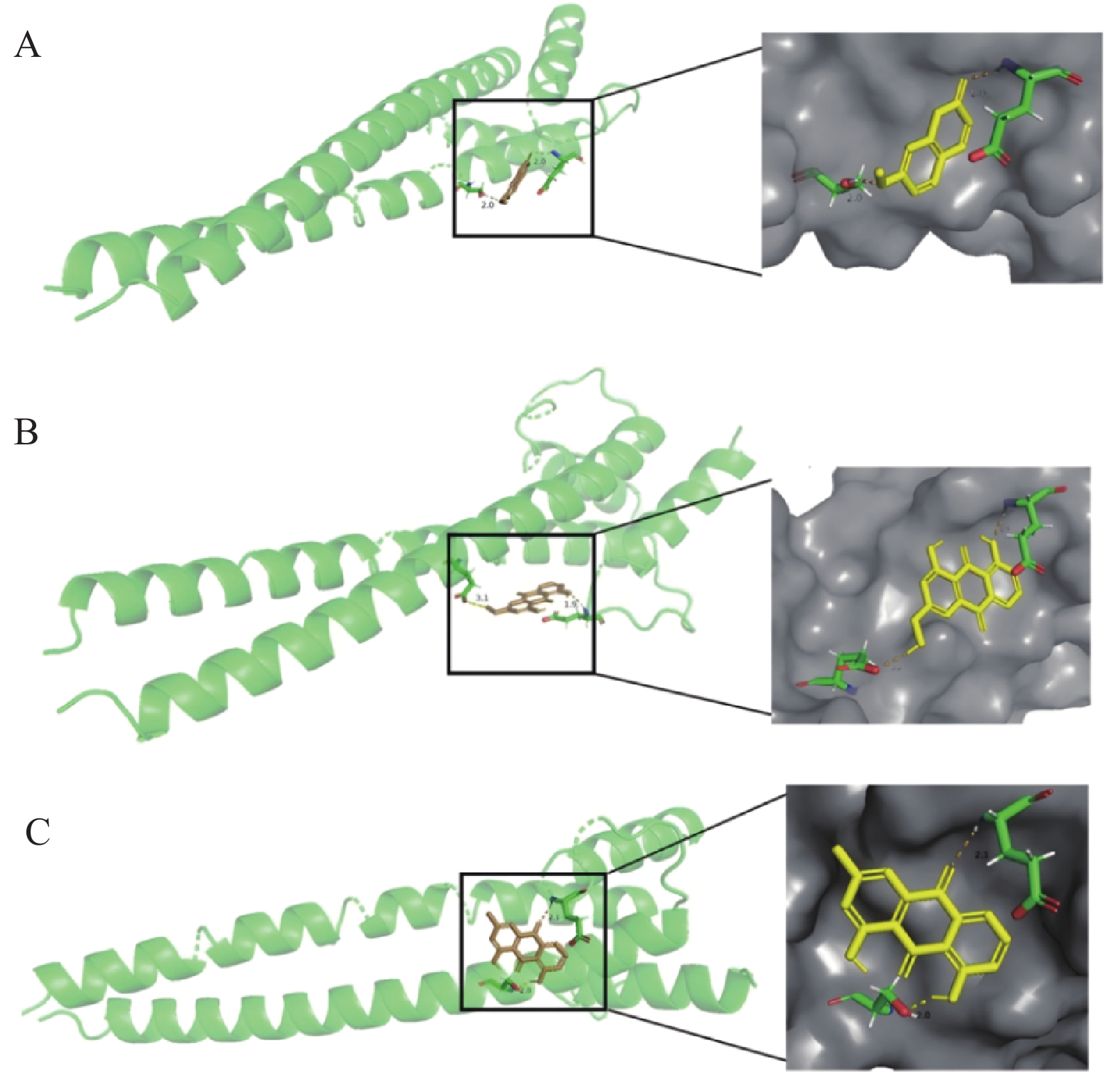
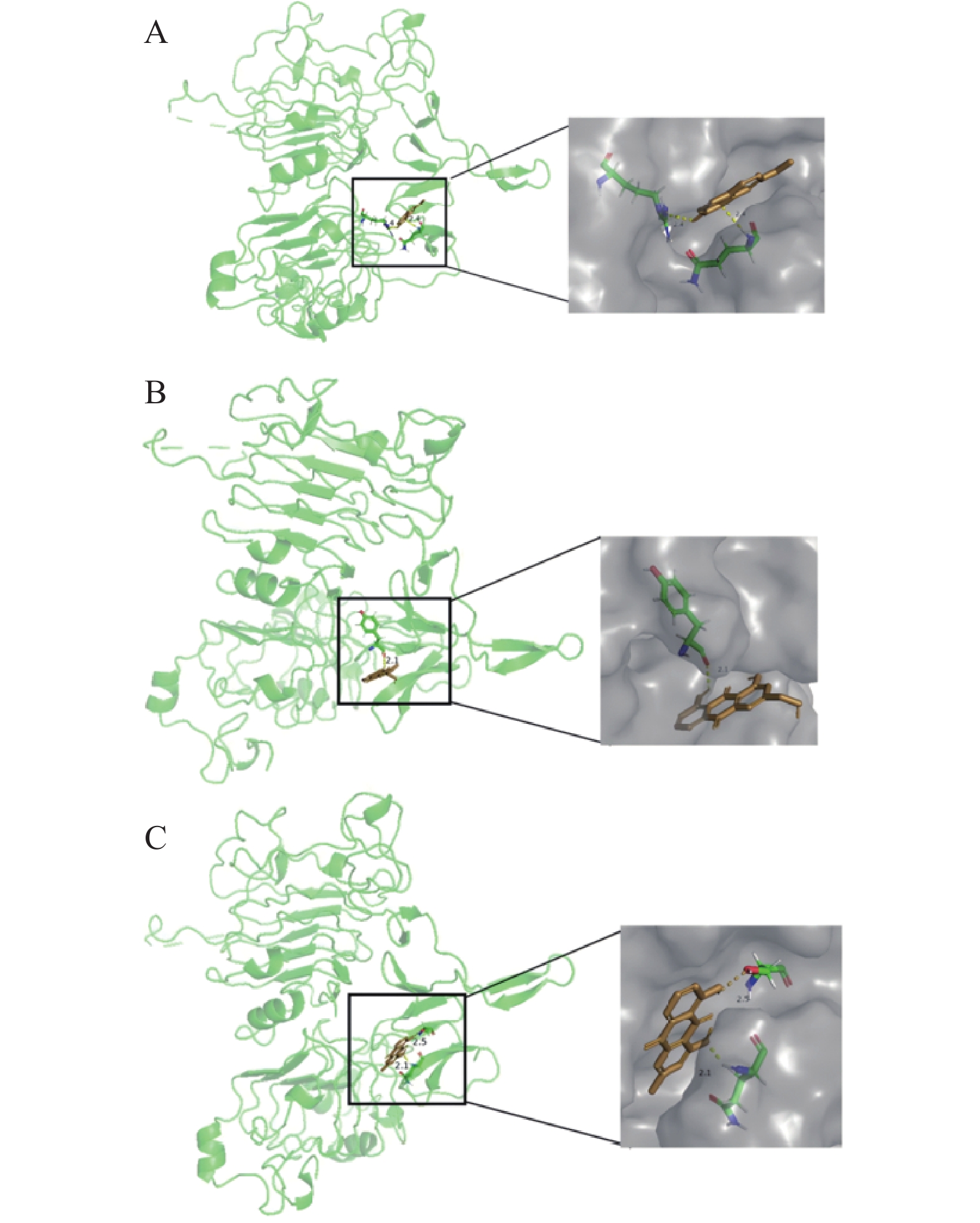
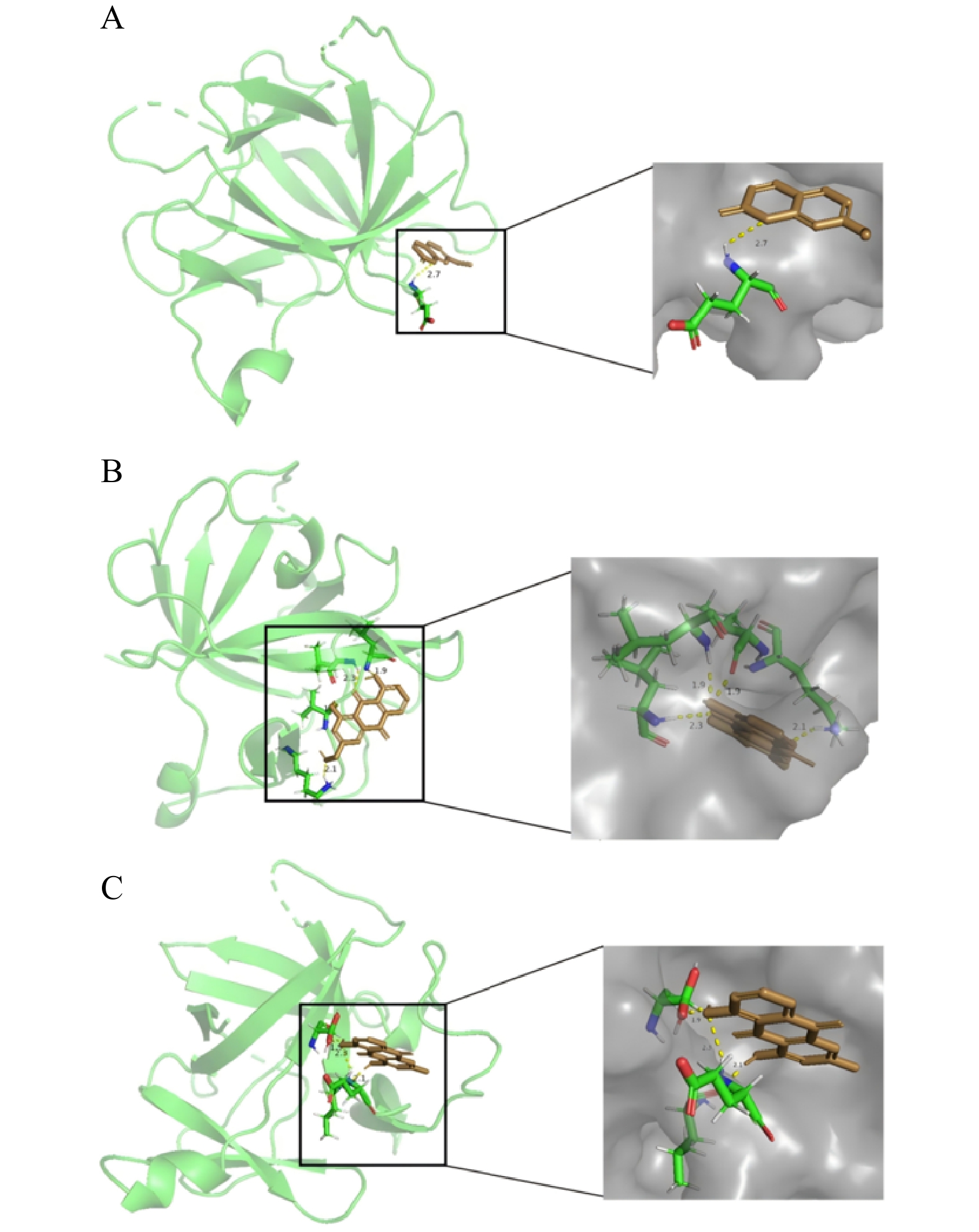
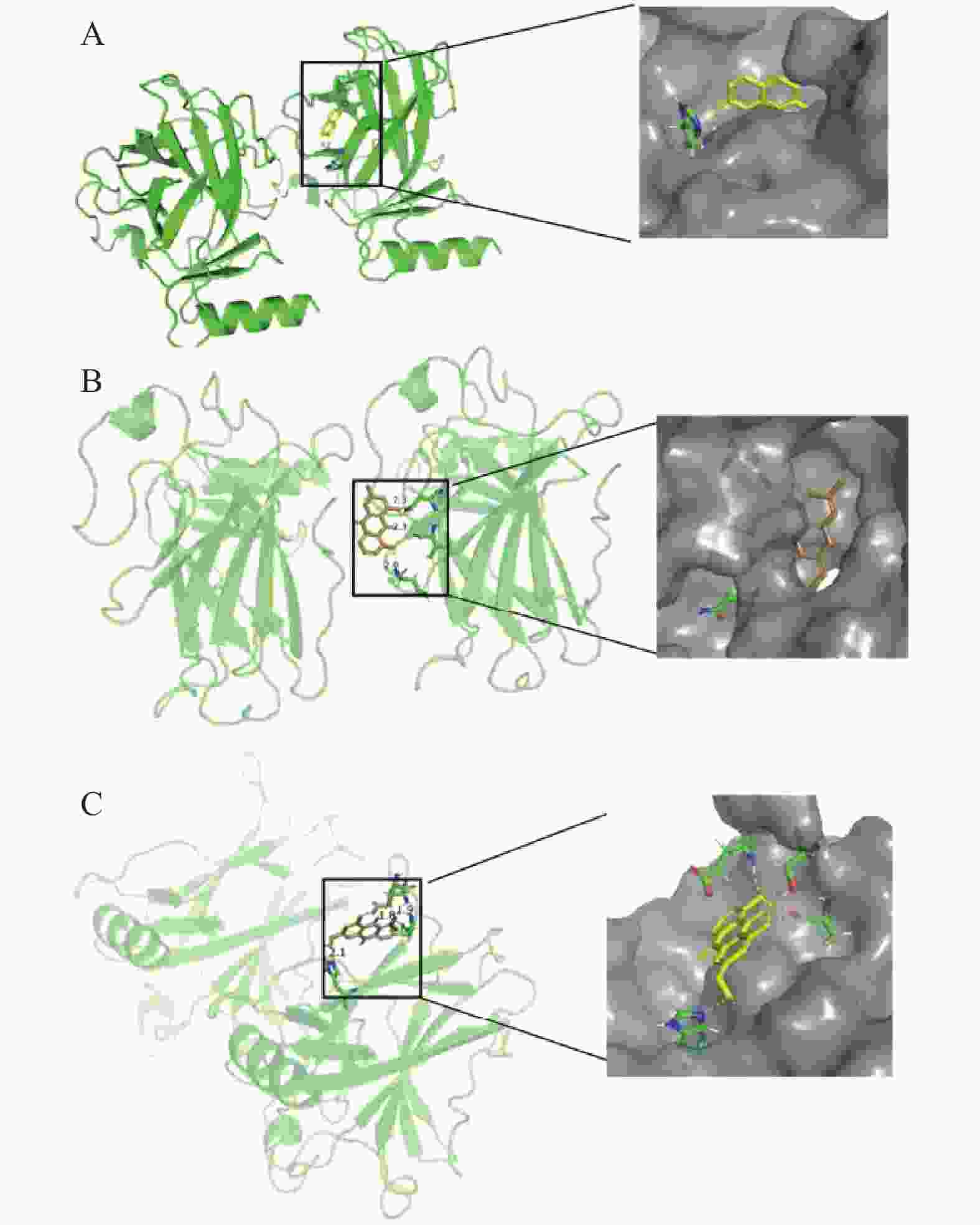
    • 采用AutoDock软件对“成分-靶点”中相关度较高并在入血成分中检测的主要成分与PPI网络中自由度较高的前5个重要靶点进行分子对接显示,大黄酚、7-甲氧基香豆素和芦荟大黄素与5个靶点的结合自由能均小于−18 kJ/mol(表3)。分子对接可视化模型见图711

      活性成分 结合自由能(kJ/mol)
      AKT1 TP53 ERBB2 MYC IL-1β
      大黄酚 −22.175 2 −23.221 2 −22.509 92 −21.003 68 −27.028 64
      7-甲氧基香豆素 −22.258 88 −20.961 84 −21.673 12 −18.702 48 −20.292 4
      芦荟大黄素 −23.597 76 −22.886 48 −22.091 52 −19.957 68 −24.894 8
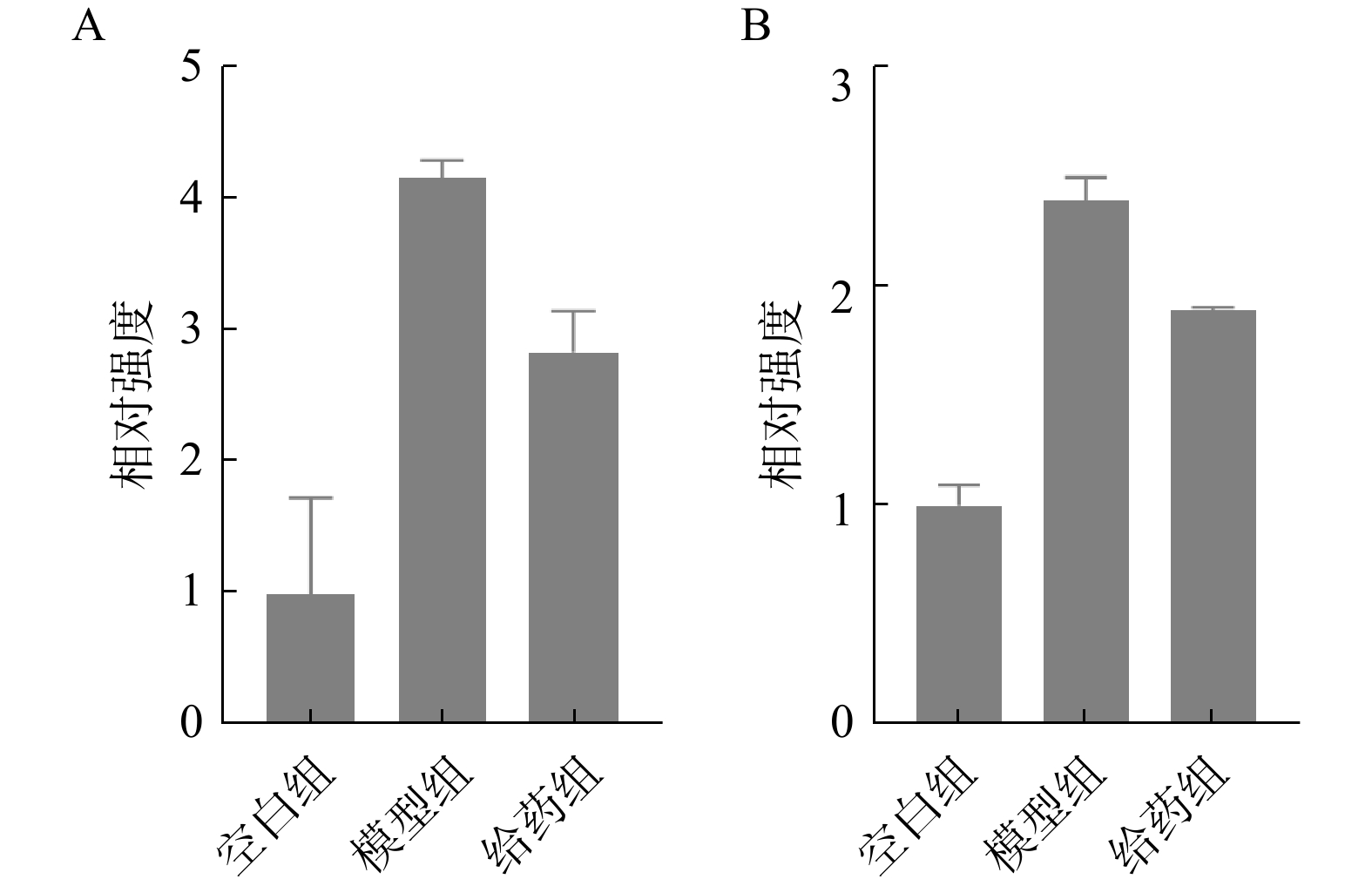
    • 与对照组相比,模型组的AKT1和TP53的mRNA相对表达量显著升高(P<0.05);给药茵陈蒿汤后,AKT1和TP53的表达量显著降低(P<0.05),说明Con-A所造成的急性肝损伤可以被茵陈蒿汤明显改善,如图12

    • 本研究采UPLC-Q-TOF/MS方法,对茵陈蒿汤进行体内成分鉴别,共鉴别出茵陈蒿汤4种原型入血成分,分别是大黄酚、7-甲氧基香豆素、芦荟大黄素和水晶兰苷。结合网络药理学和分子对接探究大黄酚、7-甲氧基香豆素、芦荟大黄素抗肝癌的主要机制发现,它们可能通过AKT1、TP53、ERBB2、MYC和IL-1β作用于多种通路发挥作用。

      TP53是抑癌基因,能诱导细胞周期阻滞、凋亡、衰老和DNA修复,其突变与多种人类癌症发病机理密切相关[16]。AKT1能通过调节肝糖原的储存进而影响与凋亡信号有关激酶的活性,从而诱导炎症相关基因的表达,诱导细胞调亡和坏死,对肝癌起抑制作用[17]。IL-1β已被证实有刺激肿瘤微环境以促进细胞增殖和组织血管生成的特性[18],为肿瘤的生长提供有利条件。MYC是与细胞增殖密切相关的基因,可影响细胞生长和增殖功能的复制、转录和翻译,以及细胞代谢和凋亡[19],在肝癌中,MYC的过度表达可能促进肿瘤细胞的增殖和存活,从而加速癌症的发展。ERBB2可以调节细胞生长、增殖、分化和凋亡[20],可能发挥抑制肝癌细胞的生长的作用。

      本研究结合UPLC-Q-TOF/MS、网络药理学、分子对接和qPCR等方法,找到茵陈蒿汤的体内入血成分、可能的靶点及作用通路并通过qPCR加以验证。研究结果不仅为茵陈蒿汤的药效物质基础提供了的数据支持,也为深入理解其多成分、多靶点协同作用机制提供了新的视角,有望为中药现代化研究提供了可借鉴的思路与方法。然而,本研究尚存在一定的局限性,体内入血成分的功能验证仅停留在虚拟预测阶段,缺乏细胞和动物水平的实验验证;茵陈蒿汤的药代动力学过程及成分间的相互作用机制尚需进一步研究。未来可结合体内外实验,对预测的靶点和通路进行验证,为茵陈蒿汤的临床应用和新药开发提供更为坚实的理论依据。

Reference (20)

Catalog

    /

    DownLoad:  Full-Size Img  PowerPoint
    Return
    Return