

2026 Vol. 46, No. 7
Display Method:
2026, 44(7): 329-334.
doi: 10.12206/j.issn.2097-2024.202411006
Abstract:
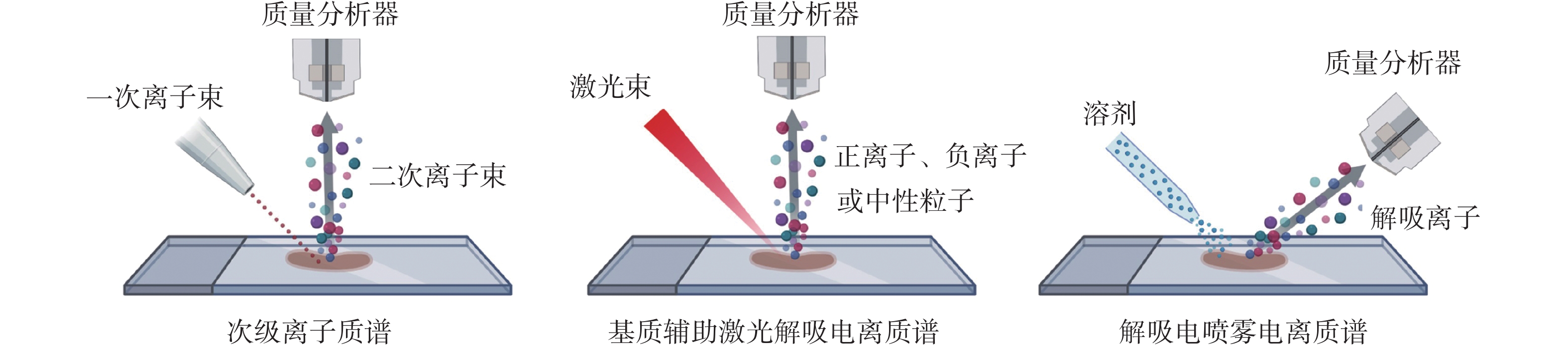
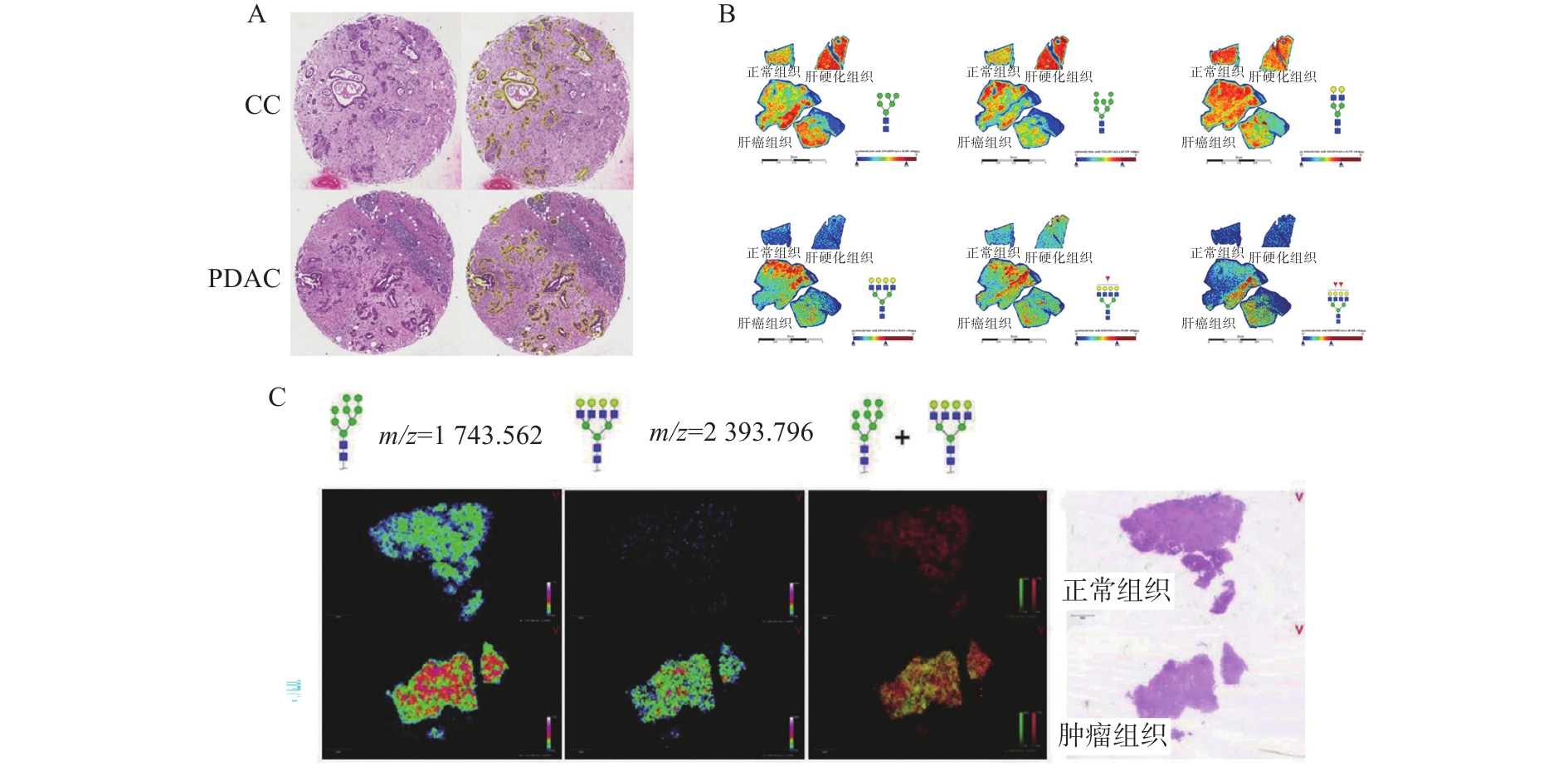
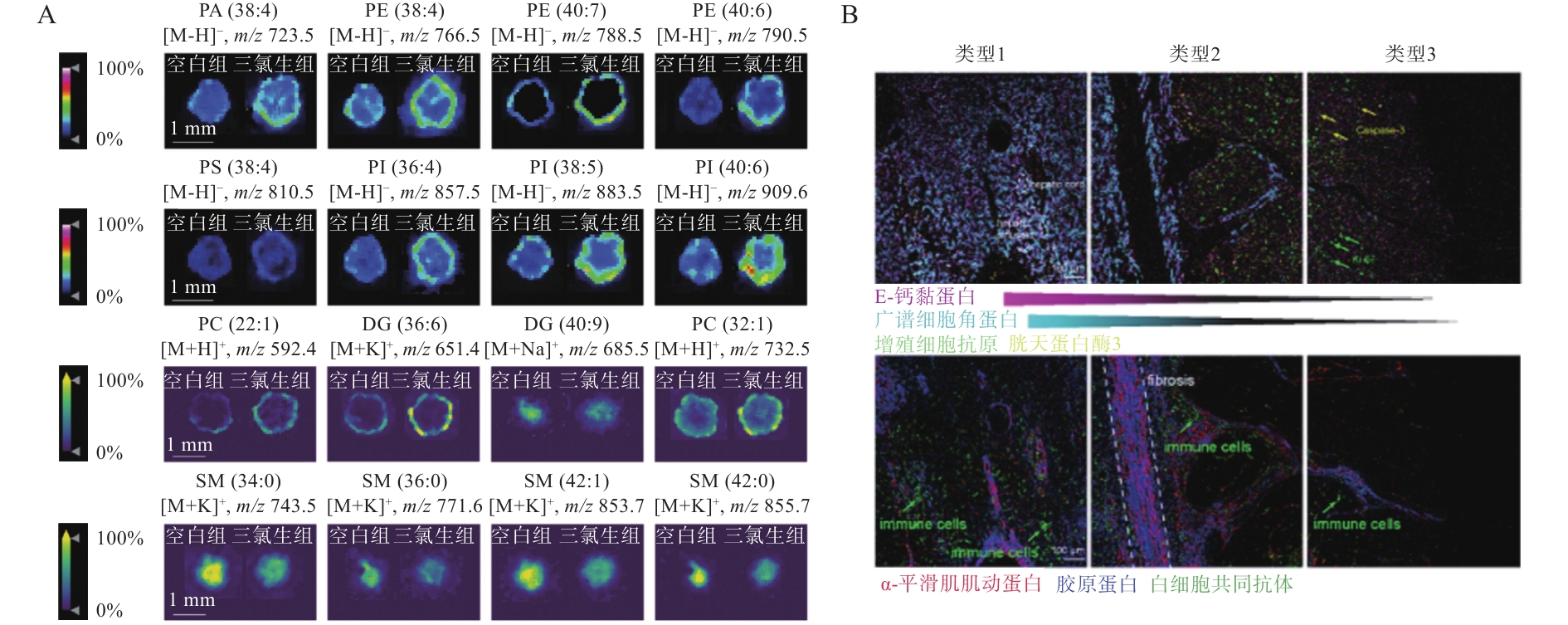
Mass spectrometry imaging (MSI) is an emerging molecular imaging technique that combines high spatial resolution and the ability to acquire molecular information. This technology can directly obtain spatial distribution maps of metabolites, proteins, lipids and other molecules in tumor tissues, reveal the abnormal molecular changes during the occurrence and development of liver cancer, and make up for the deficiency of information at the molecular level in traditional imaging (such as CT, MRI). In liver cancer research, MSI has demonstrated unique advantages and application potential in early diagnosis and screening, precise classification, tumor heterogeneity analysis, and exploration of molecular mechanisms. The principle characteristics of MSI technology and its latest progress in the early diagnosis, classification and molecular mechanism research of liver cancer were reviewed, and the current challenges and future development directions were discussed, which aimed to provide a new perspective and theoretical basis for an in-depth understanding of the pathological mechanism of liver cancer and promoted its precise diagnosis and treatment.
Mass spectrometry imaging (MSI) is an emerging molecular imaging technique that combines high spatial resolution and the ability to acquire molecular information. This technology can directly obtain spatial distribution maps of metabolites, proteins, lipids and other molecules in tumor tissues, reveal the abnormal molecular changes during the occurrence and development of liver cancer, and make up for the deficiency of information at the molecular level in traditional imaging (such as CT, MRI). In liver cancer research, MSI has demonstrated unique advantages and application potential in early diagnosis and screening, precise classification, tumor heterogeneity analysis, and exploration of molecular mechanisms. The principle characteristics of MSI technology and its latest progress in the early diagnosis, classification and molecular mechanism research of liver cancer were reviewed, and the current challenges and future development directions were discussed, which aimed to provide a new perspective and theoretical basis for an in-depth understanding of the pathological mechanism of liver cancer and promoted its precise diagnosis and treatment.
2026, 44(7): 335-340.
doi: 10.12206/j.issn.2097-2024.202601003
Abstract:
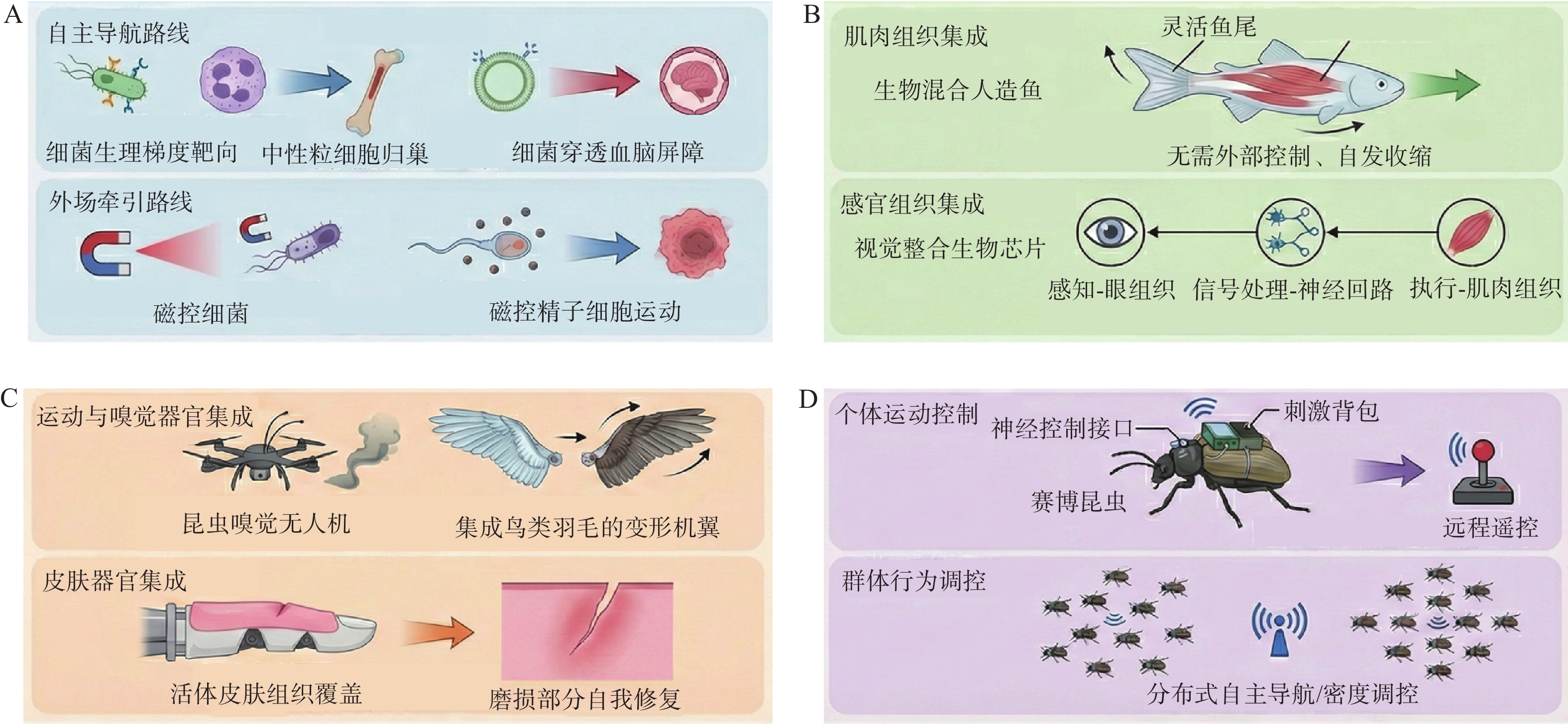
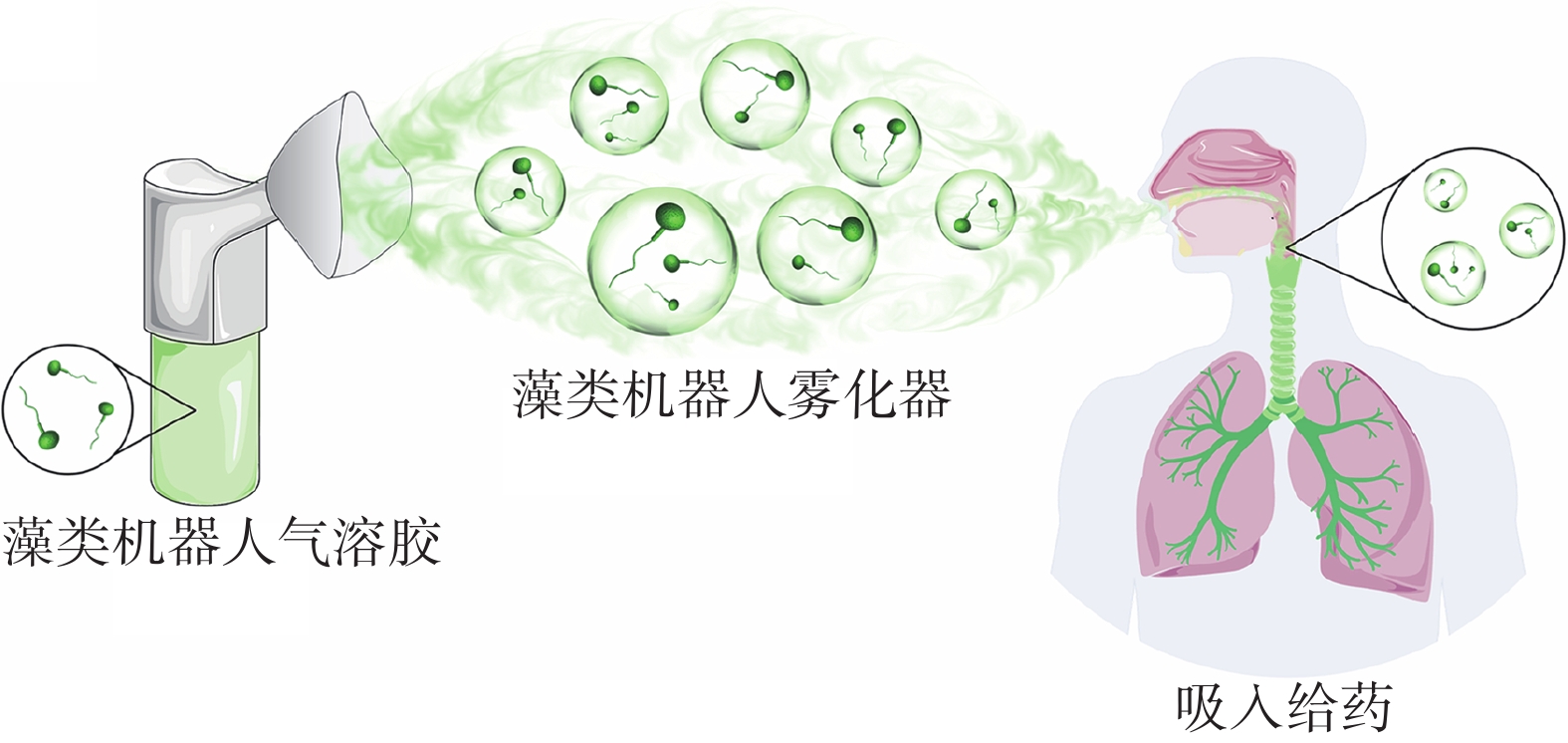
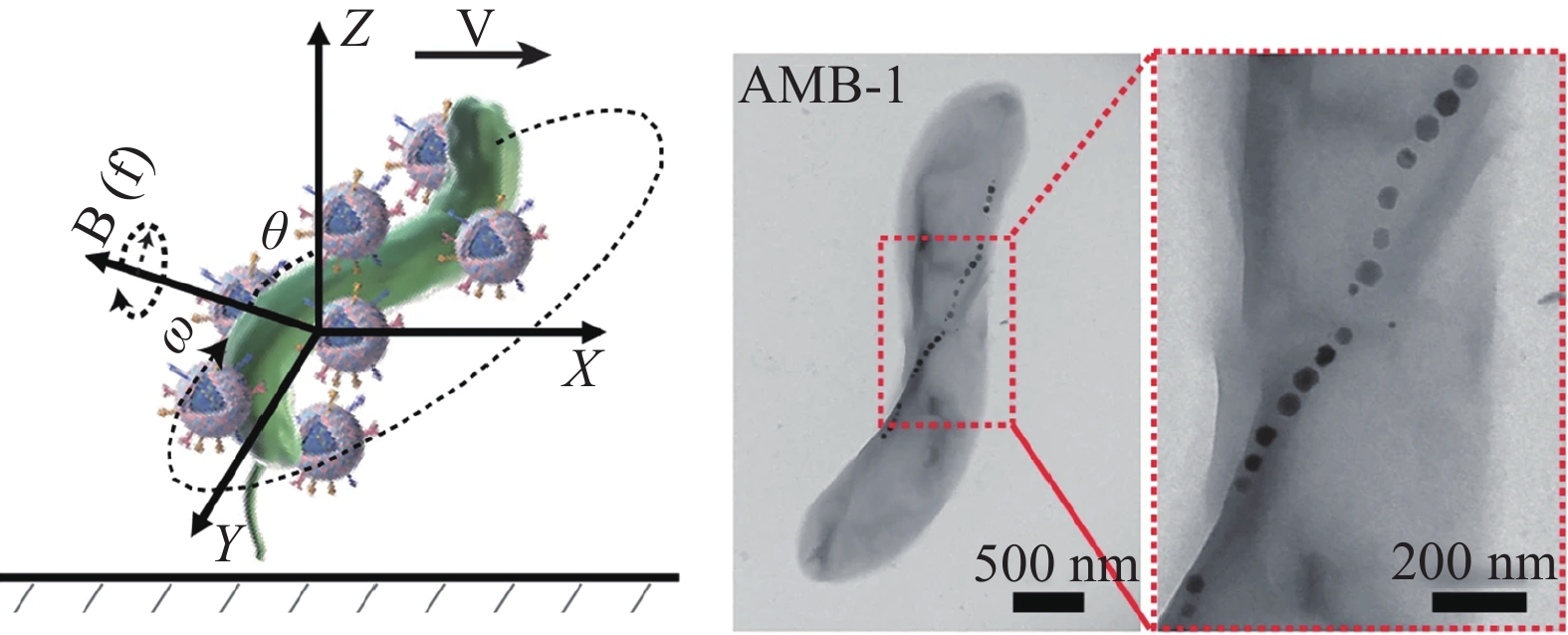
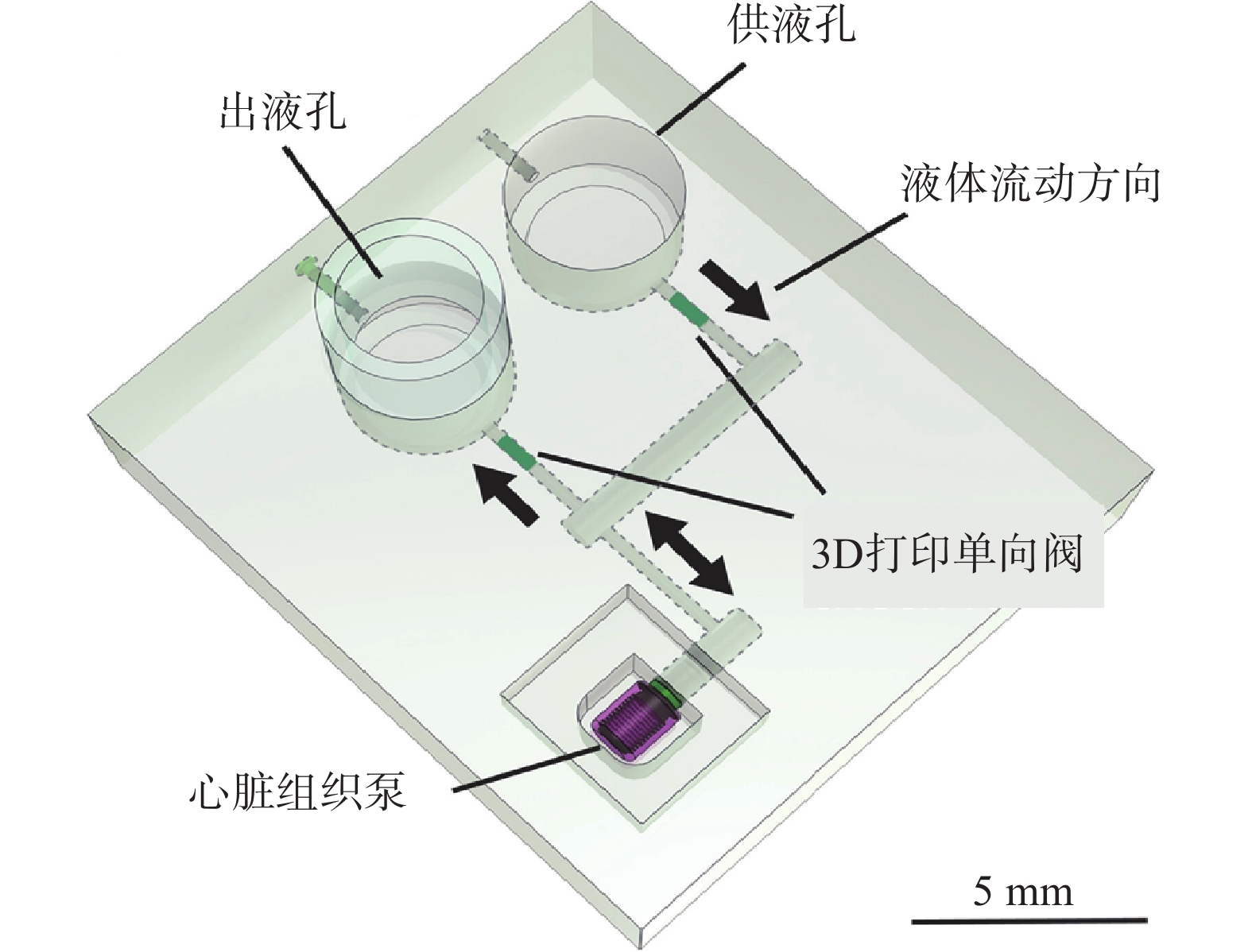
Biohybrid robots are hybrid systems that deeply integrate living biological components (such as cells, tissues, organs, or microorganisms) with artificial synthetic components (including sensors, actuators, control systems, and structural materials). Focusing on key advancements in cellular/microbial-level and tissue-level biohybrid robots, the applications in two major scenarios: targeted drug delivery in vivo and drug evaluation in vitro were reviewed. International research progress demonstrated that biohybrid robots offered novel solutions for overcoming deep tissue delivery barriers, enhancing biocompatibility, and enabling real-time monitoring. However, their clinical translation still faced critical challenges, including reproducibility, in vivo/in vitro nutrient supply, encapsulation technologies, and safety regulatory frameworks.
Biohybrid robots are hybrid systems that deeply integrate living biological components (such as cells, tissues, organs, or microorganisms) with artificial synthetic components (including sensors, actuators, control systems, and structural materials). Focusing on key advancements in cellular/microbial-level and tissue-level biohybrid robots, the applications in two major scenarios: targeted drug delivery in vivo and drug evaluation in vitro were reviewed. International research progress demonstrated that biohybrid robots offered novel solutions for overcoming deep tissue delivery barriers, enhancing biocompatibility, and enabling real-time monitoring. However, their clinical translation still faced critical challenges, including reproducibility, in vivo/in vitro nutrient supply, encapsulation technologies, and safety regulatory frameworks.
2026, 44(7): 341-345, 357.
doi: 10.12206/j.issn.2097-2024.202409007
Abstract:
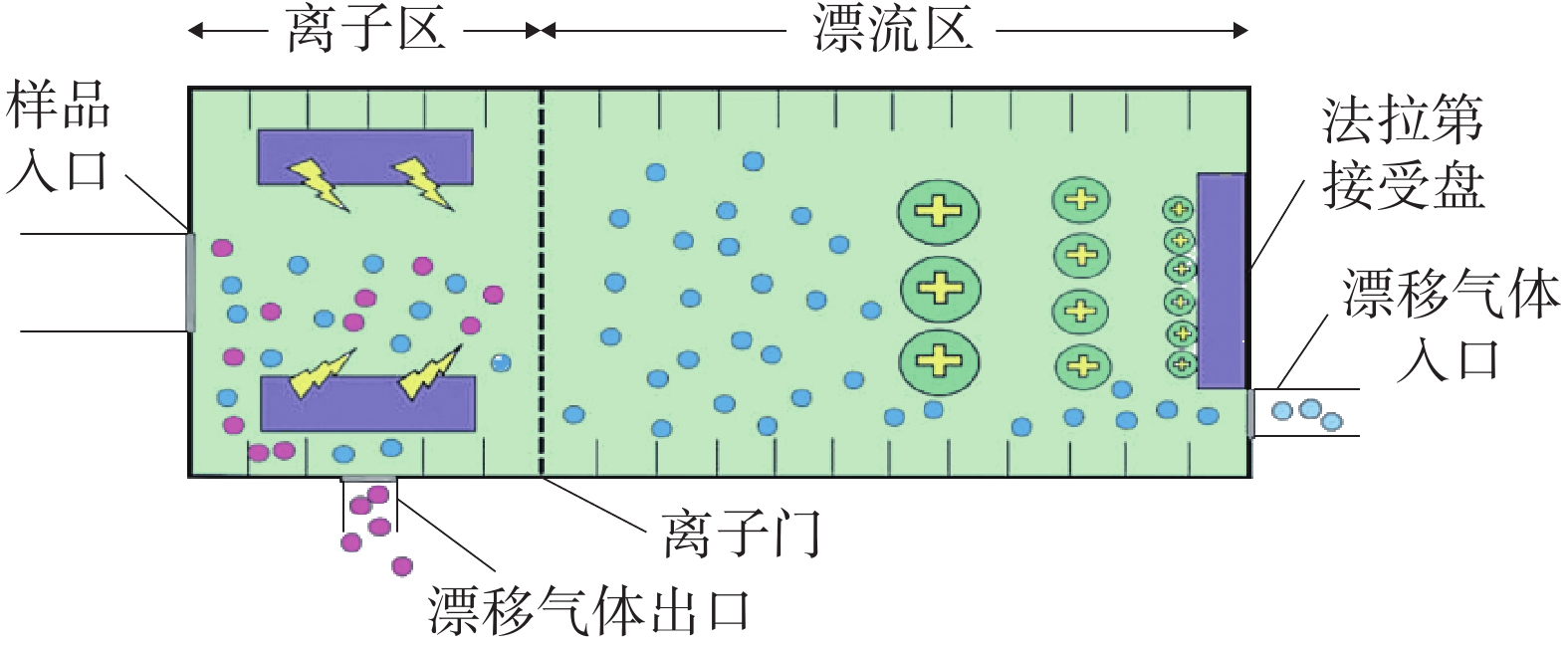
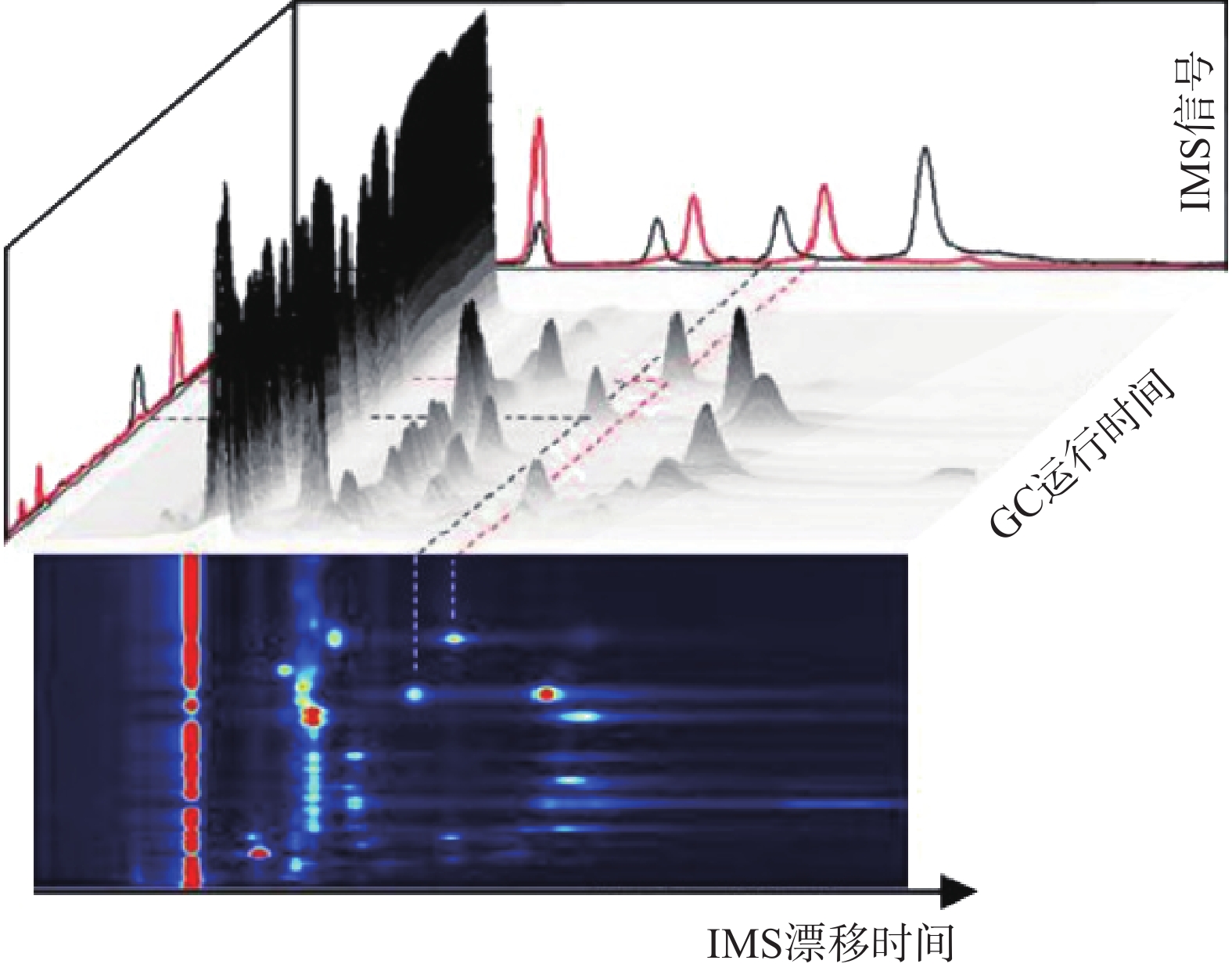
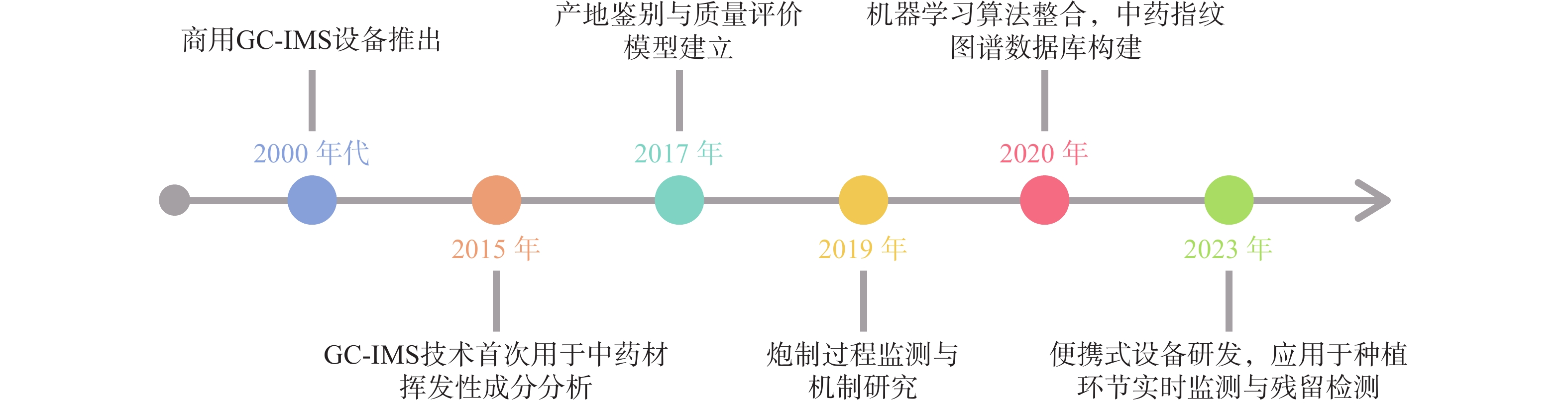
Traditional Chinese medicine contains a variety of volatile components (VOCs) such as terpenes and aliphatics, which have significant pharmacological activities, and are commonly analyzed by gas chromatography (GC) and gas chromatography-mass spectrometry (GC-MS). Although the separation ability is strong, the samples need to be pre-treated and the analysis time is long. In recent years, the combination of GC and ion migration spectrometry (IMS) has been widely used in the academic community. The combination of high separation ability of GC and rapid reaction ability of IMS has the advantages of no sample pretreatment, fast analysis time, low detection limit and simple operation. It is increasingly used in traditional Chinese medicine research. The working principle of GC-IMS was introduced, the application in VOCs research of traditional Chinese medicine was summarized, and the future development direction was prospected in this paper.
Traditional Chinese medicine contains a variety of volatile components (VOCs) such as terpenes and aliphatics, which have significant pharmacological activities, and are commonly analyzed by gas chromatography (GC) and gas chromatography-mass spectrometry (GC-MS). Although the separation ability is strong, the samples need to be pre-treated and the analysis time is long. In recent years, the combination of GC and ion migration spectrometry (IMS) has been widely used in the academic community. The combination of high separation ability of GC and rapid reaction ability of IMS has the advantages of no sample pretreatment, fast analysis time, low detection limit and simple operation. It is increasingly used in traditional Chinese medicine research. The working principle of GC-IMS was introduced, the application in VOCs research of traditional Chinese medicine was summarized, and the future development direction was prospected in this paper.
2026, 44(7): 346-352, 375.
doi: 10.12206/j.issn.2097-2024.202503005
Abstract:
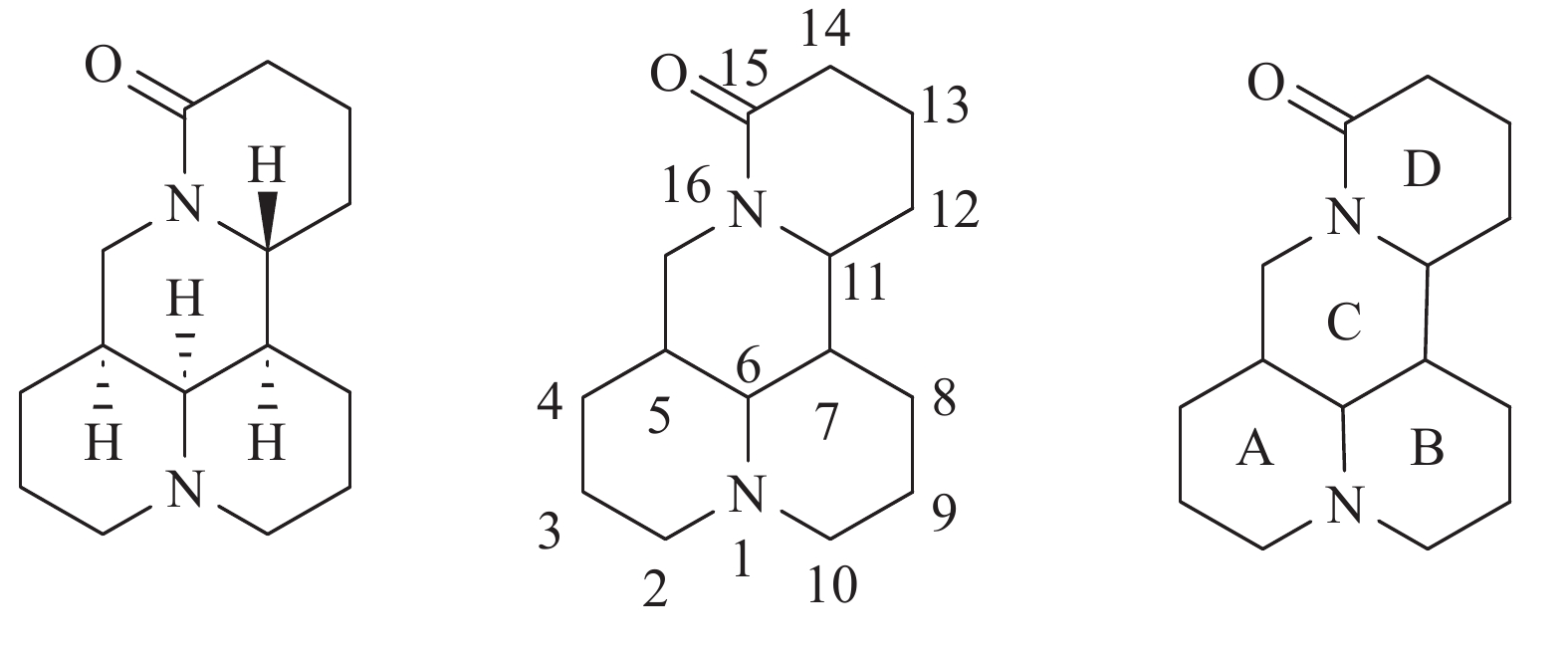
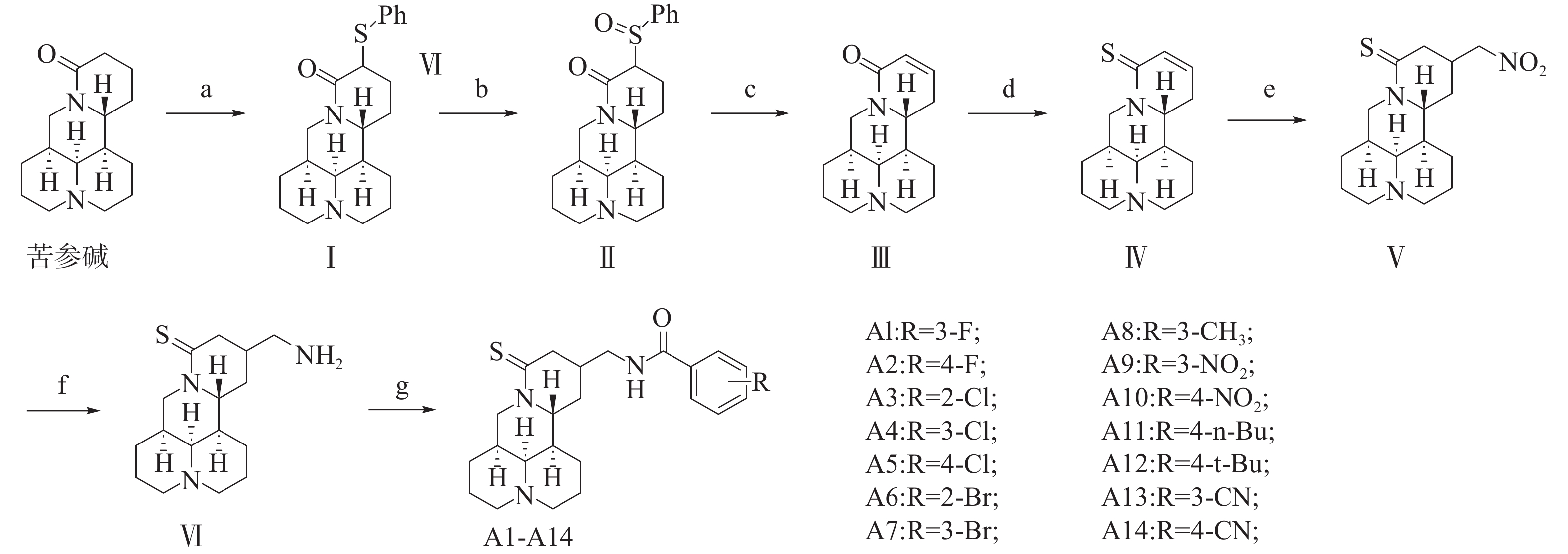
Objective The alkaloids contained in the Chinese herb Sophora flavescens have good anti-inflammatory activity. To investigate the structure-activity relationship between the novel matrine and the anti-inflammatory activity by modifying the structure of matrine. Methods Fourteen novel matrine derivatives were obtained by chemical modification using matrine as the lead compound with matrine and M19 as positive controls. The cytotoxicity of matrine derivatives against RAW264.7 cells was detected by the cell counting kit 8 (CCK8) assay, and the relative amount of NO produced by matrine derivatives against lipopolysaccharide (LPS)-induced inflammation model of RAW264.7 cells was detected using an NO assay kit. The enzyme-linked immunosorbent assay (Elisa) was used to detect the secretion of interleukin-6 (IL-6) and tumor necrosis factor alpha (TNF-α) by matrine derivatives in LPS-induced inflammation model of RAW264.7 cells. Results The novel matrine derivatives all exhibited lower cytotoxicity compared with M19 . The NO inhibition rates of the novel matrine derivatives were all higher than that of matrine, and some were higher than that of M19, with compound A12 having the highest NO inhibition rate. Compounds A11 and A12 showed higher IL-6 inhibition than the control M19. Additionally, compound A12 had higher TNF-α inhibition than M19. Conclusion Compound A12 inhibited the strongest inhibition of NO, IL-6 and TNF-α release and had the best anti-inflammatory activity, which provided an important lead compound for this subsequent in-depth study.


2026, 44(7): 353-357.
doi: 10.12206/j.issn.2097-2024.202406033
Abstract:
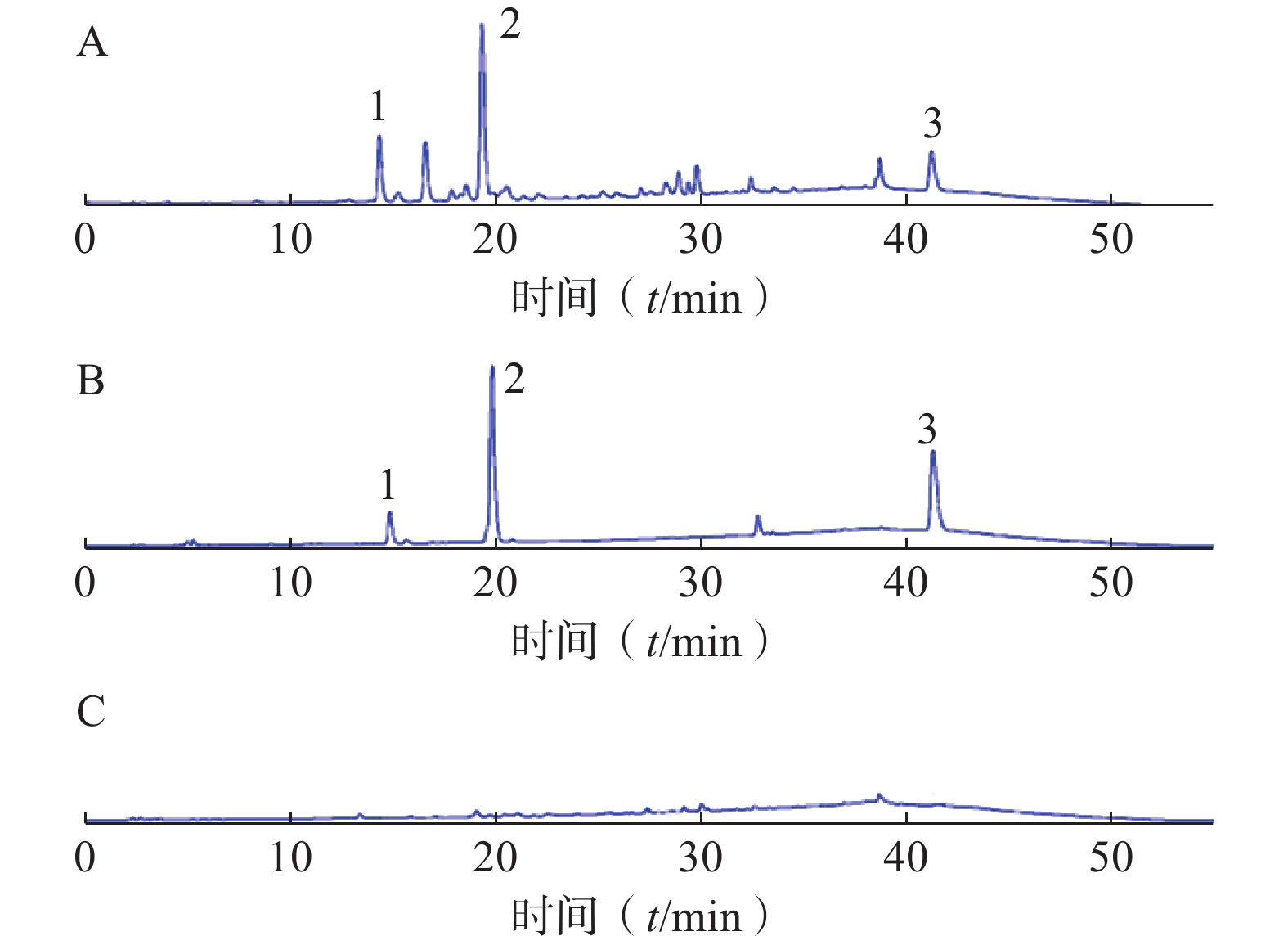
Objective To establish a standardized quality criterion for the formula of the Liuwei Runfu oil recipe. Methods The qualitative identification of the components, such as Cannabis sativa, Ligusticum chuanxiong, Angelica sinensis, Coix lacryma-jobi, and Glycyrrhiza uralensis, was conducted by thin layer chromatography (TLC). The concentration of Senkyunolide A, ligustilide, and linoleic acid was determined by high-performance liquid chromatography (HPLC). Results The TLC identification results demonstrated excellent differentiation and high selectivity, without any disruption from the negative samples. The reference standard for Senkyunolide A exhibited excellent linearity in the range of 25 to 300 µg (r=0.9999 ), with an average recovery rate of 102.3% and a relative standard deviation (RSD) of 2.3%. The ligustilide reference standard exhibited strong linearity between the concentrations of 0.6875 and 8.25 µg (r=0.9993 ), with an average recovery rate of 100.1% and a relative standard deviation (RSD) of 2.8%. The linoleic acid reference standard demonstrated strong linear correlation within the range of 2.8125 to 33.75 µg (r=0.9990 ), with an average spiking recovery rate of 102.7% and a relative standard deviation (RSD) of 1.7%. Conclusion The established method with strong specificity was simple, accurate, reliable, which coulod provide a reference for the quality control of the Liuwei Runfu oil recipe.
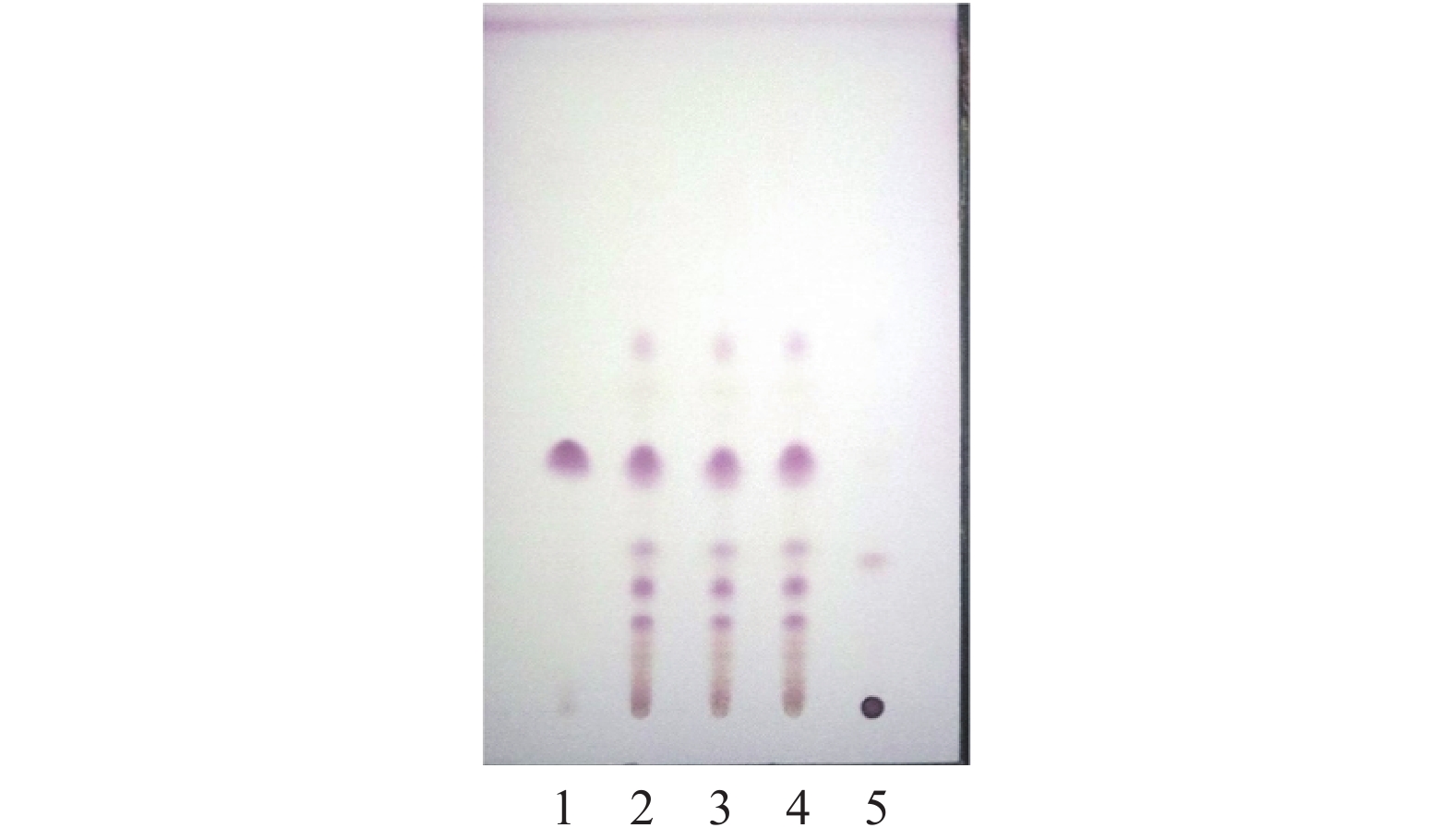
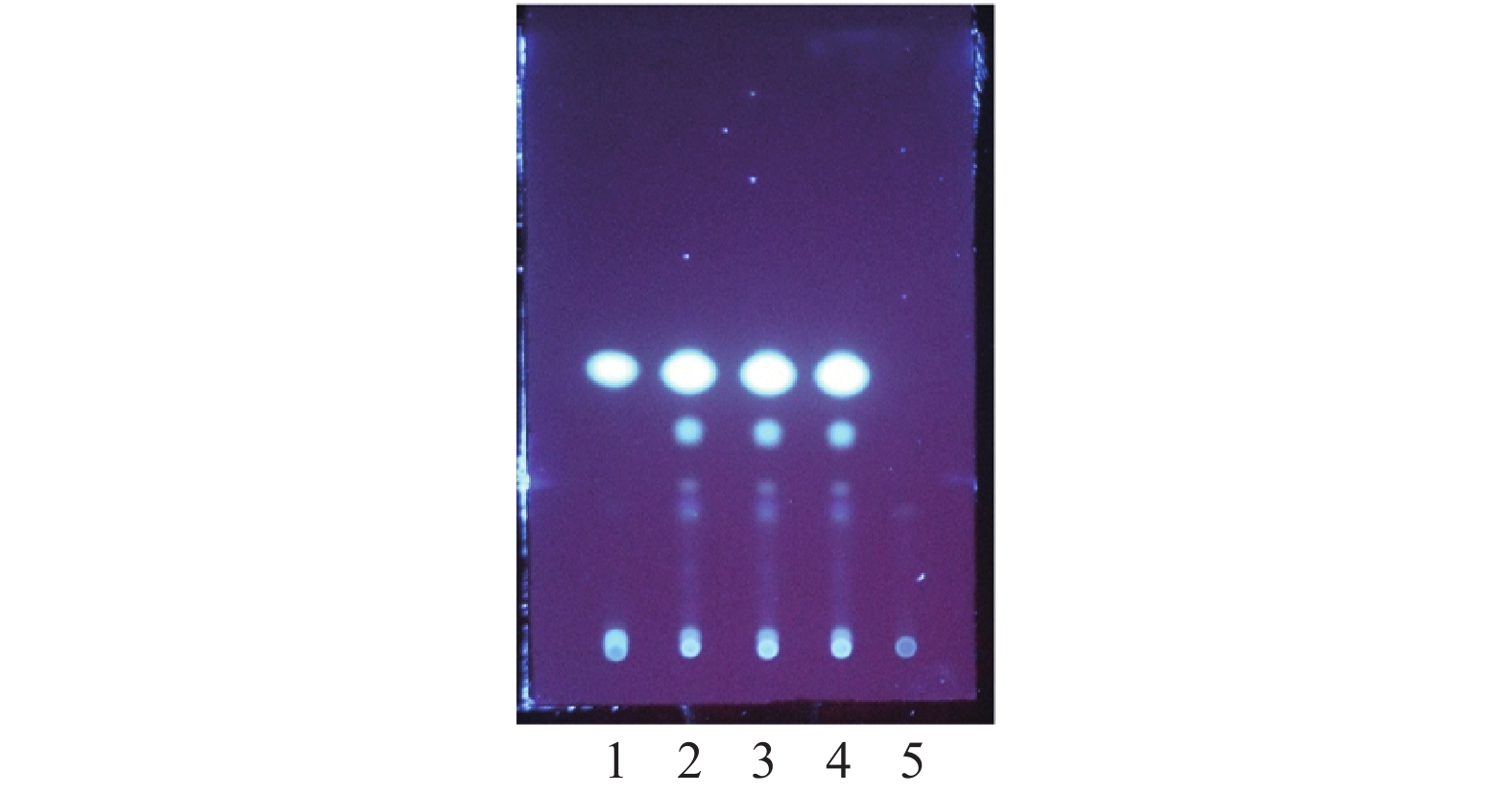
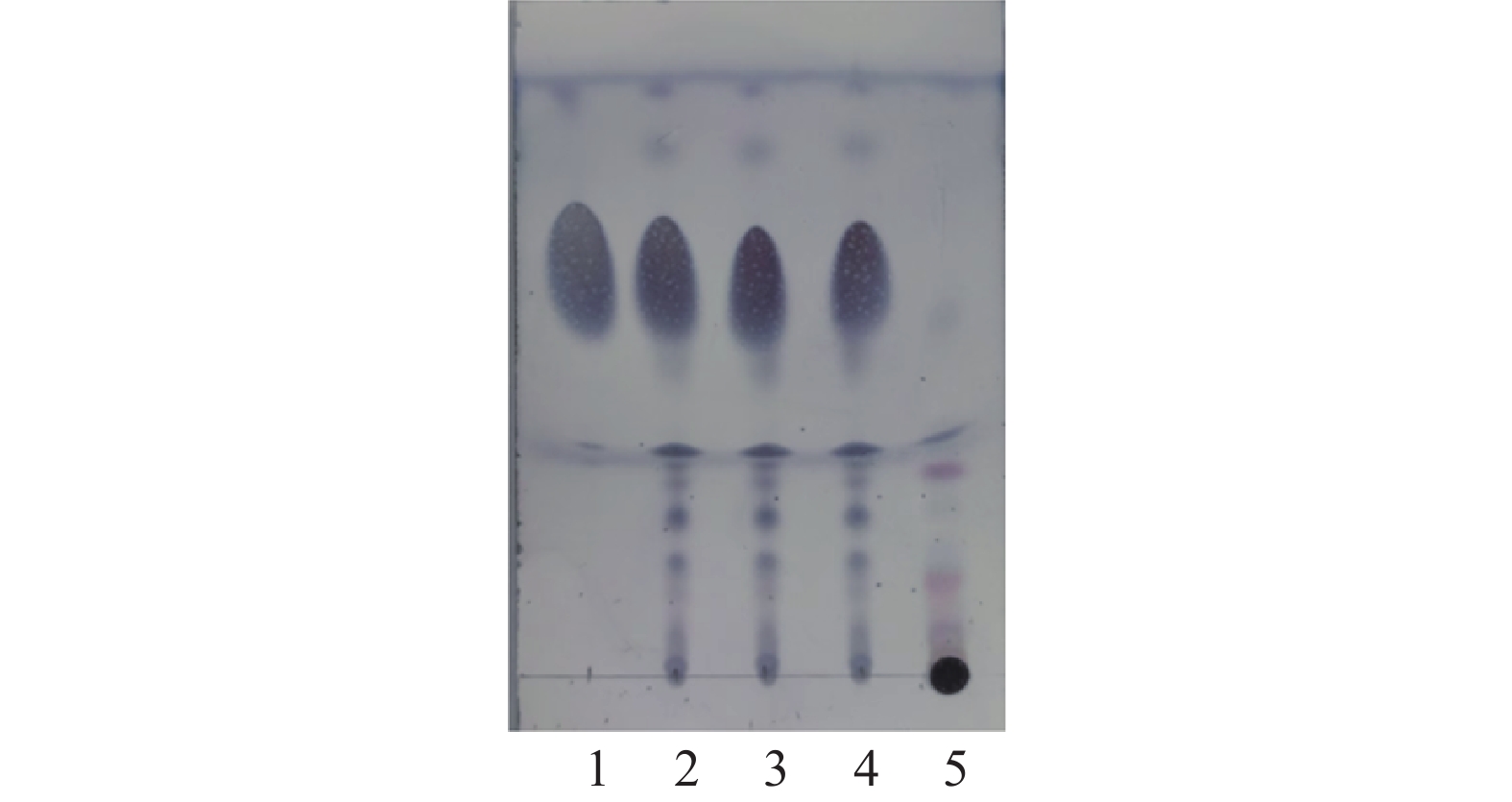
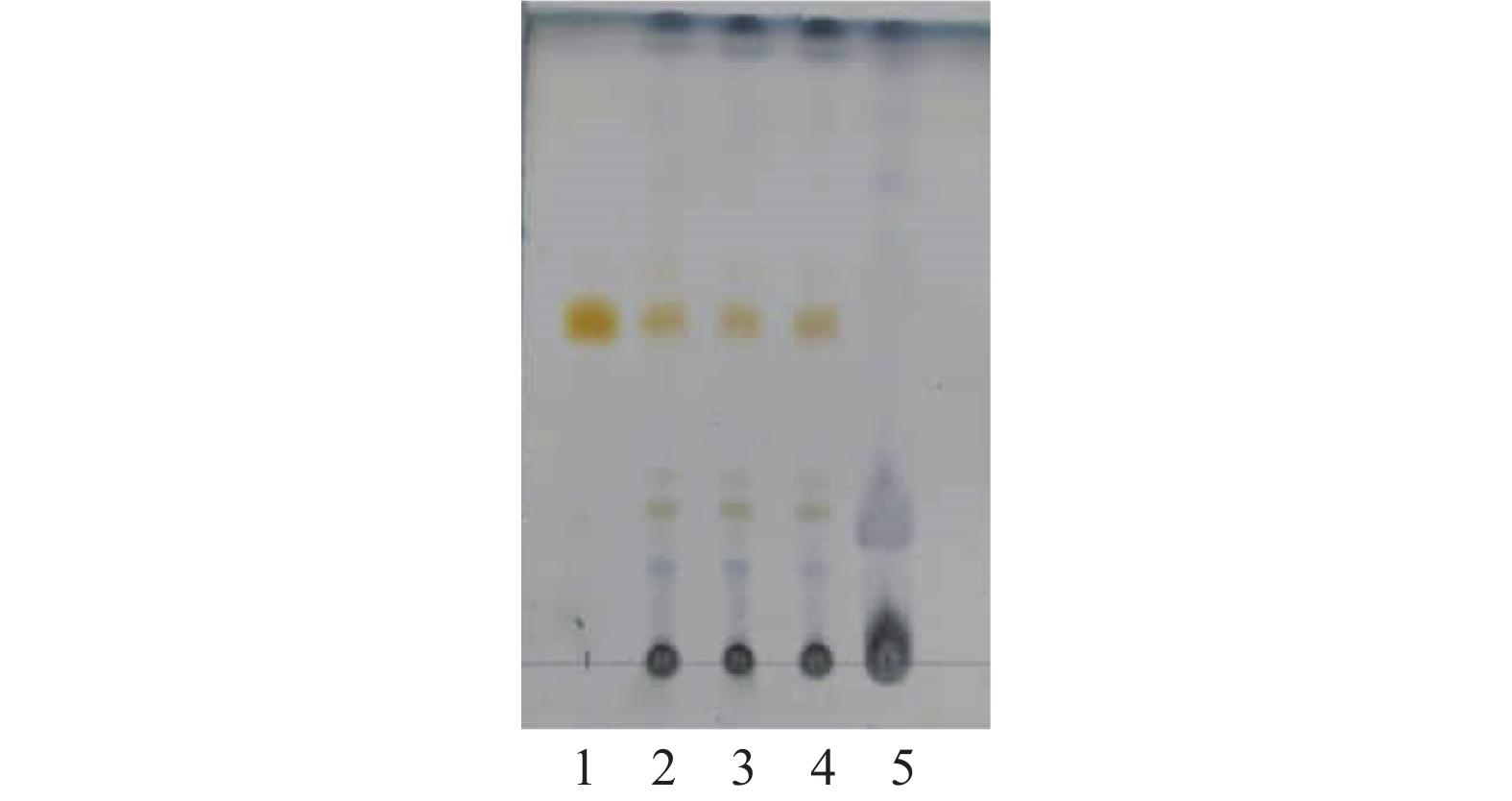
2026, 44(7): 358-361, 382.
doi: 10.12206/j.issn.2097-2024.202405048
Abstract:
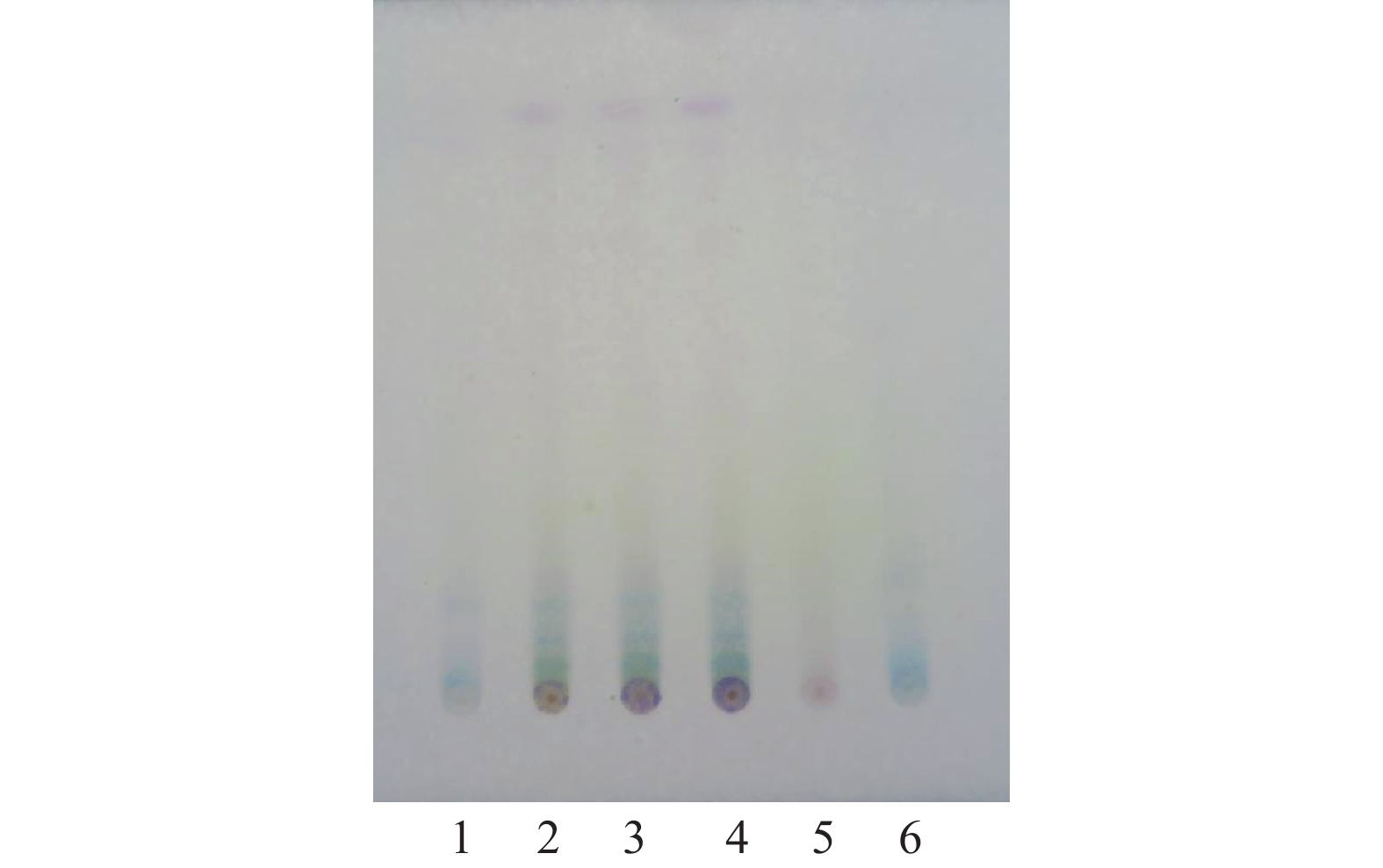
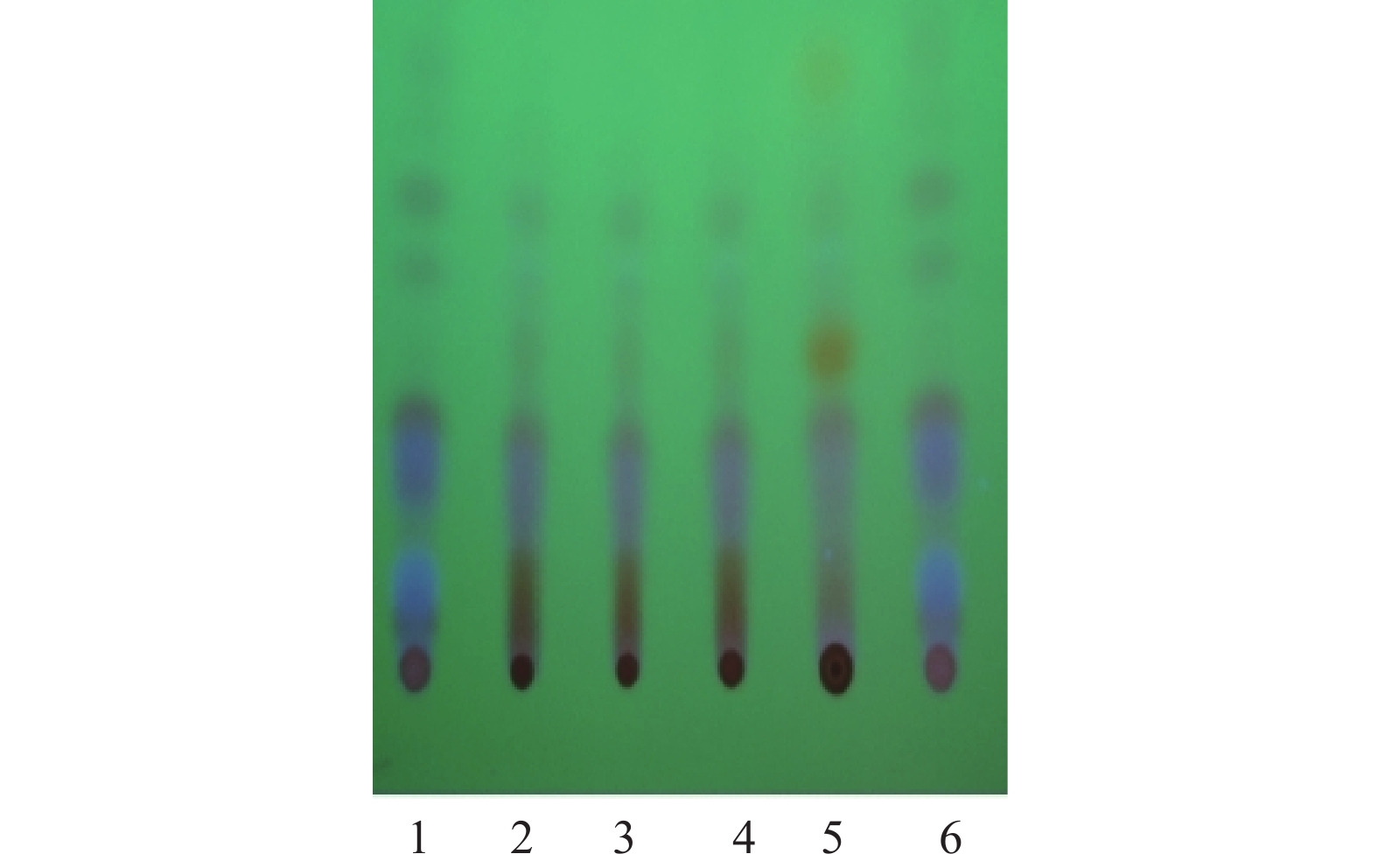
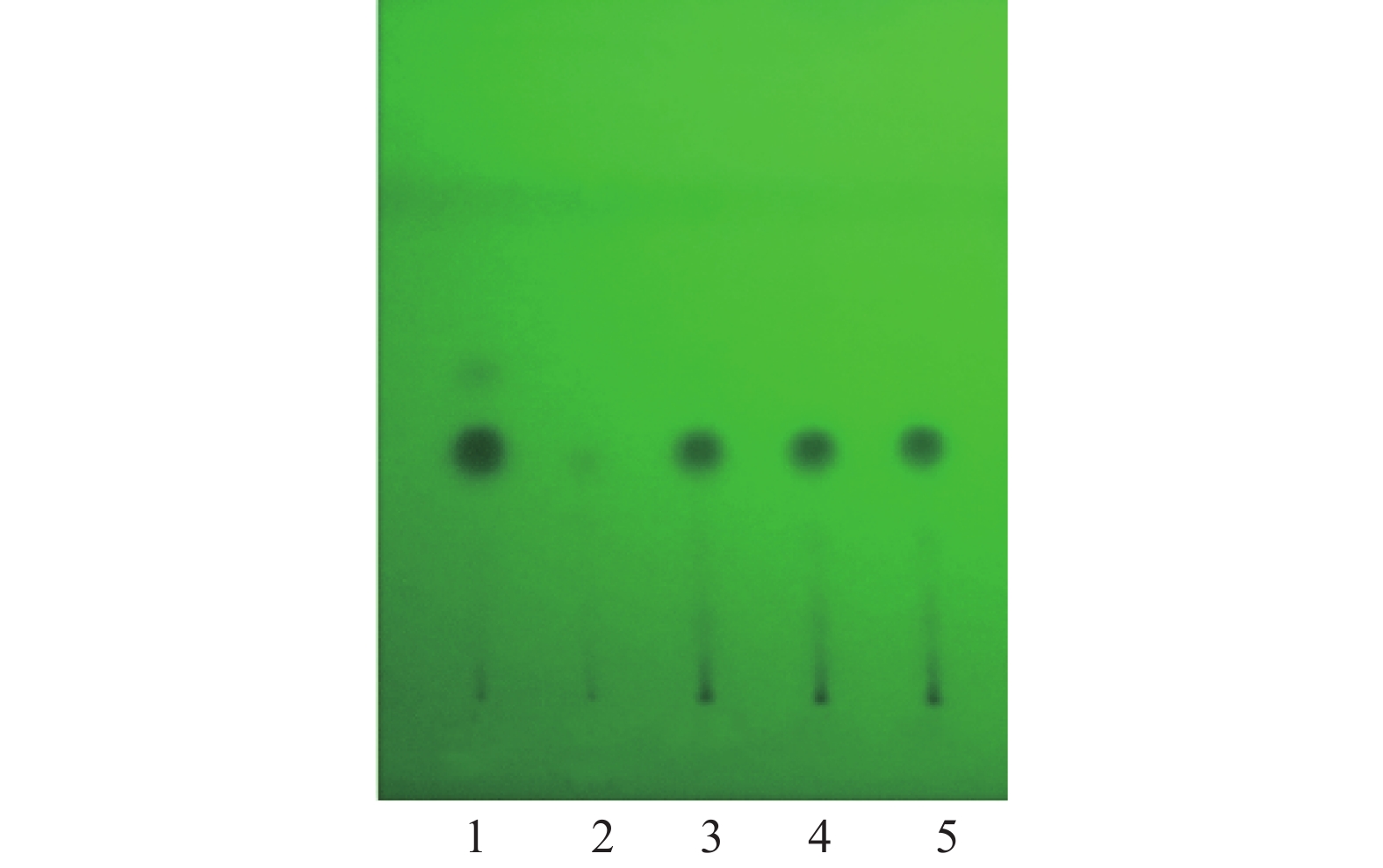
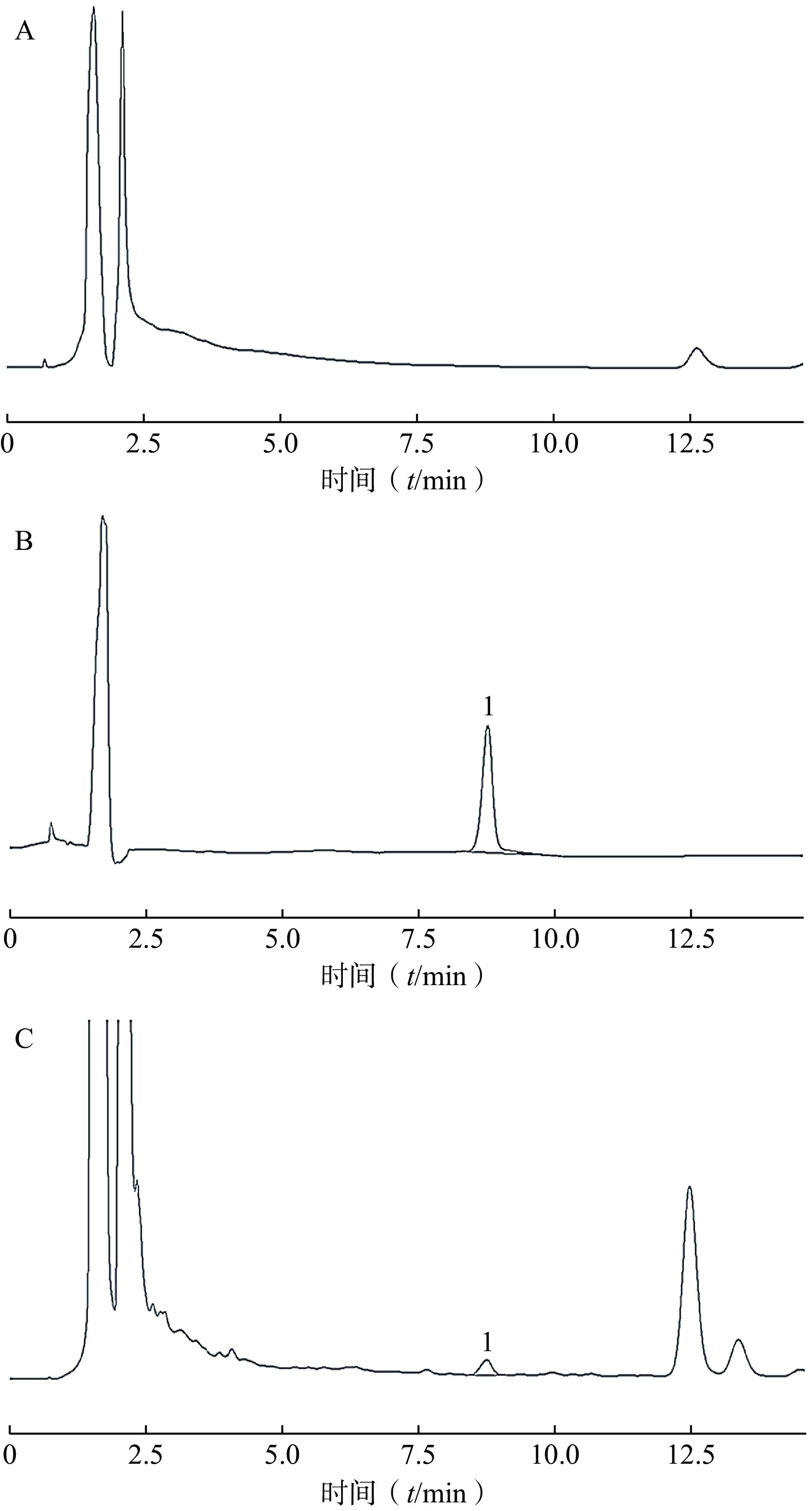
Objective To establish the method of thin layer chromatography (TLC) for identification and content quantitative determination of Shugantongluo capsules, and provide methodological reference for the quality control of Shugantongluo capsules. Methods Bupleuriradix, polygala tenuifolia yuanzhi, and acorus tatarinowii rhizoma were identified by TLC qualitatively. The content of Saikosaponin-a was determined by HPLC method. The chromatography was performed on Venusil XBP C18(L) (4.6 mm×150 mm, 5 μm) with a stable temperature of 30℃. The mobile phase in isocratic elution consisted of acetonitrile-water (40∶60, V/V) at the flow rate of 1.0 ml/min with an injection volume of 20 μl. The detection wavelength was set at 210 nm. Results Clear spots were obtained with good separation in TLC identification which was highly specific. The Saikosaponin-a at the range of 25.00-500.0 μg/ml was linear with peak area (r=0.999 9), the average recovery rate was 97.00%, and RSD was 2.60%. Conclusion These methods was easy to operate with accurate results, with good specificity and reproducibility, which could be uesd for the quality control for Shugantongluo capsules.
2026, 44(7): 362-369.
doi: 10.12206/j.issn.2097-2024.202501034
Abstract:
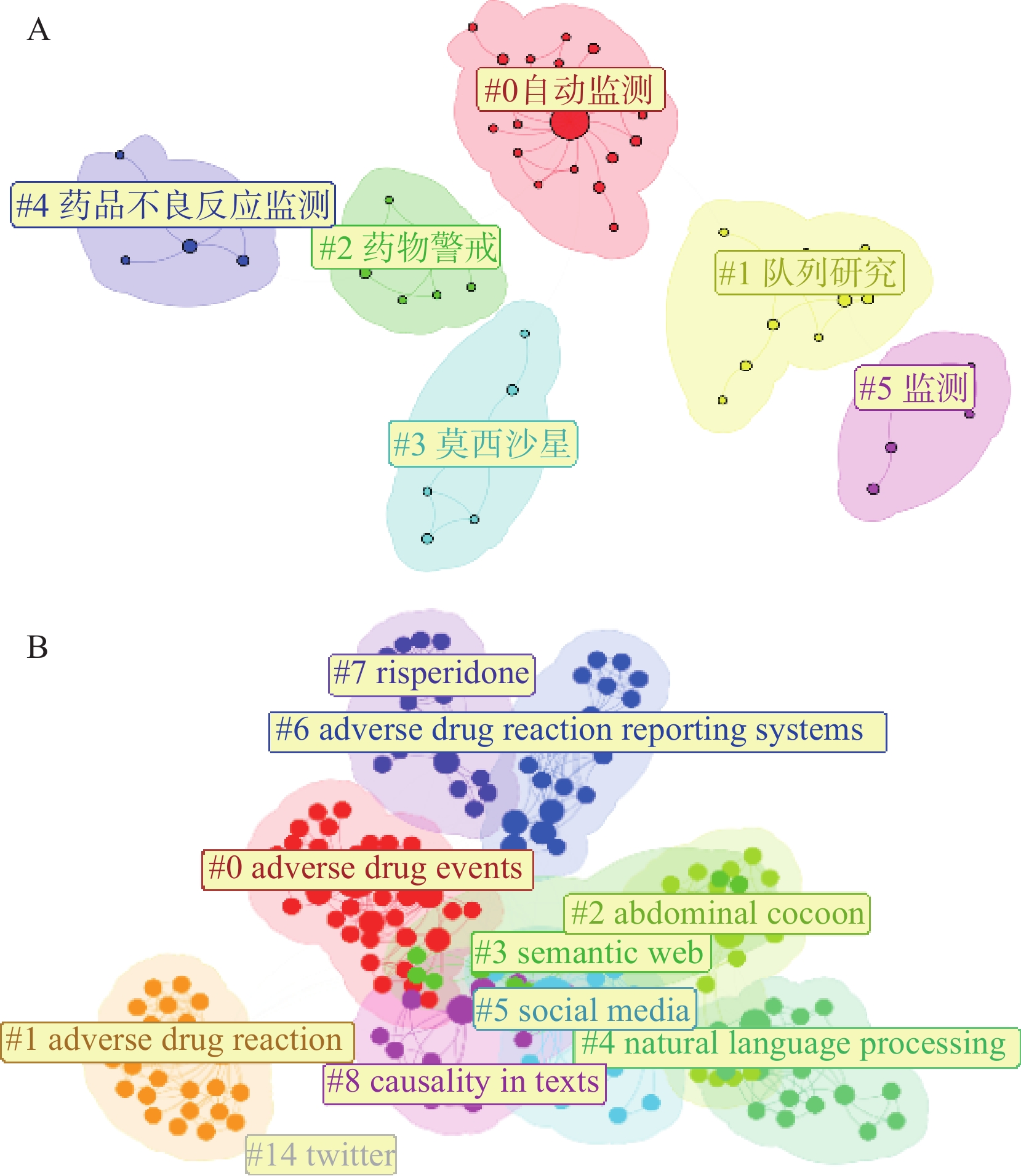
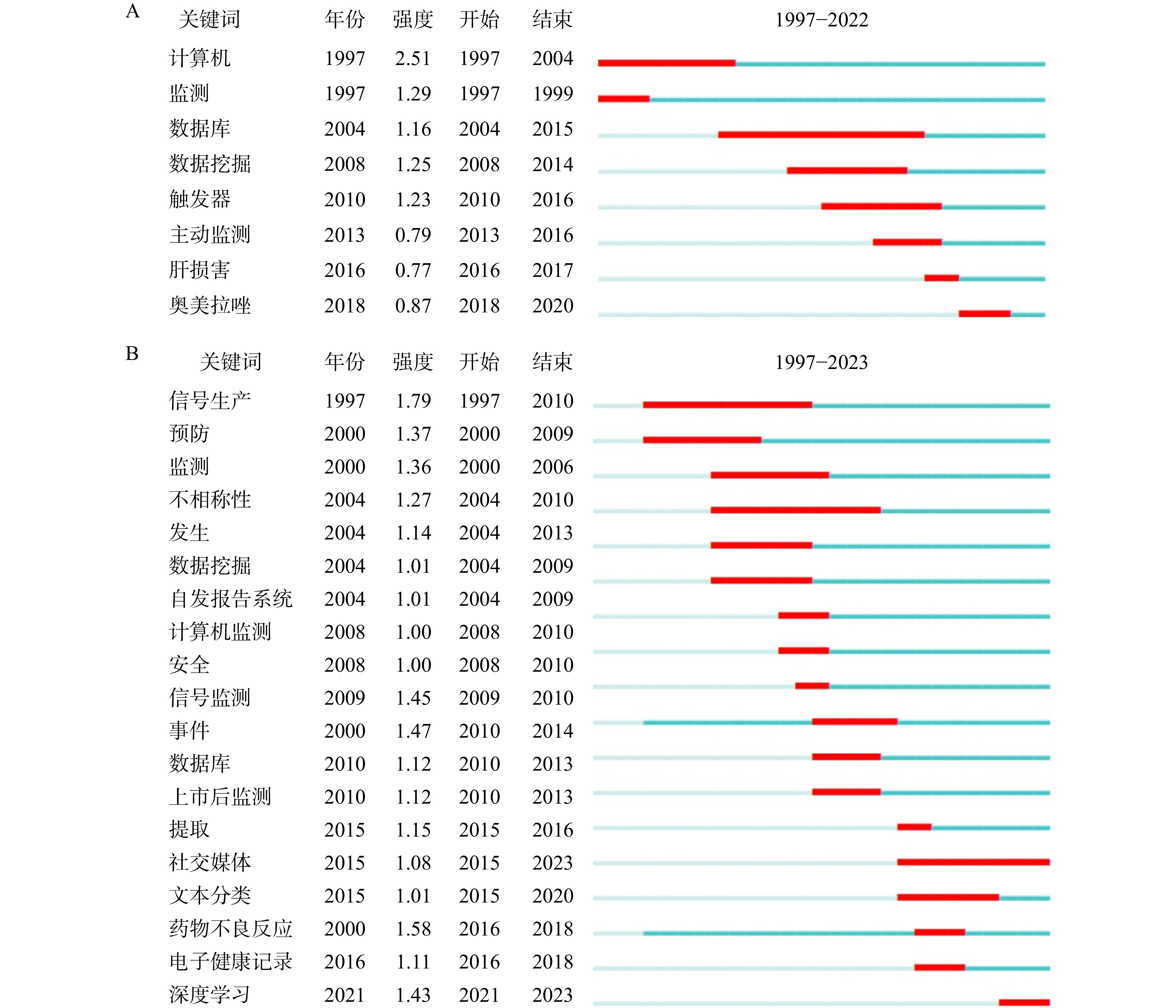
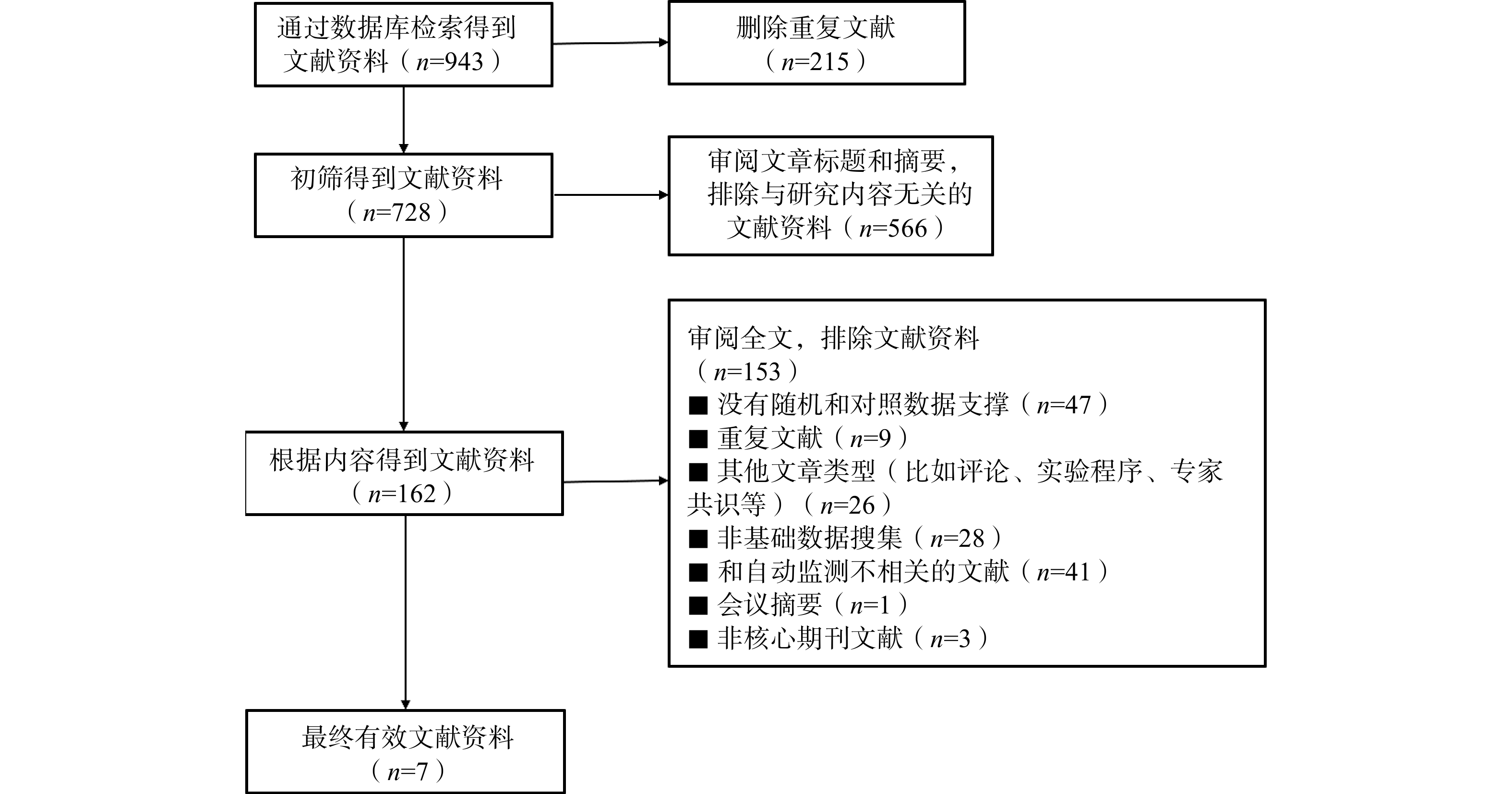
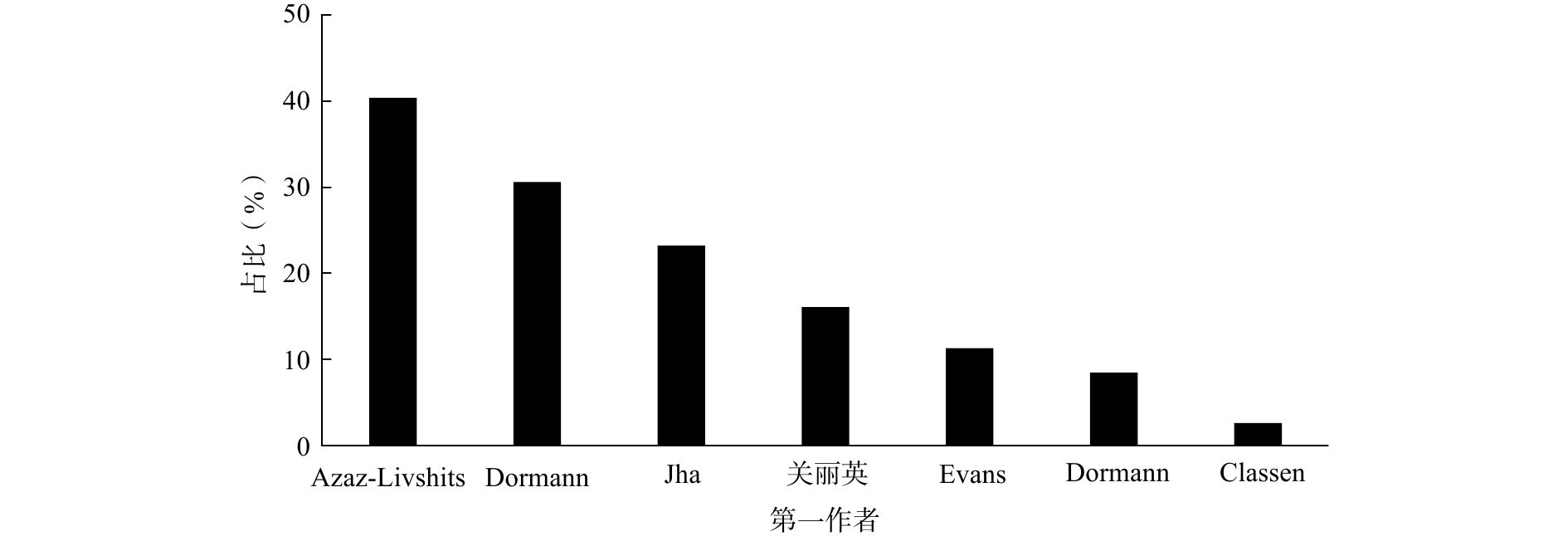
Objective To provide a reference for the establishment, development and application of the adverse drug reaction (ADR) automated monitoring system, through verifying and quantifying the research hotspots and advantages of the system by CiteSpace software and systematic review. Methods Literature on ADR automated monitoring up to December 2023 were retrieved and screened from CNKI and web of science databases. CiteSpace 6.4.R1 software was used to conduct co-occurrence, clustering and emergence analysis, and to visualize and comparatively analyze the research hotspots, rules and distribution in the field of automated monitoring of ADR at home and abroad. In compliance with the preferred reporting items for systematic reviews and Meta-analyses (PRISMA), literature covering publications in English and Chinese including detection rates of ADR collected using Incident Reporting Systems (IRSs) and/or automated monitoring systems were retrieved and screened. The advantages and disadvantages of automated monitoring systems were analyzed by comparing the differences between these two systems in terms of the number of ADR reports and the types of positive signals. Results A total of 56 articles in English and 80 articles in Chinese were indexed by CiteSpace. The research hotspots in recent years included data mining, deep learning, text classification techniques, machine learning and so on. A total of seven studies compiled with the inclusion criteria for the systematic evaluation, all of which were completed between 1991 and 2021 in hospitals in four countries. 150 526 medical records were reviewed from 15 institutions. A total of 194 ADR reports were collected by IRSs. A total of 2 090 ADR reports were collected by the automated monitoring system over the same period, indicating a 977% increase in the number of ADR reports (P=0.0156 ) compared with the IRSs. Conclusion The ADR automatic monitoring system had significantly improved the level of drug risk identification and reduced costs, but it was necessary to optimize the algorithm, expand the data source and carry out standardization construction to overcome the current limitations.
2026, 44(7): 370-375.
doi: 10.12206/j.issn.2097-2024.202407016
Abstract:
Objective To explore the principle of antibacterial drug therapy and the strategy of program optimization in elderly patients with Helicobacter pylori(Hp). Methods The common therapeutic regimen of Hp was summarized, and the better therapeutic regimen of elderly Hp patients was screened ultimately. Results Amoxicillin and cefuroxime were relatively safe compared with other recommended antibacterial drugs. Using other commonly antibiotics for Hp should pay attention to the disease of patients and current drug. Conclusion Elderly patients usually suffered from a variety of diseases and required multiple drugs. The application of therapeutic regimen for elderly patients with Hp should be supposed to fully weigh the risks and benefits.
2026, 44(7): 376-382.
doi: 10.12206/j.issn.2097-2024.202601011
Abstract:
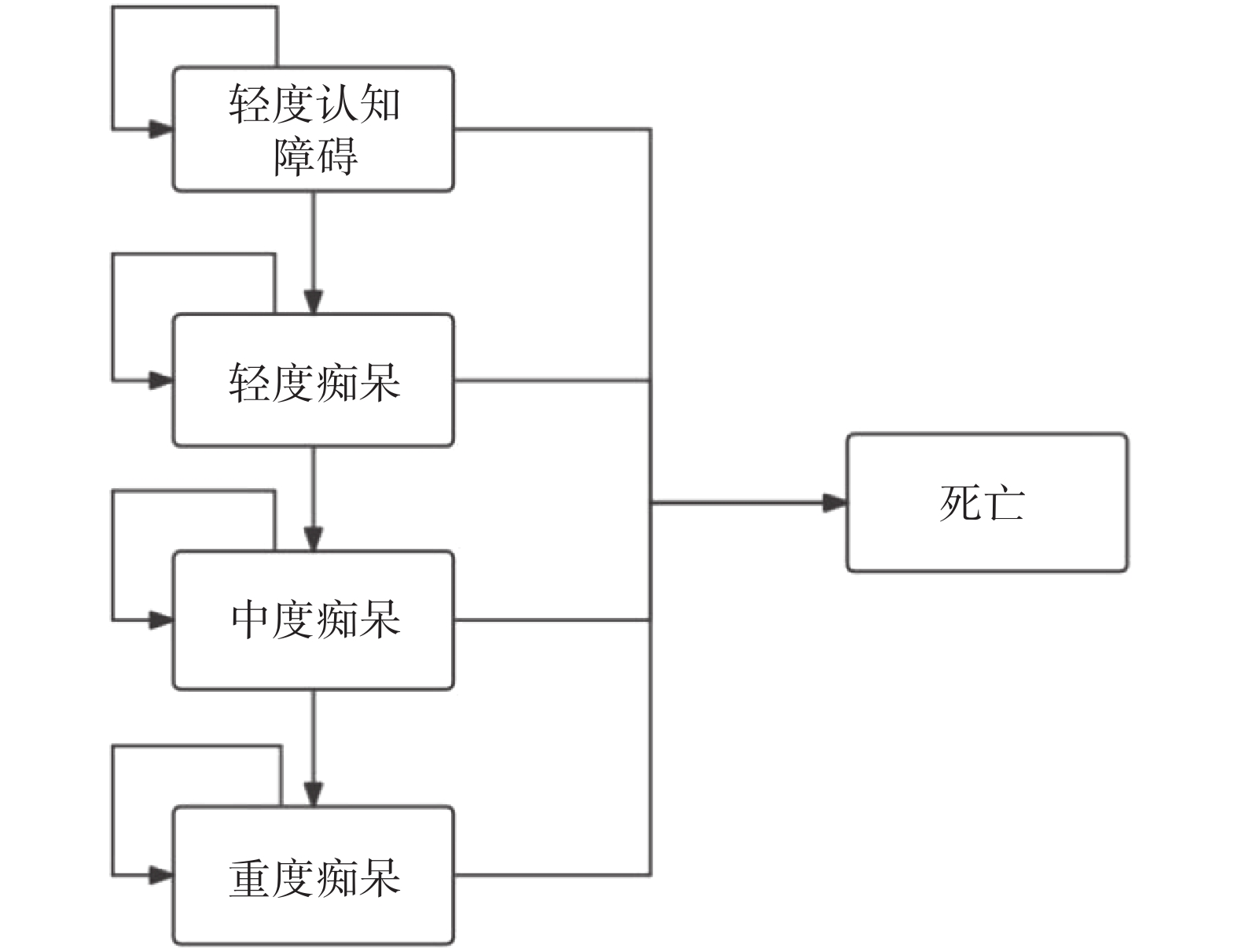
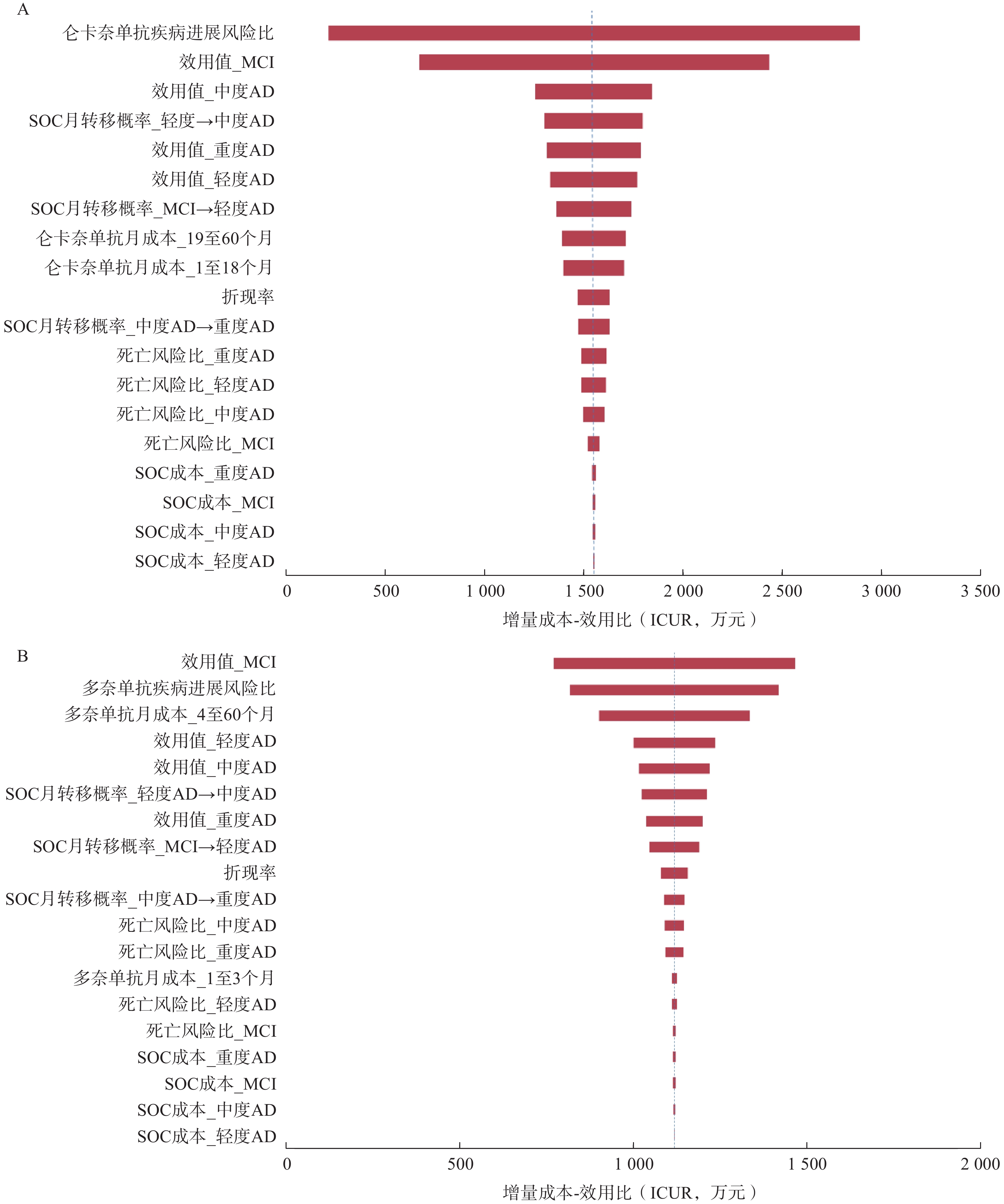
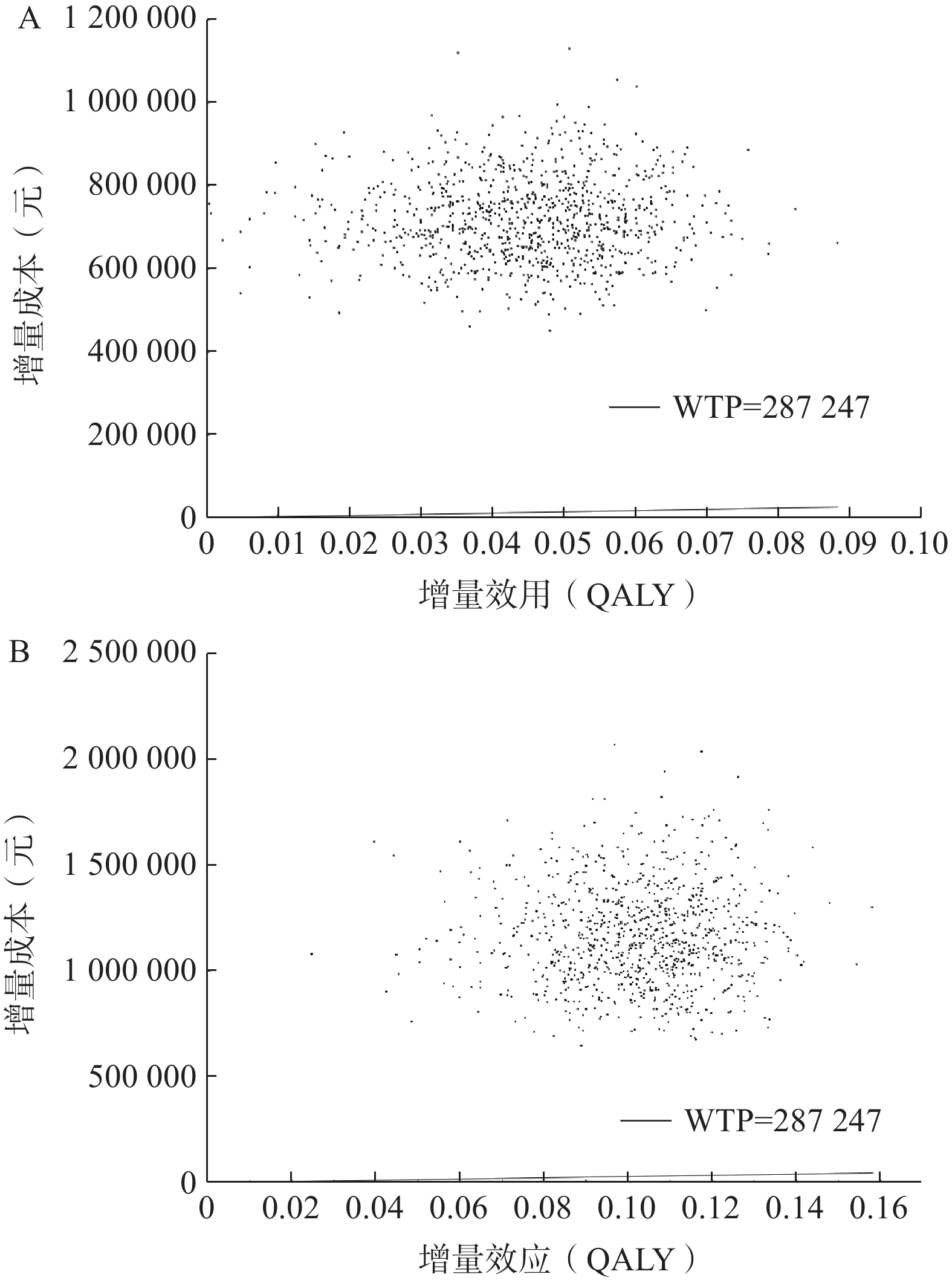
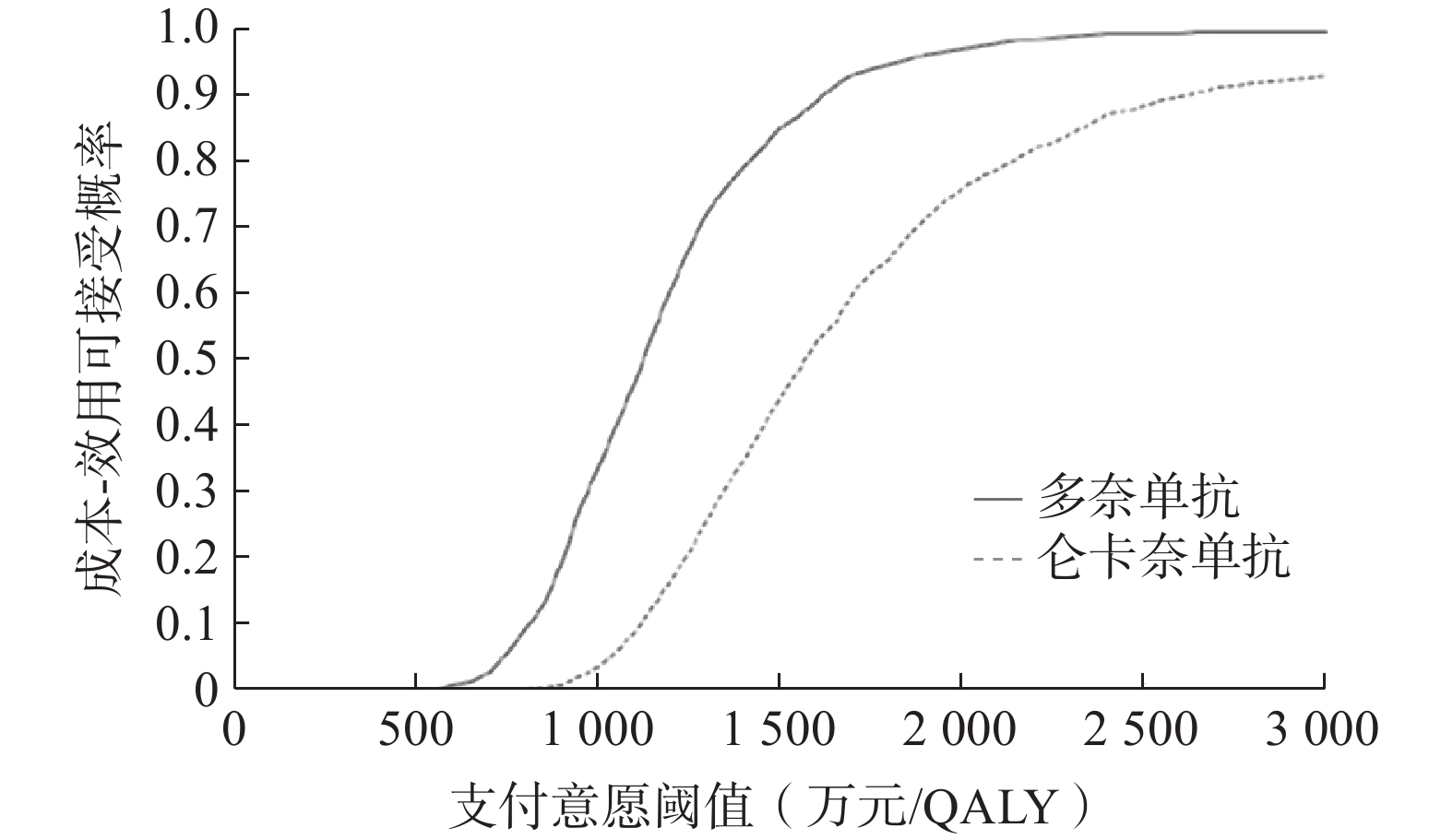
Objective To evaluate the cost–utility of lecanemab and donanemab in the treatment of early Alzheimer’s disease (AD) in China. Methods A Markov model was developed from a societal perspective to compare standard of care (SOC), lecanemab plus SOC, and donanemab plus SOC in terms of costs, quality-adjusted life years (QALY), and incremental cost–utility ratios (ICUR). Deterministic and probabilistic sensitivity analyses were conducted to assess parameter uncertainty. Results Both intervention strategies increased QALY compared with SOC but were associated with substantially higher costs, and neither was cost-effective under the current willingness-to-pay threshold. Conclusion Lecanemab and donanemab may be more appropriately considered within a multi-tiered healthcare reimbursement framework in China rather than relying solely on basic medical insurance.
 Contribution System
 Author Login
 Review Login
 Editor Login
 Reader Login



 News
News